Fencing a Yard Against a Malamute That Was Bred to Dig
There's nothing quite like the heart-stopping moment you realize your beloved Alaskan Malamute isn't in the yard where you left them. For many Malamute owners, this isn't just a fleeting fear; it's a recurring nightmare rooted in the breed's incredible talent for digging. This comprehensive guide will walk you through understanding why your Malamute digs and, more importantly, how to construct or reinforce a fence that can finally keep your furry escape artist safely contained.
Understanding the Malamute's Instinct to Dig
If you own an Alaskan Malamute, you know they're not just dogs; they're magnificent, powerful creatures with instincts deeply ingrained from their ancestors. Digging isn't a naughty behavior unique to your dog; it's a profound, natural drive for the breed. Understanding this is the first step toward effective containment.
A Deep-Rooted Ancestral Behavior
Imagine the harsh, unforgiving Arctic environment where the Mahlemut people bred these incredible dogs. Survival meant being resourceful, and digging was a crucial skill. Malamutes dug for shelter, carving out snow dens to escape blizzards and extreme cold. These aren't just little scrapes in the dirt; these were serious excavations designed to create insulated, protective spaces. They needed to create a warm pocket for themselves, often digging down several feet to find respite from the biting winds and freezing temperatures.
Beyond shelter, their formidable prey drive also came into play. Their ancestors would dig to hunt small burrowing animals, unearthing rodents or other creatures for sustenance. This isn't a mere curiosity; it's a primal hunting instinct that tells them there might be something interesting, or even edible, just beneath the surface. This deep-seated drive means that asking a Malamute not to dig is like asking a bird not to fly; it goes against their very nature. You can read more about how a Malamute hunted bears alongside the Mahlemut, and you'll quickly understand the depth of their inherent drives.
Common Reasons for Malamute Digging in a Modern Yard
While your modern Malamute isn't necessarily digging a snow den for survival or hunting arctic hares, those instincts manifest in various ways in your backyard. The underlying drive is still there, just redirected. Identifying the specific trigger for your Malamute's digging can help you address it, even as you work on physical barriers.
One of the most common reasons is simply boredom. A Malamute is a working breed, intelligent and energetic. If they're not sufficiently exercised or mentally stimulated, they'll find their own "jobs," and often, that job involves landscape architecture. An under-exercised or under-stimulated Malamute will start exploring the boundaries of their world, and for many, that means finding the weakest point in the fence line and beginning an excavation project. They often start small, testing the soil, and quickly realize how satisfying it can be.
Another significant driver is temperature regulation. With their thick double coats, Alaskan Malamutes are built for cold climates. On a warm or hot day, even a mild one, your Malamute might dig down to the cooler earth beneath the surface to create a makeshift cool-down spot. It's their natural air conditioning system. You'll often see them lying proudly in their self-made craters, enjoying the coolness against their belly. This isn't an attempt to escape, but rather an innate comfort-seeking behavior.
Finally, and perhaps most frustratingly, is the escape attempt itself. Malamutes are incredibly intelligent problem-solvers. If they see something interesting on the other side of the fence – a squirrel, another dog, a person, or just the great unknown – they will formulate a plan. And often, that plan involves going under. They'll methodically work at a spot, testing the soil, and often return to the same spot over days or weeks until they've created a tunnel large enough to squeeze through. It's their version of a prison break, and they're often very good at it.
The Limitations of Standard Fencing for Malamutes
Many new Malamute owners, myself included, make the mistake of assuming a standard fence will be sufficient. After all, it works for other dogs, right? Oh, how quickly we learn the unique challenges of this magnificent breed.
Why a Simple Picket or Chain-Link Fence Won't Cut It
A typical suburban picket fence, while aesthetically pleasing, is rarely a match for an Alaskan Malamute. The gaps between the pickets, while small, can often provide just enough leverage for a determined Malamute to test the strength of the wood or even try to squeeze through. More critically, picket fences are almost never installed with a secure foundation below ground. They often sit just on the surface or have shallow posts, leaving plenty of room for a Malamute to simply dig right under them. They might nose at the bottom, discover a soft patch, and begin their tunneling efforts.
Even a standard, lighter gauge chain-link fence, often seen in residential yards, presents its own set of vulnerabilities. While it might seem more robust than wood, chain-link is surprisingly easy for a strong Malamute to climb. Their powerful legs and grip allow them to scale the mesh like a ladder, especially if the fence is not tall enough or lacks an inward-facing top deterrent. Furthermore, the base of chain-link fences is often simply staked or lightly buried, which is utterly insufficient. A Malamute can quite easily push up the bottom edge or systematically dig a trench along the base. Before you know it, they've created an exit route. You might be surprised to learn how deep a Malamute will dig once they set their mind to it.
The Illusion of "Dig-Proof" Panels
Some fencing products are marketed as "dig-proof" or "pet-proof," featuring panels that extend slightly below ground or have small wire mesh. While these might deter a casual digging dog, they often fall short when faced with the relentless determination of an Alaskan Malamute. The issue isn't always the material itself, but the depth and method of installation. A Malamute’s strength and persistence mean they can often overcome these lesser barriers.
Many pre-fabricated panels designed to go a few inches into the ground are easily circumvented. A Malamute will simply dig deeper than the panel extends or find a weaker point where the panel meets the existing soil or a post. The earth itself is often the weakest link. They don't just dig straight down; they'll dig at an angle, undermining the barrier. If the material itself isn't incredibly robust, even a few hours of focused effort can bend or break a connection, creating a small gap that rapidly becomes a large hole. It's a continuous battle of wits and will, and often, the Malamute has the upper paw.
Essential Features of a Malamute-Proof Fence
Building a fence for an Alaskan Malamute isn't just about putting up a barrier; it's about constructing a fortress. You need to think like a Malamute and anticipate their every escape strategy. This means focusing on both height and, critically, what happens below the ground.
The Importance of Fence Height
First things first: Malamutes are big, athletic dogs. While they might not be the most graceful jumpers in the canine world, they can certainly clear an impressive height when motivated. A standard four-foot fence, common in many residential areas, is almost an open invitation for a determined Malamute to test their jumping or climbing skills. Some Malamutes can easily scale a four-foot fence, and many can use objects near the fence, like dog houses, woodpiles, or even snow drifts, to gain the extra boost needed to clear a five-foot barrier. For a true escape artist, even a six-foot fence might be challenged.
Ideally, your fence should be at least six feet tall. For particularly athletic or persistent Malamutes, or those with access to climbing aids, considering a seven or eight-foot fence isn't excessive. Additionally, consider an inward-facing "lean-in" or coyote roller at the top. This simple addition, often an angled extension or a spinning bar, makes it incredibly difficult for a Malamute to get purchase on the top edge of the fence, effectively thwarting their climbing attempts. This is especially important for breeds like the Malamute that will use their intelligence and strength to explore how high a Malamute can jump.
Securing the Perimeter Below Ground
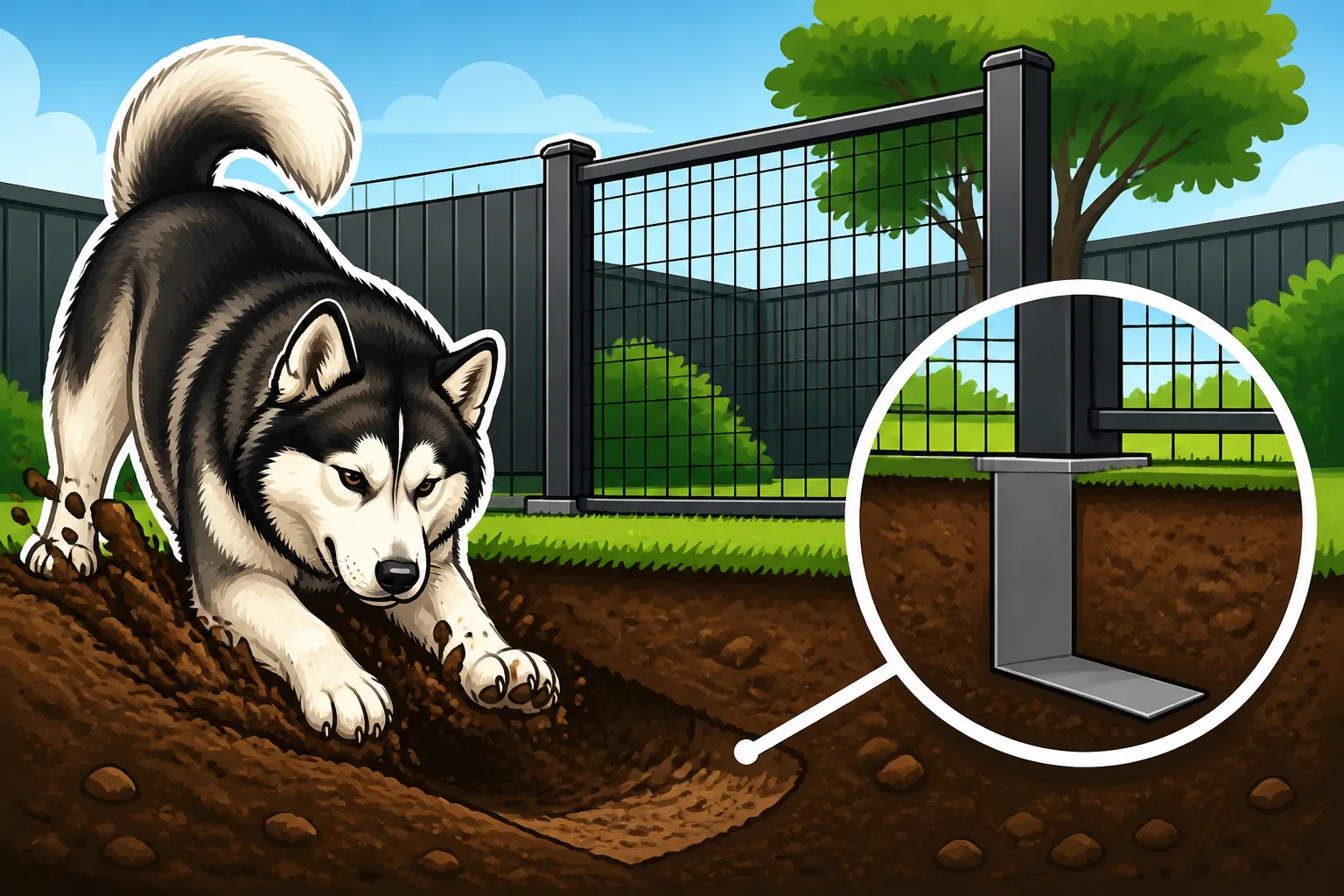
This is arguably the most crucial aspect of Malamute-proofing your yard. If your Malamute can't go over, they will absolutely try to go under. Simply burying the fence posts isn't enough; you need a continuous, robust barrier that extends significantly below the ground level, often into a material they cannot easily dig through. A common and highly effective method is to create an "L-footing" or "dig apron." This involves burying a section of wire mesh (like heavy-gauge welded wire) horizontally, extending inward from the fence line by at least two to three feet, and then burying it under soil or gravel. When your Malamute digs at the fence, they hit this horizontal barrier, which discourages them from continuing.
Another robust option is to pour a concrete footer along the entire fence line. This is a significant undertaking but creates an impenetrable barrier below ground. The concrete should extend at least 12-18 inches deep and ideally be flush with the bottom of the fence panels. For those seeking a less permanent or costly solution than a full concrete footer, burying heavy-gauge galvanized welded wire mesh vertically along the entire fence line, extending 18-24 inches deep, can be effective. This acts as a continuous underground wall that your Malamute cannot chew through or easily move. Regardless of the method, the goal is to eliminate any weak spots where your Malamute might be able to start an excavation project.
Choosing the Right Materials for Durability
The strength and longevity of your fence materials are paramount. Cheap, flimsy materials will not stand up to the sheer power and determination of an Alaskan Malamute. You'll want to invest in materials that can withstand chewing, pushing, and the general wear and tear of a large, active dog. When you're sourcing robust materials like heavy-gauge welded wire or specialized fence anchors, online retailers like Chewy can be a convenient option.
Heavy-gauge chain link (at least 9 gauge) is a common choice, especially if reinforced and properly installed. The key is "heavy-gauge" – lighter gauges are simply too flexible and can be bent or even torn by a persistent Malamute. Welded wire panels, often used for livestock or dog kennels, are an even better option as they are more rigid and harder to climb. The individual wires are welded together, preventing them from being separated easily, unlike chain link. For solid panel fencing, such as wood or vinyl, ensure the posts are set deeply in concrete and the panels themselves are thick and securely attached, with no gaps or loose sections that can be leveraged. The material needs to be something your Malamute cannot easily chew through or push aside, offering a formidable physical barrier against their formidable digging abilities.
Beyond the Basics: Advanced Dig-Proofing Techniques
Sometimes, even with the best intentions and a well-built fence, a Malamute finds a way. That's when you might need to bring in some advanced strategies to really seal the deal and make your yard a truly Malamute-proof zone.
Creating a Digging Barrier with Aprons and Gravel
We've touched on the L-footing, but let's dive a little deeper into how effective these dig aprons can be. Imagine your Malamute starts digging at the fence line, full of enthusiasm. Instead of hitting soft dirt and continuing their tunnel, they hit a sturdy, buried wire mesh apron that extends a couple of feet into the yard. This immediately frustrates their efforts. The ground under the apron can be compacted or even layered with small, sharp gravel, making the digging experience even less appealing. This method works by discouraging, rather than just blocking, their natural instinct.
You can construct these aprons using heavy-duty galvanized welded wire panels, which are much more rigid than rolled wire. They are laid flat on the ground along the fence base, secured with landscape staples or rebar, and then covered with soil or gravel. This not only prevents digging directly at the fence but also deters them from starting a tunnel a foot or two away and angling it under. The combination of the barrier and the uncomfortable sensation of digging through gravel can often be enough to make them give up and seek other, more productive, activities.
Using Hot Wire or Electric Fencing as a Deterrent
Now, this is where things can get a little more serious, and it's certainly not for every owner or every Malamute. Hot wire or low-voltage electric fencing can be an incredibly effective deterrent for those truly persistent escape artists. This isn't about causing pain, but rather creating an unpleasant surprise that teaches your Malamute to avoid the fence line. It's an invisible boundary that reinforces the physical one.
The key is proper installation and a low-voltage system designed for pets, not livestock. You'd typically run one or two strands of hot wire along the inside base of your existing fence, just a few inches off the ground. When your Malamute's nose or paw touches it while attempting to dig or investigate, they receive a mild, harmless shock. This quickly teaches them that the fence line is not a fun place to explore with their digging paws. It's a psychological barrier that complements the physical one. However, it requires careful monitoring to ensure safety, especially if you have children or other pets, and should always be introduced with caution and under guidance from a professional trainer or an experienced Malamute owner.
The Role of Landscaping and Hardscaping
Sometimes, the solution isn't just about the fence itself, but about the environment surrounding it. Strategic landscaping and hardscaping can make digging at the fence line a much less appealing prospect for your Malamute. Consider creating a border of large, heavy rocks or paving stones directly along the inside base of your fence. If your Malamute tries to dig, they immediately hit these immovable objects, making progress impossible and deterring further attempts.
Beyond physical barriers, thoughtfully designed planting can also help. While a Malamute will likely just bulldoze through delicate flowers, thorny bushes or dense, established shrubs planted along the fence line can make it less inviting for them to linger and start digging. Just ensure the plants are non-toxic to dogs. Similarly, integrating pathways or patios near the fence can reduce available digging areas. This approach turns problem areas into functional, aesthetically pleasing parts of your yard that coincidentally deter digging, creating a space where a Malamute's digging tendencies are redirected, or at least thwarted by design.
Designing a Secure Outdoor Space: Runs and Kennels
For some Malamute owners, especially those with multiple dogs or those who need an extra layer of security, a dedicated kennel run or even a fully enclosed space becomes an invaluable part of their property. These aren't just cages; they're secure, purpose-built environments.
Building a Dedicated Malamute Kennel Run
A well-constructed kennel run can be a lifesaver, offering a safe and secure area where your Malamute can exercise and relieve themselves without access to the full yard or the opportunity to test the main fence line. When building a run, think robust. The walls should be made of heavy-gauge welded wire panels or sturdy chain link, at least six feet high, ideally with an inward-leaning top or even a full roof. The gauge and welding are crucial, as is the installation method. For panels, ensure they are securely bolted or clamped together, leaving no gaps or weak points.
The foundation of the kennel run is paramount. Just like with your main fence, the digging instinct remains strong within a confined space. The most secure runs feature a concrete slab floor, poured with a slight slope for drainage. This completely eliminates any possibility of digging out. If a concrete slab isn't feasible, you'll need to implement the same below-ground digging deterrents discussed earlier – buried wire aprons, L-footings, or deep vertical barriers. Remember, a determined Malamute will meticulously explore their boundaries. You might also want to research what a kennel run for a Malamute costs to build, as it's an investment, but often a worthwhile one for peace of mind.
Considerations for an Overhead Cover
While often overlooked, an overhead cover for a Malamute kennel run can provide significant benefits, especially for the most ambitious climbers or for environmental control. For Malamutes known to scale fences, even tall ones, a full roof provides the ultimate climbing deterrent. It completely eliminates the possibility of them going over the top. This also offers protection from the elements, whether it's harsh sun, rain, or snow, making the run a more comfortable and usable space year-round.
The roof can be constructed from various materials, such as shade cloth, tarps, or solid roofing panels, depending on your climate and needs. Solid roofing provides full weather protection, while shade cloth offers sun protection and allows for better airflow, which is crucial for these double-coated dogs in warmer weather. If using solid panels, ensure adequate ventilation to prevent overheating. Even without a full escape concern, an overhead cover provides shade that can prevent your Malamute from trying to dig a cool hollow, addressing one of their primary motivations for digging. It's an investment in both security and their comfort.
Managing Digging Behavior Within a Secure Enclosure
Even with the most fortress-like fencing, a Malamute's intrinsic desire to dig won't simply disappear. The key to harmonious living is to channel that instinct into acceptable, non-destructive outlets rather than trying to eradicate it entirely.
Providing Acceptable Digging Outlets
Since we know that a Malamute's digging is an innate behavior, one of the most effective strategies is to give them a designated, approved place to dig. This is where the concept of a "dig pit" comes in. A dig pit is essentially a sandbox for your dog, a place where they are encouraged to dig to their heart's content without destroying your prize-winning petunias or undermining your fence. You can find detailed instructions on giving an Alaskan Malamute its own digging pit, but the basic idea is quite simple.
Choose a corner of the yard, perhaps away from the fence, and define a space for the pit. You can build a simple wooden frame, similar to a child's sandbox, or just clearly delineate the area. Fill it with sand, loose soil, or even a mix of both. To encourage your Malamute to use it, initially bury some high-value treats, favorite toys, or even a robust chew bone within the pit. Guide them to the spot and show them how fun it is to dig there. Consistently redirecting them to their dig pit every time you catch them digging elsewhere will reinforce that this is their digging spot. This satisfies their natural urge while preserving the rest of your yard.
Enriching the Environment to Reduce Boredom Digging
A bored Malamute is a destructive Malamute, and one of their favorite destructive outlets is digging. Alaskan Malamutes are highly intelligent and were bred for physically and mentally demanding work. If they're not getting enough mental and physical exercise, they'll invent their own activities, and those activities rarely align with your landscaping goals. Think about what an Alaskan Malamute needs every day; it's a lot more than a quick walk around the block.
To combat boredom digging, you need to enrich their environment significantly. This means plenty of physical exercise – long walks, hikes, or even structured pulling activities like carting or canicross if they're conditioned for it. Mental stimulation is equally important. Puzzle toys, interactive feeders, scent games, and regular training sessions can engage their minds and tire them out in a different way. If your Malamute has a job to do, even if it's just figuring out how to get treats out of a Kong or learning new cues, they are less likely to devote their considerable energy to digging tunnels under your fence. A tired Malamute is often a happy, less destructive Malamute.
Supervision and Training as Reinforcement
Even with the most secure fence and engaging activities, consistent supervision and training are still critical components of managing digging behavior. A fence is a physical barrier, but training builds a mental one. You need to be present and consistent in teaching your Malamute what is acceptable and what is not. This means active engagement when they are in the yard, especially during the adolescent phase when an adolescent Malamute rewrites the rules at fourteen months.
When you're outside with your Malamute, keep an eye on them. If you see them starting to dig outside their designated pit, immediately interrupt them with a verbal cue like "leave it" or "no dig," and then redirect them to their dig pit or an appropriate toy. Reward them heavily when they choose the correct activity. Positive reinforcement is key; harsh punishment can damage your bond and make them more covert in their digging. Consistency is paramount. Everyone in the household needs to be on the same page with commands and redirection. Over time, your Malamute will learn the boundaries, both physical and behavioral, even if the urge to dig remains a part of their charming, complex personality.
Cost Implications of Malamute-Proof Fencing
Let's be real: owning an Alaskan Malamute is not a budget hobby, and securing your yard against their legendary digging skills is a significant part of that investment. It's easy to look at the upfront costs and feel overwhelmed, but it's essential to consider the long-term perspective.
Initial Investment vs. Long-Term Savings
The sticker shock of installing a truly Malamute-proof fence can be considerable. High-quality materials, deep installation, and professional labor for specialized features like concrete footers or L-footings will certainly add up. However, this initial investment should be viewed as a proactive measure that saves you money, stress, and heartache in the long run. The cost of patching a fence pales in comparison to an emergency vet visit if your Malamute gets hit by a car or gets into a fight after an escape. This is where investing in pet insurance, perhaps from a provider like Healthy Paws, really pays off.
Consider the alternatives: repeated escapes often lead to fines from animal control, potential legal liabilities if your Malamute damages property or injures another animal (you can read more about whether a Malamute owner is liable for a killed cat), and the constant anxiety of a missing pet. Then there's the cost of repairing the damage your Malamute does to your own yard, which can be substantial if they turn your lawn into a lunar landscape. Investing in a robust fence upfront prevents these ongoing costs and protects your property, your Malamute, and your peace of mind. It's not just a fence; it's an insurance policy.
Factors Influencing Fencing Costs
Several factors will significantly influence the total cost of your Malamute-proof fence project. The choice of materials is a major one; heavy-gauge welded wire or high-quality wood with deep concrete footings will naturally be more expensive per linear foot than standard chain link or lightweight panels. The height of the fence also plays a role, as taller fences require more material and often more robust structural support. Specialized features like inward-facing extensions, coyote rollers, or extensive below-ground digging barriers (concrete aprons, buried mesh) add to both material and labor costs.
The size of your yard and the terrain are also critical. A larger perimeter means more materials and more labor. If your yard has uneven ground, significant slopes, or challenging soil conditions (e.g., rocky or clay-heavy), installation will be more complex and therefore more expensive. Finally, whether you DIY the project or hire professionals will drastically impact costs. While DIY can save on labor, a professional installer has the experience and equipment to ensure a truly secure and long-lasting fence, often worth the added expense for the peace of mind and structural integrity.
Budgeting for Maintenance and Upgrades
Even the most robust Malamute-proof fence isn't a "set it and forget it" solution. Regular maintenance is crucial to ensure its long-term integrity and effectiveness. Over time, weather, shifting ground, and your Malamute's persistent nature can take their toll. Posts can loosen, wire can sag, and even concrete can crack. You'll need to regularly inspect the entire fence line, paying close attention to the base for any signs of digging attempts or weaknesses. This includes checking the gate latches – a cunning Malamute can often figure out how to open simple latches, so invest in sturdy, multi-step locks.
Budgeting for occasional repairs or upgrades is a smart move. This might involve re-cementing a loose post, patching a section of damaged wire, or reinforcing an area where your Malamute has shown particular interest. The cost of repairing a fence a Malamute dug out might seem minor if it's just a small patch, but neglecting it can lead to a full-blown escape and potentially far greater costs. Proactive maintenance will extend the life of your fence and keep your Malamute safely contained, preventing small problems from escalating into major security breaches.
Disclaimer
This article is for general informational purposes only and does not constitute professional advice. Laws, prices and regulations vary by location and change over time. Consult a qualified professional for guidance on your specific situation.