Whether an Old Alaskan Malamute Feels the Cold
Senior Alaskan Malamutes experience decreased cold tolerance because slower metabolisms and thinning coats reduce internal heat production.
The daily stuff, done right.
Feeding amounts by life stage, coat and skin routines, dental and nail care, exercise needs, and what changes as they age.
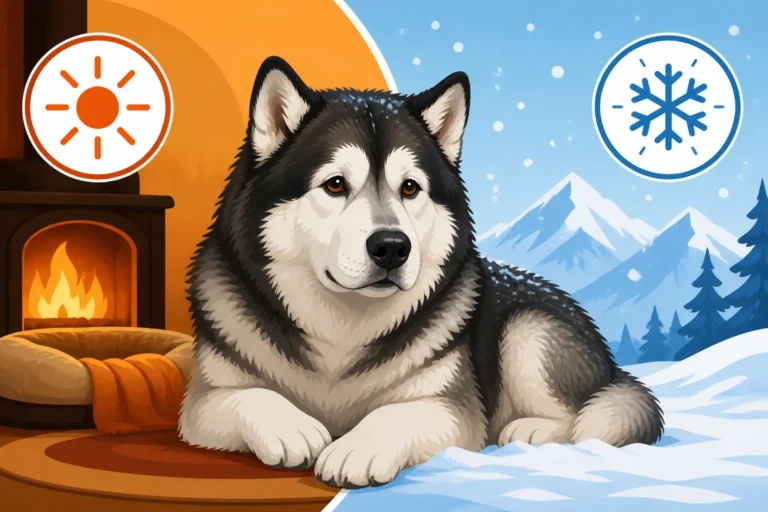
Senior Alaskan Malamutes experience decreased cold tolerance because slower metabolisms and thinning coats reduce internal heat production.
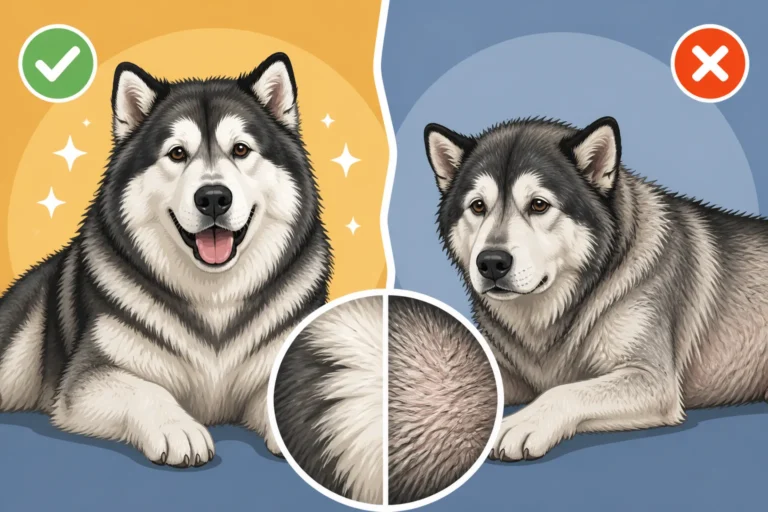
Aging Alaskan Malamute coat thinning is explained, distinguishing normal age-related changes from health issues requiring veterinary care.
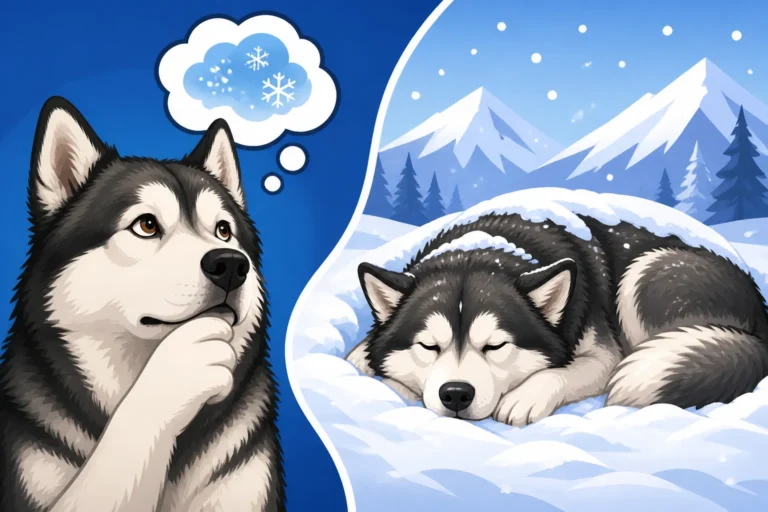
Alaskan Malamute cold weather survival traits, dense double coats, and ancestral instincts explain their snow sleeping habits.
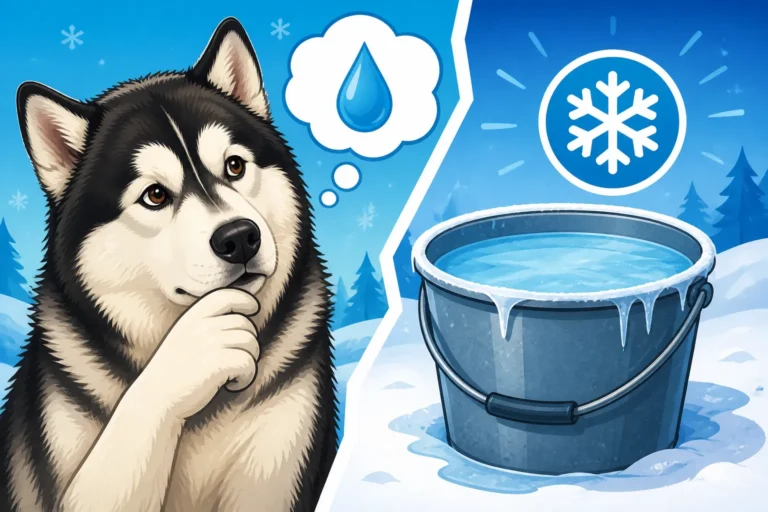
Alaskan Malamute winter hydration needs and practical solutions keep outdoor water from freezing during cold weather.
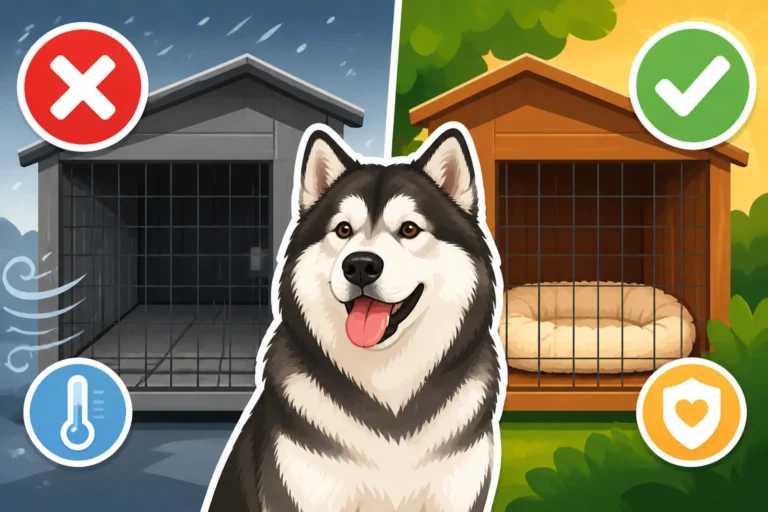
Alaskan Malamute outdoor kennel bedding prevents joint pain and conductive heat loss despite their thick double coat.

Alaskan Malamute ear health relies on upright ears and sparse ear canal hair, meaning routine cleaning is rarely necessary.
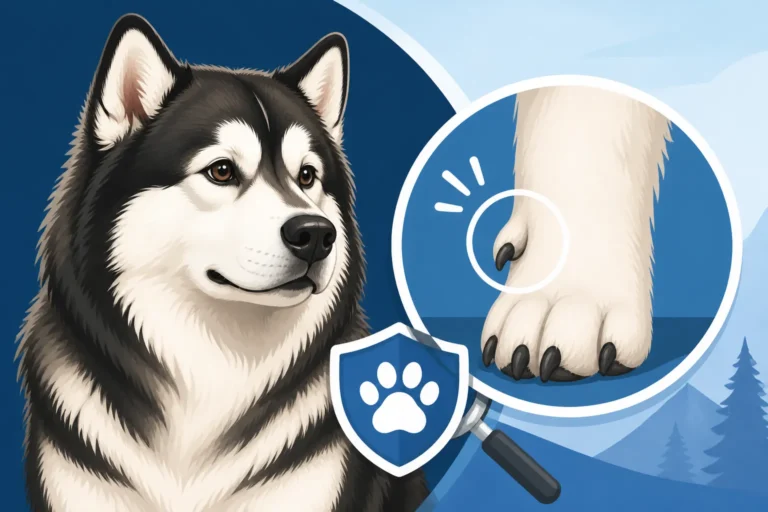
Alaskan Malamute dewclaws require proper care and regular length monitoring to prevent painful overgrowth, curling, and injuries.
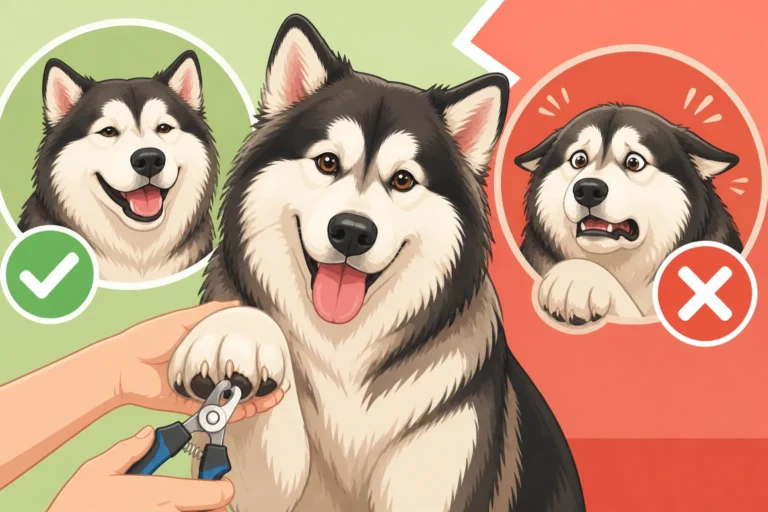
Alaskan Malamute nail trim tolerance involves natural instincts, thick claws, and handling sensitivity that explains grooming resistance.
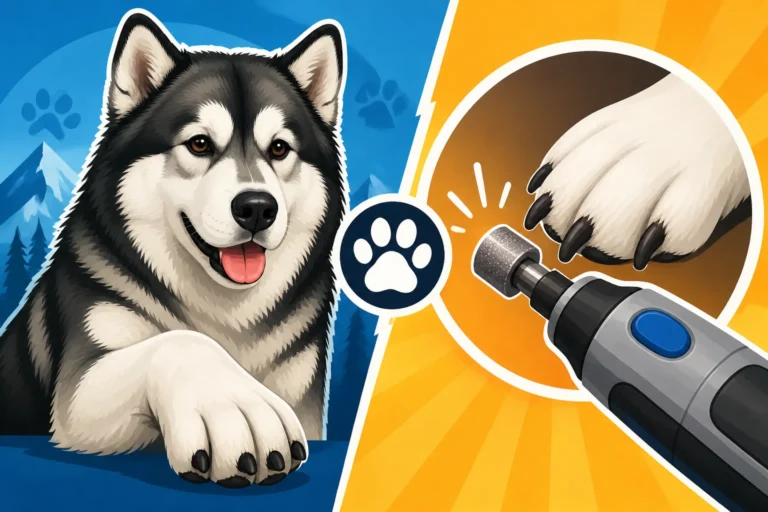
Alaskan Malamute nail care explains whether a rotary tool safely manages thick, fast-growing claws without causing pain.
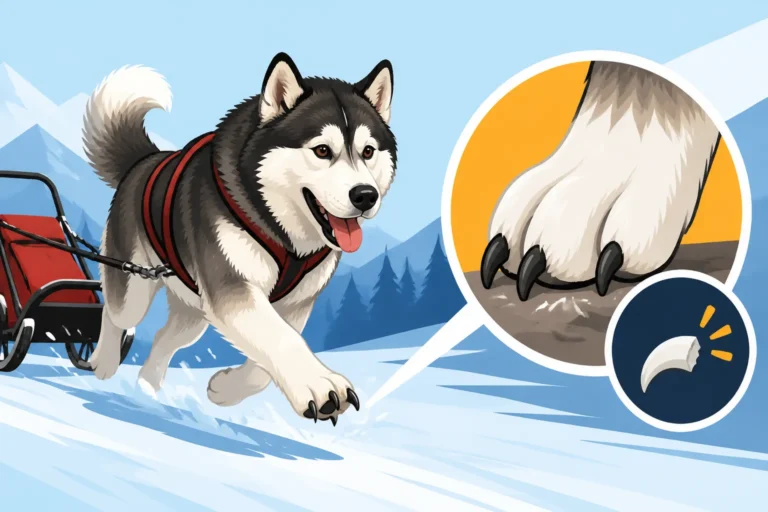
Alaskan Malamute nail wear during pulling activities depends on surfaces and duration, requiring regular trims despite active exercise.