Whether an Alaskan Malamute’s Dewclaws Need Watching
It's easy to overlook those seemingly insignificant digits on your Alaskan Malamute's legs, the dewclaws. Many new owners, and even some seasoned ones, wonder if these appendages truly need the same diligent care as the other nails. The truth is, ignoring them can lead to painful injuries and infections for your active companion. This guide will walk you through why these "extra" toes demand your attention, how to care for them properly, and what to do if trouble strikes.
What Exactly Are Alaskan Malamute Dewclaws?
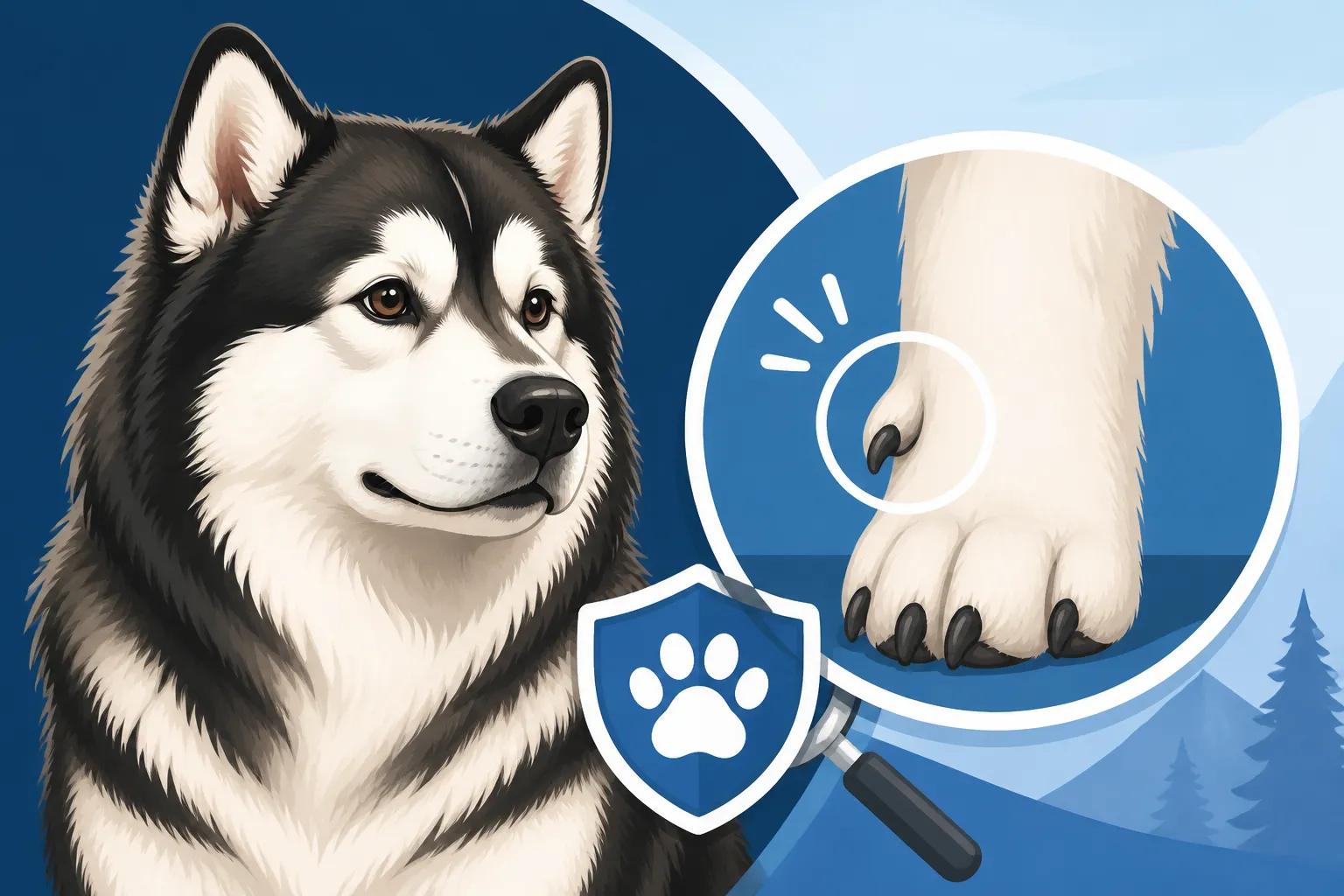
When you look at your Malamute's front legs, you'll often see a digit set a little higher up on the inside of the leg, not quite touching the ground when they stand. These are the dewclaws, and they’re essentially the equivalent of our thumbs, albeit in a very different position and with varying degrees of functionality. While some breeds have them on their hind legs as well, they are far less common there for Malamutes, and when present, they are often loosely attached and offer even less functional purpose.
The Anatomy of a Malamute's Dewclaw
A Malamute's front dewclaws are typically attached by bone and muscle, making them quite sturdy, though they don't bear weight in the same way the other four toes do. They consist of a nail, a quick (the living tissue with blood vessels and nerves), and the toe itself. Because they don't make contact with the ground during typical movement, they don't experience the natural wear and tear that helps keep a Malamute's other nails shorter. This is a critical distinction that leads to most of the problems associated with them. Think about how your dog's other nails naturally abrade on pavement or rough terrain; the dewclaw misses out on all that natural filing.
Do They Serve Any Purpose for Such an Active Breed?
While often considered vestigial, meaning they've lost their original function over evolutionary time, front dewclaws can still serve some minor purposes for an Alaskan Malamute. When running at high speeds or making sharp turns, some dogs use them to gain extra traction, much like a soccer player's cleats. They can also provide a small amount of grip when the dog is climbing, especially on uneven terrain or when gripping something to chew on. For a breed bred for freighting and navigating varied landscapes, any minor assistance in grip could have historically been beneficial. However, for most domestic Malamutes, these functions are minimal, and their primary significance lies in the care they require to prevent issues. Understanding this limited function helps us appreciate why they need us to manage their length.
The Hidden Dangers of Overlooked Dewclaws
Because Malamutes are such robust, active dogs, we often focus on their main paws and pads, especially if they're pulling or hiking. But those higher-up dewclaws can quickly become an unseen hazard if not regularly monitored. The fact that they don't wear down naturally is their biggest Achilles' heel, leading to a cascade of potential problems that can be incredibly painful for your dog.
Overgrowth: The Curling Claw Nightmare
The most common issue with neglected dewclaws is overgrowth. Unlike the other nails, which might get ground down by daily walks, the dewclaw continues to grow unchecked. Imagine letting your own fingernails grow without ever trimming them – eventually, they'd start to curl. For a dog, this curling can become extreme. The nail can grow so long that it starts to curve inward, eventually piercing the paw pad directly behind it. This isn't just uncomfortable; it's an open wound, susceptible to infection, and intensely painful with every step your Malamute takes. A dog experiencing this might limp, lick its paw excessively, or become reluctant to put weight on the affected leg. You might not even realize what's happening until the nail has deeply embedded itself, as the Malamute's thick coat can obscure the problem for a while.
Snagging and Tearing: An Active Malamute's Risk
Alaskan Malamutes are built for action. They love to run, dig, and explore. This active lifestyle, while wonderful for their physical and mental well-being, puts untrimmed dewclaws at high risk for snagging. Imagine your Malamute barreling through brush, digging enthusiastically in the yard, or playing rough with another dog. A long dewclaw can easily catch on a root, a piece of fencing, thick carpet, or even another dog's collar during play.
When a dewclaw snags, it can result in a partial or complete tear. This is an incredibly painful injury, often causing profuse bleeding, and it can leave the nail bed exposed and vulnerable. A torn dewclaw will usually require veterinary attention, potentially involving sedation to remove the damaged nail cleanly and administer pain relief and antibiotics. This isn't just a minor inconvenience; it's an emergency that could sideline your working dog and cause significant distress. Remember, even a robust Malamute can suffer greatly from such an injury. The Age an Alaskan Malamute Counts as a Senior might make a dog less prone to these types of injuries, but younger, more energetic dogs are at higher risk.
Infections and Other Complications
Any wound, especially on a paw that comes into contact with the ground, is a breeding ground for bacteria. An ingrown dewclaw or a torn dewclaw can quickly become infected. You might notice swelling, redness, pus, or a foul odor around the dewclaw area. The Malamute might be in visible pain, further licking the area, which only makes the infection worse. Left untreated, a localized infection can spread, potentially leading to more severe conditions like cellulitis or even systemic infections. Beyond direct injury, overgrown dewclaws can also alter a Malamute's gait slightly, putting undue stress on other joints as they try to compensate for the discomfort. This is particularly true for a breed like the Malamute, which needs strong joints for its intended purpose. Hip Dysplasia in an Alaskan Malamute and other joint issues are already concerns, and gait alterations from neglected nails can exacerbate these problems.
Keeping Those Dewclaws Trim and Trouble-Free
The good news is that preventing dewclaw problems is relatively simple with a consistent care routine. It mostly involves regular inspection and proper trimming, making it a manageable part of your Malamute’s overall grooming and health regimen. Think of it as just another facet of Feet, Pads and Nails on an Alaskan Malamute That Pulls.
Regular Inspection: Your First Line of Defense
Making dewclaw inspection a routine part of your grooming schedule is key. Aim to check them at least once a week, especially if your Malamute is highly active or prone to digging. Gently lift each front paw and carefully examine the dewclaw. Look for:
- Excessive length: Is the nail starting to curl or look unusually long compared to its natural curve?
- Redness or swelling: Are there any signs of inflammation around the base of the nail or on the pad?
- Sore spots: Is your Malamute sensitive when you touch the dewclaw area?
- Discharge or odor: Any pus, blood, or unpleasant smell indicates a potential infection.
- Cracks or chips: Sometimes, even without snagging, the nail can crack, leading to discomfort.
A quick visual check and gentle palpation can save your Malamute a lot of pain down the line. It's a small investment of time for a big payoff in comfort.
The Art of Trimming Malamute Dewclaws
Trimming dewclaws is similar to trimming other nails but requires a little extra attention because of their position. The goal is to keep the nail short enough so it doesn't curl back into the pad or become a snagging hazard.
Tools of the Trade:
- Guillotine or Scissor-style Clippers: Many owners find these effective. Brands like Safari or Miller's Forge are reliable and widely available on platforms like Chewy or Amazon. Make sure they are sharp to ensure a clean cut without crushing the nail.
- Dremel or Rotary Tool: For Malamutes who tolerate it, a Dremel can be excellent. It grinds the nail down gradually, reducing the risk of cutting the quick and allowing for smoother edges. Many people find the Dremel technique less stressful for their dogs once they're accustomed to the sound and vibration. You can find various models on Amazon, often with pet-specific attachments.
- Styptic Powder: Always keep this on hand. If you accidentally cut the quick, a pinch of styptic powder will quickly stop the bleeding.
Trimming Technique:
- Positioning: Have your Malamute lie down or stand comfortably. If they're wiggly, a second person to hold and distract with treats can be very helpful.
- Identify the Quick: The quick is the pinkish area within the nail, containing blood vessels and nerves. If your Malamute has clear nails, you might see it. For dark nails, trim small amounts at a time until you see a small black dot in the center, which indicates you're close to the quick.
- Angle: Trim straight across, or at a slight angle following the natural curve of the paw, ensuring the nail doesn't grow towards the pad.
- Small Increments: It's always better to take off too little than too much. Trim a small amount, then check. Repeat if necessary.
- Frequency: For most Malamutes, trimming dewclaws every 2-4 weeks is sufficient. However, some dogs might need it more or less frequently depending on their nail growth rate and activity levels. This is usually more frequent than How Often an Alaskan Malamute's Nails Need Cutting for the weight-bearing nails.
| Tool Type | Pros | Cons | Best For |
|---|---|---|---|
| Guillotine Clippers | Quick, efficient cuts; widely available. | Risk of cutting quick if not careful; can crush nail if dull. | Confident owners; well-behaved dogs. |
| Scissor Clippers | Easy to maneuver; good for larger, thicker nails. | Can be harder to see quick; risk of crushing. | Larger breeds; owners who prefer scissor action. |
| Dremel/Rotary Tool | Smooth finish; reduces quick injury risk; good for dark nails. | Noise/vibration can scare dogs; takes longer than clipping. | Anxious dogs; dark-nailed dogs; frequent maintenance. |
Remember, consistency is key. Make it a positive experience with lots of praise and treats. If you're unsure or uncomfortable, your veterinarian or a professional groomer can demonstrate the proper technique or handle the trimming for you.
Professional Help and Products for Paw Health
Sometimes, even with the best intentions, you might face challenges. If your Malamute is particularly resistant to nail trims, or if their nails are severely overgrown, don't hesitate to seek professional help. A vet tech or groomer has the experience and specialized tools to safely manage the situation. Many pet stores, like Chewy, offer a wide array of nail care products, including different types of clippers, Dremel attachments, and styptic powders. You can also find soothing paw balms there, which, while not directly for dewclaws, contribute to overall paw health and comfort.
When Dewclaws Go Wrong: Injuries and What to Do
Despite your best efforts, accidents can happen. A snagged or torn dewclaw, or one that's grown too long and caused an injury, needs immediate attention. Knowing what to look for and how to react can make a significant difference in your Malamute's comfort and recovery.
Recognizing a Dewclaw Injury
A Malamute is a stoic breed, often hiding pain until it becomes severe. However, certain signs can point to a dewclaw injury:
- Limping or favouring a leg: They might avoid putting full weight on the injured paw.
- Excessive licking or chewing: Directing attention to the dewclaw area.
- Visible bleeding: Even a small tear can bleed quite a bit due to the quick.
- Swelling or redness: Inflammation around the dewclaw, which might feel warm to the touch.
- Reluctance to walk or play: A general decrease in activity levels.
- Visible detachment or dangling nail: Part or all of the nail may be separated from the quick.
If you notice any of these signs, especially after an active outdoor session or a vigorous play, check the dewclaw immediately.
First Aid at Home for Minor Issues
For very minor issues, like a small chip or slight discomfort, you can try some basic first aid:
- Clean the area: Gently clean any dirt or debris from around the dewclaw with a mild antiseptic solution or warm, soapy water. Pat dry.
- Stop bleeding: If there's minor bleeding, apply direct pressure with a clean cloth for several minutes. Styptic powder (available on Amazon or Chewy) is highly effective for stopping nail bleeding.
- Protect the paw: If the Malamute is licking, you might need an Elizabethan collar (e-collar) to prevent them from irritating the area further.
- Monitor: Keep a close eye on the dewclaw for any signs of infection (redness, swelling, pus, foul odor).
However, it's crucial to understand the limitations of home care. If the injury is more than superficial, or if you suspect an infection, a vet visit is essential.
When to Seek Veterinary Attention
You should always consult your veterinarian for the following dewclaw issues:
- Deeply Ingrown Nail: If the nail has pierced the paw pad, it requires professional removal and cleaning to prevent infection and promote healing.
- Partial or Complete Nail Avulsion (Tear): These are often very painful and bleed profusely. Your vet may need to sedate your Malamute to fully remove the damaged nail, clean the wound, and apply a bandage. They'll also likely prescribe pain medication and antibiotics to prevent infection.
- Signs of Infection: Any swelling, redness, pus, or persistent foul odor warrants immediate veterinary attention. These infections can be quite stubborn and require prescription medications.
- Limping or Severe Pain: If your Malamute is clearly in significant pain or unable to bear weight, it's a clear signal to visit the vet.
Sometimes, for recurring issues or if a dewclaw is repeatedly injured, a veterinarian might discuss surgical removal of the dewclaws (dewclawectomy). This is a more permanent solution, typically considered only after other preventative measures have failed or if the dog's quality of life is significantly impacted by recurrent injuries. It's a decision to make in careful consultation with your vet, considering the pros and cons for your individual Malamute. The Health Tests Both Alaskan Malamute Parents Should Have might not specifically mention dewclaws, but it highlights the importance of proactive health management.
Taking proactive steps to care for your Alaskan Malamute's dewclaws is a small but significant part of responsible ownership. It can prevent a lot of pain and costly vet visits down the road, ensuring your strong, active companion stays happy and healthy for all their adventures.
Disclaimer
This article is for general informational purposes only and does not constitute professional advice. Laws, prices and regulations vary by location and change over time. Consult a qualified professional for guidance on your specific situation.