Feet, Pads and Nails on an Alaskan Malamute That Pulls
Few things are as integral to an Alaskan Malamute's well-being and performance as the health of their feet, pads, and nails. These magnificent dogs were bred for heavy freighting over challenging terrain, and their paws are truly their foundation. Neglect them, and you risk not just discomfort, but serious injury that can sideline your powerful companion. This guide dives deep into caring for the crucial aspects of your Malamute's paws, ensuring they remain robust and ready for whatever adventure you throw their way.
The Foundation: Understanding the Malamute's Paws
Before we can even begin to think about care, we need to really appreciate what we're working with. A Malamute's paw isn't just any paw; it's a marvel of natural engineering, meticulously designed over centuries to excel in some of the harshest environments on Earth. Understanding this foundation is the first step to providing the best possible care for your dog.
Built for the Arctic: The Anatomy of a Malamute Paw
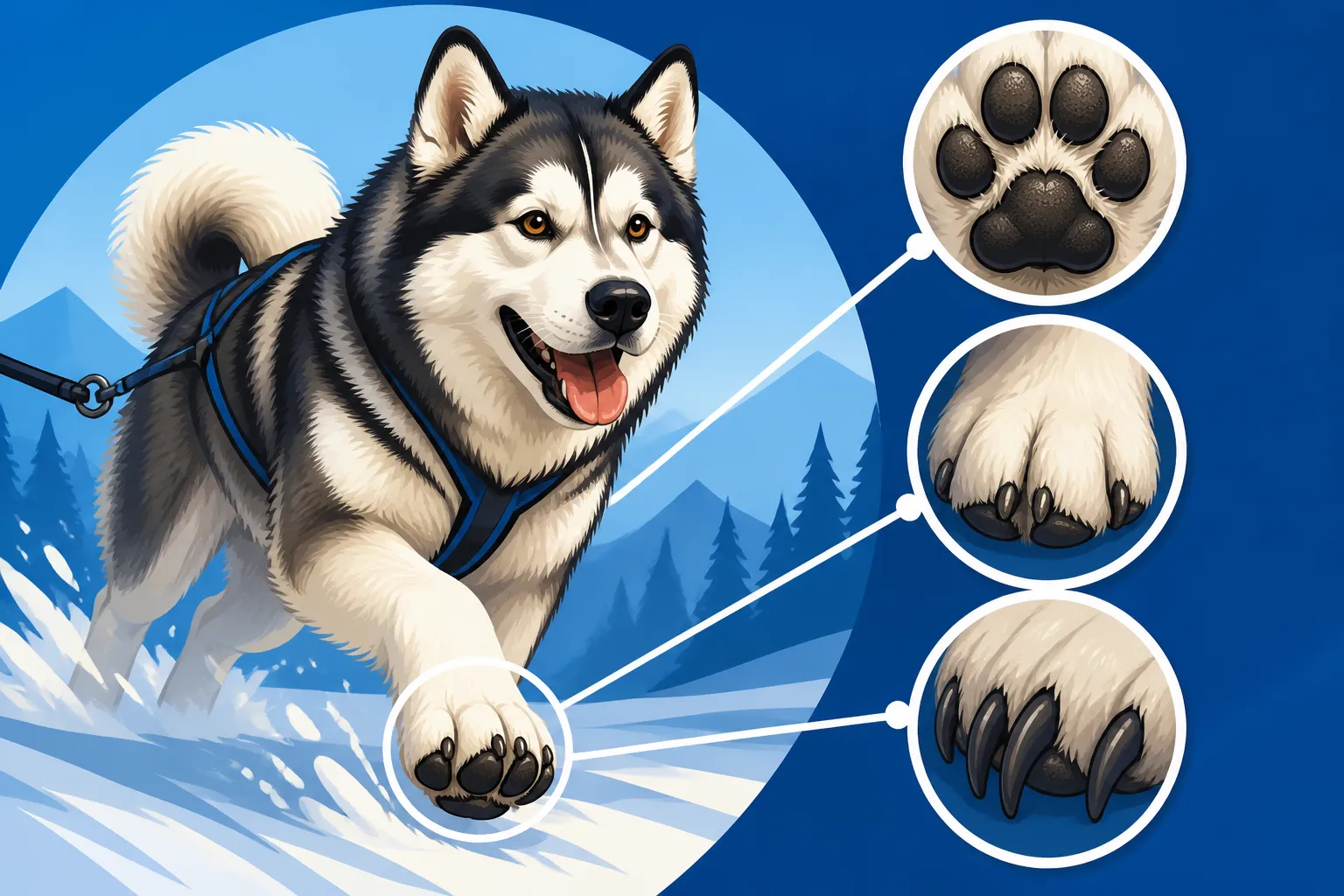
Take a moment to truly examine your Malamute's paw. You'll notice immediately that it's substantial, well-padded, and tightly knit. The pads themselves are incredibly thick and tough, almost like specialized shock absorbers and grippers all in one. Beneath that thick exterior, there's a dense layer of fatty tissue that provides insulation against extreme cold. Imagine walking barefoot on ice – your Malamute’s pads are equipped to handle that with relative ease, a testament to their heritage. The webbing between their toes is also more pronounced than in many other breeds, acting like tiny snowshoes, distributing their weight more effectively over soft snow and ice, preventing them from sinking too deeply. This unique structure allows them to maintain excellent traction on slippery surfaces and provides a vital barrier against the cold. It's truly a testament to how perfectly suited they are to their original purpose.
Their strong, well-arched toes and thick nails are designed for digging and gripping, giving them stability on uneven ground. When you see your Malamute effortlessly navigating a rocky trail or a patch of ice where other breeds might slip and slide, it's not just their balance; it's their feet doing the heavy lifting, providing that innate advantage. The bones in their paws are stout and strong, capable of supporting their substantial body weight and the additional loads they were historically bred to pull. It’s a design that speaks volumes about their endurance and resilience.
The Weight of the World: Why Strong Paws are Non-Negotiable for Pulling
For an Alaskan Malamute that engages in their natural calling – pulling – the health and strength of their paws move from important to absolutely critical. When a Malamute is pulling a sled, a cart, or even you on skis, the forces exerted on their paws are immense. Each stride involves pushing off with incredible power, and the pads bear the brunt of friction, impact, and traction. Think of a human athlete's feet during an intense workout; now imagine that magnified by the Malamute’s size and the unique demands of pulling heavy loads.
If the pads are dry, cracked, or thin, they are much more susceptible to tears, abrasions, and bruising. A compromised paw can quickly lead to lameness, pain, and a complete inability to work. It's not just about comfort; it's about preventing serious injury. A Malamute with healthy, supple pads can withstand miles of varying terrain, from gravel roads to snowy trails, while a dog with neglected paws might suffer after just a short outing. The difference between a Malamute enjoying a leisurely walk in the park versus one digging in to haul a heavy freight rig is colossal in terms of paw stress. For those who engage in activities like freighting or skijoring, a strong paw isn't just a nicety; it's the engine that drives their performance and ensures their longevity in the sport. You want your Malamute to be able to How Much Weight a Malamute Can Safely Pull for years to come, and that starts with their feet.
Common Paw and Pad Challenges for Working Malamutes
Even with their naturally robust paws, working Malamutes face specific challenges due to the nature of their activities and the environments they often navigate. Being aware of these common issues allows you to be proactive and address problems before they escalate into serious health concerns. It’s a reality of owning these powerful dogs; their zest for work means their feet are constantly put to the test.
Cracks, Tears, and Abrasions: The Everyday Hazards
One of the most frequent issues we see with active Malamutes is damage to their paw pads. This isn't just a minor scrape; these pads are their direct interface with the ground, and any compromise can be debilitating. Causes are varied but often include walking or pulling on abrasive surfaces like rough asphalt, gravel, or icy terrain with sharp edges. Hot pavement in summer is a notorious culprit, literally burning and blistering pads, which can then crack and peel. Prolonged activity without adequate conditioning can also wear down pads prematurely, making them more vulnerable. It’s a heartbreaking sight to see your powerful Malamute limping, refusing to put weight on a paw, or incessantly licking at a damaged pad because of a seemingly simple tear or abrasion.
The symptoms are usually quite obvious: your dog might start to limp or favor a particular paw, especially after activity. You might observe them licking or chewing at their foot more than usual. A visual inspection might reveal visible cracks, deep cuts, missing chunks of pad, or raw, red areas. Sometimes, they might bleed, leaving small spots on the floor or snow. These injuries are painful and can easily become infected if not cleaned and treated promptly. Imagine running a marathon barefoot over varied terrain; your feet would be screaming! A Malamute's pads are tough, but they're not invincible, and they need our vigilance to stay intact.
Ice Balls and Snow Buildup: Winter Woes
While Malamutes are built for winter, certain aspects of their magnificent coat can sometimes work against them, particularly around their feet. Their dense fur, especially the longer hair between their paw pads, is a magnet for snow and ice. As they run and play in snowy conditions, this fur collects snow, which then compacts and freezes into hard, painful ice balls. These ice balls act like tiny, sharp stones wedged between their toes, causing immense discomfort, splaying their toes unnaturally, and leading to chafing, cuts, and even lameness. It's like having pebbles in your shoes, but infinitely worse because it freezes solid and pulls at their skin.
Preventing ice balls is a crucial part of winter paw care. Regularly trimming the fur between their pads can significantly reduce the amount of snow that accumulates. Applying a protective paw balm or wax (many available on Chewy or Amazon!) before heading out can also create a barrier that repels snow and prevents adhesion. And, of course, booties are an excellent solution, offering a physical barrier against snow and ice. I've been on many a winter trail where a Malamute stops dead, lifts a paw, and just looks at you with a desperate plea – a clear sign of an uncomfortable ice ball needing removal. Quick inspection and removal on the trail can save them from prolonged discomfort and potential injury. Whether a Malamute Needs Booties for Pulling is a question many owners face when winter arrives.
Overgrown Nails: More Than Just a Clicky Floor
The sound of your Malamute's nails clicking on the hardwood floor isn't just annoying; it's a sign of a problem that can significantly impact their health and mobility, especially for a working dog. Overgrown nails are more than an aesthetic issue. When nails are too long, they push back into the nail bed, putting pressure on the paw bones and forcing the toes to splay. This alters their natural gait, making them walk on the backs of their feet rather than their pads. This unnatural posture can lead to joint pain, arthritis over time, and even hip issues, particularly in a breed prone to Hip Dysplasia in an Alaskan Malamute.
For a Malamute that pulls, long nails are a distinct disadvantage. They reduce traction, making it harder for them to grip the ground efficiently. Imagine trying to pull a heavy load when your "brakes" are always on, or your "grip" is compromised. It puts extra strain on their muscles and tendons. Furthermore, long nails are far more prone to snagging on roots, rocks, or other obstacles, leading to painful splits or tears that can expose the quick and cause severe bleeding and potential infection. I've heard horror stories of a Malamute snagging a nail while running, resulting in a fractured toe and weeks of recovery. Consistent nail care is an unsung hero in maintaining your Malamute's overall structural integrity and ability to perform their job comfortably. How Often an Alaskan Malamute's Nails Need Cutting is a question every Malamute owner should know the answer to.
Proactive Paw Care: Essential Routines
Staying ahead of paw problems is always easier than treating them once they’ve become serious. Establishing a regular, proactive paw care routine is one of the kindest things you can do for your active Malamute. It not only keeps them comfortable but also strengthens your bond as they learn to trust your handling of their sensitive feet.
Daily Checks and Gentle Cleaning
Incorporating a quick paw check into your daily routine is simple but incredibly effective. After every walk, run, or pulling session, take a few minutes to sit down with your Malamute and carefully inspect each paw. What are you looking for? Foreign objects lodged between the pads or toes, such as thorns, small stones, burrs, or bits of gravel. Look for any signs of swelling, redness, cuts, abrasions, or tenderness. Gently palpate each pad, feeling for heat or unusual lumps. Pay attention to how they react – do they pull away or seem sensitive in a particular spot?
If you find anything, address it immediately. Small debris can often be carefully removed with tweezers. For general cleaning, especially if they’ve been in mud, dirt, or on salted roads, a quick rinse with warm water is usually sufficient. You can also use a mild, pet-safe soap if needed, ensuring you rinse thoroughly to avoid skin irritation. Drying their paws completely, especially between the toes, helps prevent moisture-related issues like yeast infections. This routine isn't just about finding problems; it's about conditioning your Malamute to tolerate paw handling, making future nail trims or injury treatments much less stressful. Think of it like brushing your own teeth daily – small effort, big payoff.
Keeping the Fur Trimmed Between the Pads
That beautiful, dense Malamute coat extends right down to their paws, and while it's great for insulation, the fur between their pads can become a nuisance. Untrimmed paw fur can mat, collecting dirt, debris, and moisture. In winter, as mentioned, it's a prime spot for painful ice balls to form. In summer, it can trap heat and create a breeding ground for yeast or bacterial infections if it stays damp. Keeping this fur neatly trimmed is a simple preventative measure that offers huge benefits.
To trim the fur, you'll need a good pair of blunt-nosed scissors or small, quiet clippers. Carefully lift each paw and gently spread the toes. Trim the fur flush with the pads, being extremely careful not to cut the pads themselves or the delicate webbing between the toes. Always point the scissors away from the pads. If your Malamute is not used to this, go slowly, offer plenty of treats, and do a little at a time. It’s better to do frequent, short sessions than one stressful marathon. For nervous dogs, clippers might be less intimidating than scissors, as long as they are quiet. This simple grooming task, often overlooked, contributes significantly to overall paw health and comfort. Regular upkeep will make your Malamute much happier on their adventures and prevent painful matting that would otherwise require professional intervention.
Moisturizing and Protecting Paw Pads
Just like our hands can get dry and cracked, so too can your Malamute's paw pads, especially with constant exposure to harsh elements. Dry, stiff pads are more prone to cracking and tearing, which, as we discussed, can be incredibly painful and difficult to heal. This is where moisturizing and protecting their pads comes in. Using a good quality paw balm or wax can make a world of difference. These products, often made with natural ingredients like beeswax, shea butter, or various oils, help to keep the pads supple, hydrated, and resilient. You can find excellent options on Chewy or even Amazon, and many independent pet supply stores carry them.
Apply paw balm before and after exposure to harsh conditions. Before a long walk on hot pavement, a winter trek through snow and ice, or a heavy pulling session on rough ground, a protective layer can help shield the pads from extreme temperatures and abrasion. After activity, it helps to soothe and rehydrate the pads, preventing dryness and promoting healing. Simply rub a small amount into each pad, working it gently into any cracks. Your Malamute might try to lick it off, so it helps to apply it just before a meal or when they’re distracted, allowing it to absorb. This small step can prevent a lot of discomfort and keep those working feet in top condition, ensuring they're always ready for their next adventure. Reading a Malamute's Skin Before the Crusts Appear is important, and pad health is a part of that larger picture.
Nail Care: The Unsung Hero of Malamute Mobility
Nail care is often one of the most dreaded tasks for dog owners, and Malamute owners are no exception. These are strong dogs with often equally strong wills, and convincing them to cooperate with nail trims can feel like wrestling a polar bear. However, consistent and proper nail care is absolutely vital for your Malamute's long-term comfort, joint health, and overall mobility. It truly is an unsung hero in keeping them moving correctly.
The Art of the Nail Trim: Clippers vs. Dremel
When it comes to trimming your Malamute’s nails, you generally have two main tools: traditional clippers or a Dremel-style rotary tool. Both have their pros and cons. Clippers are quick, efficient, and generally less expensive. However, they require precision to avoid cutting the quick (the sensitive part of the nail with blood vessels and nerves), which can be painful and cause bleeding. For dogs with dark nails, seeing the quick can be challenging, leading to anxiety for both dog and owner. Clippers also create a sharp edge, which can be prone to splintering if not smoothed.
A Dremel, on the other hand, grinds the nail down gradually, allowing for more control and making it easier to avoid the quick. It also creates a smoother, rounded edge, which is less likely to snag or cause injury. The downside is that Dremels can be noisy and vibrate, which can be alarming for some dogs. They also take longer than clippers. Whichever tool you choose, the "art" is in patience, positive reinforcement, and a steady hand. Start slow, offer high-value treats, and praise profusely. If your Malamute is terrified of clippers, gradually introducing a Dremel might be a game-changer. The key is to make it a positive experience, even if it means doing just one nail at a time until they build trust.
How Often and How Short: Maintaining Optimal Length
Determining how often to trim and how short to cut your Malamute's nails depends largely on their activity level. For a highly active, working Malamute that spends a lot of time on abrasive surfaces (like concrete or gravel roads), their nails might wear down naturally to some extent. However, even then, regular trims are usually necessary. A good rule of thumb is that when your Malamute is standing, their nails should not touch the ground. If you can hear them clicking on hard floors, they are definitely too long.
Ideally, you want to trim frequently enough (usually every 2-4 weeks, or even more often if you're trying to shorten the quick) so that you only take off a small amount of the tip. For a pulling Malamute, proper nail length is crucial for their biomechanics. Long nails force their toes to splay and shift their weight back onto the heels of their pads, reducing their natural traction and pushing force. This can lead to inefficient pulling, increased strain on their joints and ligaments, and a higher risk of injury. Maintaining optimal length ensures their paws are correctly angled, providing maximum grip and stability for all their powerful movements.
Dealing with the Quick: Accidents and Bleeding
Even the most seasoned Malamute owner or groomer can, on occasion, accidentally cut into the quick. It happens! It’s startling, painful for the dog, and can bleed quite a bit, making both you and your Malamute understandably upset. The quick is the sensitive living tissue inside the nail, containing blood vessels and nerves. If you cut it, your dog will likely yelp, pull away, and you'll see blood.
The most important thing is to stay calm. Panicking will only make your Malamute more anxious. Have styptic powder (or cornstarch/flour in a pinch) readily available. Apply a small amount of the powder directly to the bleeding nail and apply gentle pressure until the bleeding stops. Reassure your Malamute with a calm voice and maybe a special treat. Don't immediately try to trim another nail. Give them time to recover from the experience. While it's an unpleasant event, it's not life-threatening. The goal is to minimize the trauma so it doesn't create a lasting fear of nail trims. Learning from the mistake and being more cautious next time is key. This is why many owners prefer the slower, more controlled approach of a Dremel, as it greatly reduces the risk of quicking.
Specialized Gear for the Working Malamute's Feet
Just as a human athlete needs proper footwear, a working Malamute often benefits from specialized gear to protect their feet and enhance their performance. These tools aren't always necessary for a casually walked pet Malamute, but for dogs that are regularly working, hiking, or exposed to extreme conditions, they become invaluable.
Booties and Paw Protectors: When and Why
Booties are not just a fashion statement for dogs; for a working Alaskan Malamute, they are often a crucial piece of equipment. There are several situations where booties become essential:
- Extreme Cold and Ice: While Malamutes tolerate cold well, prolonged exposure to extremely cold temperatures, especially on ice, can lead to frostbite on their pads. More commonly, booties prevent the formation of painful ice balls between their toes.
- Hot Pavement: During summer, asphalt can reach scorching temperatures that will burn pads in minutes. Booties provide a vital barrier. The Temperature at Which a Malamute Should Stay Indoors applies to their paws too!
- Sharp, Rough Terrain: Hiking over rocky trails, scree, or areas with thorns and sharp debris can cause severe cuts and abrasions. Booties offer protection against these hazards.
- Injured Paws: If your Malamute has a cut or wound on their paw, a bootie can protect the bandage and keep the wound clean while it heals.
- Pulling on Abrasive Surfaces: Consistent pulling on gravel or asphalt can wear down pads quickly. Booties provide an extra layer of durability.
Choosing the right booties is crucial. They need to fit snugly enough to stay on but not be so tight that they restrict circulation. Look for durable materials, good traction, and breathability. Brands like Ruffwear, Neopaws, or even less expensive bulk options available on Amazon or Chewy are popular choices. It takes time for a Malamute to get used to wearing booties; start with short periods indoors and reward heavily, then gradually extend their use outdoors.
Traction Aids for Icy Conditions
Beyond basic booties, some specialized paw protectors offer enhanced traction, which can be a lifesaver for a large, powerful dog like a Malamute on truly icy conditions. Think of these as tire chains for their paws. Some booties come with reinforced rubber soles, grippy textures, or even small metal studs designed to dig into ice. While a Malamute is naturally agile, a sudden slip on black ice can lead to sprains, strains, or even more serious orthopedic injuries, especially when they’re moving at speed or pulling a load.
If you live in an area with frequent icy conditions or participate in winter sports with your Malamute on frozen lakes or exceptionally slick trails, investing in traction-specific booties is a wise move. They provide the extra grip needed to prevent dangerous slides and maintain confidence. It's about protecting their joints and ligaments from unexpected twists and impacts. Even if your Malamute can "manage" without them, the added security can significantly reduce the risk of injury over time.
Post-Activity Recovery and Soothing
After a long pulling session, a challenging hike, or a day of intense play, your Malamute's paws can be tired, sore, and sometimes a little irritated. Just like human athletes, they benefit from a little post-activity care to aid recovery and prevent issues. One of the simplest and most effective methods is a gentle massage. After inspecting their paws for any issues, gently rub each pad and toe. This increases blood flow, helps to dissipate any minor swelling, and can be incredibly relaxing for your dog.
A warm water soak can also be very soothing, especially if their paws are dirty or a bit inflamed. You can add a small amount of Epsom salts (ensure your dog doesn't drink the water) to the soak for its anti-inflammatory properties. Just make sure to thoroughly rinse and dry their paws afterward. There are also specific soothing balms or sprays designed to reduce inflammation and promote healing for tired pads. Products containing ingredients like calendula, aloe vera, or tea tree oil (in safe dilutions) can be beneficial. Giving their feet this extra attention after exertion not only aids physical recovery but reinforces the positive bond you share, making them more tolerant of paw handling in the long run.
Nutrition's Role in Paw Health
While we often focus on external care for paws, what goes into your Malamute's body is just as crucial for the health of their pads, nails, and skin. Nutrition provides the building blocks for strong, resilient tissues, and deficiencies can manifest as dry, brittle pads or weak, splitting nails. It’s a holistic approach – outside and in.
Essential Nutrients for Strong Pads and Nails
A balanced diet is the cornerstone of overall health, and that includes robust paws. Several key nutrients play a particularly vital role:
- Protein: As the fundamental building block of skin, hair, and nails, adequate, high-quality protein is essential. Without enough protein, pads can become thin and brittle, and nails might be weak.
- Omega Fatty Acids (Omega-3 and Omega-6): These "good fats" are crucial for skin health, promoting elasticity, reducing inflammation, and maintaining the skin's natural barrier function. This directly translates to supple, strong paw pads that are less prone to cracking. They also contribute to a healthy, shiny coat. You often see omega-3s listed as an ingredient in many high-quality dog foods or as a supplement.
- Biotin (Vitamin B7): Often associated with hair and nail strength in humans, biotin also plays a role in canine paw and nail health. It supports the metabolism of proteins, which helps in the formation of strong keratin, a key component of nails and the outer layer of skin.
- Zinc: This trace mineral is absolutely critical for skin health, wound healing, and immune function. Alaskan Malamutes, in particular, can be prone to Zinc Responsive Dermatosis in an Alaskan Malamute, a genetic condition where they have difficulty absorbing zinc, leading to severe skin and paw issues. Even without this specific condition, adequate zinc is vital for healthy pads.
If your Malamute has consistently dry, brittle pads or weak, splitting nails despite excellent external care, it might be a subtle sign that their diet isn't quite cutting it, or they might have an absorption issue with a specific nutrient. It’s always worth considering the nutritional angle.
Dietary Supplements: When and Which Ones
Sometimes, even with a high-quality diet, a Malamute might benefit from targeted supplementation, especially if they are particularly active or show signs of specific deficiencies. This is where supplements can step in to bolster their paw health.
- Fish Oil: Rich in Omega-3 fatty acids (EPA and DHA), fish oil supplements are excellent for promoting skin and coat health, which includes the paw pads. They can help reduce inflammation and keep pads pliable. You can find many reputable brands of fish oil supplements on Chewy or Amazon.
- Biotin Supplements: If brittle nails or persistent dry pads are an issue, a biotin supplement, sometimes combined with other B vitamins, might be recommended by your vet.
- Zinc Supplements: For Malamutes suspected of having zinc malabsorption or those with mild zinc-responsive dermatosis, a zinc supplement is often prescribed by a vet. This is not something to self-diagnose or dose, as too much zinc can be harmful. Feeding an Alaskan Malamute for Zinc It Cannot Absorb highlights the importance of this mineral.
Always, and I mean always, consult your veterinarian before adding any supplements to your Malamute's diet. They can help determine if a supplement is truly necessary, recommend the appropriate type and dosage, and rule out any underlying medical conditions. While some fresh dog food brands like Ollie pride themselves on a balanced, nutrient-rich profile that might reduce the need for some supplements, the specific needs of a Malamute, especially concerning zinc, might still require targeted intervention. It's about finding the right balance for your dog.
Hydration: An Overlooked Factor
We often focus on food, but proper hydration is an incredibly overlooked component of overall skin and paw health. Think about your own skin when you’re dehydrated – it becomes dry, less elastic, and dull. The same applies to your Malamute's paw pads. Well-hydrated skin is more supple, more resilient, and less prone to cracking and irritation.
For active Malamutes, especially those engaged in pulling or strenuous exercise, ensuring constant access to fresh, clean water is paramount. They expel a lot of moisture during exertion, and it needs to be replenished. In hot weather, or during intense activity, they might need more water than you think. Keep water bowls full and consider bringing extra water on walks or training sessions. Some dogs are encouraged to drink more if their water is filtered or if you add a splash of low-sodium broth to it. If you feed a kibble-only diet, you might even consider adding a little warm water to their meals to boost their daily fluid intake. It's a simple, foundational aspect of care that supports not just their paw health, but their entire body's function.
When to Call the Vet: Red Flags and Serious Issues
While home care and preventative measures can solve many common paw issues, there are definitely times when a veterinarian's expertise is absolutely necessary. Knowing when to escalate a problem from home treatment to professional care is crucial for your Malamute's well-being and can prevent minor issues from becoming major ones. Don't be a hero; trust your gut and your vet.
Persistent Lameness or Swelling
If your Malamute is consistently limping, favoring a paw, or exhibiting any noticeable lameness that doesn't resolve within a day or two of rest and minor home care, it's time to call the vet. This isn't just about discomfort; persistent lameness can be indicative of more serious underlying issues that you can't diagnose or treat at home. It could be a sprain in a toe or carpal joint, a hairline fracture, a deep bruise, or even a foreign object deeply embedded that you can't see.
Any significant or unexplained swelling in a paw or between the toes also warrants a vet visit. Swelling can signal anything from an allergic reaction to a severe infection, an abscess, or even a snake bite (depending on your location). While it's tempting to "wait and see," ignoring persistent lameness or swelling in such an active, powerful dog can lead to compensatory injuries in other limbs as they shift their weight, or allow an infection to spread. Your vet can accurately diagnose the cause through physical examination, X-rays, or other diagnostics and provide appropriate treatment, which might include pain medication, antibiotics, or even specialized bandaging.
Deep Cuts, Puncture Wounds, and Infections
While minor scrapes and superficial cuts can often be managed at home with cleaning and antiseptic, any deep cut, laceration, or puncture wound needs immediate veterinary attention. Deep wounds can damage tendons, ligaments, or even bone, and they are highly prone to infection, especially on the ground-contact area of a paw. Puncture wounds, in particular, can be deceptive; they might look small on the surface but can be quite deep and introduce bacteria far into the tissue, leading to serious abscesses.
Signs of infection include excessive redness, warmth to the touch, swelling, persistent oozing or pus, and a foul odor emanating from the paw. Your Malamute might also become lethargic, lose their appetite, or develop a fever. If you discover a deep gash or a suspicious puncture mark, clean it gently if you can, apply a light bandage, and get to the vet. They can properly clean and debride the wound, suture it if necessary, and prescribe antibiotics to prevent or treat infection. Untreated paw infections can quickly become serious, sometimes even requiring amputation in severe cases.
Abnormal Growths or Changes in Pad Texture
Regularly inspecting your Malamute's paws gives you a baseline for what's normal. If you notice any abnormal growths, lumps, bumps, or significant changes in the texture or color of their paw pads, it’s a red flag. These could be benign cysts, warts, or granulomas, but they could also be more serious conditions like malignant tumors (such as squamous cell carcinoma or melanoma), especially in older Malamutes. Catching these early significantly improves the prognosis for successful treatment.
Changes in pad texture might also signal systemic issues. For example, some autoimmune diseases can cause hyperkeratosis, where the pads become excessively thick, hard, and cracked. Certain nutritional deficiencies, as we discussed with zinc, can also lead to crusting and changes in pad appearance. Don't dismiss an unusual lump or a sudden change in pad texture as "just getting old" or a minor irritation. Point it out to your vet during your next visit, or schedule an appointment if it's causing discomfort or appears to be rapidly changing. Early detection is key for many of these conditions. Your vet will likely perform a biopsy or other tests to determine the nature of the growth and recommend the best course of action. Caring for an Alaskan Malamute Past Eight is when these sorts of lumps and bumps become more common, so vigilance is even more important.
| Paw Care Aspect | Daily Routine | Weekly/Bi-Weekly | As Needed | When to Vet |
|---|---|---|---|---|
| Inspection | Quick visual and tactile check for foreign objects, cuts, swelling. | N/A | After strenuous activity or exposure to harsh terrain. | Persistent lameness, significant swelling, deep wounds, unusual growths. |
| Cleaning | Rinse off mud, dirt, salt with warm water. Dry thoroughly. | N/A | After muddy walks or exposure to irritants. | Signs of infection (pus, odor, severe redness). |
| Hair Trimming | N/A | Trim fur between pads to prevent matting/ice balls. | Before winter outings or if fur appears overgrown. | Severe matting causing skin irritation or infection. |
| Moisturizing | N/A | Apply paw balm/wax if pads are dry. | Before/after harsh weather exposure (hot pavement, ice, rough terrain). | Deep cracks, bleeding pads, persistent dryness despite care. |
| Nail Trimming | N/A | Trim/Dremel to prevent clicking on floors; adjust frequency for activity. | If a nail snags, splits, or is visibly too long. | Bleeding that won't stop, broken nail near quick, infection around nail bed. |
| Booties | N/A | N/A | For extreme weather (hot/cold), sharp terrain, or paw injury protection. | N/A |
| Supplements | N/A | N/A | Discuss with vet for persistent paw issues (e.g., dry pads, brittle nails). | If advised by vet for specific conditions (e.g., zinc deficiency). |
Disclaimer
This article is for general informational purposes only and does not constitute professional advice. Laws, prices and regulations vary by location and change over time. Consult a qualified professional for guidance on your specific situation.