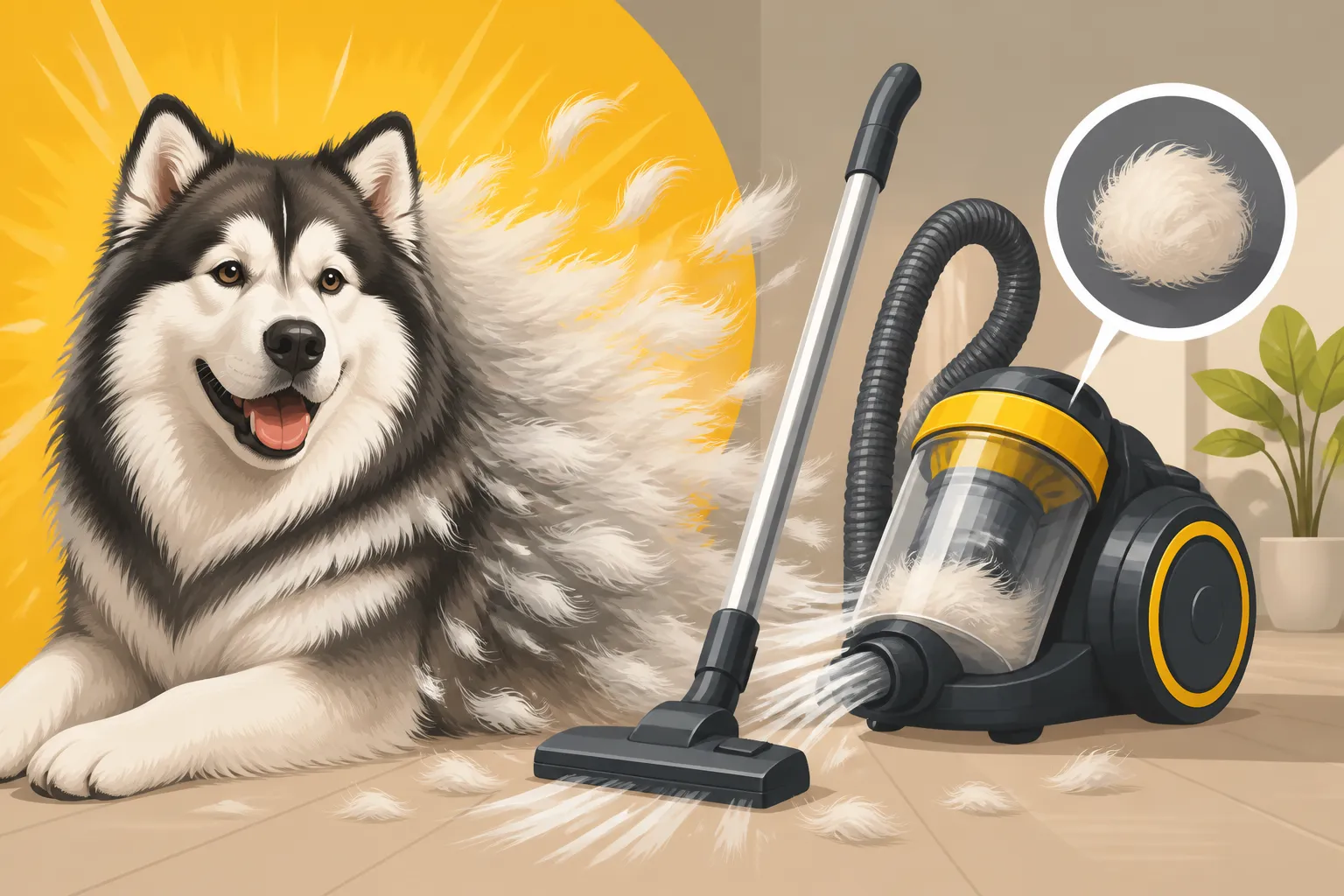
The Malamute Coat Blow That Fills a Vacuum in an Afternoon
If you've ever owned an Alaskan Malamute, you know the infamous "coat blow" isn't just a shedding season; it's a natural disaster of epic, fluffy proportions. The sheer volume of fur that detaches from these magnificent creatures can genuinely feel like it could stuff a small mattress or clog a professional-grade vacuum cleaner in mere minutes. This guide is here to walk you through the reality of the Malamute coat blow, offering practical advice and empathetic understanding to help you and your home survive the furmageddon.
Understanding the Alaskan Malamute's Double Coat
Before we dive into the glorious chaos of coat blow, it's crucial to understand why Malamutes have such an incredible coat in the first place. This isn't just fluffy adornment; it's a marvel of natural engineering, meticulously designed to protect them from the harshest Arctic conditions. It’s what allowed their ancestors to thrive in environments where other breeds would simply freeze solid.
The Function of Their Unique Insulation
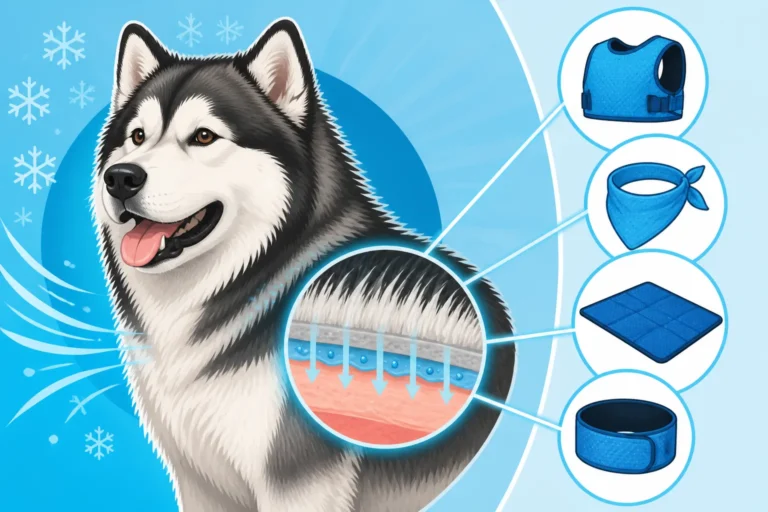
An Alaskan Malamute's coat is a sophisticated, two-layer system, perfectly adapted for extreme cold. The outer layer consists of coarse, guard hairs that are straight and stiff, designed to repel water and snow. Think of this as their weatherproof jacket, shedding moisture and preventing it from reaching their skin. These guard hairs are remarkably tough and durable, standing up to icy winds and blizzard conditions without breaking or matting easily. They form a protective barrier that keeps the elements out.
Beneath this resilient outer layer lies the true hero of their insulation: the dense, woolly undercoat. This soft, downy layer is incredibly thick, often an inch or two deep, and acts like a natural down sleeping bag. It traps a layer of warm air close to their body, providing unparalleled thermal protection. This undercoat is so effective that a Malamute can comfortably sleep outdoors in sub-zero temperatures, often choosing to curl up right in the snow. It’s a testament to how crucial this layer is for their survival in their native climate, and why maintaining its health is paramount for their well-being, even when they live in much milder locales.
Why the Double Coat is Not Like Other Breeds' Fur
Many dog breeds have fur, but a Malamute's double coat is in a league of its own, particularly when compared to single-coated breeds or even other double-coated dogs. Breeds like Poodles or Greyhounds have single coats that grow continuously, shedding individual hairs more consistently but never experiencing the dramatic "blow-out" event. Even some double-coated breeds, like many Labs or Golden Retrievers, have a less dense undercoat and their shedding cycles, while significant, rarely reach the sheer volume of a Malamute's.
The Malamute's coat is specifically designed for insulation, not continuous growth. Their undercoat doesn't just shed gradually; it detaches in massive clumps and sheets when it's no longer needed, typically as the seasons change. This dramatic shedding event is a biological imperative, preparing them for either warmer weather or making way for a new, thicker coat for winter. This is why you'll find yourself pulling what feels like an entire second dog's worth of fur off them during these times. It’s not just a little extra hair; it’s a wholesale wardrobe change, and it requires a different approach to grooming and maintenance than what you might be used to with other dogs. Understanding this unique biological function helps you appreciate, and perhaps even somewhat tolerate, the furry avalanche heading your way.
When the Furmageddon Strikes: Timing the Coat Blow
The coat blow isn't a random event; it's a carefully orchestrated natural process tied to environmental cues and a Malamute's internal rhythms. Knowing when to expect it can help you prepare, both mentally and practically, for the deluge of fur.
Seasonal Blows and Hormonal Influences
For most Alaskan Malamutes, the major coat blows are seasonal, typically occurring twice a year. The most intense shed often happens in the spring, usually around March to May, as the days lengthen and temperatures begin to rise. This is when they shed their heavy winter undercoat to make way for a lighter, thinner summer coat. This spring blow is usually the most dramatic and can last for several weeks, sometimes even a couple of months, depending on the individual dog, climate, and hormones. During this time, you'll be asking yourself, How Much Undercoat Comes Off an Alaskan Malamute? The answer, you'll soon discover, is a lot.
There's often a smaller, less intense blow in the fall, typically around September to November, as they shed their summer coat to grow in a new, dense winter one. While still noticeable, this fall blow tends to be more manageable than the spring explosion. Beyond the seasons, hormonal changes also play a significant role. Intact females, for example, will often have a major coat blow after each heat cycle, and pregnant or lactating females can experience a huge loss of coat. Neutered or spayed Malamutes tend to have less distinct seasonal blows, sometimes shedding more consistently year-round rather than having two massive, distinct events. This is because their hormonal cycles are no longer dictating the dramatic changes, leading to a more gradual, but still constant, shedding presence. Whether a Spayed Malamute Blows Coat Differently is a question many owners ponder, and indeed, they often do, sometimes to the pleasant surprise of a less intense "furmageddon" but still a significant amount of year-round fluff.
What Triggers a Malamute's Coat to "Drop"
The primary triggers for a Malamute's coat blow are photoperiod (the length of daylight) and temperature changes. As daylight hours increase in spring, their bodies get the signal that warmer weather is coming, prompting the old, dense undercoat to release. Similarly, decreasing daylight in the fall signals the need for a thicker winter coat, so the lighter summer fur is shed. Artificial lighting in our homes can sometimes subtly interfere with these natural cycles, making shedding less predictable or seemingly constant for some indoor Malamutes, but the instinct to shed based on light remains strong.
Stress or changes in diet can also influence coat health and shedding patterns. A sudden illness, a significant life change like moving homes, or even a poor diet lacking essential nutrients can lead to duller coats and more generalized shedding, though it's usually not the same dramatic "blow" as the seasonal event. It's a marvel how their bodies instinctively know when to adapt, preparing them for the changing environment. You’ll definitely know When an Alaskan Malamute Blows Its Coat because the evidence will be everywhere – on your clothes, furniture, and in every corner of your home.
The Sheer Volume: What to Expect During a Coat Blow
Prepare yourself, because the phrase "a lot of hair" doesn't quite capture the reality of a Malamute coat blow. It's an experience, a challenge, and frankly, a bit of a comedic horror show for the uninitiated.
How Much Undercoat Actually Comes Off
During a full coat blow, it's not an exaggeration to say that you could probably build a life-sized replica of your Malamute purely from the undercoat they shed. We're talking about golf-ball sized clumps, sheets of woolly fur the size of dinner plates, and a constant snowstorm of fine, downy fluff that seems to defy gravity. Imagine brushing your dog for an hour and filling a grocery bag with fur – and then realizing you could do the same thing again the next day, and the day after that. This isn't just loose hairs; this is insulation detaching itself from the follicles. It comes out in such quantities that if you run your fingers through their coat, you'll pull out handfuls with alarming ease.
The initial stages might see smaller clumps, but as the blow progresses, you'll find long strands of guard hairs with entire sections of undercoat still attached. It’s truly astounding, and it's a clear indicator that their coat is designed for maximum efficiency in releasing what's no longer needed. Many a Malamute owner has looked at the pile of fur on the floor and genuinely wondered if their dog was somehow shrinking. It can feel never-ending, which often leads owners to wonder How Long a Malamute's Coat Blow Lasts. The answer depends, but it often feels like an eternity.
The Impact on Your Home and Household Appliances
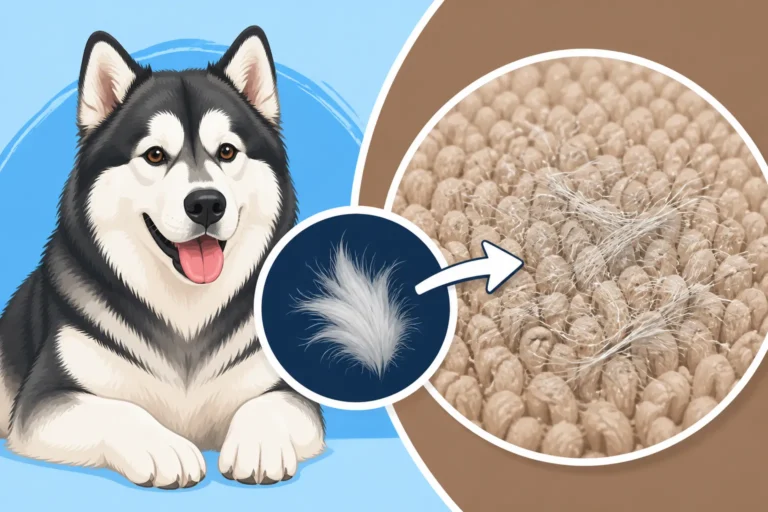
The impact on your home during a Malamute coat blow is immediate and pervasive. Fur will find its way into every nook and cranny, adhering to carpets, settling on furniture, clinging to clothes, and even floating through the air to land in your morning coffee. Your floors, no matter how frequently vacuumed, will seem perpetually coated. Dust bunnies will transform into dust tumbleweeds. Black clothing becomes a daring fashion choice.
Beyond the visible mess, your household appliances will also bear the brunt. Your vacuum cleaner, unless it's specifically designed for pet hair, will likely clog repeatedly. Filters will need constant cleaning. Washing machines can get surprisingly furry, requiring extra cycles to remove trapped hair. Even your HVAC system's filters will likely get more loaded with fur during these times. It’s not uncommon for owners to invest in specialized tools and cleaning equipment just to cope. This is why you need to budget for the extra cleaning, the more frequent vacuum bag changes, and perhaps even a dedicated "Malamute-proof" vacuum cleaner. How Much Undercoat a Malamute Puts Into a House is a question you'll get tired of answering when friends visit and leave covered in fur!
Essential Tools for Surviving the Blow
Facing down a Malamute coat blow without the right arsenal of grooming tools is like bringing a spoon to a snowball fight. You might make a dent, but you'll be overwhelmed. Having the proper equipment makes a world of difference in managing the fur and keeping your sanity.
Brushes and Rakes That Actually Work
Forget those flimsy brushes that barely touch the surface of a Malamute's dense coat. You need tools designed to penetrate deep into the undercoat and effectively pull out loose hair without damaging the guard hairs or irritating the skin.
Firstly, an undercoat rake is your absolute best friend. These tools have widely spaced, strong teeth that are long enough to reach through the topcoat and grab the shedding undercoat. Look for one with rotating teeth, as these are gentler on the skin and prevent tangles. Brands like Furminator (though sometimes controversial due to potential guard hair damage if used improperly) or more traditional rakes from companies like Andis or Kong are popular. The key is to use it with gentle, long strokes, going with the grain of the fur, working in small sections. This will allow you to pull out huge amounts of undercoat that would otherwise end up on your floor.
Secondly, a slicker brush can be useful for removing loose hair from the guard coat and for finishing touches, but it won't tackle the undercoat effectively on its own. For the finer, wispy undercoat that still lingers, a pin brush with rounded pins can help gather it. You'll likely need a combination of these tools to truly manage the blow. Investing in quality brushes from pet supply stores or online retailers like Chewy or Amazon can save you a lot of headache (and backache) in the long run. Don't cheap out here; a good brush is an investment in your mental health during coat blow season. Understanding Which Brush Gets Through a Malamute's Undercoat is key to success.
The Power of a Force Dryer
If there's one tool that truly revolutionizes coat blow management, it's a force dryer (also known as a high-velocity dryer or pet blower). This isn't your average human hairdryer; these machines blast air at high pressure, designed to literally blow the loose undercoat out of your Malamute's coat. Using a force dryer outdoors (or in a garage/basement) during a coat blow is an experience. You'll witness clouds of fur flying off your dog, saving you hours of brushing and significantly reducing the amount of hair ending up in your home. It's incredibly efficient.
The sensation of the air blast might take some getting used to for your Malamute, so introduce it slowly and positively. Start with short bursts on a low setting, offering treats, and gradually increase the intensity and duration. Many Malamutes actually come to tolerate, or even enjoy, the feeling. Not only does it remove loose undercoat, but it also helps to dry their dense coat quickly after a bath, preventing hot spots and skin issues. While a significant upfront investment, a good force dryer (available on platforms like Amazon) pays for itself quickly in reduced grooming bills and a cleaner home. What a Force Dryer Does for a Malamute's Coat Blow cannot be overstated – it's a game-changer.
Grooming Gloves and Other Handy Helpers
Beyond the heavy-duty tools, a few smaller items can make a big difference. Grooming gloves (often with rubber nubs on the palm) are fantastic for a few reasons. They allow you to "pet" your dog while simultaneously grabbing loose fur, which many Malamutes find much more enjoyable than traditional brushing. They're also great for bathing, helping to work shampoo deep into the coat and remove loose hair in the tub.
Additionally, a good pair of blunt-nosed scissors or shears can be useful for carefully trimming any mats that form behind the ears, in the armpits, or on the feathering of the legs, though extreme caution is needed. Never attempt to cut out large mats without professional guidance. A metal comb with both wide and fine teeth is also invaluable for checking your work after brushing and ensuring no tangles remain. Finally, a good quality deshedding shampoo and conditioner can help loosen dead undercoat during baths, making the subsequent force drying and brushing more effective. These can be found at local pet stores or online at Chewy.
Strategic Grooming Techniques for Coat Blow
Knowing which tools to use is one thing, but knowing how to use them effectively and strategically during a Malamute's coat blow is an art form. It's about consistency, patience, and making the most of every grooming session.
The Art of Daily Brushing
During a full coat blow, "daily brushing" isn't just a recommendation; it's a survival tactic. Aim for at least 15-30 minutes every single day, if not twice a day, especially during the peak shedding weeks. The goal isn't just to remove the hair that's already fallen out but to actively extract the loose undercoat from your dog before it detaches and makes its way onto your furniture.
Start with your undercoat rake, working in small sections, moving from head to tail. Use long, even strokes, making sure the teeth reach all the way down to the skin without scratching or pulling. Be gentle, especially around sensitive areas like the belly, armpits, and behind the ears. After using the rake, follow up with a slicker or pin brush to catch any remaining loose topcoat hairs and smooth the outer layer.
Many Malamutes enjoy the attention, especially if you make it a positive experience with treats and praise. Finding a comfortable spot, perhaps outdoors or in a garage, is ideal to contain the flying fur. The more diligent you are with daily brushing, the less fur you'll find around your house. It truly is a proactive measure against the furmageddon. Consistent brushing is far more effective than sporadic, marathon sessions. Think of it as chipping away at a mountain, rather than trying to move it all at once. How Often an Alaskan Malamute Needs Brushing really depends on the time of year, but during a blow, it's every single day.
The Benefits of a Deshedding Bath
While Malamutes generally don't need frequent bathing, a deshedding bath performed during a coat blow can be incredibly effective at loosening and removing dead undercoat. The warm water and specialized shampoo help to open the hair follicles, allowing the loose fur to release more easily.
Start by thoroughly wetting your Malamute's coat, ensuring the water penetrates all the way to the skin. Apply a good quality deshedding shampoo (many brands offer formulas specifically for double-coated breeds) and work it deep into the fur, massaging it gently. Let it sit for the recommended time to allow the ingredients to work their magic. While the shampoo is on, you can use a grooming glove or even just your hands to gently scrub and pull away loose fur – you'll be amazed at how much comes out in the tub!
Rinse thoroughly, making sure no shampoo residue is left behind, as this can irritate the skin. Follow up with a deshedding conditioner, which helps to further lubricate the coat and make brushing easier. The real magic happens after the bath, though: this is the prime time to use your force dryer. The combination of the bath and the powerful air stream will remove an astonishing amount of fur, often preventing weeks of shedding indoors. Whether a Deshedding Bath Shortens a Malamute's Blow is a common question, and while it doesn't shorten the entire cycle, it significantly reduces the volume of shedding during that critical period.
Working With a Professional Groomer
For many Malamute owners, especially those without a dedicated outdoor space or a force dryer, a trip to a professional groomer during coat blow season is an absolute lifesaver. Professional groomers have high-powered force dryers, specialized tubs, and the expertise to handle the sheer volume of fur. They can often complete a thorough deshedding treatment much faster and more effectively than you might be able to at home.
A professional deshedding service typically includes a bath with deshedding shampoo and conditioner, followed by an extensive blow-out with a force dryer, and then a thorough brushing and raking. They can reach areas you might miss and have techniques to minimize stress for your dog. While there's a cost involved, it can be well worth it for the amount of fur removed and the relief it brings to your home. Many groomers offer "deshedding packages" specifically for double-coated breeds like Malamutes during their peak shedding times. It's an excellent option if you feel overwhelmed or simply want to fast-track your way through the fur storm. Consider this a semi-annual investment in your home's cleanliness and your own peace of mind.
Debunking Myths: Why You Should Never Shave Your Malamute
It's tempting, especially when you're wading through a sea of fur, to think about shaving your Malamute. Please, resist the urge. This seemingly logical solution can actually cause more problems than it solves.
How Shaving Harms Their Natural Insulation
Shaving an Alaskan Malamute completely undermines the very purpose of their double coat – its ability to regulate their body temperature. In winter, the dense undercoat traps warm air to keep them warm. In summer, the guard hairs and undercoat work together to create a crucial insulating layer that protects them from the heat. This might sound counterintuitive, but think of it like the insulation in your house: it keeps the warmth in during winter and the heat out during summer.
When you shave off both layers, you strip away this natural protection. In hot weather, it exposes their delicate skin directly to the sun, making them more susceptible to overheating, sunburn, and even skin cancer. Without the insulating buffer, their bodies have to work harder to stay cool, which can be dangerous. The guard hairs also provide a barrier against insects and environmental irritants. Removing them leaves your Malamute vulnerable and significantly compromises their ability to adapt to temperature fluctuations. Why an Alaskan Malamute Must Never Be Shaved is a critical piece of Malamute ownership wisdom.
The Risks of Poor Coat Regrowth
Beyond compromising their natural thermoregulation, shaving a Malamute can lead to significant issues with coat regrowth, often referred to as "clipper alopecia" or "post-clipping alopecia." This can manifest in several ways:
- Uneven Regrowth: The undercoat and guard hairs can grow back at different rates, resulting in a patchy, uneven, and often unattractive coat.
- Texture Changes: The new coat might grow back softer and wispier, more like cotton, which can matt more easily and offer less protection. The coarse guard hairs may not regrow to their original texture, making the coat less effective at repelling water and dirt.
- Permanent Damage: In some cases, especially after multiple shavings, the hair follicles can be permanently damaged, leading to areas where the coat simply refuses to grow back, leaving bald spots.
- Increased Matting: A damaged, uneven coat is more prone to matting and tangling, creating more grooming headaches in the long run.
Essentially, shaving a Malamute can permanently alter the structure and function of their magnificent coat, turning a temporary shedding nuisance into a long-term grooming and health problem. While it seems like a quick fix for shedding, the truth is that a shaved Malamute is a less healthy, less protected Malamute. It's much better to embrace the shedding and manage it with consistent grooming than to risk damaging their incredible natural armor.
Managing the Mess and Maintaining Sanity
Let's be real: a Malamute coat blow isn't just about the dog; it's about your entire living environment. Managing the mess and preventing it from taking over your life is crucial for your sanity and the harmony of your home.
Housekeeping Hacks for Hair Control
During a Malamute coat blow, your regular cleaning routine will likely need a significant upgrade. First and foremost, a good vacuum cleaner is your most important ally. Look for models specifically designed for pet hair, with strong suction and tangle-free brush rolls. Brands like Dyson, Shark, or even robotic vacuums like those from Roomba (though you'll need to empty them constantly) can make a difference. Run it daily, sometimes twice, especially in high-traffic areas where your Malamute spends time.
Beyond vacuuming, consider using rubber brooms or pet hair squeegees on carpets and rugs before vacuuming. These tools are remarkably effective at pulling deeply embedded fur to the surface, making it easier for the vacuum to pick up. For hard floors, a good microfiber mop or static duster will capture loose hair more effectively than a traditional broom, which often just pushes it around.
Invest in lint rollers and keep them strategically placed near doors, in your car, and in your laundry room. You'll be using them constantly. Finally, air purifiers with HEPA filters can help capture airborne dander and fine fur particles, improving air quality and reducing the overall floating fur in your home. It's about constant vigilance and having the right tools for the job. You'll also learn the joy of owning a powerful dryer and the value of a washing machine that has a good lint trap.
Protecting Your Furniture and Wardrobe
Your furniture and clothes are prime targets for Malamute fur during a blow. To minimize the impact, consider designating certain furniture as "Malamute-friendly" with durable, washable covers. Slipcovers for sofas and chairs can be a godsend, easily removed and tossed in the wash. Avoid delicate fabrics like velvet or certain knits that act like fur magnets. Opt for smoother, tighter-woven materials that are easier to wipe clean.
For your wardrobe, the simplest solution is often to keep clothes stored away in closets or drawers rather than draped over chairs. Before leaving the house, always do a quick lint roll check. It sounds tedious, but it saves you from showing up at work or an appointment looking like you just wrestled a yeti. Some owners even have a specific "dog-only" wardrobe for when they're interacting with their Malamute, changing into nicer clothes when they leave the house. Dark clothing is particularly unforgiving with light Malamute fur, so if you have a light-colored Malamute, embrace lighter clothing during coat blow season, or accept lint rolling as your new superpower.
Mental Prep for the Fur-Filled Weeks
Perhaps the most important aspect of surviving a Malamute coat blow is mental preparation. This is not a battle you will win; it is a force of nature you must learn to manage and accept. Go into it knowing that your house will be furrier than usual, and that's okay. Perfection is not the goal; survival is.
Set realistic expectations for cleanliness during these weeks. While you can significantly reduce the fur, you likely won't eliminate it entirely. Prioritize critical cleaning tasks and allow yourself some grace. Lean into the humor of the situation – share photos of your fur piles, lament with other Malamute owners. It helps to know you're not alone in this fluffy struggle. Consider turning grooming sessions into bonding time, with treats and praise, making it enjoyable for both of you.
Remember, this intense shedding is temporary. The furmageddon will eventually pass, leaving behind a sleek, beautiful Malamute ready for its next adventure. A little patience, a good sense of humor, and an industrial-strength vacuum will see you through.
The Long-Term Health of Your Malamute's Coat
Beyond the seasonal shedding, the overall health of your Malamute's coat is a year-round concern. A healthy coat is not only beautiful but also a good indicator of your dog's internal well-being. Proactive care can minimize shedding issues and help you spot problems early.
Nutrition's Role in Coat Health
What goes into your Malamute's bowl directly impacts the luster and strength of their coat. A high-quality diet rich in essential fatty acids, particularly Omega-3 and Omega-6, is fundamental for healthy skin and a robust coat. Look for dog foods that list identifiable meat proteins as the first few ingredients and avoid excessive fillers.
Many owners find adding supplements like fish oil (salmon oil or krill oil are popular choices) beneficial for promoting a shiny, healthy coat and reducing excessive non-seasonal shedding. These oils provide concentrated Omega fatty acids that nourish the skin and hair follicles. Similarly, some high-quality dog foods, including those from brands like Ollie, focus on providing balanced nutrition that can positively impact coat health.
However, be mindful of zinc levels. Alaskan Malamutes can be prone to Zinc Responsive Dermatosis in an Alaskan Malamute, a genetic condition where they struggle to absorb zinc from their diet, leading to skin and coat problems. While not directly related to coat blow, a deficiency can exacerbate poor coat quality. If you notice a dull, dry coat, excessive non-seasonal shedding, or skin crusting, discuss zinc supplementation or a diet adjustment with your vet. A well-nourished Malamute will typically have a healthier coat that sheds more cleanly and efficiently during its natural blow cycles.
Recognizing Underlying Skin Issues During Blow
The coat blow, while natural, can also be a prime time to detect underlying skin issues that might otherwise be hidden by the dense fur. As the undercoat sheds, you get a clearer view of their skin, making it easier to spot problems.
Keep an eye out for:
- Redness or Irritation: Any persistent redness, inflammation, or hot spots could indicate allergies, infections, or excessive licking.
- Dandruff or Flakiness: While a little flaking might be normal with dry skin, excessive dandruff can signal a skin issue or nutritional deficiency.
- Bald Patches or Thinning: Beyond the general shedding of the undercoat, localized bald spots or areas of significantly thinned guard hair are concerning and warrant a vet visit.
- Crusting or Lesions: Any scabs, crusts, pustules, or unusual bumps on the skin could indicate bacterial infections, fungal infections, parasites, or more serious conditions like those seen in zinc deficiency. Pay particular attention to the muzzle, around the eyes, and on the elbows and hocks, as these are common areas for What Zinc Responsive Dermatosis Looks Like on a Malamute.
- Odor: A strong, yeasty, or foul odor emanating from the skin, even after bathing, often points to a skin infection that needs veterinary attention.
Because Malamutes have such a thick coat, early detection of skin problems can be challenging. Regular grooming sessions during the coat blow offer a fantastic opportunity for a thorough skin check. If you notice anything unusual, consult your veterinarian promptly. Early intervention can prevent minor issues from becoming major problems, ensuring your Malamute's coat remains as healthy and magnificent as it's meant to be.
Disclaimer
This article is for general informational purposes only and does not constitute professional advice. Laws, prices and regulations vary by location and change over time. Consult a qualified professional for guidance on your specific situation.