How Much Undercoat Comes Off an Alaskan Malamute
If you're a new Alaskan Malamute owner, or even just considering bringing one of these magnificent dogs into your life, you're probably wondering about the rumors: do they really shed that much? The answer, my friend, is a resounding yes. This isn't just a little tumbleweed of dog hair now and then; we're talking about a phenomenon that can transform your home into a furry wonderland if you're not prepared. This guide will walk you through exactly what to expect from an Alaskan Malamute's coat, how much of it actually comes off, and, most importantly, how to manage the seemingly endless cascade of fur.
Understanding the Alaskan Malamute's Double Coat
The Alaskan Malamute's stunning, thick coat isn't just for show; it's a vital piece of their heritage, meticulously developed over centuries by the Mahlemut people of Alaska to protect them from some of the harshest environments on Earth. Understanding its structure is key to appreciating why they shed so much.
The Purpose of the Malamute's Unique Coat
Imagine living in a place where temperatures plunge far below freezing, and blizzards are a regular occurrence. You'd need some serious insulation, right? That's precisely what the Malamute's double coat provides. It consists of two distinct layers, each serving a crucial purpose.
First, there's the undercoat. This is the star of our shedding saga. It's incredibly dense, soft, and woolly, often an inch or two thick, acting like a natural down jacket for your Malamute. It traps a layer of air close to their body, insulating them against the cold and, surprisingly, helping to regulate their temperature in warmer weather by preventing heat from penetrating their skin. When people talk about "Malamute fur," they're usually referring to this dense, fluffy undercoat. It's this layer that, when it detaches, gives rise to the infamous "Malamute snow."
On top of this, you have the guard hairs. These are longer, coarser, and straighter hairs that form the outer layer of the coat. Their job is to protect the soft undercoat and skin from snow, ice, and moisture. They're water-repellent, shedding snow and rain like a well-waxed parka. This topcoat also helps to protect against environmental debris and even UV radiation. While guard hairs do shed, it's the sheer volume of the undercoat that truly overwhelms unsuspecting owners. The combination of these two layers makes for a dog that is perfectly adapted to cold weather work, but also one that requires a significant commitment to grooming when the seasons change.
When and Why Malamutes "Blow" Their Coat
The term "blowing coat" is incredibly apt when it comes to an Alaskan Malamute, because it genuinely feels like an explosion of fur. This isn't just normal, everyday shedding; it's a seasonal event, a major biological process where your Malamute sheds a vast amount of its undercoat in preparation for new growth and seasonal temperature changes.
Typically, Malamutes blow their coat twice a year. The most significant blow usually happens in the spring, as the weather warms up, to prepare for summer. This is when you'll truly see the "Malamute snow" phenomenon. They're getting rid of that super-dense winter insulation to prevent overheating in warmer temperatures. Then, another, often slightly less intense, blow occurs in the fall, making way for a fresh, thick winter coat. However, living indoors in temperature-controlled environments can sometimes confuse their natural cycles, leading to more continuous, albeit lighter, shedding year-round. It's not uncommon for an indoor Malamute to shed a moderate amount constantly, with just a few periods of truly extreme coat blow. The Months an Alaskan Malamute Blows Its Coat can vary slightly depending on your climate and your dog's individual hormones.
Hormonal factors also play a significant role. Intact (unspayed) female Malamutes will often experience a heavy coat blow after each heat cycle, regardless of the season. Spaying or neutering can sometimes reduce the intensity or frequency of coat blows, as it removes some of those hormonal triggers, but it absolutely will not stop shedding entirely. You'll still have those moments where you wonder if you've accidentally acquired a second Malamute made entirely of fur. Whether a Spayed Malamute Blows Coat Differently is a common question, and while there might be a subtle difference, the core shedding experience remains a fundamental part of Malamute ownership.
Quantifying the Fur: It's More Than You Think
Let's be blunt: when an Alaskan Malamute blows its coat, the amount of fur that comes off can be shocking. It’s not just "a lot"; it's a quantity that can make you question the laws of physics and marvel at how a single animal can produce such an endless supply of fluff.
Visualizing the Volume: What to Expect
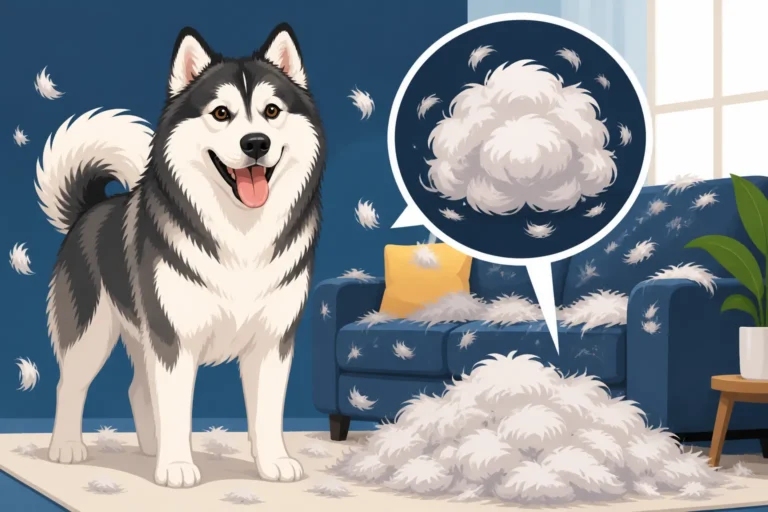
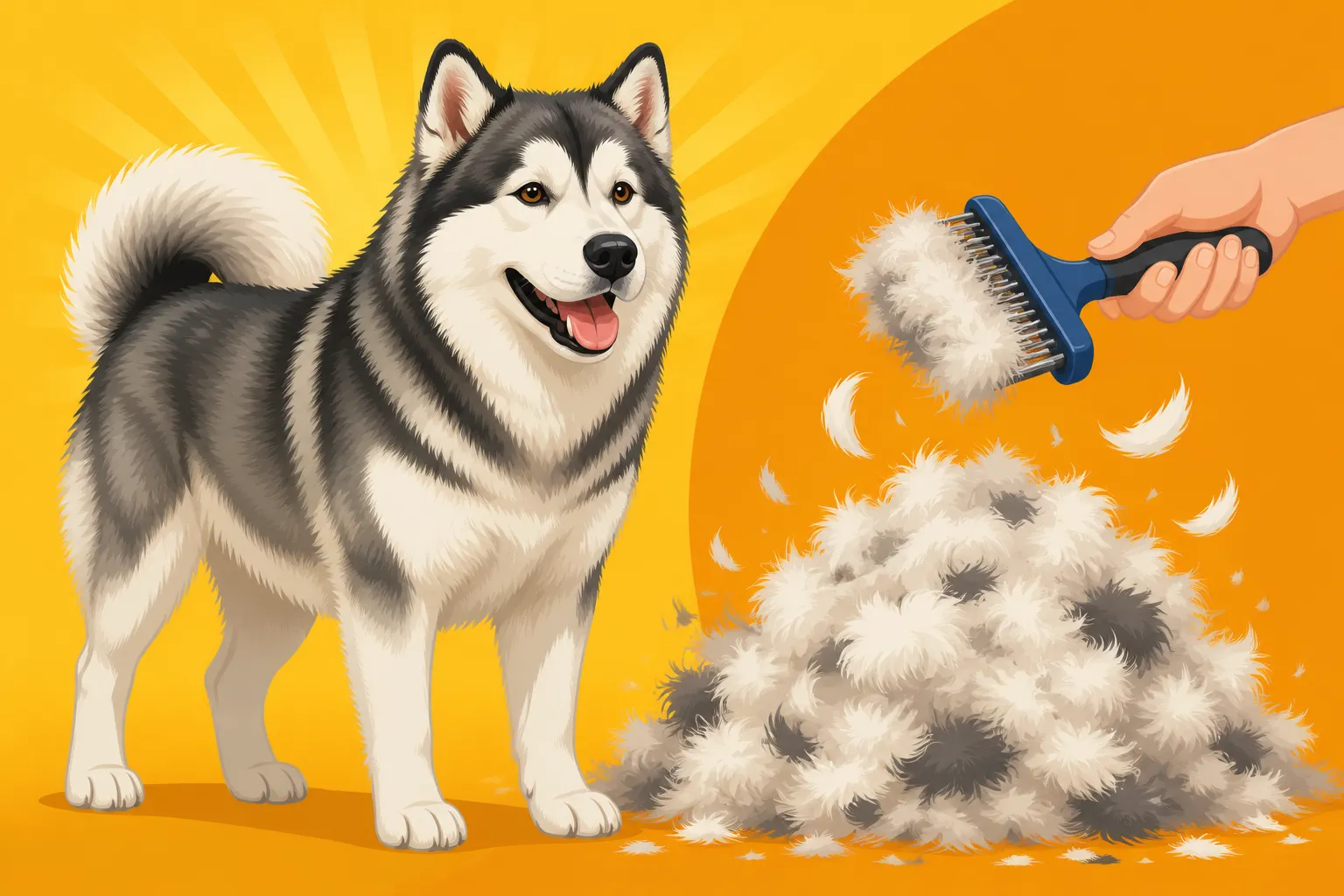
To truly understand what you're up against, let me paint a picture. During a full coat blow, you can easily brush out enough fur to fill several grocery bags in a single grooming session. And I mean packed grocery bags. Over the course of the few weeks that the major blow lasts, it's not an exaggeration to say you could collect enough soft, woolly undercoat to stuff a small dog bed, or perhaps even knit a ridiculously warm (and very itchy) sweater. Many owners have shared stories of filling pillowcases with their Malamute's shed undercoat. Imagine a small, fluffy cloud of white and grey fur floating through your house—that's the reality.
The fur itself is incredibly fine and light, almost like cotton. This means it doesn't just sit there; it floats, drifts, and adheres to everything. It gets into every nook and cranny, clinging to socks, weaving itself into carpets, and mysteriously appearing on surfaces you just cleaned minutes ago. This isn't like shedding short, stiff hairs that are easily swept. This is a fluffy, airborne assault on cleanliness. Even between major coat blows, Malamutes are still shedding, just a lesser amount. So, while the "extreme" periods are seasonal, you'll still be finding little tufts of fur pretty much every single day. How Much Undercoat a Malamute Puts Into a House is truly astonishing, a testament to their incredible insulation.
The Challenges of Managing the Undercoat
The sheer volume and pervasive nature of Malamute fur create several unique challenges for owners. It's not just about aesthetics; it impacts daily life and household maintenance.
One of the most common frustrations is how quickly the fur accumulates on clothing and furniture. You might brush your Malamute, vacuum the couch, and then, five minutes later, find a fresh layer of fur on your dark pants or the freshly laundered blanket. Lint rollers become an essential accessory, often bought in multi-packs because you'll go through them so fast. Special pet-hair-resistant fabrics for furniture might seem like an extravagance until you live with a Malamute for a season.
Then there's the impact on your vacuum cleaner. Standard household vacuums often struggle with the fine, dense undercoat. They can clog quickly, lose suction, or even burn out. Many Malamute owners find themselves investing in heavy-duty vacuums specifically designed for pet hair, often with powerful suction and tangle-resistant brushes. The dust bunny tumbleweeds that roll across hardwood floors during a coat blow can reach impressive sizes, making daily vacuuming a necessity, not just a weekly chore. You might even find yourself emptying the vacuum canister multiple times during a single cleaning session.
Beyond the visible fur, the fine hairs can also become airborne, impacting air quality. People with allergies might find their symptoms exacerbated. Air purifiers, especially those with good HEPA filters, can become a valuable addition to a Malamute household, helping to trap those floating strands and maintain a clearer breathing environment. It's a constant battle, and it's okay to feel overwhelmed by it sometimes. The Malamute Coat Blow That Fills a Vacuum in an Afternoon is a very real experience that many owners share.
Essential Tools and Strategies for Undercoat Management
Living with an Alaskan Malamute's magnificent coat doesn't have to mean living in a permanent cloud of fur. While you'll never completely eliminate shedding, you can significantly manage it with the right tools and a consistent routine. It's all about proactive grooming and creating habits that tackle the fur before it takes over your home.
Grooming Tools That Actually Make a Difference
Let's talk about the arsenal you'll need. Forget those flimsy pet store brushes that just skim the surface; you need tools designed to penetrate that dense undercoat.
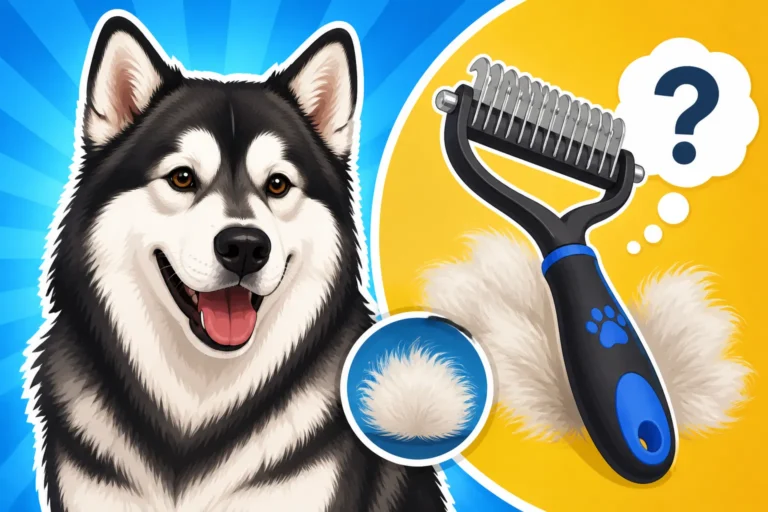
- Undercoat Rakes: These are your absolute best friends during a coat blow. An undercoat rake has long, sturdy teeth that are designed to reach down through the guard hairs and pull out the loose, dead undercoat without damaging the topcoat. You'll be amazed at the sheer volume of fur these tools can remove. Brands like Furminator are popular, but there are many effective options available on sites like Chewy and Amazon. Just be sure to use them gently and follow the directions, as over-brushing or using them too harshly can irritate the skin. Which Brush Gets Through a Malamute's Undercoat is a crucial piece of knowledge for any Malamute owner.
- Slicker Brushes and Pin Brushes: While undercoat rakes are great for the bulk of the shed, slicker brushes, with their fine, wire bristles, are excellent for smoothing the topcoat and removing any smaller tangles or remaining loose hairs. Pin brushes, with their widely spaced metal pins, are good for general grooming and are often more comfortable for the dog, especially for finishing touches.
- Force Dryers: If you've never used a force dryer, prepare to have your mind blown. These are not like human hair dryers; they blow cool, high-velocity air that literally blasts the loose undercoat out of the coat. They are incredibly effective, especially after a bath, and can dramatically shorten the coat-blowing process. Many professional groomers use them, but owning one for home use is a game-changer for many Malamute owners. You can find robust models suitable for thick-coated breeds on Amazon. What a Force Dryer Does for a Malamute's Coat Blow is something you truly need to see to believe.
Establishing a Grooming Routine
Consistency is key when it comes to managing Malamute fur. A sporadic approach will only lead to greater frustration and more fur tumbleweeds.
During periods of heavy coat blow (typically spring and fall), you'll want to brush your Malamute daily, sometimes even twice a day. This might sound like a lot, but believe me, it's far easier to remove the fur with a brush than to pick it off your furniture and clothing later. Focus on working in sections, making sure to get down to the skin to extract all that loose undercoat.
Even outside of the major blow-out seasons, a weekly brushing session is highly recommended. This helps to remove any minor shedding and prevents mats, especially in areas like behind the ears, under the legs, and around the tail, where the fur can become denser. How Often an Alaskan Malamute Needs Brushing really depends on the time of year and your individual dog's shedding cycle.
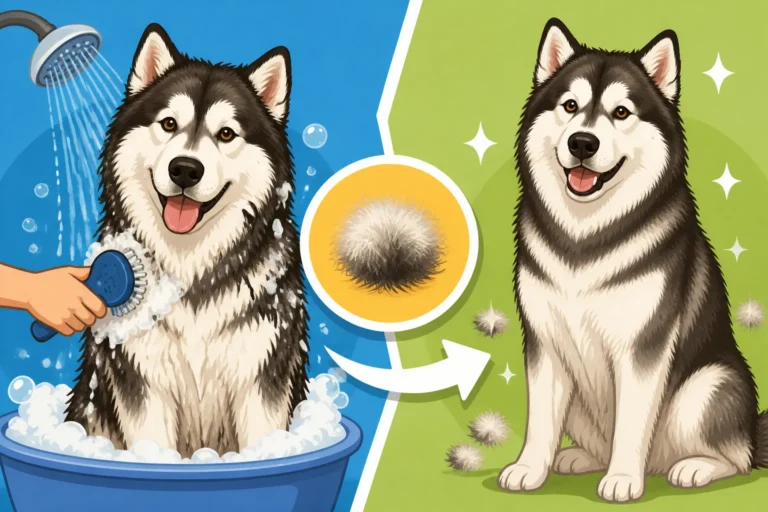
Professional grooming can also be a lifesaver. Many groomers offer "deshedding" treatments specifically designed for double-coated breeds. These often involve special shampoos, conditioners, and, critically, high-velocity force dryers to blast out the undercoat. While an extra expense, these sessions can significantly reduce the amount of fur in your home for weeks afterward. Whether a Deshedding Bath Shortens a Malamute's Blow is a definite yes, and it's a worthwhile investment for many.
Bathing your Malamute can also help release loose fur, but it's a process. Ensure you use a good quality dog shampoo and conditioner. The key is to rinse thoroughly and then, if you have one, use your force dryer to dry the coat completely and blow out as much loose fur as possible while they are still wet. Never let a Malamute air dry completely after a bath, as their dense undercoat can trap moisture, leading to skin issues.
Life Beyond the Fur: Living with a Shedding Malamute
Accepting that a certain level of fur is simply part of life with an Alaskan Malamute is the first step to peace. While grooming helps immensely, completely fur-proofing your home is an impossible dream. It’s about managing expectations and developing strategies to minimize its impact.
Maintaining a Clean Home Environment
Since you'll be battling fur, it helps to have your home environment optimized. Regular vacuuming is non-negotiable, especially during coat-blow seasons. As mentioned, a heavy-duty vacuum designed for pet hair is a worthwhile investment. Consider robotic vacuums for daily maintenance in between deeper cleans; they can be surprisingly effective at keeping the surface fur at bay, though they'll never replace a thorough manual vacuuming.
For furniture, washable covers or throws can be your best friend. They can be easily removed, shaken outside, and tossed in the washing machine. Keeping lint rollers strategically placed by doors or in key rooms will save you from going out covered in dog hair. If you have carpet, a good rubber broom or squeegee can help lift embedded fur before you vacuum. Air purifiers with good filters can capture airborne dander and fine hairs, making a noticeable difference in overall air quality, especially for allergy sufferers.
Don't forget your car! If your Malamute rides with you, investing in a good quality car seat cover or hammock is essential. These often have waterproof backings and are made from durable materials that fur doesn't cling to quite as tenaciously. Keeping a dedicated lint roller or even a small hand vacuum in your car will make quick clean-ups much easier.
Embracing the Fur as Part of the Malamute Experience
Ultimately, living with an Alaskan Malamute means embracing the fur. It's an undeniable, inherent part of owning one of these magnificent dogs. Their dense, plush coat is a hallmark of the breed, a testament to their heritage and their ability to thrive in extreme conditions. It's part of what makes them so unique and beautiful.
The joy and companionship an Alaskan Malamute brings far outweigh the inconvenience of shedding for most owners. They are loyal, affectionate, intelligent, and often goofy dogs who bring so much laughter and love into a home. When you sign up for a Malamute, you're signing up for a dog that needs to be groomed, exercised, and cherished, and yes, one that will share its fur generously with your home and wardrobe.
Think of it as a small trade-off for their unwavering devotion, their stunning appearance, and their playful spirit. You might find yourself developing a unique bond during those long grooming sessions, or even finding a strange sense of satisfaction in collecting impressive piles of their incredibly soft undercoat. For many, the fur is just a charming, albeit sometimes overwhelming, quirk of their beloved northern companion.
Here’s a quick overview of common grooming tools and their primary uses for your Malamute:
| Tool Type | Primary Use | Best For | When to Use |
|---|---|---|---|
| Undercoat Rake | Removing dense, dead undercoat | During heavy coat blows | Daily during blow-outs, weekly normally |
| Slicker Brush | Smoothing topcoat, removing smaller tangles & loose hairs | All coat types, finishing touch | Weekly, or after raking |
| Pin Brush | General grooming, light detangling | Daily maintenance, gentle brushing | Daily, especially for longer guard hairs |
| Force Dryer | Blasting out loose undercoat with high-velocity air | After baths, during heavy shedding | As needed, 1-2 times during blow-outs |
| Deshedding Blade/Tool | Specialized for removing undercoat, use sparingly | Heavy, compacted undercoat | Infrequently, with caution |
| Wide-Tooth Comb | Checking for mats, line brushing | Before brushing, after bathing | As needed, for tangle detection |
| Grooming Glove | Gentle massage, surface hair removal, distributing oils | Quick touch-ups, bonding, sensitive areas | Daily |
Disclaimer
This article is for general informational purposes only and does not constitute professional advice. Laws, prices and regulations vary by location and change over time. Consult a qualified professional for guidance on your specific situation.