Feeding an Old Alaskan Malamute
Watching your beloved Alaskan Malamute transition into their golden years is a beautiful, yet often challenging, experience. Suddenly, the boundless energy you knew might be replaced by a slower pace, and their once-hearty appetite could become a bit more finicky. It's truly frustrating when you notice their body changing, perhaps a bit of weight creeping on, or conversely, muscle wasting, and you realize their diet, which worked so well for so long, just isn't cutting it anymore. This comprehensive guide is here to walk you through everything you need to know about feeding an old Alaskan Malamute, ensuring they receive the proper nutrition to thrive comfortably and happily in their senior years.
Understanding the Senior Malamute's Changing Needs
Just like us, our Malamutes experience a whole host of physiological shifts as they age. What worked for a strapping young adult, full of youthful vigor and demanding high caloric output, simply won't be appropriate for a wise old soul who prefers naps to marathons. Ignoring these changes can lead to a host of health issues, exacerbating the natural decline that comes with age.
Shifting Metabolism and Energy Levels
One of the most significant changes you'll notice in an aging Malamute is a slowdown in their metabolism. Their bodies aren't burning calories with the same efficiency or speed they once did, even if they're still fairly active for their age. They might still enjoy a good, leisurely walk, but those intense, long-distance pulls are probably a thing of the past. This reduced energy expenditure means they simply don't need as many calories to maintain their weight. If you continue feeding the same quantity of food, it's a fast track to unwanted weight gain, which puts immense strain on their already aging joints and organs.
It's a common trap to think a slightly less active dog still needs the same fuel, especially with a breed as naturally robust as a Malamute. However, their internal furnace isn't roaring quite as hot. Think about Caring for an Alaskan Malamute Past Eight – it's all about adapting to their new reality. You might observe them sleeping more, being less enthusiastic about certain activities, or simply moving with a more deliberate, slower gait. These are all subtle cues that their caloric requirements have shifted, and a thoughtful adjustment to their diet is essential to keep them lean and comfortable without compromising their nutritional intake.
Dental Health and Eating Comfort
Another often-overlooked aspect of senior Malamute care is their dental health. Years of chewing, even on appropriate items, can take their toll. We're talking about worn-down teeth, potential gum disease, or even missing teeth that can make eating a truly painful experience. Imagine trying to crunch hard kibble with a sore tooth or sensitive gums; it's just not going to happen comfortably, and your Malamute might start refusing food or dropping pieces.
This can be incredibly frustrating, especially if your Malamute has always been a voracious eater. Suddenly, they're hesitant, or they take much longer to finish their meal. It's not necessarily a sign they dislike the food, but rather that the physical act of eating is uncomfortable. Regular dental check-ups become even more crucial as they age, but in the meantime, softening kibble with warm water or broth, or switching to a wet or fresh food diet, can make a world of difference in their willingness to eat and ensure they get the nutrients they need without pain.
Organ Function and Nutrient Processing
As Malamutes age, their internal organs, particularly the kidneys and liver, might not function with the same peak efficiency they once did. These vital organs are responsible for processing nutrients, filtering waste, and maintaining overall bodily balance. This means that certain dietary components, which were easily handled in their youth, could now place an undue burden on these aging systems.
For instance, diets excessively high in certain types of protein or phosphorus can sometimes stress aging kidneys. While Malamutes need high-quality protein, the type and amount might need re-evaluation in their senior years, especially if a veterinarian identifies early signs of renal decline. It's a delicate balance; you want to provide ample nutrition without overworking their internal systems. This is where working closely with your vet and potentially looking into specialized senior or therapeutic diets becomes incredibly important, tailoring their food to support their specific organ health.
Common Dietary Challenges in Aging Malamutes
The golden years aren't always gold, are they? Sometimes they come with a few more challenges than we expect, especially when it comes to keeping our old Malamutes healthy and happy through their diet. It’s not just about what they eat, but how their bodies handle it now.
Weight Management: Preventing Obesity and Muscle Loss
It’s a tale as old as time: a senior dog starts to slow down, but their loving owner keeps feeding them the same way they always have. Before you know it, that magnificent Malamute coat is hiding an extra twenty pounds, and those once-powerful legs are struggling under the added burden. Obesity is a serious concern for older Malamutes, contributing to joint pain, heart issues, and even diabetes. On the flip side, some older Malamutes might start losing muscle mass, becoming frail and weak, often due to decreased protein absorption or underlying health issues. Keeping an Alaskan Malamute at a Working Weight is a lifelong endeavor, and it becomes even more critical in their senior years.
The trick is finding that perfect balance. You need to adjust their caloric intake downwards to prevent weight gain, but ensure the food is nutrient-dense enough to support muscle mass and overall health. This often means switching to a senior-specific formula that typically has fewer calories per serving but maintains a good protein level. Regularly feeling their ribs and spine (yes, even under that thick coat!) is vital. If you can't easily feel them, it's time to reduce portions. If they're becoming bony and weak, a vet visit is in order to rule out other issues and discuss calorie-dense, highly digestible options.
Joint Health and Mobility Support
Oh, those big, beautiful Malamute joints! They’ve carried them through years of adventures, pulls, and playful wrestling. But with age, wear and tear inevitably lead to conditions like arthritis, making every step a little stiffer, every rise from a nap a bit more labored. It's heartbreaking to see your once-agile companion struggle to get up. Arthritis in an Older Alaskan Malamute is a common reality, and diet plays a massive role in managing it.
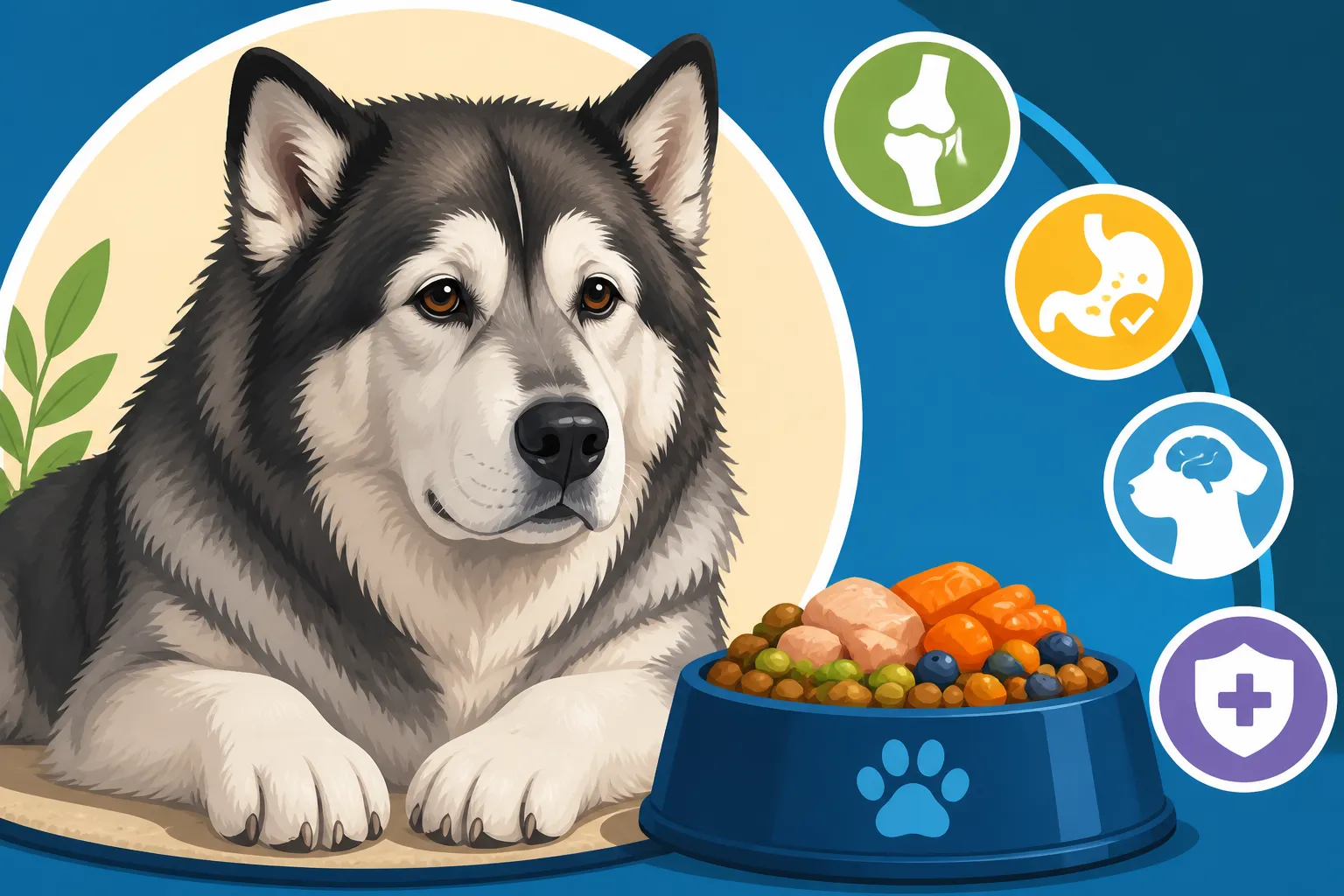
Incorporating specific ingredients known to support joint health can make a real difference. Look for foods that include glucosamine and chondroitin, often found naturally in ingredients like green-lipped mussel or added as supplements. Omega-3 fatty acids, especially EPA and DHA, are powerful anti-inflammatories that can significantly reduce joint pain and improve mobility. Many senior dog foods are fortified with these, or you can add a good quality fish oil supplement. Sometimes, just these dietary tweaks, alongside appropriate exercise, can bring back a surprising amount of comfort and ease of movement to your old friend. If you're looking for supplements, you can often find a good range on Chewy or Amazon.
Digestive Sensitivities and Gut Health
You might notice that your older Malamute's stomach isn't quite as iron-clad as it used to be. They might experience more frequent episodes of upset stomach, gas, or changes in stool consistency. This can stem from a slowdown in their digestive system, changes in gut flora, or increased sensitivity to certain ingredients they once tolerated perfectly. It’s a messy and uncomfortable problem for both of you.
To combat this, look for highly digestible formulas that are gentle on the stomach. Often, this means foods with easily processed protein sources and moderate fat levels. Fiber is also key here; a balanced amount can promote regularity and feed beneficial gut bacteria. Probiotics, either added to their food or given as a supplement, can help replenish and maintain a healthy microbiome, which is crucial for nutrient absorption and overall immune health. Sometimes, simply feeding smaller, more frequent meals can also alleviate digestive distress, giving their system less to process at once.
The Continued Importance of Zinc Absorption
For Alaskan Malamutes, zinc is not just important; it's absolutely critical, and this doesn't change as they age. In fact, some older dogs can even develop issues with nutrient absorption, making a pre-existing breed susceptibility like zinc malabsorption even more precarious. How Poor Zinc Absorption Links a Malamute's Three Disorders is something every Malamute owner should be aware of throughout their dog's life, not just when they are young.
If your senior Malamute is showing signs of dull coat, skin crusting around the eyes, muzzle, or joints, or even paw pad thickening, it's vital to consider their zinc intake and absorption. While many senior foods are formulated to be balanced, they may not account for the Malamute's specific genetic predisposition. Discuss with your vet whether a specialized zinc supplement is necessary, and consider feeding foods that have highly bioavailable forms of zinc. Remember, too much calcium can interfere with zinc absorption, so balance is key, and avoid feeding excessive dairy or calcium-rich treats without considering the overall dietary picture. Whether a Malamute Needs Zinc for Life is a question many owners ask, and often the answer is yes, especially for those prone to deficiency.
Essential Nutrients for Senior Malamutes
Crafting the perfect diet for an old Malamute isn't just about reducing calories; it's about focusing on the quality and balance of specific nutrients. Their bodies are working harder to maintain health, so every bite needs to count. It's a delicate dance, ensuring they get what they need without overwhelming their aging systems.
High-Quality Protein for Muscle Maintenance
One of the biggest misconceptions about senior dog diets is that protein should be drastically reduced. While it's true that for dogs with advanced kidney disease, protein restriction might be necessary, for most healthy aging Malamutes, high-quality protein is crucial. As dogs age, they tend to lose muscle mass, a condition called sarcopenia, which contributes to weakness and frailty. Protein is the building block for muscle.
Therefore, your senior Malamute's diet should still contain a good amount of highly digestible, high-quality animal protein. We're talking about ingredients like chicken, turkey, lamb, or fish, rather than vague "meat meal" or excessive plant-based proteins that can be harder for an older system to utilize efficiently. Adequate protein helps maintain muscle mass, supports immune function, and keeps their body strong. The key word here is high-quality and digestible – their bodies need to be able to break it down and use it effectively without putting undue stress on their kidneys.
Balanced Fats for Energy and Skin Health
Fats often get a bad rap, but they are an essential part of any dog's diet, providing concentrated energy and supporting vital bodily functions. For senior Malamutes, while overall caloric intake might need to be lower, a balanced amount of healthy fats is still important. They provide energy without large volumes of food, which can be beneficial if your Malamute has a smaller appetite or dental issues.
Beyond energy, fats, particularly omega-3 and omega-6 fatty acids, play a critical role in maintaining healthy skin and a lustrous coat – something especially important for a double-coated breed like a Malamute. These fats also have anti-inflammatory properties, which, as we discussed, can aid in joint comfort. Look for foods that include sources like fish oil, flaxseed, or chicken fat. Avoid excessive amounts of saturated fats, but don't shy away from healthy fats altogether. It's about moderation and quality.
Fiber for Digestive Regularity
Fiber is the unsung hero of digestive health, especially for older dogs. As a Malamute's digestive system slows down, constipation can become an issue, or conversely, they might experience bouts of loose stools. A balanced amount of both soluble and insoluble fiber helps regulate bowel movements, keeping things moving smoothly and comfortably.
Sources of fiber in dog food often include ingredients like beet pulp, rice bran, peas, and various fruits and vegetables. Soluble fiber can help firm up loose stools, while insoluble fiber adds bulk and aids in the passage of waste. It also contributes to satiety, helping your senior Malamute feel full without overeating, which is great for weight management. If your Malamute is experiencing digestive upset, adjusting fiber content, often found in senior-specific or sensitive stomach formulas, can make a noticeable difference in their comfort and stool quality.
Vitamins, Minerals, and Antioxidants
A senior Malamute's diet needs to be packed with a full spectrum of vitamins and minerals to support their aging body, from bone health to immune function. Beyond the basics, antioxidants become particularly important. As cells age, they can accumulate damage from free radicals, contributing to various age-related diseases.
Antioxidants, such as vitamins E and C, selenium, and compounds found in berries and other plant-based ingredients, help neutralize these free radicals, supporting cellular health and potentially slowing down the aging process. These nutrients also bolster the immune system, which can become weaker in older dogs, making them more susceptible to illness. A high-quality senior dog food will be fortified with these essential micronutrients. Consider Joint Supplements for an Alaskan Malamute or other targeted supplements if your vet recommends them, to ensure every nutritional base is covered.
Selecting the Best Food for Your Older Malamute
Walking down the pet food aisle or browsing online can feel like stepping into a labyrinth. The sheer number of options is overwhelming, and trying to decipher which one is truly "best" for your aging Malamute can leave you utterly stumped. But don't despair; with a little knowledge, you can navigate these choices confidently.
Evaluating Commercial Senior Dog Foods
The market is flooded with commercial dog foods specifically marketed for "seniors" or "mature adults." This can be a great starting point, as these formulas are generally designed with lower calorie counts, moderate protein, and added joint support. However, not all senior foods are created equal, and what works for a Chihuahua might not be ideal for an Alaskan Malamute.
When evaluating these options, look beyond the "senior" label. Scrutinize the ingredient list. The first few ingredients should be identifiable, high-quality protein sources. Check for the presence of glucosamine, chondroitin, and omega-3 fatty acids for joint and skin health. Pay attention to the fat content – it should be lower than adult formulas but not drastically so. A good senior food will also have a balanced fiber content to aid digestion. Don't be afraid to compare a few different brands; even popular choices found on Chewy or Amazon will vary significantly in their composition. Reading customer reviews can also provide insights, but remember, every dog is an individual.
Considering Fresh, Cooked, or Raw Options
Beyond traditional kibble, many owners are exploring fresh, cooked, or even raw diets for their senior Malamutes. These options can offer higher palatability, easier digestibility, and often more natural sources of nutrients, which can be a huge benefit for an older dog with a finicky appetite or digestive issues.
- Fresh/Cooked Diets: Services like Ollie deliver pre-portioned, human-grade meals directly to your door. These often contain easily digestible proteins, vegetables, and healthy fats, cooked gently to preserve nutrients. They can be particularly appealing to dogs with dental problems who struggle with hard kibble. The downside can be the cost and storage requirements.
- Raw Diets: Raw feeding, or BARF (Biologically Appropriate Raw Food) diets, involves feeding uncooked meat, bones, and organs. Proponents argue it's closer to a dog's ancestral diet. For senior Malamutes, it can offer high digestibility and palatability. However, raw feeding requires meticulous attention to hygiene, nutrient balance, and sourcing, especially for immunocompromised older dogs. There's also a risk of bacterial contamination. If considering raw, a vet consultation is paramount to ensure it's done safely and appropriately for your specific senior Malamute's health status.
- Homemade Cooked Diets: Preparing meals yourself gives you complete control over ingredients. This is fantastic for dogs with sensitivities or specific health needs. However, it's incredibly difficult to formulate a nutritionally complete and balanced diet without the guidance of a veterinary nutritionist. Deficiencies or excesses can arise over time and cause serious health problems. It's not just about cooking chicken and rice; it's about precise ratios of vitamins, minerals, and amino acids.
Reading Labels and Ingredient Lists
The most powerful tool you have in selecting food for your senior Malamute is the ability to read and understand pet food labels. Don't just glance at the front of the bag; turn it over and dive into the guaranteed analysis and ingredient list.
- Guaranteed Analysis: This tells you the minimum percentages of crude protein and fat, and maximum percentages of crude fiber and moisture. For senior Malamutes, aim for a moderate protein percentage (often 22-28% on a dry matter basis), a lower fat percentage (10-15%), and a moderate fiber content (3-7%).
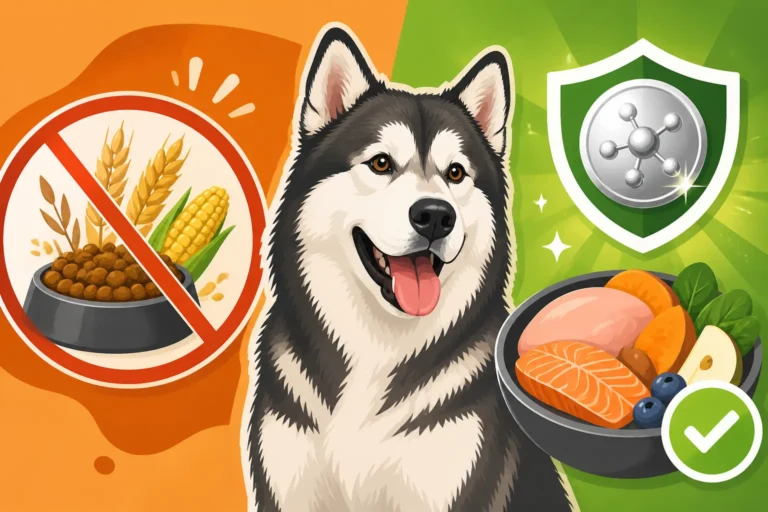
- Ingredient List: Ingredients are listed by weight before cooking. Look for whole, identifiable meat sources as the first ingredient(s). Avoid generic terms like "meat by-products" if possible, though not all by-products are bad. Watch out for excessive fillers, artificial colors, flavors, or preservatives. Understanding what each ingredient is and why it's there empowers you to make informed decisions. For instance, if you see "corn" high up, consider if that's the best energy source for your particular Malamute. Some older Malamutes might do better on easily digestible grains like rice or oats, or even grain-free options if they have specific sensitivities (though be mindful of the potential links between grain-free diets and certain heart conditions – always discuss with your vet).
| Nutritional Component | Young Adult Malamute (Active) | Senior Malamute (Less Active) | Why the Change? |
|---|---|---|---|
| Protein | Higher (25-30%+) | Moderate-High (22-28%) | Maintain muscle mass, but easier on kidneys. |
| Fat | Higher (15-20%+) | Lower-Moderate (10-15%) | Reduced caloric need, prevents weight gain. |
| Fiber | Moderate (2-5%) | Moderate-Higher (3-7%) | Aid digestion, satiety, manage constipation. |
| Calories | High | Lower | Slower metabolism, reduced activity. |
| Glucosamine/Chondroitin | Optional | Recommended | Joint health, arthritis support. |
| Omega-3s | Important | Essential | Anti-inflammatory, skin, coat, cognitive. |
| Zinc | Crucial | Crucial (monitor absorption) | Breed-specific need, skin health. |
Optimizing Feeding Routines and Hydration
It's not just what they eat, but how and when they eat that can significantly impact a senior Malamute's well-being. Adjusting their feeding routine to accommodate their slower pace and changing habits can make a huge difference in their comfort, digestion, and overall health.
Adjusting Meal Frequency and Portion Sizes
As Malamutes age, their digestive systems can become less efficient, and their appetites might fluctuate. Continuing to feed one or two large meals a day, as you might have done for a younger, more active dog, could lead to digestive upset, gas, or even bloat, which is a serious concern for deep-chested breeds like Malamutes. Signs a Malamute Is Bloating are something every owner should know.
Instead, consider breaking their daily food allowance into three or even four smaller meals throughout the day. This reduces the burden on their digestive system, helps stabilize blood sugar levels, and can be more appealing to an older dog with a dwindling appetite. It also means they're not going as long between meals, which can prevent them from getting overly hungry and bolting their food. Portion control becomes paramount here; use a measuring cup to ensure you're sticking to the recommended daily amount, then divide it up. It's easy to accidentally overfeed, especially if you're just "eyeballing" it. Remember, consistency in feeding times can also help their digestive system establish a rhythm.
Encouraging Adequate Water Intake
Hydration is absolutely vital for senior Malamutes, yet it's often overlooked. Older dogs can be more prone to dehydration due to various factors, including decreased thirst drive, kidney issues, or certain medications. Dehydration can exacerbate kidney problems, lead to constipation, and just generally make them feel miserable.
Make sure fresh, clean water is always available in multiple locations around the house, especially near their favorite resting spots. Some Malamutes might prefer drinking from a ceramic or stainless steel bowl over plastic. Consider adding a pet water fountain; the moving water can entice some dogs to drink more. You can also boost their water intake by adding warm water or low-sodium bone broth to their kibble, or by feeding wet or fresh food, which naturally has higher moisture content. If your Malamute isn't drinking much, or you notice signs of dehydration (like lethargy, dry gums, or sunken eyes), consult your vet immediately.
Creating a Comfortable Feeding Environment
Think about your own dining experience. You wouldn't want to eat standing up if your joints hurt, or be jostled constantly. The same goes for your senior Malamute. Their comfort during meal times can significantly impact their appetite and digestion.
Ensure their feeding area is quiet, calm, and away from high-traffic zones or other pets that might make them feel rushed or anxious. If your Malamute has arthritis or difficulty bending down, consider elevated food and water bowls. This can alleviate strain on their neck, back, and hips, making eating a much more comfortable experience. A non-slip mat under their bowls can also prevent them from sliding around, which can be frustrating and even painful for an unsteady older dog. Lastly, make mealtime a positive, peaceful experience. Avoid rushing them, and allow them to eat at their own pace. Signs an Alaskan Malamute Is Getting Old include changes in mobility and comfort, so adjusting their environment to suit these changes is key.
Dietary Support for Specific Senior Health Issues
As our Malamutes age, they can become susceptible to a range of health conditions. While diet isn't a cure-all, it can be a powerful tool in managing symptoms, slowing progression, and improving their quality of life alongside veterinary care. It's about being proactive and tailored in their nutrition.
Managing Kidney and Liver Concerns
Kidney disease and liver issues are unfortunately common in older dogs, and diet plays a critical role in their management. If your vet diagnoses either of these conditions, they will likely recommend a prescription therapeutic diet designed to support these organs.
- Kidney Disease: Specialized renal diets are typically lower in protein (but with high-quality sources), lower in phosphorus, and sometimes have adjusted sodium levels. The goal is to reduce the workload on the kidneys while still providing adequate nutrition. Never restrict protein significantly without veterinary guidance, as this can lead to muscle wasting.
- Liver Disease: Dietary management for liver disease varies depending on the specific condition. Generally, these diets are highly digestible, provide moderate, high-quality protein, and may contain specific antioxidants and B vitamins to support liver function.
It’s tempting to try and concoct your own "kidney-friendly" or "liver-friendly" diet at home, but the precise balance of nutrients in therapeutic diets is crucial. These are formulated to clinical specifications to provide optimum support and manage disease progression. Deviating from them without professional guidance can do more harm than good. Talk to your vet about options available through brands like Purina, Royal Canin, or Hills, which often have these specialized formulas.
Supporting Cognitive Function and Brain Health
Have you noticed your old Malamute getting a bit confused, staring blankly at walls, or perhaps forgetting cues they once knew perfectly? This could be a sign of Canine Cognitive Dysfunction (CCD), similar to Alzheimer's in humans. Whether an Old Malamute Gets Confused is a common concern for owners of aging dogs. While heartbreaking, diet can offer some support.
Certain nutrients have been shown to support brain health and potentially slow the progression of CCD. Look for diets or supplements rich in:
- Antioxidants: Vitamins E and C, selenium, and compounds from fruits and vegetables help protect brain cells from damage.
- Omega-3 Fatty Acids (especially DHA): DHA is a major structural component of the brain and is vital for cognitive function. Fish oil supplements or foods fortified with DHA can be beneficial.
- Medium-Chain Triglycerides (MCTs): Found in coconut oil, MCTs can provide an alternative energy source for the brain when glucose metabolism is impaired, potentially improving cognitive function.
Many senior-specific dog foods now include these "brain-boosting" ingredients. If your Malamute is showing signs of cognitive decline, discuss these dietary interventions with your vet; they might also recommend prescription foods specifically formulated for cognitive support.
Addressing Skin and Coat Changes
An aging Malamute's glorious double coat might not be quite as thick and shiny as it once was. You might notice thinning, dryness, or even increased shedding, beyond their normal coat blow cycles. Their skin, too, can become drier or more prone to issues. This isn't just cosmetic; skin and coat health are indicators of overall nutritional status.
Dietary support for skin and coat primarily revolves around healthy fats and specific micronutrients. Ensure their diet provides ample:
- Omega-3 and Omega-6 Fatty Acids: These essential fatty acids are crucial for skin barrier function and coat luster. Sources include fish oil, flaxseed, and chicken fat.
- Zinc: As always with Malamutes, zinc is non-negotiable. Ensure their diet provides adequate, bioavailable zinc, and consider a supplement if recommended by your vet. Zinc Responsive Dermatosis in an Alaskan Malamute is a condition to remain vigilant about at any age.
- Vitamins (especially Biotin and Vitamin E): These play a role in skin cell turnover and antioxidant protection.
Sometimes, just improving the quality of their overall diet, with a focus on these specific nutrients, can bring a remarkable improvement to their skin and coat, helping them look and feel more comfortable in their senior years. Regular grooming, especially during The Malamute Coat Blow That Fills a Vacuum in an Afternoon, also remains essential, but diet provides the foundation.
Disclaimer
This article is for general informational purposes only and does not constitute professional advice. Laws, prices and regulations vary by location and change over time. Consult a qualified professional for guidance on your specific situation.