Whether an Alaskan Malamute Sheds All Year
If you're wondering if your magnificent Alaskan Malamute sheds all year long, you've probably already found stray tufts of fur clinging to your socks, decorating your furniture, and perhaps even seasoning your morning coffee. It's a question many prospective and new Malamute owners grapple with, often fearing a constant, overwhelming blizzard of hair. The truth, like most things with these incredible dogs, is a bit more nuanced than a simple "yes," but the reality does indeed involve a persistent, if varying, presence of their glorious double coat in your life. This guide will help you understand the dynamics of Malamute shedding, how to manage it, and what to expect throughout the year.
The Myth of "Constant" Shedding vs. Reality
Let's address the elephant in the room, or rather, the tumbleweed of fur rolling across your living room floor. Many people assume "sheds all year" means a relentless, heavy snowstorm of fur every single day. While it might feel that way at times, the reality is more about consistent, low-level shedding punctuated by spectacular, often shocking, seasonal "coat blows." Understanding this distinction is key to managing expectations and keeping your sanity (and your vacuum cleaner) intact.
Understanding the Alaskan Malamute's Double Coat
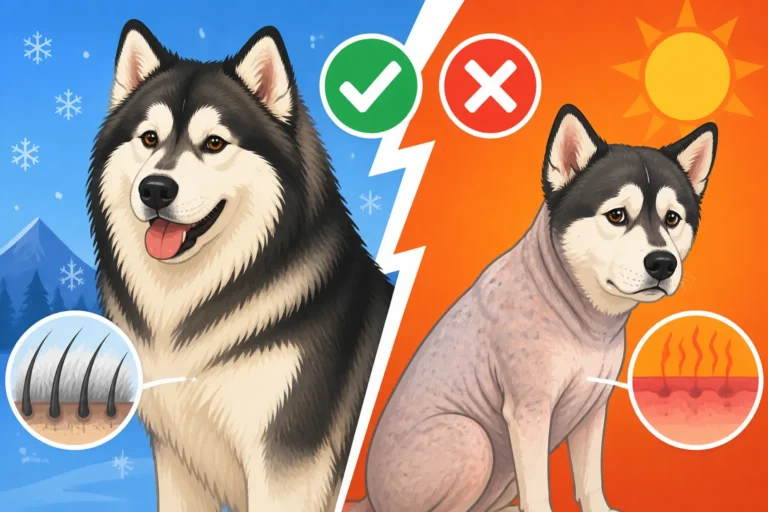
The Alaskan Malamute possesses a truly remarkable double coat, a testament to their heritage in the harsh Arctic environments with the Mahlemut people. This coat isn't just for show; it's a finely tuned survival mechanism. You have the soft, dense, woolly undercoat, which acts as incredible insulation, trapping warmth in winter and providing a protective layer against heat and sun in summer. Then, there's the coarse, protective outer guard coat. These longer, stiffer hairs lie over the undercoat, repelling water, dirt, and snow, acting like a natural shield. This dual-layer system is why they thrive in cold climates, and it's also the reason for their unique shedding pattern. Their skin and coat are truly a marvel of natural engineering, but they do require specific care to remain healthy, and you can learn more about this in Reading a Malamute's Skin Before the Crusts Appear.
Think of it like this: the undercoat is your Malamute's personal, built-in down parka. The guard coat is the waterproof, wind-resistant shell. Both are essential, and both contribute to the shedding process. This robust coat is far denser than what you'd find on many other breeds, giving them that plush, majestic appearance that draws so many of us in. But with that majesty comes a significant responsibility for grooming and an acceptance of inevitable fur.
The Difference Between Shedding and "Blowing Coat"
This is a crucial distinction. "Shedding" in a Malamute refers to the daily, routine loss of individual hairs from both the undercoat and guard coat. It's a continuous process where old, dead hairs fall out to make way for new ones. You'll notice this as a general background level of fur around your home, on your clothes, and wherever your Malamute decides to nap. It's manageable with regular brushing and vacuuming.
"Blowing coat," on the other hand, is an entirely different beast. This is where the Malamute massively sheds its entire undercoat, usually twice a year. Imagine shedding not just individual hairs, but entire clumps, tufts, and even sheets of their fluffy insulation. It's an explosion of fur that can truly overwhelm an unprepared owner. This process can last for weeks, turning your home into what feels like a winter wonderland, even in the middle of summer. Many owners recount stories of filling multiple shopping bags with fur during a single brushing session, a phenomenon captured perfectly by The Malamute Coat Blow That Fills a Vacuum in an Afternoon. This isn't just shedding; it's a complete wardrobe change.
| Feature | Everyday Shedding | Seasonal "Coat Blow" |
|---|---|---|
| Intensity | Low to moderate, consistent | Extreme, heavy |
| Duration | Continuous throughout the year | 2-4 weeks, typically twice a year |
| Type of Hair Lost | Individual guard hairs & undercoat | Massive amounts of undercoat, clumps |
| Visibility | Noticeable, but manageable | Overwhelming, forms "fur tumbleweeds" |
| Primary Purpose | Hair renewal, coat health | Temperature regulation, coat cycle |
| Management Focus | Regular brushing, vacuuming | Intensive daily brushing, bathing |
Factors Influencing Year-Round Shedding
While seasonal coat blows are largely driven by daylight hours and temperature changes, the level of daily shedding can be influenced by several factors. A Malamute living indoors in a climate-controlled environment, for example, might have a less dramatic distinction between its seasonal blows and daily shedding, as its body isn't experiencing the same stark changes in temperature and light. This can sometimes lead to more consistent, moderate shedding throughout the year rather than two distinct, heavy blows.
Nutrition plays a significant role as well. A high-quality diet, rich in essential fatty acids like Omega-3s, can contribute to a healthier coat, which in turn might mean less excessive shedding due to dryness or poor hair quality. If your Malamute isn't getting adequate nutrients, you might find their coat is duller and they shed more frequently. Hormonal changes, such as those experienced by intact females during heat cycles or after a litter, can also trigger periods of heavier shedding. Stress or underlying health issues can manifest as changes in coat condition and shedding patterns, so it's always wise to consult your vet if you notice a sudden, drastic change.
Surviving the Seasonal Coat Blows
Ah, the coat blow. If you own an Alaskan Malamute, this is less a question of "if" and more of "when and how much." It's an experience that truly defines Malamute ownership, turning even the most meticulous homes into a furry landscape. Preparing for and managing these periods is essential for maintaining both your home's cleanliness and your dog's comfort.
When and How Often Malamutes Blow Their Coat
Generally, Alaskan Malamutes will have two major coat blows per year. The timing can vary slightly depending on your specific climate and whether your dog lives primarily indoors or outdoors. The most significant blow usually happens in spring, as they shed their dense winter undercoat to prepare for warmer weather. This can start as early as March and continue well into May or even June. The second, slightly less dramatic, blow occurs in the fall, as they shed their lighter summer coat to make way for their heavy winter insulation. This typically kicks off in late September or October.
However, as mentioned, Malamutes living in very stable indoor environments might shed a bit more consistently year-round, with less defined "blows" because their bodies aren't getting the strong environmental cues. Still, you can expect some seasonal increase in shedding, even if it's not the full-on "explosion" seen in dogs exposed to more natural temperature fluctuations. Factors like spaying or neutering can also alter hormonal cycles, which might affect the timing and intensity of coat blows, sometimes leading to a more continuous, moderate shed.
The Sheer Volume of Fur During a Coat Blow
You've heard the stories, now picture it: during a full coat blow, you could knit a second Malamute from the amount of fur that comes off your dog. It’s not an exaggeration! The undercoat detaches in massive clumps, creating what many owners lovingly refer to as "fur bunnies," "Malamute tumbleweeds," or even "ghosts" as large, woolly pieces detach. This isn't just loose hair; it's significant portions of their insulating layer. You'll find it everywhere: on your clothes, stuck to furniture, wafting through the air, and collecting in corners.
This incredible volume of fur is the primary reason why Malamute ownership requires a special level of commitment to grooming and house cleaning. It's a time when you might find yourself vacuuming multiple times a day and still feeling like you're losing the battle. The good news is that this intense shedding phase, while daunting, usually only lasts for a few weeks before tapering off. Embracing the blow with a sense of humor and a powerful vacuum is often the best approach. Knowing what to expect during this period can help mitigate the shock and frustration, allowing you to focus on getting that dead undercoat out, which is vital for your dog's comfort and skin health. How Much Undercoat a Malamute Puts Into a House goes into more detail on this topic.
Tools and Techniques for Managing the Blow
Managing a coat blow requires a multi-pronged attack. First and foremost, a high-velocity force dryer is your best friend. Seriously, if you don't have one, consider it an essential investment. These dryers blow out the loose undercoat with incredible efficiency, often reducing brushing time significantly. You can buy good quality ones from online retailers like Chewy or Amazon. A thorough bath, followed by an hour or two with a force dryer, can remove a shocking amount of fur.
For manual grooming, an undercoat rake is indispensable. These tools are designed to penetrate the guard coat and gently pull out the dead undercoat without damaging the healthy hair. You'll want to brush your Malamute daily, sometimes even twice a day, during a coat blow. Metal combs with varying tooth widths can also help to work through tangles and remove smaller bits of loose fur. Some owners also find deshedding tools helpful, but always use them sparingly and correctly to avoid irritating the skin or cutting the healthy guard hairs. Remember, the goal is to get that dead undercoat out, as it can mat and cause skin irritation if left trapped. Investing in quality grooming tools makes all the difference, and you can explore this further in Which Tools a Malamute Owner Buys Once.
Strategies for Year-Round Coat Care
Beyond the dramatic seasonal blows, consistent, year-round coat care is essential for any Alaskan Malamute owner. It's not just about managing the fur in your home; it's about maintaining your dog's comfort, skin health, and overall well-being. A well-cared-for coat reflects a healthy Malamute, and regular maintenance can significantly reduce the amount of "background" shedding you experience.
Daily Brushing for Minimal Shedding
While it might sound like a lot, daily brushing, especially during peak shedding times, can make a monumental difference in managing your Malamute's coat. Even during periods of lighter shedding, a quick daily brush helps to remove loose hairs before they can land on your furniture or clothes. For everyday grooming, a slicker brush can help to smooth the topcoat and catch surface hairs, while a pin brush works well for overall detangling and stimulating the skin. A sturdy metal comb can help check for mats, particularly behind the ears, in the "armpits," and around the tail, which are prone to tangles.
Regular brushing not only collects the shedding hair, but it also distributes natural oils throughout the coat, keeping it healthy and shiny. This routine can also be a wonderful bonding experience for you and your Malamute, establishing a calm, positive interaction. Don't underestimate the power of consistency; a few minutes each day can prevent a much longer, more arduous grooming session down the line. To dive deeper into brushing techniques, check out How Often an Alaskan Malamute Needs Brushing.
Nutritional Support for a Healthy Coat
What goes into your Malamute directly impacts the quality of their coat. A diet rich in high-quality proteins, essential fatty acids (like Omega-3 and Omega-6), and vitamins can significantly contribute to a healthy, vibrant coat that sheds less due to breakage or poor health. Look for dog foods that list real meat as the first ingredient and contain sources of fish oil or flaxseed. Some owners opt for fresh or raw food diets, such as those offered by brands like Ollie, believing they provide superior nutrient absorption for skin and coat health.
If your Malamute's coat seems dull, dry, or they are shedding excessively outside of normal coat blow periods, it might be worth discussing dietary adjustments with your vet. Sometimes, a supplement like salmon oil or a specific skin and coat supplement can make a noticeable difference. However, always consult with your veterinarian before adding any supplements to your dog's diet, especially considering the Malamute's unique metabolic needs and potential zinc absorption issues discussed in The Efficient Metabolism That Surprises Every New Malamute Owner. Ensuring they receive adequate zinc, for instance, is crucial for skin health, as outlined in Whether a Malamute's Kibble Contains Enough Zinc.
Professional Grooming vs. DIY
Deciding whether to tackle all Malamute grooming yourself or to enlist the help of a professional groomer is a common dilemma. Many Malamute owners manage daily brushing and occasional baths at home, but during a major coat blow, a professional groomer can be an absolute lifesaver. They often have access to high-velocity dryers and specialized equipment that can deshed a Malamute far more efficiently than you might be able to at home. A professional deshedding bath and blow-out can remove a surprising amount of dead undercoat, drastically reducing the amount of fur you'll find in your home for weeks afterward.
However, be sure to find a groomer experienced with double-coated breeds. It's crucial that a Malamute's coat is never shaved unless medically necessary, as this can permanently damage their double coat and compromise their ability to regulate temperature. This is a vital point explored further in Why an Alaskan Malamute Must Never Be Shaved. If you choose to DIY, be prepared to invest in quality tools and set aside dedicated time, especially during those intense shedding periods.
Living with the Fur: Practical Home Management
No matter how diligent you are with grooming, living with an Alaskan Malamute means living with fur. It's part of the package, a furry badge of honor for loving such magnificent creatures. But that doesn't mean you have to surrender your home entirely to dog hair. With a few practical strategies, you can minimize its impact and maintain a comfortable living space.
Protecting Your Home from Malamute Hair
Prevention is often the best defense. Consider using washable covers on your furniture, especially on your Malamute's favorite napping spots. Throw blankets or specific pet covers can catch a significant amount of hair and are easy to toss in the washing machine. Designating specific areas for your Malamute to relax can also help concentrate the fur to certain zones, making cleanup more targeted. For example, if they have a favorite bed, ensure it's easily washable and perhaps vacuum around it more frequently.
Using lint rollers regularly on your clothes before leaving the house will become second nature, and keeping them strategically placed near doors or in your car can be incredibly helpful. Some owners even use specialized car seat covers to contain fur during travel. Ultimately, accepting that some fur will always be present is part of the Malamute ownership journey, but these small protective measures can prevent it from completely taking over.
Cleaning Tips for a Furry Household
Your vacuum cleaner will become one of your most prized possessions. Investing in a powerful vacuum specifically designed for pet hair is not a luxury; it's a necessity. Look for models with strong suction, good filtration (HEPA filters are a bonus), and attachments for upholstery. Regular vacuuming, often daily during coat blows, will be crucial. Robot vacuums can be a fantastic supplement for daily maintenance, picking up surface hair before it accumulates.
Beyond vacuuming, consider using rubber brooms or squeegees on carpets and rugs before vacuuming. These tools are surprisingly effective at gathering pet hair that traditional brooms often miss. For hard floors, a microfiber mop or cloth can trap loose hairs rather than just pushing them around. Don't forget to regularly clean air filters in your home, as they can quickly become clogged with Malamute fur, impacting air quality and efficiency. A consistent cleaning routine, even if it feels never-ending, will make a world of difference.
Embracing the Malamute Lifestyle
Ultimately, deciding whether an Alaskan Malamute is the right dog for you often comes down to accepting their unique traits, and shedding is certainly one of them. While they do have periods of intense shedding (the infamous "coat blows"), they also shed a moderate amount year-round. It's not truly "constant blizzard" level shedding all 365 days, but rather a consistent background hum of fur, punctuated by two major events.
Malamute ownership is a commitment to regular grooming, a good vacuum cleaner, and a healthy dose of patience. But for those who cherish their independent, loyal, and endlessly charming companions, a little (or a lot) of fur is a small price to pay. Embracing the fur, rather than fighting it, often leads to a happier household. After all, every strand of hair is a reminder of the magnificent, loving companion sharing your life. If you're considering welcoming one of these beautiful dogs into your home, be prepared for the fur, and you'll find the rewards far outweigh the occasional tumbleweed.
Disclaimer
This article is for general informational purposes only and does not constitute professional advice. Laws, prices and regulations vary by location and change over time. Consult a qualified professional for guidance on your specific situation.