The Efficient Metabolism That Surprises Every New Malamute Owner
One of the biggest surprises for new Alaskan Malamute owners is often how little these magnificent dogs actually need to eat. You might envision a huge, powerful dog devouring mountains of food, but the reality is quite different. Many owners, with the best intentions, find themselves constantly battling a Malamute that seems to thrive on much less food than expected, often leading to accidental overfeeding and the health issues that come with it. This guide will unravel the mystery of the Alaskan Malamute's incredibly efficient metabolism, explaining why they eat less, the dangers of mismanaging their diet, and how to keep your powerful companion at a healthy, working weight.
Understanding the Malamute's Ancestral Diet and Physiology
To truly grasp why your Malamute isn't a bottomless pit, we need to go back to their roots. These dogs weren't just bred; they evolved alongside the Mahlemut people in the harsh, unforgiving Arctic. Every aspect of their physiology, including their metabolism, is a testament to survival in an environment where food was often scarce and energy conservation was paramount.
Built for Harsh Environments, Not Constant Feasting
Imagine the icy landscapes of the Arctic, where long, dark winters meant lean times. The Mahlemut people relied on their dogs for survival, not as pampered pets, but as indispensable partners for hunting, hauling, and navigating treacherous terrain. These dogs couldn't afford to be inefficient with their calories. Their bodies learned to extract every last bit of energy from whatever food was available and to store it wisely. This isn't just about 'eating less'; it's about a highly specialized system that makes the most of every meal.
Other breeds, developed in more temperate climates or for different purposes, simply didn't face the same evolutionary pressures. A Mastiff or a German Shepherd, for instance, might have a completely different metabolic rate, reflecting their lineage and the abundance of food in their historical environments. For a Malamute, wastefulness with energy meant potential starvation or inability to perform their vital duties. Their very existence depended on this metabolic efficiency, a trait that continues to define them today, even when they're curled up on your living room rug instead of pulling a sled across the tundra.
The Thrifty Gene and Energy Conservation
The concept of a "thrifty gene" perfectly describes the Malamute's metabolic superpower. Their ancestors possessed genes that allowed them to be incredibly efficient at converting food into energy and storing any excess as fat. This was a massive advantage when food sources were unpredictable. A Malamute could consume a moderate meal and sustain itself for longer periods than a dog without this genetic predisposition. They are masters of energy conservation, burning calories at a slower rate and making every mouthful count.
This "thrifty gene" means that for a Malamute, even a slightly higher-than-needed calorie intake can quickly translate into stored fat. Unlike breeds that might burn off excess energy more readily, a Malamute's body is hardwired to hold onto those calories. This impacts their daily caloric needs significantly; what might be a maintenance diet for another large breed could easily lead to weight gain for a Malamute. Owners often find themselves adjusting feeding guidelines downwards from what they initially expected for a dog of such stature, a direct consequence of this ancient, survival-driven metabolism.
Why Your Malamute Eats Less Than You Expect
It's a common scenario: you bring home your fluffy Malamute puppy, expecting it to eat like a small horse, only to find it's barely touching its bowl or seems satisfied with half of what the bag suggests. This isn't unusual, and it's directly tied to their efficient metabolism.
Not a Bottomless Pit: Appetite vs. Actual Need
Many new Malamute owners are genuinely surprised by how little their dogs eat. You're probably used to the idea that a big dog needs a lot of food. However, for a Malamute, their actual caloric needs are often much lower than what an owner might anticipate, even when they're quite active. It's easy to look at that large frame and assume it needs constant fuel, but their body just doesn't work that way. They are designed to operate optimally on less.
For instance, if a bag of kibble recommends 4-6 cups a day for a 70-80 pound dog, a Malamute might only need 3-4 cups to maintain a healthy weight. Giving them the higher end of the recommendation, especially if they're not actively working in cold weather, will almost certainly lead to unnecessary weight gain. The frustration comes when you see them pass up a meal, or pick at their food, making you worry they're not eating enough, when in reality, their body is simply telling them they're adequately fueled. They aren't trying to starve themselves; they're just being Malamutes.
Slow Growth and Metabolic Pacing
Another facet of the Malamute's unique metabolism is its slower, more deliberate growth pattern. While some giant breeds can shoot up in size seemingly overnight, Malamute puppies tend to grow at a more moderate pace. This slower growth is beneficial for their developing joints and skeletal structure, reducing the risk of growth-related orthopedic problems. It's a natural pacing that aligns with their overall energy conservation.
Overfeeding a Malamute puppy in an attempt to make them grow bigger or faster is counterproductive and harmful. Pushing too many calories into a growing Malamute can force their bones and joints to develop too quickly, predisposing them to issues like hip or elbow dysplasia. Instead, a steady, controlled diet that supports gradual, healthy development is crucial. Their efficient metabolism means they don't need a huge volume of nutrient-dense food to achieve their eventual adult size, just the right amount consistently. For more on this, you might find Why a Malamute Puppy Should Grow Slowly really helpful.
The Dangers of Overfeeding and Obesity
Given their efficient metabolism, it's incredibly easy to overfeed an Alaskan Malamute. What might seem like a normal amount of food for another large breed can quickly push a Malamute into an unhealthy weight range, leading to a cascade of health problems.
Health Risks of Extra Weight in a Malamute
When a Malamute carries extra weight, it places undue stress on their powerful, yet still delicate, skeletal system. Joint problems like hip and elbow dysplasia, which are already concerns for large breeds, become significantly exacerbated. Imagine lugging around an extra 10-20 pounds all day – that's a lot of wear and tear on joints that are meant to glide smoothly. Beyond orthopedic issues, obesity contributes to a higher risk of other serious health conditions, including diabetes, heart disease, and even certain cancers.
One of the most immediate and dangerous consequences for an overweight Malamute, particularly in warmer climates, is heat intolerance. Their thick double coat is designed to keep them warm, and when combined with an insulating layer of fat, it can quickly lead to overheating. A Malamute carrying extra pounds struggles much more to regulate its body temperature. Even a short walk on a warm day can become a life-threatening situation. If you've ever worried about your Malamute in summer, then Overweight Malamute Overheats Faster is a must-read. It’s not just about comfort; it's about survival.
Impact on Performance and Lifespan
An overweight Malamute is not just an unhealthy Malamute; it's also a Malamute unable to fulfill its natural potential. Their inherent drive to pull, run, and explore is severely hampered when they're carrying excess weight. Their endurance plummets, their agility decreases, and even simple activities become a strenuous chore. A dog built for strength and stamina becomes sluggish and unwilling to engage, which can be heartbreaking for an owner who understands the breed's working heritage.
Beyond the immediate impact on quality of life, chronic obesity can significantly shorten a Malamute's lifespan. The constant strain on organs and joints, coupled with the increased risk of various diseases, means they simply won't live as long or as happily as a lean, healthy Malamute. We all want our beloved companions to be with us for as long as possible, living vibrant, active lives. Understanding that their lifespan of The Ten to Fourteen Years an Alaskan Malamute Lives is precious, and often impacted by weight, drives home the importance of proper nutrition.
Calculating and Adjusting Your Malamute's Diet
Managing your Malamute's diet isn't about rigid calorie counting (unless advised by your vet), but about understanding their unique needs and making informed adjustments based on their individual activity level, age, and environment. It requires observation and consistency.
Body Condition Scoring: Your Best Tool
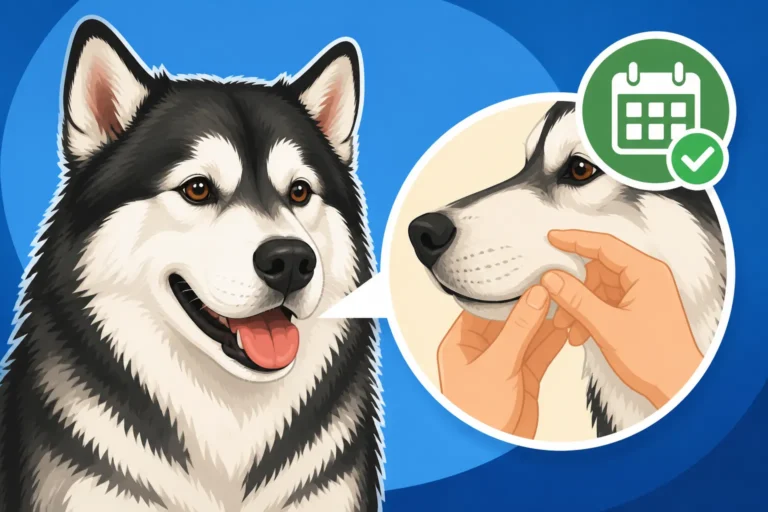
Forget the numbers on the scale for a moment – the single most effective tool for managing your Malamute's weight is body condition scoring (BCS). This is a hands-on assessment that allows you to feel for fat covering over key areas of their body. Your Malamute's thick double coat can be incredibly deceptive, easily hiding an extra five, ten, or even fifteen pounds. What looks like a healthy dog can actually be significantly overweight underneath all that fluff.
To perform a BCS, you'll need to get your hands on your Malamute. Gently run your hands along their ribs. You should be able to feel their ribs without pressing hard, like feeling the knuckles on your hand when your palm is flat. If you can't feel them at all, or have to press firmly, they're likely overweight. Next, check their waist. From above, a Malamute should have a slight tuck behind the ribs, though it might not be as dramatic as in a short-haired breed. Finally, check their abdominal tuck from the side – their belly should slope upwards from their chest, not hang low. Consistently using BCS is far more accurate than just weighing them, especially when their coat is full. Knowing Feeling for Ribs Under an Alaskan Malamute's Coat is a critical skill for any Malamute owner.
Here's a simplified guide to Body Condition Scoring:
| Score | Description | What You Feel/See |
|---|---|---|
| 1 | Emaciated | Ribs, lumbar vertebrae, pelvic bones, and all bony prominences evident from a distance. No discernible body fat. Obvious loss of muscle mass. |
| 2 | Very Thin | Ribs, lumbar vertebrae, and pelvic bones easily visible. No palpable fat. Some evidence of other bony prominences. Minimal muscle mass. |
| 3 | Thin | Ribs easily palpable and may be visible with no palpable fat. Tops of lumbar vertebrae visible. Pelvic bones becoming prominent. Obvious waist and abdominal tuck. |
| 4 | Underweight | Ribs easily palpable with minimal fat covering. Waist easily noted when viewed from above. Abdominal tuck evident. |
| 5 | Ideal | Ribs palpable without excess fat covering. Waist observed behind ribs when viewed from above. Abdominal tuck apparent. |
| 6 | Overweight | Ribs palpable with slight excess fat covering. Waist discernible but not prominent. Abdominal tuck still present. |
| 7 | Heavy | Ribs difficult to palpate due to moderate fat covering. Waist absent or barely visible. Obvious rounding of abdomen, possibly no abdominal tuck. |
| 8 | Obese | Ribs not palpable without significant pressure. Heavy fat deposits over lumbar area and base of tail. Waist absent. Obvious abdominal distention. |
| 9 | Severely Obese | Massive fat deposits over thorax, spine, and base of tail. Abdomen distended. No waist or abdominal tuck. Extensive fat deposits over neck and limbs. |
Food Type and Calorie Density
Choosing the right food for your Malamute is more than just grabbing any large-breed bag off the shelf. You need to consider the calorie density of the food. Many performance or "all life stage" foods are quite calorie-rich, designed for dogs with higher metabolic demands. For a Malamute, this means you might need to feed even less volume to meet their needs, making it harder to ensure they feel satisfied. Look for high-quality kibbles with balanced nutrition, perhaps ones formulated for "adult maintenance" rather than "high performance" unless your dog is genuinely working hard daily.
If you're exploring fresh food options, brands like Ollie can offer excellent nutritional profiles, but again, be mindful of the portion sizes they recommend, as even fresh food can be calorie-dense. Always check the caloric content (calories per cup or per gram) listed on the packaging. This number is your key to understanding how much you're truly feeding your Malamute. Sometimes, finding the right balance means doing a bit of research on platforms like Chewy to compare different brands and their nutritional information.
Adjusting for Activity Levels and Environment
Your Malamute's dietary needs are not static. They will fluctuate based on how active they are and the environmental conditions they face. In the winter, especially if they are actively working, pulling a sled, or simply spending more time outdoors in cold temperatures, their caloric needs will naturally increase. Their body burns more energy just to stay warm. During these periods, you might need to slightly increase their food intake, perhaps an extra half cup to a cup a day, depending on the intensity and duration of their activity. Knowing How Many Pounds of Food a Malamute Eats in Winter can help you prepare.
Conversely, during warmer months or periods of reduced activity (perhaps an injury, or simply a less active week), their caloric needs will drop significantly. This is when overfeeding is most likely to occur. It's crucial to reduce their food intake during these times to prevent weight gain. Think of it as a constant balancing act: always observing your Malamute's energy levels, body condition, and the demands of their environment, then adjusting their food accordingly. It's a dynamic process, not a set-it-and-forget-it plan.
Feeding Strategies for the Efficient Malamute
Because of their unique metabolism, how you feed your Malamute is almost as important as what you feed them. Thoughtful feeding strategies can help prevent overeating, reduce the risk of bloat, and ensure they are mentally stimulated.
Scheduled Meals vs. Free Feeding
One of the most crucial feeding strategies for an Alaskan Malamute is to adopt a scheduled meal plan, rather than allowing free feeding. Free feeding – leaving a bowl of kibble out all day for your dog to graze on – is generally detrimental for Malamutes. Their efficient metabolism, combined with their sometimes voracious appetite (even if they eat less overall), makes it easy for them to consume too many calories throughout the day. This grazing can quickly lead to weight gain because their body is always in "storage mode."
Scheduled meals, typically two or three times a day, allow you to precisely control their caloric intake. It also helps you monitor their appetite. If your Malamute suddenly refuses a meal or eats significantly less, it can be an early indicator of a health issue. With free feeding, such changes might go unnoticed. Scheduled meals also establish a routine, which many dogs thrive on, and provide opportunities for training and bonding. For further insight into the frequency, check out How Many Meals a Day an Alaskan Malamute Needs.
Slow Feeders and Mealtime Enrichment
Malamutes, like many large breeds, can be enthusiastic eaters. Sometimes too enthusiastic. Eating too quickly can increase the risk of bloat, a life-threatening condition where the stomach twists. Using a slow feeder bowl is a simple yet effective way to combat this. These bowls have ridges or obstacles that force your Malamute to eat more slowly, making them take smaller bites and chew more thoroughly. This not only aids digestion but also makes the meal last longer, providing a bit of mental enrichment.
Beyond slow feeders, consider incorporating mealtime enrichment into your Malamute's routine. Instead of just putting food in a bowl, use puzzle feeders, treat-dispensing toys, or even scatter their kibble in the yard (weather permitting) to turn mealtime into a scavenger hunt. This engages their powerful minds, taps into their natural foraging instincts, and makes them "work" for their food, burning a few extra calories and preventing boredom. It’s a win-win, and you might find Whether a Slow Feeder Suits an Alaskan Malamute offers more ideas.
Treats and Supplements: Mindful Additions
Treats are an undeniable part of the human-dog bond, and Malamutes certainly appreciate them! However, for a breed with such an efficient metabolism, treats can quickly add up and contribute to unwanted weight gain. Be mindful of the calories in treats. Opt for low-calorie options, break larger treats into smaller pieces, and always factor them into your Malamute's total daily caloric intake. Vegetables like carrots, green beans, or cucumber slices can make excellent, low-calorie treat alternatives that many Malamutes enjoy.
Regarding supplements, always consult with your veterinarian. While many supplements are marketed as beneficial, not all are necessary or even safe for Malamutes, especially if they are already on a balanced diet. One exception might be zinc supplementation, as Malamutes are prone to zinc deficiency due to an inherited malabsorption issue. If your vet recommends a zinc supplement, ensure you purchase a reputable brand and follow dosage instructions carefully. Zinc supplements can be found on platforms like Amazon, but getting the right type and dosage from your vet first is critical. For more information, read Whether a Malamute Needs Zinc for Life. Remember, a supplement should supplement a healthy diet, not replace it.
Common Feeding Misconceptions and Malamute Quirks
Even with the best intentions, new Malamute owners can fall prey to common misconceptions or be puzzled by their dog's unique eating habits. Understanding these quirks is key to stress-free feeding.
The Malamute Who Skips Meals
It can be alarming when your Malamute, seemingly healthy and energetic, decides to skip a meal. For many other breeds, this might immediately signal illness or a problem. However, for an Alaskan Malamute, occasionally turning up their nose at a meal or leaving some food in the bowl is not always cause for alarm. It's often just another manifestation of their efficient metabolism. Their body is telling them they've had enough, or perhaps they're not quite hungry enough to eat a full portion. This is sometimes referred to as "intermittent fasting" in a natural setting.
So, when should you be concerned? If your Malamute skips multiple meals in a row, shows other signs of illness (lethargy, vomiting, diarrhea), or appears genuinely unwell, then it's absolutely time to call the vet. But if they're still playful, active, and otherwise normal, a skipped meal is often just a "Malamute thing." Offer the next meal as scheduled, and they'll likely eat it with gusto. It’s a part of understanding Whether an Alaskan Malamute Skips Meals as normal behavior.
The Myth of the "Giant" Malamute and Overfeeding
There's a persistent misconception that bigger is always better when it comes to Malamutes. Some owners actively try to encourage their dogs to become "giant" Malamutes, believing it makes them more impressive or powerful. This often leads to intentional overfeeding, with owners providing excessive calories in the hope of adding size. This pursuit of an oversized Malamute is not only against the breed standard but is incredibly detrimental to the dog's health.
The Alaskan Malamute breed standard defines a specific size and weight range for healthy, functional dogs. For example, an adult male typically weighs around 85 pounds. While there can be natural variations, pushing a Malamute beyond its healthy, genetically predetermined size through overfeeding only creates an overweight dog, not a "giant" one. It stresses their joints, impacts their internal organs, and reduces their overall quality of life. Understanding What an Adult Male Alaskan Malamute Weighs according to the breed standard is vital to appreciate that a healthy Malamute is not necessarily the biggest one in the park.
Long-Term Nutritional Health and Veterinary Partnership
Maintaining your Malamute's ideal weight and nutritional health is a lifelong commitment. It requires ongoing vigilance and a strong partnership with your veterinarian, adapting their diet as they move through different life stages.
Regular Check-ups and Weight Monitoring
Routine veterinary check-ups are essential for all dogs, but particularly for Malamutes with their predisposition to weight gain due to efficient metabolism. Your vet can provide an objective assessment of your Malamute's body condition score, which is often difficult for owners to do accurately due to their dog's thick coat and the desire to see their beloved companion as "just right." These visits are opportunities to catch subtle weight fluctuations before they become significant problems.
Beyond simple weight checks, your vet can help fine-tune dietary plans as your Malamute ages or as their activity levels change. They can offer advice on specific food formulations, discuss any emerging health concerns that might impact diet (like thyroid issues), and guide you on appropriate caloric intake. Think of your vet as your co-pilot in navigating your Malamute's nutritional journey.
Adapting Diet for Senior Malamutes
As your Alaskan Malamute enters their senior years, their metabolic needs will inevitably shift again. Just like humans, older dogs tend to become less active, their metabolism slows further, and they may have reduced muscle mass. This means their caloric requirements will likely decrease significantly compared to their younger, more active selves. Continuing to feed a senior Malamute the same amount of food they ate in their prime will almost certainly lead to unhealthy weight gain.
It's important to adapt their diet by reducing portions or transitioning to a senior-specific dog food formula, which often has fewer calories and modified nutrient levels to support aging joints and organs. Regular body condition scoring becomes even more critical during these later years, allowing you to make small adjustments that can have a big impact on their comfort and longevity. Caring for a senior Malamute is a special journey, and their diet plays a huge role in their golden years. To learn more about this stage, Caring for an Old Alaskan Malamute offers excellent advice.
Disclaimer
This article is for general informational purposes only and does not constitute professional advice. Laws, prices and regulations vary by location and change over time. Consult a qualified professional for guidance on your specific situation.