Whether an Alaskan Malamute Needs Its Ears Cleaned
It’s a common question among dog owners, especially those new to the wonderful world of furry companions: do I need to clean my Alaskan Malamute’s ears? Unlike many breeds with floppy ears or excessive hair in the ear canal that practically invite trouble, Malamutes are generally quite self-sufficient in the ear department. This guide will walk you through understanding your Malamute's ear health, what to look for, and when and how to intervene, so you can keep those majestic ears happy and healthy without unnecessary fuss.
Why Alaskan Malamute Ears Are Usually Self-Cleaning
One of the great joys of living with an Alaskan Malamute is appreciating their natural resilience and design, which is perfectly adapted for their original purpose and environment. This includes their ears! You see, not all dog ears are created equal when it comes to maintenance needs, and Malamutes definitely fall into the "less is more" category for routine cleaning.
The Advantage of Upright Ears
Take a moment to observe your Malamute's ears. They stand proudly upright, often described as triangular, and are generally quite thick and well-furred. This erect posture isn't just for looking alert and majestic; it's a fantastic design feature for ear health. Unlike breeds such as Basset Hounds or Cocker Spaniels, whose long, pendulous ears hang down, trapping moisture, warmth, and debris, a Malamute's upright ears allow for excellent airflow. This constant ventilation helps to keep the ear canal dry and cool, creating an environment that's far less hospitable to yeast and bacteria that thrive in damp, dark conditions.
Think about it: in their native Arctic environment, having ears that could quickly air out and shed snow or ice would have been crucial for survival. This natural aeration is your Malamute's built-in defense system against many common ear problems, meaning they often don't need the regular, proactive cleaning that other breeds might require to prevent infections. You'll find that their ear canals stay relatively clear and dry, reducing the buildup of wax and debris that can lead to irritation or infection.
Minimal Hair in the Ear Canal
Another key factor contributing to the low-maintenance nature of a Malamute's ears is the relatively sparse amount of hair inside the ear canal. While their outer ears and surrounding areas are wonderfully fluffy, the internal structure is usually quite clear. Compare this to breeds like Poodles or Schnauzers, which can grow dense mats of hair deep within their ear canals. This internal hair can act like a dam, trapping wax, dirt, and moisture, leading to a perfect breeding ground for infections if not regularly plucked or trimmed by a groomer or vet.
For your Malamute, this isn't typically an issue. The lack of excessive hair means there are fewer surfaces for debris to cling to and less obstruction to natural air circulation. This design allows ear wax, which is a natural protective substance, to do its job by trapping foreign particles and then naturally migrating out of the ear canal. When there isn't excessive hair to hold it back, this process usually happens efficiently on its own, minimizing the need for manual intervention from you. It’s another brilliant adaptation that makes their care a little simpler, letting you focus on other aspects of their well-being, like How Much an Alaskan Malamute Should Carry on a Hike or Whether a Malamute Needs a Job Every Day.
Signs Your Malamute's Ears Need Attention
While Malamutes are generally low-maintenance in the ear department, it's absolutely crucial not to fall into the trap of thinking their ears are invincible. Even with their superior design, things can still go wrong. Being proactive means regularly checking your Malamute's ears and knowing what warning signs to look for. Catching issues early can save your beloved companion a lot of discomfort and prevent minor problems from escalating into serious infections.
Redness, Odor, and Discharge
These are the big three red flags when it comes to ear problems. A healthy Malamute ear, inside and out, should appear clean, pale pink, and free from any strong or unpleasant smells. There might be a very light, almost imperceptible waxy film, but nothing more.
If you start to notice any of the following, it's time to pay closer attention:
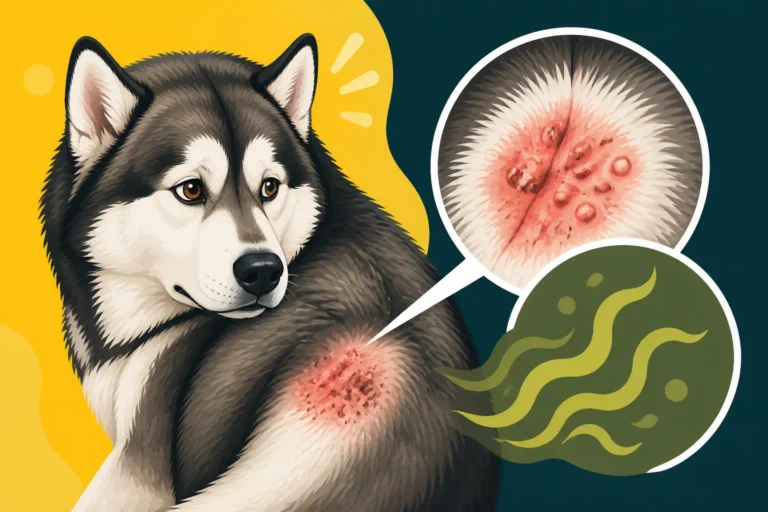
- Redness or Swelling: The inside of the ear flap or the opening of the ear canal looks inflamed, pinker, or even bright red. It might also appear puffy or swollen. This is a clear indicator of irritation or inflammation.
- Unusual Odor: A healthy ear should be relatively odorless. If you detect a strong, yeasty, sweet, or generally foul smell emanating from your Malamute's ear, that's a definite sign of a bacterial or yeast infection brewing. This smell can sometimes be quite potent and is one of the most common indicators that something is amiss.
- Discharge: Any visible discharge from the ear canal is concerning. This could range from dark brown, waxy buildup (often associated with yeast or ear mites) to yellowish, pus-like discharge (suggesting a bacterial infection) or even greenish, thick goo. The amount and consistency can vary, but any noticeable discharge is a sign that the ear's natural self-cleaning mechanism has been overwhelmed or an infection has taken hold.
Don't dismiss these signs, especially if they appear together. Your Malamute might not show extreme pain at first, but these are their ears telling you, "Hey, something's not right here!" It's a good habit to incorporate a quick ear check into your regular grooming routine, perhaps when you're doing a quick brush or a cuddle session, to spot these things early.
Head Shaking, Scratching, and Sensitivity
Beyond visual and olfactory cues, your Malamute's behavior can also tell you a lot about their ear comfort. They might not be able to articulate their discomfort, but their actions often speak volumes.
Look out for these behavioral changes:
- Excessive Head Shaking: A dog might shake its head occasionally, especially after a bath or a vigorous romp. But if your Malamute is shaking its head frequently, violently, or for prolonged periods without an obvious cause, it's a strong indication of irritation deep within the ear. It's their attempt to dislodge whatever is bothering them.
- Constant Ear Scratching: If your Malamute is constantly scratching at one or both ears with their hind leg, or rubbing their head against furniture or the ground, it's a classic sign of itchiness or pain. Be wary of vigorous scratching, as it can lead to secondary skin infections or even an aural hematoma (a blood blister on the ear flap) from burst blood vessels.
- Sensitivity or Pain: Watch your Malamute's reaction when you touch their ears. A healthy Malamute should tolerate gentle ear rubs without flinching. If they pull away, yelp, growl, or show any signs of pain or aggression when their ear is touched, it's a clear signal that the ear is tender or painful. They might also hold their head tilted to one side, favoring the painful ear, or even become lethargic and generally "off" if the discomfort is significant.
These behavioral signs are often an indication that an infection or infestation, such as ear mites, has already taken root. Foreign objects like grass seeds can also cause sudden, intense irritation and head shaking. If you notice any of these symptoms, it's definitely time to get those ears thoroughly checked, ideally by a veterinarian. They can properly diagnose the underlying cause, whether it's a yeast infection, bacteria, mites, or something else entirely, and recommend the appropriate treatment. Remember, your Malamute might be stoic, as they were bred to work even through discomfort, a trait sometimes called Why a Malamute Shows Nothing Until It Cannot Work, so even subtle signs of pain or discomfort should be taken seriously.
| Healthy Malamute Ear Signs | Problematic Malamute Ear Signs |
|---|---|
| Pale pink, clean skin | Red, inflamed, or swollen ear canal |
| No strong odor | Strong, foul, or yeasty smell |
| Minimal, light brown wax (if any) | Dark brown, yellow, green, or pus-like discharge |
| No visible debris | Visible dirt, crusts, or foreign objects |
| Calm, no scratching or head shaking | Persistent head shaking or ear scratching |
| Tolerates ear touch | Pain or sensitivity when touched |
| Head held level | Head tilt or favoring one side |
How to Properly Clean a Malamute's Ears (If Necessary)
Okay, so you've noticed some of those tell-tale signs: redness, an odor, or your Malamute is shaking their head more than usual. This means it's time to take action. The key here is "if necessary." You're not aiming for a weekly ear bath; you're responding to a specific need. And when you do clean, it's important to do it correctly and gently to avoid causing further irritation or pushing debris deeper into the ear canal.
Choosing the Right Cleaning Solution
Before you even think about putting anything into your Malamute's ear, you need the right tools. Skip the home remedies like vinegar or alcohol; they can cause serious irritation and dry out the delicate skin in the ear canal. Your best bet is always a vet-approved ear cleaning solution specifically formulated for dogs. These solutions are designed to be gentle, effectively break down wax, and often contain ingredients that help to dry the ear canal and prevent microbial growth.
You can find these at your veterinarian's office, or often readily available online or at pet supply stores. Brands like Epi-Otic, Zymox, or Virbac are often recommended, but always confirm with your vet. When you're browsing for supplies on sites like Chewy or Amazon, you'll find a wide selection, but don't just grab the cheapest option. Read reviews, and if in doubt, pick one that explicitly states it’s for routine cleaning and odor control in dogs, and ideally, has a seal of veterinary approval. Avoid anything with harsh chemicals or strong perfumes. You'll also need some soft cotton balls or gauze pads – never use cotton swabs (Q-tips) deep inside the ear canal, as they can push debris further in or damage the eardrum.
Step-by-Step Gentle Ear Cleaning
Once you have your supplies, find a quiet, well-lit space where you and your Malamute can be comfortable. It helps if they're relaxed, so a gentle petting session or a favorite treat can be a good start. Remember, this isn't a race!
Here's how to proceed:
- Gather Your Supplies: Have your chosen ear cleaning solution, plenty of cotton balls or gauze, and some treats ready.
- Examine the Ear: Gently lift your Malamute's ear flap and take a good look. Note any redness, swelling, discharge, or foreign objects. This visual check confirms why you're cleaning.
- Apply the Solution: Hold the ear flap up and carefully insert the tip of the ear cleaner bottle into the opening of the ear canal. Squeeze gently to fill the canal with the solution. Don't worry, it usually won't hurt, but your Malamute might object to the cold liquid. Don't push the tip deep into the canal.
- Massage the Base of the Ear: Once the solution is in, gently but firmly massage the base of your Malamute's ear for about 20-30 seconds. You should hear a squishy sound as the cleaner moves around, helping to loosen wax and debris. This part is quite important for the solution to work its magic.
- Let Them Shake: After massaging, stand back and let your Malamute shake their head. They will want to, and this is good! The shaking helps to dislodge and bring up the loosened gunk and excess solution from deep within the canal. You might want to have a towel ready, as things can get a little messy.
- Wipe the Outer Ear: After the head shake, take a fresh cotton ball or gauze pad and gently wipe out the visible parts of the ear canal and the underside of the ear flap. You'll likely see a good amount of brownish-black gunk on the cotton. Continue wiping with fresh cotton until no more visible dirt or wax comes out. Remember, you're only cleaning what you can see. Never insert anything deeply into the ear canal beyond your first knuckle, and absolutely avoid cotton swabs (Q-tips) in the inner ear.
- Reward and Repeat (if necessary): Praise your Malamute and offer a treat for their cooperation. If both ears need cleaning, repeat the process on the other ear. Sometimes, one ear might be worse than the other.
If the discharge is heavy, or if the ear is particularly inflamed, you might need to clean it daily for a few days, but always follow your vet's specific instructions. If at any point your Malamute shows extreme pain, aggression, or if you suspect a foreign object or a burst eardrum, stop immediately and contact your vet. For issues like Zinc Responsive Dermatosis in an Alaskan Malamute, which might cause skin issues around the ear opening, cleaning the canal won't be the solution; a vet will prescribe specific topical or oral medications for the skin.
Preventative Care and When to See the Vet
Even with their naturally robust ears, a little proactive care goes a long way. The goal isn't to constantly clean their ears, but to maintain a state of health where significant intervention is rarely needed. Knowing when to simply observe and when to seek professional help is a crucial part of responsible Malamute ownership.
Regular Visual Checks
This is perhaps the most important "preventative" measure you can take for your Malamute's ears. Instead of cleaning on a schedule, establish a routine of simply looking and smelling their ears. I like to do this a couple of times a week, perhaps when we're having a relaxing cuddle session on the couch, or as part of a general grooming check-up. Gently lift each ear flap and take a quick peek inside. What you're looking for is consistency: are they consistently pale pink? Do they have a minimal, healthy amount of light-colored wax, or none at all? Is there any unusual redness, swelling, or discharge? Give them a sniff – a healthy ear should have almost no odor.
This regular, casual check allows you to spot subtle changes early on, before they become full-blown problems. If you notice a tiny bit more wax than usual, but no redness or odor, you can usually just keep an eye on it. But if that little bit of wax turns dark, or you catch a whiff of something yeasty, then you know it's time for a more thorough investigation or a trip to the vet. This kind of vigilance is part of What an Alaskan Malamute Needs Every Day – not active cleaning, but active observation.
Maintaining Overall Health
A healthy Malamute is more likely to have healthy ears. Factors that contribute to overall well-being also play a role in preventing ear issues.
Consider these aspects:
- Nutrition: A balanced diet provides the necessary nutrients for a strong immune system and healthy skin and coat, which indirectly supports ear health. While Ollie or other quality dog foods aim for complete nutrition, no food will magically prevent all ear problems. Some systemic issues, like allergies, can manifest as ear infections, even in Malamutes, though less commonly than in other breeds. If your Malamute has sensitive skin or allergies that affect their ears, discussing a specialized diet with your vet might be helpful.
- Grooming: While not directly about ear cleaning, keeping the fur around the ear area clean and free of mats, especially during The Months an Alaskan Malamute Blows Its Coat, ensures good airflow to the outer ear. You don't want clumps of shed undercoat obstructing the ear opening. Regular brushing, as covered in How Often an Alaskan Malamute Needs Brushing, contributes to overall skin and coat health, reducing the chance of secondary skin issues around the ears.
- Exercise and Environment: Providing appropriate exercise, like a good session of The Alaskan Malamute in Skijoring, and a clean living environment helps reduce exposure to dirt and allergens. If your Malamute enjoys swimming, always ensure their ears dry out properly afterwards, as trapped moisture can lead to problems. A quick wipe of the outer ear after a swim might be beneficial, but again, avoid deep cleaning unless necessary.
When to Consult a Veterinarian
There are definite situations where a home cleaning simply isn't enough, or worse, could be detrimental. If you observe any of the following, pick up the phone and call your vet right away:
- Persistent Symptoms: You've cleaned your Malamute's ears as described, but the redness, odor, or discharge persists or worsens after a couple of days. This indicates an underlying issue that needs professional diagnosis and treatment.
- Severe Pain: If your Malamute is in obvious pain, cries out when their ear is touched, or refuses to let you examine it, don't force the issue. They might have a severe infection, a ruptured eardrum, or a foreign object deeply lodged that requires immediate veterinary attention.
- Head Tilt or Loss of Balance: A persistent head tilt, or if your Malamute seems disoriented, stumbles, or has difficulty balancing, can indicate a middle or inner ear infection, which is a serious condition requiring urgent veterinary care.
- Repeated Infections: If your Malamute seems to get ear infections frequently, it's essential to work with your vet to identify any underlying causes, such as allergies, thyroid issues (though rare to primarily cause ear issues in Malamutes), or anatomical predispositions. This might involve cultures, specific diagnostic tests, or discussions about overall health, similar to understanding The Health Tests Both Alaskan Malamute Parents Should Have for inherited conditions.
- Foreign Objects: If you suspect a grass seed or other foreign body has entered the ear canal, do not attempt to remove it yourself. This can push it deeper or cause damage. A vet has the specialized tools and expertise to safely extract it.
Your veterinarian can conduct a thorough examination using an otoscope to look deep into the ear canal, correctly diagnose the problem, and prescribe appropriate medications, whether it's antibiotics for a bacterial infection, antifungals for yeast, or medication for mites. Sometimes, they might even need to perform a deep flush of the ear under sedation if the buildup is severe. Don't hesitate to seek their expertise – it's always better to be safe than sorry when it comes to your Malamute's health and comfort.
Disclaimer
This article is for general informational purposes only and does not constitute professional advice. Laws, prices and regulations vary by location and change over time. Consult a qualified professional for guidance on your specific situation.