Why a Malamute Shows Nothing Until It Cannot Work
It’s a deeply unsettling experience for any Malamute owner: one day your powerful, stoic companion seems perfectly fine, tackling their daily routines with their usual gusto, and the next, they’ve hit a wall, suddenly unable to perform even the simplest tasks. This abrupt decline isn't a fluke; it's a testament to the Alaskan Malamute’s inherent ability to conceal discomfort, a trait passed down through generations. This comprehensive guide will delve into why Malamutes are so adept at hiding their pain until it becomes debilitating, and more importantly, equip you with the knowledge to recognize the subtle indicators that your magnificent dog might be struggling long before they can no longer work.
The Stoic Nature of the Alaskan Malamute
The Alaskan Malamute is a breed steeped in history, originating from the harsh, unforgiving environments of the Arctic. Every aspect of their being, from their thick double coat to their incredible endurance, was honed for survival. This legacy extends deeply into their psychology, particularly their instinct to mask weakness, a trait that can be both admirable and terrifying for their human companions.
A Legacy of Self-Preservation in Harsh Environments
Imagine the ancestral home of the Malamute, the desolate expanses of the Arctic. In such a formidable world, where resources were scarce and predators ever-present, showing any sign of weakness was a death sentence. A limping wolf, a dog lagging behind the pack due to illness, would quickly become a target, or worse, a burden that jeopardized the survival of the entire group. This ingrained survival mechanism meant that dogs learned to push through discomfort, to hide pain, and to maintain a facade of strength even when they were suffering internally. It was not about bravery in the human sense, but pure, unadulterated self-preservation.
This profound instinct has been passed down through their bloodlines, hardwired into the genetic makeup of every Alaskan Malamute today. While our modern Malamutes no longer face the daily threats of the Arctic wilderness, the primitive programming remains. They are masters of endurance, not just physically, but emotionally. They will continue to perform, to engage, and to present a picture of wellness long after many other breeds would have begun to show overt signs of distress. It's a trait that makes them incredibly resilient, but also incredibly challenging for owners trying to monitor their health.
Reading Subtle Cues: Why Traditional "Sick Dog" Signs Are Often Absent
For many dog breeds, a slight limp, a refusal to eat, or a whimper might immediately signal a problem to an owner. With an Alaskan Malamute, these clear signals are often conspicuously absent. Instead, you might notice the most fleeting, almost imperceptible changes that, to an untrained eye, seem utterly insignificant. Perhaps they take a fraction of a second longer to stand up after a nap, or their once boisterous greeting is just slightly less enthusiastic. Their tail might not wag with its usual vigor, or their "woo-woo" greeting might be a little quieter.
These are the whispers, not the shouts, of a Malamute in discomfort. They might still eat their food with relish, though perhaps a little slower. They might still participate in walks, but maybe they don't pull with the same unwavering strength, or they lie down a bit more frequently. The key is to recognize that these subtle shifts are their way of communicating distress. It's not a refusal to show pain; it's just that their baseline for showing it is set so incredibly high. Understanding this unique communication style is crucial because waiting for obvious signs means you're often waiting until the problem has progressed significantly.
When Hiding Pain Becomes Detrimental: The Inherent Risk for Owners
The Malamute's stoicism, while a testament to their strength, places a tremendous burden on their owners. Because they are so effective at masking their symptoms, by the time an issue becomes undeniable – perhaps they suddenly collapse, or refuse to bear weight, or can no longer stand – the underlying condition is often far advanced. This means that treatments might be more complex, recovery more prolonged, and in some unfortunate cases, the prognosis significantly poorer than if the issue had been caught earlier.
For example, a Malamute with a slow-growing tumor might show nothing more than a slight decrease in stamina for weeks or months. By the time a lump is visible or they become lethargic, the cancer may have metastasized. This creates immense guilt and frustration for owners who feel they missed something, when in reality, their dog was simply doing what its instincts dictated. This inherent risk highlights the critical need for hyper-vigilance, routine preventative care, and a deep understanding of breed-specific health concerns to ensure these magnificent animals receive timely intervention.
Common Health Challenges Malamutes Face And How They Mask Them
Alaskan Malamutes are generally robust dogs, but like all breeds, they are predisposed to certain health conditions. Their ability to hide pain can turn even relatively manageable issues into severe crises if not detected early.
Joint Issues and Orthopedic Pain: Hip and Elbow Dysplasia
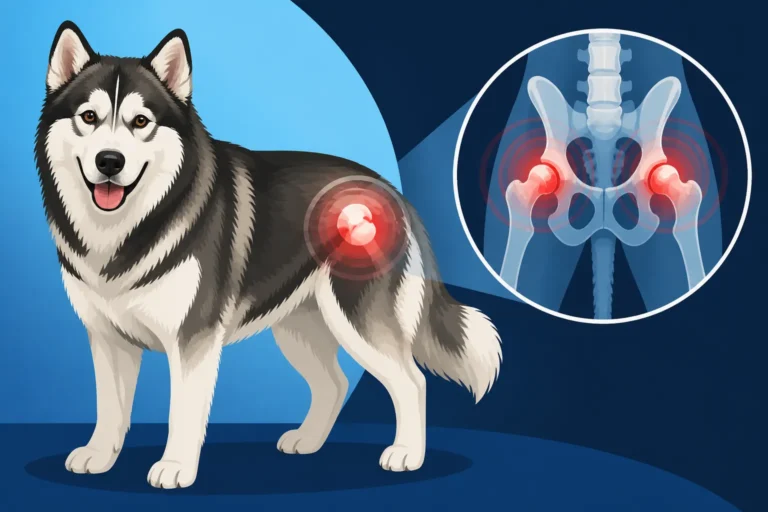
Orthopedic issues are unfortunately common in large, active breeds like the Alaskan Malamute. Hip dysplasia and elbow dysplasia are two of the most prevalent. These conditions involve the abnormal development of the hip or elbow joints, leading to instability, pain, and eventually arthritis. While a smaller dog might visibly limp or cry out with joint pain, a Malamute will often compensate for months, even years.
You might see a slight reluctance to jump into the car, a subtle shift in their gait that looks less like a limp and more like an odd stiffness, or a tendency to sit with one leg extended more frequently. They might avoid certain movements, like running up stairs, but they'll still happily chase a ball if prompted, fueled by their desire to please or their natural drive. It's not until the pain becomes excruciating, or the joint degenerates to the point of collapse, that they might finally refuse to put weight on a limb. This makes early screening, even for a healthy-looking puppy, absolutely essential. Knowing the signs of Hip Dysplasia in a Freighting Alaskan Malamute is key, even if your dog isn't actively working.
Metabolic and Systemic Conditions: Hypothyroidism and Zinc Deficiency
Beyond structural problems, Malamutes can also face systemic issues that are notoriously difficult to spot early due to their stoicism. Hypothyroidism, a condition where the thyroid gland doesn't produce enough hormones, is one such example. The symptoms are often vague and can mimic other problems: a dull, dry coat, lethargy, weight gain, or a general "off" feeling. A Malamute might simply seem a bit less energetic, sleeping a bit more, but still engaging when called upon. It’s a slow, insidious decline that is easily overlooked.
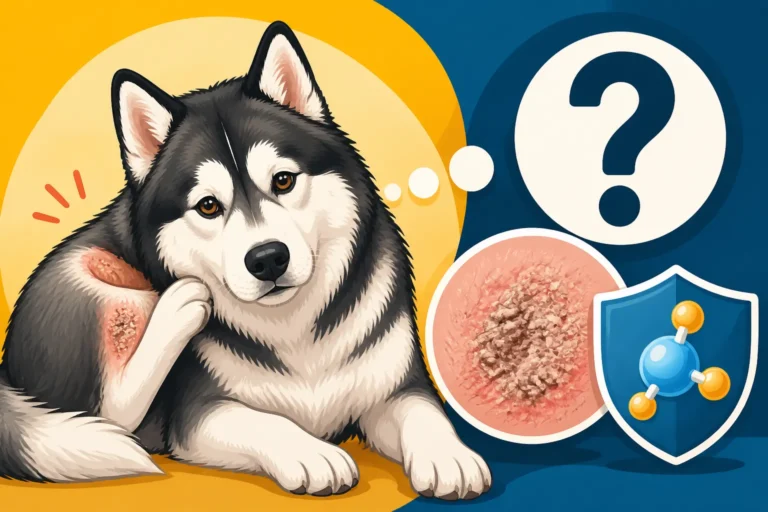
Similarly, zinc responsive dermatosis, a genetic condition where the body struggles to absorb zinc, manifests initially as subtle skin changes. Owners might notice slight crusting around the eyes or mouth, or a thinning of the coat that could be mistaken for normal shedding. These early signs are easily dismissed until the condition progresses to severe skin lesions, infections, and significant discomfort. It's often debated whether a Malamute's Thyroid Disease Is Mistaken for Zinc Deficiency, highlighting how easily these subtle, systemic issues can be misdiagnosed or missed entirely. Proactive monitoring of their coat, skin, and energy levels is vital, looking for any deviation from their normal, even if minor. Catching Zinc Responsive Dermatosis in an Alaskan Malamute early can prevent much suffering.
Neurological Conditions: Inherited Polyneuropathy and Day Blindness
Neurological disorders present another significant challenge for Malamute owners trying to decipher subtle signs. Inherited Polyneuropathy, for instance, is a progressive disease affecting the nerves, leading to weakness, gait abnormalities, and even changes in their bark or breathing. Initially, a Malamute might simply seem a bit clumsier, tripping over their own feet occasionally, or having a slightly high-stepping gait. They might struggle on slick surfaces, but otherwise, appear normal. This slight awkwardness can be attributed to anything from age to just being a clumsy dog.
It is only as the nerve damage progresses that the weakness becomes undeniable, affecting their ability to walk, swallow, or breathe. Learning What Inherited Polyneuropathy Does to a Malamute can help owners understand these early, subtle indicators. Similarly, a condition like day blindness (cone degeneration), while not painful, profoundly affects their ability to see in bright light. A Malamute with day blindness might squint excessively outdoors or seem hesitant to navigate in bright sunshine, but will move confidently in dimmer conditions. An owner might just think they’re being stubborn or sensitive to light, not realizing their dog is practically blind during the day. This condition, detailed in Day Blindness and the CNGB3 Test That Nearly Ended It in Malamutes, often requires careful observation in different lighting conditions to identify.
The "Cannot Work" Threshold: When Performance Declines
For a breed like the Alaskan Malamute, "work" isn't just a job; it's a fundamental part of their identity and well-being. When a Malamute is genuinely unable to perform, it's often a dire sign that their body can no longer compensate for an underlying issue.
What "Work" Means to a Malamute: Beyond Just Pulling
When we talk about a Malamute's inability to "work," it's easy to picture them struggling with a sled or a weight-pull harness. While these are certainly examples of their traditional work, the concept of "work" for an Alaskan Malamute is far broader. It encompasses any activity that requires physical exertion, mental engagement, and the use of their natural drives. This could be a vigorous hike in the mountains, a long game of fetch in the yard, exploring new smells on a leashed walk, or even just keeping up with the family's daily routines. For a Mal, contributing to the "pack" – whether by pulling, playing, or simply being an active participant in family life – is deeply ingrained.
Even the simple act of patrolling their yard, greeting visitors with their characteristic "woo," or engaging in a boisterous wrestle with a housemate, constitutes "work" for them. These activities tap into their inherent energy, strength, and desire for purpose. When a Malamute begins to falter in these everyday "jobs," it's a red flag that their body is no longer able to sustain the effort required. It’s a profound shift, indicating that their compensatory mechanisms have been exhausted, and their internal battle against discomfort is being lost.
Subtle Performance Changes as Early Indicators
Before a Malamute reaches the point of complete refusal to work, there are almost always subtle changes in their performance. These aren't always dramatic; they're often small deviations from their usual patterns. Perhaps your dog, who usually leads the charge on walks, now lags behind you more frequently. Maybe they're still eager to go out, but their pace is noticeably slower, or they seem to run out of steam sooner than before. A Malamute that typically enjoys a rigorous game of tug might disengage more quickly, or show less enthusiasm for retrieving toys.
These changes can also manifest in less obvious ways. They might sleep more during the day, or take longer to recover after exercise. Their desire to explore might diminish, preferring to stay close rather than investigate every intriguing scent. For a Malamute that loves to pull, you might notice less tension on the leash, or a less powerful drive when moving forward. These are not signs of a lazy dog; they are quiet indicators that something is physically or metabolically preventing them from performing at their usual capacity. Observing these minute shifts requires a deep understanding of your individual dog's habits and energy levels.
The Tipping Point: From Subtle Changes to Complete Refusal
The transition from subtle decline to outright inability to work can feel sudden to an owner, but it's often the culmination of weeks or months of internal struggle. The "tipping point" is reached when the Malamute's pain or discomfort becomes so overwhelming that their powerful drive to push through is finally broken. This is when you might see dramatic, unmistakable signs. Your Malamute might refuse to get out of bed, whine when touched in a certain area, or develop a pronounced limp. They might completely lose their appetite or become withdrawn and reclusive.
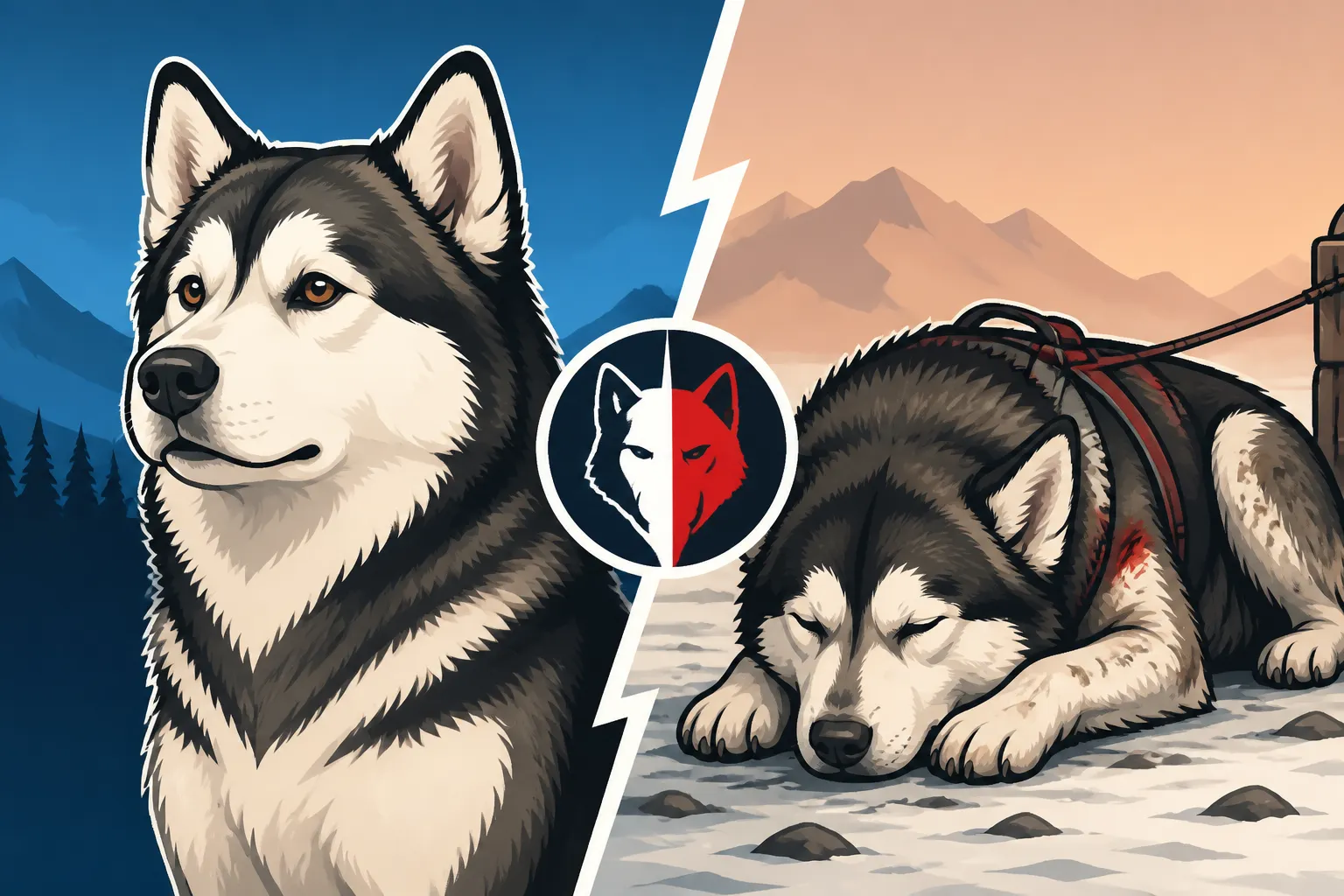
At this stage, their body can no longer compensate. The adrenaline and sheer will that allowed them to maintain a semblance of normalcy are no longer enough. For a Malamute, this complete cessation of "work" is not just a physical failure but often a psychological one, too. It can be heartbreaking to witness, as their vibrant spirit may seem to dim. This critical stage underscores why early detection is so important. By the time they physically cannot work, the problem is not only severe but has also likely caused them prolonged, silent suffering.
Proactive Monitoring: Becoming a Malamute Health Detective
Given their tendency to hide illness, Malamute owners must adopt a proactive, almost detective-like approach to their dog's health. This means going beyond routine care and becoming deeply attuned to their subtle behaviors and physical cues.
Daily Checks and Routine Observations
Integrating quick, mindful health checks into your daily routine can make a significant difference. During your morning greetings or evening cuddle sessions, take a moment to run your hands over their entire body. Feel for any new lumps, bumps, hot spots, or areas of tenderness. Check their paw pads for cracks or cuts, and gently inspect between their toes for foreign objects or swelling. Pay attention to their coat quality – is it dull, dry, or showing any thinning that isn't typical for their shedding cycle?
Observe their posture and movement patterns throughout the day. Do they stand differently? Is there any stiffness when they get up from a nap? Watch how they eat and drink: are they consuming their food with the same enthusiasm? Are they drinking more or less water? Even small details, like the quality of their stools, the brightness of their eyes, or the color of their gums, can provide valuable insights. These daily observations are your frontline defense, offering the earliest possible indicators that something might be amiss.
Scheduled Vet Visits and Specialized Screenings
While daily observations are crucial, they are no substitute for regular veterinary care. Scheduled annual or bi-annual check-ups are non-negotiable, even if your Malamute appears to be in peak condition. These visits allow your veterinarian to perform a thorough physical examination, listen to their heart and lungs, and conduct routine bloodwork that can flag metabolic issues before outward symptoms appear. Discussing your Malamute's breed-specific predispositions with your vet is vital.
Beyond general check-ups, specialized screenings are paramount. For large breeds like Malamutes, this often includes orthopedic evaluations. Early X-rays can screen for hip and elbow dysplasia, even in young dogs, allowing for potential early intervention or management strategies. For specific genetic conditions prevalent in the breed, such as inherited polyneuropathy or day blindness, discussing DNA testing with your veterinarian is crucial. Knowing your Malamute's genetic predispositions can guide preventative care and future monitoring. While some of these tests might seem like an added expense, the peace of mind they offer and the potential to catch serious conditions early are invaluable. Pet insurance, like that offered by providers such as Healthy Paws, can be an excellent way to manage the potential costs associated with these specialized screenings and any subsequent treatments.
Understanding Breed-Specific Genetic Tests
The advancements in canine genetic testing have been a game-changer for responsible Malamute ownership. There are now specific DNA tests available for several inherited conditions that commonly affect the breed. For example, the CNGB3 test can identify carriers or affected individuals for day blindness, helping breeders make informed decisions and allowing owners to prepare for potential vision challenges. Similarly, genetic tests for inherited polyneuropathy can identify dogs at risk, providing an opportunity for early monitoring and management.
These tests involve a simple cheek swab or blood sample and can provide definitive answers about your dog's genetic status. If you are acquiring a Malamute puppy, always ask the breeder about the health testing performed on the parents. Reputable breeders will be transparent about their dogs' genetic test results, especially for conditions like Whether Malamute Dwarfism Has a DNA Test or The DNA Test That Finds Malamute Polyneuropathy. Even if your Malamute is older, or from a rescue, these tests can offer invaluable information for their ongoing care. Understanding these predispositions helps you and your vet tailor a proactive health plan, looking for the specific, subtle signs associated with these conditions.
Bridging the Communication Gap: Working with Your Veterinarian
Effectively communicating your observations to your veterinarian is critical when dealing with a stoic breed like the Alaskan Malamute. You are your dog's primary advocate, and your insights are often the missing piece of the diagnostic puzzle.
Preparing for Vet Appointments: What Information to Gather
When you suspect your Malamute isn't quite right, or even for routine check-ups, detailed preparation for your vet appointment can make all the difference. Start a journal or use a note-taking app to record any subtle changes you've observed. Note the date and time of the observation, what exactly you saw (e.g., "slow to get up after sleep," "less enthusiastic about morning walk," "ate slightly slower"), and if there were any potential triggers or alleviating factors. Quantify observations where possible – for example, "slept 3 hours more than usual yesterday," or "only pulled for 10 minutes before slowing down."
Also, consider taking short videos of the behavior, especially if it's intermittent, like a slight limp or a coughing spell. Your vet may not witness these specific actions during the short examination. Be ready to discuss their diet, exercise routine, changes in household dynamics, and any medications or supplements they are taking. This comprehensive record provides objective data, rather than just vague feelings, which is incredibly helpful for your vet in narrowing down potential issues.
Advocating for Your Malamute: Pushing for Deeper Investigation
Because Malamutes are so good at hiding pain, your veterinarian might initially find nothing overtly wrong during a standard physical exam, especially if the problem is subtle. This is where your advocacy becomes paramount. Don't be afraid to voice your concerns firmly and politely. Explain your knowledge of the breed's stoic nature and why you are particularly vigilant. Clearly articulate the specific, subtle changes you've meticulously documented. If you have videos, show them.
If your gut feeling tells you something is genuinely wrong, even if the initial examination doesn't reveal an obvious cause, be prepared to push for further diagnostics. Discuss options such as blood panels, urinalysis, X-rays, or even referrals to specialists. Remind your vet that "normal" for a Malamute might be very different from "normal" for another breed. You know your dog best, and your persistence can prevent a minor issue from escalating into a major health crisis. This is a collaboration, and you are an active, essential part of your Malamute's healthcare team.
The Role of Specialized Diagnostics: When X-rays, Bloodwork, or Referrals Are Needed
When your careful observations and the initial vet examination suggest a deeper problem, specialized diagnostics become indispensable. Bloodwork can reveal a myriad of issues, from organ function problems to infections or even thyroid imbalances, like Whether a Malamute Gets Hypothyroidism. A complete blood count (CBC) and chemistry panel provide a snapshot of internal health that is often invisible from the outside. Urinalysis can detect kidney problems, urinary tract infections, or diabetes.
Imaging techniques are also vital. X-rays are crucial for evaluating bones and joints, diagnosing conditions like hip or elbow dysplasia, or identifying fractures. More advanced imaging, such as ultrasound, MRI, or CT scans, can provide detailed views of soft tissues, organs, or neurological structures that X-rays cannot. For instance, an MRI might be necessary to diagnose specific nerve damage related to polyneuropathy. In some complex cases, a referral to a board-certified specialist – a veterinary internal medicine specialist, neurologist, or orthopedic surgeon – might be the best course of action. These specialists have advanced training and equipment to diagnose and treat intricate conditions, giving your Malamute the best chance at recovery. Keep in mind that quality pet insurance, such as Healthy Paws, can significantly help with the financial burden of these advanced diagnostics and specialist consultations, ensuring your Malamute gets the comprehensive care they need without compromise.
Supporting Your Malamute Through Illness and Recovery
Once a diagnosis is made, the journey shifts to supporting your Malamute through treatment and recovery. This period requires patience, dedication, and a willingness to adapt your daily routines to their changing needs.
Adapting Environment and Activity Levels
During illness or recovery, your Malamute's environment and activity levels will likely need significant adjustment. If they are dealing with orthopedic pain or neurological weakness, ensure their living space is easy to navigate. This might mean laying down non-slip rugs on slick floors, using ramps instead of stairs, or providing an orthopedic bed for extra comfort. Their bed should be in a quiet, easily accessible spot where they feel secure. For a Malamute, whose natural tendency is to be active, restricting exercise can be challenging. However, it's often essential for healing.
Follow your vet's guidance strictly on rest and activity. This might mean shorter, slower walks on a leash, or simply supervised potty breaks. Mental stimulation, through puzzle toys or gentle training sessions, becomes even more important when physical activity is limited. Consider their comfort in terms of temperature, especially if they're recovering from surgery or a debilitating illness. A cool, calm environment is always best for a Malamute, but particular care needs to be taken during recovery to prevent overheating. Remember, a Malamute that has always been "on the go" will find confinement frustrating, so creativity in providing enrichment without over-exertion is key.
Nutritional Support and Supplementation
Nutrition plays a pivotal role in recovery and managing chronic conditions. Your veterinarian might recommend a special diet tailored to their specific illness. For example, dogs with kidney disease might need a low-protein diet, while those recovering from surgery might benefit from increased protein for tissue repair. For Malamutes with conditions like zinc responsive dermatosis, specific zinc supplementation will be critical, as discussed in detail in posts like How a Malamute's Zinc Deficiency Is Treated.
Beyond prescription diets, your vet might suggest specific supplements. Joint supplements containing glucosamine and chondroitin can support cartilage health in dogs with arthritis or dysplasia. Omega-3 fatty acids can help reduce inflammation. Probiotics can support gut health, especially if antibiotics have been prescribed. Always discuss any dietary changes or supplements with your veterinarian to ensure they are appropriate for your Malamute's specific condition and won't interact negatively with medications. Never assume a "natural" supplement is harmless; Malamutes can be sensitive, and dosage is crucial. For example, understanding Whether Too Much Zinc Harms a Malamute is important before giving a supplement.
Emotional and Physical Comfort: Ensuring their Well-being During Treatment
Supporting your Malamute through illness goes beyond just physical treatments; their emotional well-being is equally important. A sick or recovering Malamute might be more vulnerable, anxious, or even depressed. Provide them with a sense of routine and security. Spend extra time with them, offering gentle petting, quiet companionship, and reassurance. Maintain a calm household environment, minimizing loud noises or sudden changes.
Physical comfort is also paramount. Keep them clean and well-groomed, especially if they have limited mobility. Ensure they have easy access to fresh water and food. If they are in pain, administering prescribed pain medication consistently and on schedule is crucial for their comfort and willingness to cooperate with other treatments. Remember, even in their vulnerability, a Malamute's deep bond with their human family provides immense comfort. Your presence, patience, and unwavering support are often the most powerful medicine you can offer during challenging times.
Decoding Malamute Health: Subtle vs. Apparent Signs
To help you become an even better Malamute health detective, here's a quick comparison of how various health issues might first appear (subtle signs) versus when they become undeniable (apparent signs). This table is a simplified guide, and any deviation from your Malamute's normal behavior warrants a vet visit.
| Health Condition | Subtle, Early Signs | Apparent, Late-Stage Signs |
|---|---|---|
| Joint Dysplasia | Slight stiffness after rest, reluctance to jump, subtle shift in gait, less enthusiasm for long walks. | Pronounced lameness, difficulty standing or walking, severe pain reaction when touched, muscle atrophy in affected limb. |
| Hypothyroidism | Mild lethargy, dull coat, slight weight gain without increased food, subtle changes in temperament (more withdrawn). | Obvious weight gain, hair loss (especially on flanks and tail), very dry and brittle coat, extreme lethargy, skin infections. |
| Zinc Responsive Dermatosis | Mild crusting around eyes/muzzle, slight paw pad thickening, sparse coat around elbows/hocks, dull coat. | Severe crusting and scaling with cracking skin (often infected), hair loss, bleeding lesions, paw pad hyperkeratosis, generalized discomfort. |
| Inherited Polyneuropathy | Occasional tripping, slight clumsiness, subtle high-stepping gait, less coordinated movements. | Significant muscle weakness, severe ataxia (wobbling), voice change (bark alteration), difficulty swallowing or breathing, inability to stand. |
| Day Blindness | Squinting in bright light, hesitation outdoors, preferring shaded areas, bumping into objects in direct sun, normal vision indoors/at dusk. | Complete blindness in bright daylight, severe disorientation outdoors, extreme light sensitivity, bumping into things consistently during the day. |
| Bloat (GDV) | Restlessness, pacing, panting, looking at flank, discomfort, drooling, attempted vomiting with no production. | Distended abdomen, severe retching, extreme pain, collapse, rapid shallow breathing, pale gums. |
Disclaimer
The information provided in this article is for general informational purposes only and is not intended as a substitute for professional veterinary advice. Always consult with a qualified veterinarian for any health concerns or before making any decisions related to your Alaskan Malamute's health and treatment.