Whether Too Much Zinc Harms a Malamute
It’s a common worry for Alaskan Malamute owners: we know our magnificent dogs often struggle with zinc absorption, leading to conditions like zinc-responsive dermatosis. This often prompts us to consider supplementation. But then the nagging question arises – if too little is bad, can too much zinc actually harm our beloved Mals? This guide will dive deep into understanding the delicate balance of zinc for Alaskan Malamutes and the potential dangers of over-supplementation.
Understanding the Alaskan Malamute's Unique Zinc Needs
Alaskan Malamutes are truly special dogs, known for their powerful build, friendly disposition, and a remarkable ability to thrive in harsh, cold environments. However, this magnificent breed also comes with certain genetic predispositions that owners absolutely need to be aware of. One of the most significant, and often misunderstood, involves zinc metabolism.
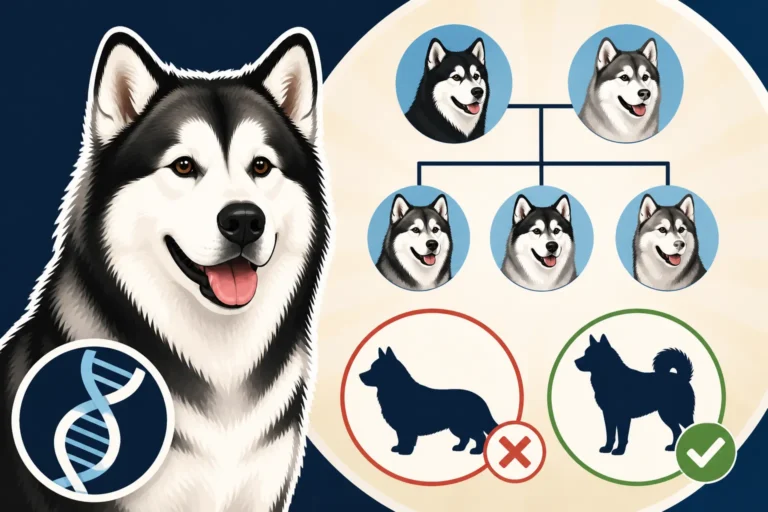
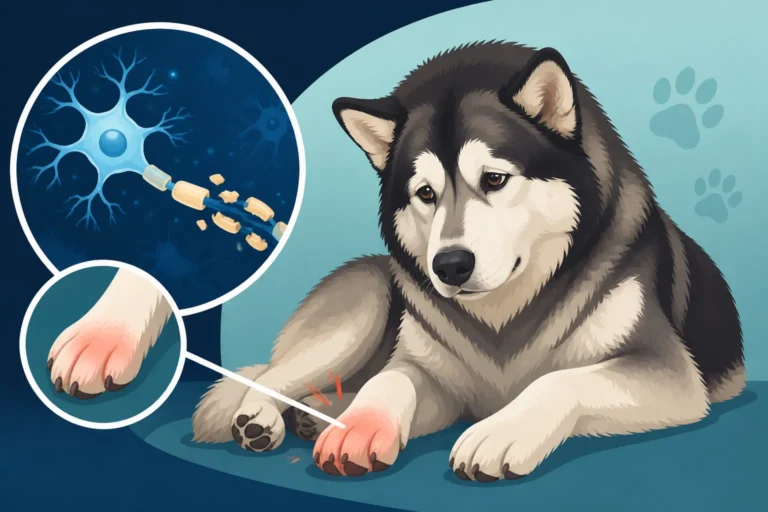
Many Malamutes, unlike other breeds, have an inherited predisposition to malabsorb zinc from their diet. This isn't necessarily about the amount of zinc in their food, but rather their body's inefficient ability to process and utilize it. This genetic quirk means that while a typical dog's diet might provide sufficient zinc, a Malamute's system struggles to pull it from the gut and transport it where it's needed throughout the body. The classic manifestation of this is often seen as Zinc Responsive Dermatosis in an Alaskan Malamute. This condition can present as crusty, flaky skin, hair loss, and inflammation, particularly around the eyes, mouth, ears, and pressure points like elbows and hocks. It's truly heartbreaking to see your otherwise robust Malamute suffering from these uncomfortable skin issues.
Because of this well-known deficiency, owners are naturally inclined to ensure their Malamute receives adequate zinc. The instinct is to prevent those distressing skin issues and support overall health, leading many to explore various Which Zinc Supplement Suits a Malamute or adjust their dog's diet. It’s a completely understandable reaction, given how critical zinc is for everything from immune function and thyroid health to skin integrity and normal growth. Without proper absorption, a Malamute can really suffer, and we, as their guardians, want to do everything we can to help.
The Role of Zinc in Canine Health
Zinc is an essential trace mineral, meaning dogs need it in small amounts to maintain proper bodily function. It's not just for skin and coat, though those are often the most visible indicators of a deficiency. Zinc is a co-factor for over 300 enzymes involved in metabolism, immune function, protein synthesis, wound healing, and even DNA replication. Think of it as a tiny, yet mighty, worker bee in nearly every major physiological process.
For a breed like the Alaskan Malamute, with its strong working heritage and dense double coat, healthy skin and a robust immune system are paramount. A zinc deficiency can weaken these defenses, making them more susceptible to secondary bacterial or yeast infections in their compromised skin. It can also impact their overall vitality, as zinc plays a role in energy metabolism. So, the impulse to supplement is coming from a place of wanting to provide this critical nutrient. However, this good intention can sometimes be pushed too far, which brings us to the core of our discussion: the potential harm of excess zinc.
The Dangers of Too Much Zinc in Alaskan Malamutes
While zinc is vital, like many essential nutrients, there's a fine line between just enough and too much. For our beloved Alaskan Malamutes, already sensitive in their zinc metabolism, going overboard can lead to serious health problems, often mimicking or exacerbating symptoms we might mistakenly attribute to other issues. This is often where things get tricky for owners, trying to navigate the delicate balance.
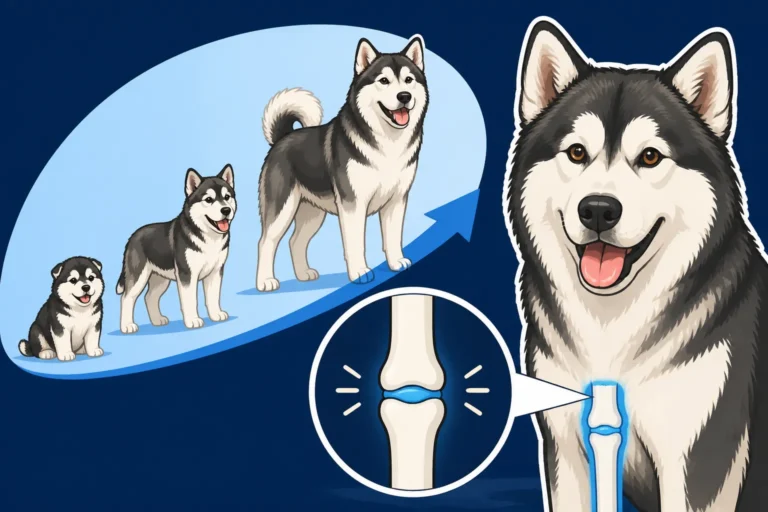
One of the most significant concerns with excessive zinc intake is its impact on copper absorption. Zinc and copper compete for absorption sites in the gut. When there's too much zinc, it essentially "wins" this competition, leading to a secondary copper deficiency. Copper is another essential trace mineral, crucial for red blood cell formation, iron metabolism, bone and connective tissue development, and nerve function. A copper deficiency can cause anemia, neurological issues, and even bone abnormalities, which are certainly not what we want for our strong, active Mals.
Beyond copper deficiency, zinc toxicity can directly harm your Malamute in several ways. The gastrointestinal tract is often the first to show signs of distress. Imagine giving your Malamute a supplement that irritates their stomach and intestines, leading to a cascade of uncomfortable symptoms. It's a common oversight, thinking "if a little is good, more must be better," but with minerals, this logic can quickly turn dangerous. When considering ongoing care and potential issues, having pet insurance like Healthy Paws can provide peace of mind for unexpected vet visits related to such complications.
The Copper-Zinc Imbalance
The competition between zinc and copper is a classic example of nutrient interaction. In the digestive tract, both minerals require certain proteins to be absorbed into the bloodstream. When zinc is present in high concentrations, it binds preferentially to these proteins, effectively blocking copper from being absorbed. Over time, this leads to a systemic copper deficiency.
Symptoms of copper deficiency, induced by zinc overload, can be subtle at first but become more severe. Anemia is a common sign, as copper is essential for incorporating iron into red blood cells. You might notice your Malamute becoming lethargic, weak, or having pale gums. In severe cases, it can affect their coat quality, leading to dullness or even color dilution in black or liver-colored dogs, as copper is involved in pigment production. It's a frustrating situation because you're trying to help one problem (zinc deficiency) and inadvertently creating another, equally serious one. This is why understanding Whether Too Much Zinc Harms a Malamute is so vital.
Direct Toxic Effects of High Zinc
Even without considering the copper imbalance, excessive zinc can cause direct toxic effects. The most common immediate reactions are gastrointestinal upset. We're talking about nausea, vomiting, diarrhea, and a general lack of appetite. Your Malamute might just seem "off," refuse their food, or start having accidents inside. These symptoms can range from mild to severe, depending on the dose and duration of the overdose.
Beyond GI distress, chronic high levels of zinc can lead to more serious, systemic problems. It can suppress the immune system, making your Malamute more susceptible to infections – which is ironic, considering zinc is often touted for immune support. It can also affect red blood cells, causing hemolytic anemia, where red blood cells are destroyed. This is a life-threatening condition that requires immediate veterinary intervention. The accumulation of zinc can also damage organs, particularly the liver and kidneys, which are responsible for processing and eliminating substances from the body. It’s a stark reminder that even essential nutrients have a toxic threshold.
Recognizing the Signs of Zinc Overload
Identifying zinc overload in an Alaskan Malamute can be challenging because some symptoms, like lethargy or poor coat, might overlap with signs of zinc deficiency or other health issues. This is why knowing Signs a Malamute's Zinc Level Has Dropped is important, but also understanding the reverse. The key is to be observant, communicate openly with your veterinarian, and ideally, have accurate diagnostic testing done.
The first noticeable signs often involve the gastrointestinal system. If your Malamute suddenly starts experiencing vomiting or diarrhea after you've introduced a new zinc supplement or increased their dosage, it should raise a red flag. Loss of appetite or a general disinterest in food is another common indicator. These are their bodies reacting directly to the excess mineral, trying to expel it or signaling distress.
Beyond these immediate reactions, look for signs related to copper deficiency, which is a common consequence of zinc toxicity. Pale gums and inner eyelids can indicate anemia, a hallmark of copper deficiency. Your Malamute might seem unusually tired, less enthusiastic about walks or play, and generally less active. Their normally vibrant coat might become dull or even start to lighten in color, particularly in darker-coated Malamutes. These subtle changes can be easy to miss, but they are crucial clues to an underlying issue.
Here’s a quick overview of symptoms that might indicate either a deficiency or an overload, highlighting the importance of veterinary diagnosis:
| Symptom Category | Potential Zinc Deficiency | Potential Zinc Overload (Copper Deficiency) |
|---|---|---|
| Skin & Coat | Crusty lesions, hair loss (muzzle, eyes, pressure points), dull coat | Dull coat, color dilution (especially darker areas), hair loss |
| Energy/Behavior | Lethargy, lack of appetite, general malaise | Lethargy, weakness, reduced activity, loss of appetite |
| Gastrointestinal | No direct GI symptoms, but overall poor health | Vomiting, diarrhea, abdominal pain, loss of appetite |
| Blood/Systemic | Impaired immune function, poor wound healing | Anemia (pale gums), immune suppression, liver/kidney damage |
| Neurological | Rarely primary, but extreme deficiency could impact | Weakness, incoordination (rare but possible in severe cases) |
When to Seek Veterinary Advice
If you suspect your Malamute is suffering from either zinc deficiency or toxicity, contacting your veterinarian is paramount. Self-diagnosis and self-treatment, especially with minerals, can be dangerous. Your vet can perform a thorough examination and recommend specific diagnostic tests. These often include blood tests to measure zinc levels, copper levels, and to check for anemia. Discussing your Malamute's diet, any supplements you're giving, and the exact symptoms you've observed will help your vet pinpoint the problem.
It's also worth noting that some symptoms, such as lethargy and coat issues, could be indicative of other conditions, including Whether a Malamute's Thyroid Disease Is Mistaken for Zinc Deficiency. This is why a professional diagnosis is so crucial; you don't want to treat the wrong problem. When you're managing potential chronic conditions and the need for regular monitoring, pet insurance from a provider like Healthy Paws can be a real asset, helping to cover the costs of diagnostics and ongoing care.
Safe Zinc Supplementation Strategies
Navigating zinc supplementation for an Alaskan Malamute can feel like walking a tightrope, but with the right approach and veterinary guidance, it's absolutely manageable. The goal is always to provide adequate zinc without veering into dangerous excess. This starts with a clear understanding of your dog's specific needs and a proactive approach to their health.
First and foremost, never start or adjust zinc supplementation without consulting your veterinarian. This cannot be stressed enough. Your vet can assess your Malamute’s symptoms, consider their overall health history, and recommend appropriate testing. A simple blood test can often confirm a zinc deficiency, helping you avoid unnecessary supplementation. You might ask, Whether a Malamute's Zinc Should Be Blood Tested and the answer is a resounding yes, especially if you're concerned about deficiency or considering supplementation.
Once a deficiency is confirmed, your vet can recommend the correct form and dosage of zinc. There are several types of zinc supplements available, such as zinc sulfate, zinc methionine, and zinc picolinate, and each has different absorption rates. Zinc methionine is often preferred for dogs with malabsorption issues because it's chelated, meaning the zinc is bound to an amino acid, making it more bioavailable. This can be a game-changer for Malamutes who struggle to absorb zinc, as you're trying to improve absorption without necessarily dramatically increasing the total intake.
Dietary Considerations and Supplement Types
When addressing your Malamute's zinc needs, consider their entire diet. Some ingredients can interfere with zinc absorption. For example, diets very high in calcium or phytates (found in some grains and legumes) can bind with zinc, making it less available to the body. This is why Feeding an Alaskan Malamute for Zinc It Cannot Absorb often involves more than just adding a pill; it's a holistic look at their nutrition.
If your Malamute has a confirmed zinc deficiency, a high-quality commercial dog food designed for large breeds may not be enough. You might need specific supplementation. As mentioned, zinc methionine is often a good choice, but always follow your vet's specific instructions regarding dosage. The amount of zinc needed can vary significantly depending on the individual dog's absorption issues and severity of deficiency. For instance, a chondrodysplastic Malamute might have even more pronounced absorption issues, requiring careful dosing, so understanding How Much Zinc a Chondrodysplastic Malamute Absorbs can be crucial for some owners.
Regular follow-up blood tests will be essential to monitor zinc and copper levels, allowing your vet to adjust the dosage as needed. This ongoing monitoring helps ensure you're providing enough zinc to correct the deficiency without accidentally pushing your Malamute into an overload situation. Remember, the goal isn't to blast them with zinc, but to gently bring their levels into a healthy range and maintain them. For long-term conditions requiring such vigilance and regular testing, having a robust pet insurance plan can certainly alleviate the financial stress, and many owners find value in options like Healthy Paws.
Long-Term Management and Monitoring
For many Alaskan Malamutes with zinc-responsive dermatosis or other inherited zinc malabsorption issues, zinc supplementation may be a lifelong commitment. This means understanding Whether a Malamute Needs Zinc for Life is a question often answered with a "yes." Consistent monitoring is key. Even after initial symptoms resolve, reducing or stopping supplementation without veterinary advice can lead to a relapse.
Annual or semi-annual blood work to check zinc and copper levels should become part of your Malamute's routine health checks. This helps catch any imbalances early, before severe symptoms of either deficiency or toxicity develop. Keep a detailed record of your Malamute's diet, supplements, and any changes in their skin, coat, or behavior. This information is invaluable for your veterinarian to make informed decisions about their care. Also, be aware of the financial aspect; What Zinc Supplementation Costs Over a Malamute's Life can add up, so factor that into your long-term budget.
Ultimately, the best approach is a balanced, informed one. Work closely with your vet, prioritize diagnostic testing, and never assume that more is better when it comes to vital minerals. By being diligent and educated, you can help your Alaskan Malamute thrive, avoiding the pitfalls of both too little and too much zinc.
Disclaimer
The information provided in this article is for general informational purposes only and is not a substitute for professional veterinary advice. Always consult with a qualified veterinarian for any health concerns or before making any decisions related to your pet's medical care, diet, or supplementation.