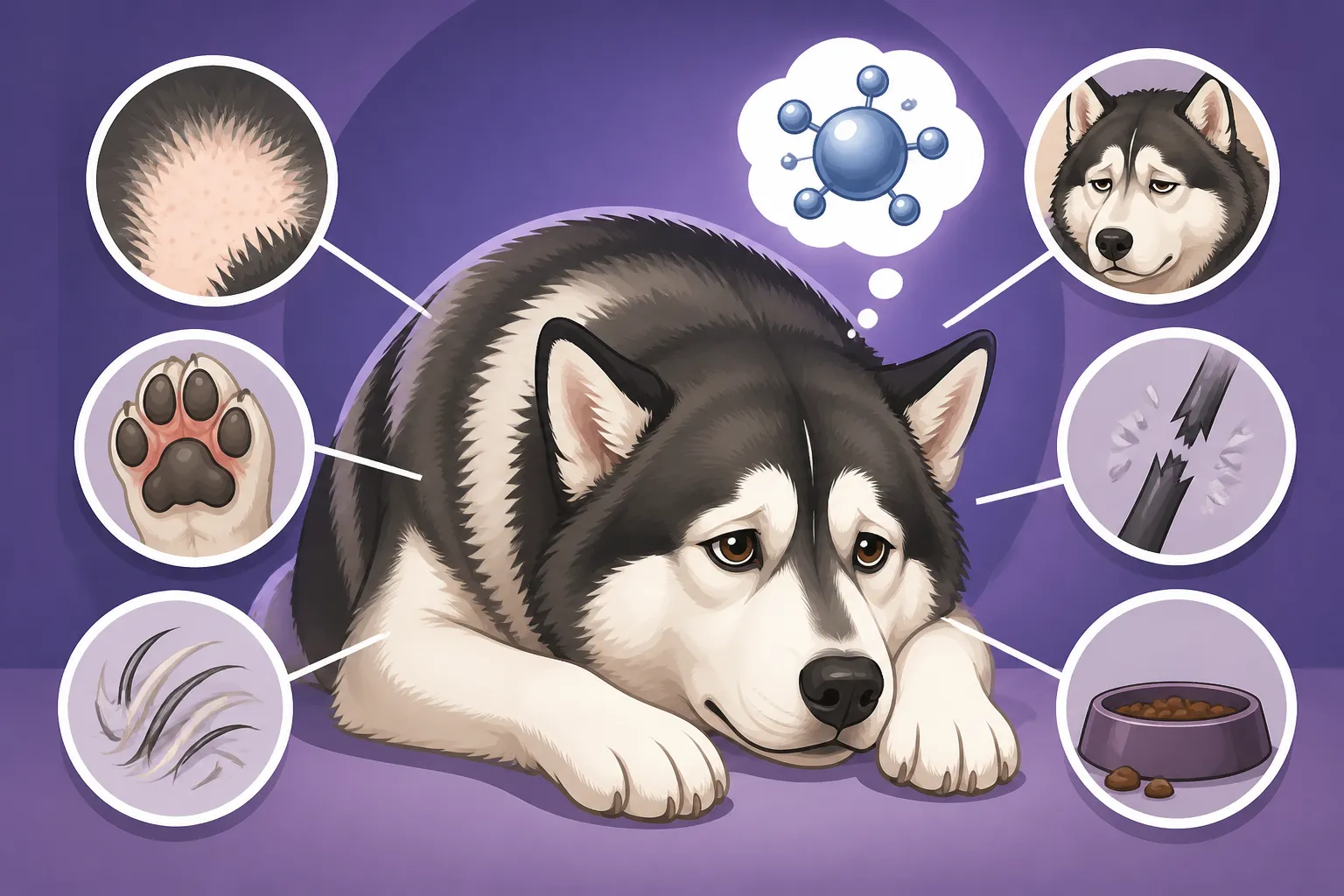
Signs a Malamute’s Zinc Level Has Dropped
It can be incredibly disheartening, and frankly, quite alarming, when your normally robust Alaskan Malamute starts showing subtle, and then not-so-subtle, changes in their skin and overall demeanor. Many Malamute owners find themselves endlessly scratching their heads, wondering why their dog's coat is suddenly looking dull, or why crusts are appearing around their eyes and muzzle, often misdiagnosing it as allergies or a simple diet issue. This comprehensive guide is here to shed light on the tell-tale signs that your Malamute's zinc levels might be dropping, helping you recognize these crucial indicators early and understand the steps to take.
Understanding the Unique Malamute Zinc Predicament
Before we dive into the specific signs, it's essential to understand why Alaskan Malamutes are particularly susceptible to zinc deficiency, often manifesting as a condition called Zinc Responsive Dermatosis. It's not always about a lack of zinc in their food, but rather an inherited inability for their bodies to properly absorb and utilize it from their diet. This genetic predisposition means that even if you're feeding a high-quality kibble or a fresh food diet, your Malamute might still struggle. This can feel like a betrayal when you're doing everything right, but it's a critical piece of their unique physiology. Understanding this helps manage expectations and guides appropriate treatment, which often goes beyond a simple diet change.
Early Dermatological Clues on the Face and Head
Often, the first places you'll notice signs of a dwindling zinc supply are on your Malamute's face and head. These areas are quite sensitive and tend to show the initial outward manifestations of an internal imbalance. It's like a canary in a coal mine, giving you an early heads-up before the problem becomes more widespread.
Crusting and Scaling Around the Muzzle and Lips
One of the most classic early signs to watch for is the appearance of crusty, scaly skin around your Malamute's muzzle, particularly around the corners of their mouth and on their lips. This isn't just dry skin from a cold winter walk; it often has a distinct, thickened, almost scabby texture. You might notice small, reddish-brown patches that look inflamed, and your dog might even scratch or rub their face more frequently due to the discomfort.
Imagine you're cuddling with your Malamute, and you run your hand over their nose. Instead of the usual smooth, soft fur, you feel these rough, gritty patches. They might be subtle at first, maybe just a slight thickening or a few flakes, almost like stubborn dandruff. But over time, if left unaddressed, these areas can become more pronounced, developing into thick, greyish-yellow crusts that cling to the fur. This can be particularly noticeable after they've eaten or had a drink, as the moisture can highlight the affected areas. It's often the first symptom that makes owners think, "Wait, this isn't normal." Keep an eye out for Whether a Malamute's Muzzle Crusts First as a key indicator.
Hair Loss and Redness Around the Eyes and Ears
Beyond the muzzle, your Malamute's eyes and ears are also prime locations for early zinc deficiency symptoms. You might start to notice thinning fur or even small patches of baldness developing directly around their eyes, giving them a somewhat "spectacled" appearance. The skin underneath might appear red, irritated, or even slightly swollen. Similarly, the edges of their ears, particularly around the tips, can become dry, flaky, and lose hair.
Picture this: your Malamute wakes up from a nap, and you notice their usually lush fur around their eyes looks a little sparse, almost moth-eaten. There might be a reddish tinge to the skin, making it look sore. Sometimes, the skin itself will start to thicken, losing its natural elasticity. The ears, which are often overlooked, can also tell a story. You might feel a dry, rough texture at the edges, and the fine hairs there might begin to fall out easily. This isn't just cosmetic; it indicates an inflammatory process under the surface that needs attention. These changes can sometimes be confused with allergies, but the persistent crusting and specific locations often point to zinc. Consider checking Whether a Malamute Loses Hair Around Its Eyes if you observe these symptoms.
Advanced Skin Manifestations
As a zinc deficiency progresses, the localized skin issues you might have initially noticed on the face and head can unfortunately spread, becoming more generalized and severe. This often marks a more advanced stage where the discomfort for your Malamute can increase significantly, requiring prompt and effective intervention.
Thickened and Cracked Paw Pads
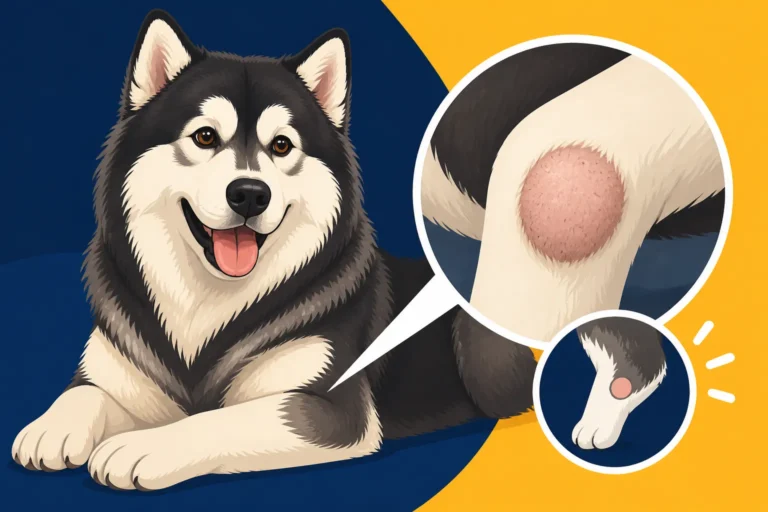
One of the more painful and debilitating signs of advanced zinc deficiency can be found on your Malamute's paw pads. They can become abnormally thick, hard, and prone to cracking, making walking uncomfortable or even painful. These changes are a direct result of the compromised skin integrity due to the lack of adequate zinc.
Imagine your Malamute, usually eager for a long walk or a vigorous play session, now hesitant to put weight on their paws. When you inspect them, instead of the supple, resilient pads you'd expect, you find areas that are calloused, dry, and perhaps even split. These cracks can be shallow or deep, sometimes even bleeding, creating open wounds susceptible to infection. The thickening isn't just cosmetic; it's a structural failure of the skin cells, making the pads less able to withstand normal wear and tear. This can severely impact their mobility and quality of life, turning simple activities into arduous tasks. Don't let it get to this point without seeking veterinary advice; Whether a Malamute's Paw Pads Thicken is a strong indicator.
Widespread Crusting, Scaling, and Hair Loss
Beyond the face and paws, severe zinc deficiency can manifest as widespread skin problems across your Malamute's entire body. This can include large areas of crusting, scaling, and significant hair loss, particularly in areas of friction or pressure such as the elbows, hocks, and genitals. The skin itself may become hyperpigmented (darkened) and feel leathery.
Think about running your hand along your Malamute's back or flanks and feeling not their soft, dense double coat, but rather patches of rough, scaly skin. You might see large flakes of dandruff, almost like severe eczema. In more serious cases, the crusts become extensive, forming large, thick plaques that can be itchy and painful. Hair loss can be dramatic, leaving bald patches that are highly visible. These lesions are often bilaterally symmetrical, meaning they appear similarly on both sides of the body. The constant irritation can lead to secondary scratching and chewing, further compounding the issue and opening the door for opportunistic infections. It's a distressing sight for any owner and clearly signals a systemic problem. This goes beyond a simple dry skin patch; it's a full-body cry for help.
Secondary Skin Infections
Unfortunately, the compromised skin barrier caused by zinc deficiency makes Malamutes highly vulnerable to secondary bacterial or yeast infections. The irritated, inflamed, and sometimes broken skin provides a perfect breeding ground for microorganisms that wouldn't normally cause a problem on healthy skin.
Imagine the already crusty, irritated skin now becoming moist, redder, and emitting an unpleasant odor. This is often the sign of a secondary infection taking hold. Bacteria like Staphylococcus or yeasts like Malassezia thrive in these conditions, turning an already uncomfortable situation into a truly miserable one for your Malamute. These infections can cause intense itching, leading to constant scratching, licking, and chewing, which in turn exacerbates the skin damage. You might see pus-filled bumps, oozing lesions, or even matted fur due to discharge. The presence of secondary infections often complicates diagnosis and treatment, as veterinarians must address both the underlying zinc deficiency and the opportunistic invaders. This is why early detection of the initial zinc deficiency signs is so vital; it can prevent a cascade of further problems. If you suspect an infection, immediate veterinary attention is crucial. Whether a Malamute's Skin Infections Are Secondary is an important question to consider.
General Health and Behavioral Indicators
While skin issues are the most prominent, a significant drop in zinc levels can impact a Malamute's overall health and even their behavior. Zinc is a vital trace mineral involved in numerous bodily functions, from immune response to appetite regulation, so its deficiency can have systemic consequences.
Lethargy and Reduced Appetite
A Malamute struggling with low zinc might exhibit a noticeable drop in their usual energy levels. They might become lethargic, less interested in play, and generally seem "off." Accompanying this can be a decrease in appetite, which can be particularly concerning for a breed known for its robust metabolism.
Think about your typically boisterous Malamute, who usually greets you with an enthusiastic "woo" and a wagging tail, now just slowly lifting their head. They might turn their nose up at their usual meal, or pick at it without much enthusiasm. This isn't just a fussy eater; it's a sign that their body isn't functioning optimally. The constant discomfort from their skin, combined with the systemic roles of zinc in energy metabolism, can simply drain their desire to do much. It's a subtle but important shift from their normal vibrant selves. Observing changes in The Efficient Metabolism That Surprises Every New Malamute Owner can be an early red flag.
Poor Coat Quality and Dullness
Even beyond the specific areas of hair loss and crusting, a Malamute with insufficient zinc often displays a general deterioration in their coat quality. Their magnificent double coat, usually shiny and vibrant, can become dull, dry, and brittle, losing its characteristic luster.
Imagine running your hands through your Malamute's fur and instead of feeling soft, well-conditioned guard hairs and fluffy undercoat, you feel a coarse, dry texture. The coat might look lifeless, almost dusty, lacking its natural sheen. It might also shed excessively, beyond their normal seasonal coat blow, leaving you constantly vacuuming up dull, broken hairs. This dullness is a visible indicator of compromised skin and hair follicle health, both of which rely on adequate zinc for proper function. While a dull coat can have many causes, when combined with other symptoms like facial crusting, it strengthens the suspicion of zinc deficiency.
Gastrointestinal Upset and Immune Weakness
Zinc plays a crucial role in gut health and immune function. Therefore, a deficiency can sometimes lead to gastrointestinal upset, such as intermittent diarrhea or vomiting. More broadly, their immune system can become compromised, making them more susceptible to other infections or slower to recover from illness.
Consider a scenario where your Malamute seems to be getting recurring sniffles or takes an unusually long time to bounce back from a minor stomach bug. Their resilience might be noticeably diminished. While not as direct a sign as skin lesions, unexplained digestive issues, coupled with a general decline in health or frequent minor infections, can sometimes be linked to a long-term zinc deficiency. Zinc is essential for the rapid cell turnover in the gut lining and for the proper functioning of immune cells. A shortage in this vital mineral can leave their body less equipped to handle everyday challenges, making them more vulnerable to a range of ailments.
Confirming a Zinc Deficiency and Seeking Solutions
If you're observing any of these signs in your Alaskan Malamute, it's absolutely crucial to consult your veterinarian promptly. Self-diagnosis and self-treatment, especially with something as delicate as mineral supplementation, can be risky.
Veterinary Diagnosis and Bloodwork
Your vet will conduct a thorough physical examination, paying close attention to the skin lesions, coat quality, and overall health. They will likely discuss your Malamute's diet, living environment, and any other symptoms you've noticed. To confirm a zinc deficiency, they might recommend blood tests. While blood zinc levels aren't always definitive (as the body tries to maintain zinc levels in the blood even when tissue levels are low), they can provide valuable information. Sometimes, a skin biopsy might be taken to examine the cellular changes under a microscope, which can be highly characteristic of zinc-responsive dermatosis.
It's tempting to jump to conclusions, but getting a proper diagnosis ensures you're treating the right problem. Your vet might want to rule out other conditions that present with similar skin symptoms, such as allergies, thyroid issues (Whether a Malamute's Thyroid Disease Is Mistaken for Zinc Deficiency), or other nutritional imbalances. Providing your vet with a detailed history of when symptoms started, how they've progressed, and what you've observed, will be incredibly helpful. This collaborative approach ensures that your Malamute gets the most accurate diagnosis and effective treatment plan.
Dietary Adjustments and Supplementation
Once a zinc deficiency or malabsorption issue is confirmed, your vet will guide you on the best course of action. For Malamutes, this almost always involves some form of zinc supplementation, often lifelong, because of their genetic predisposition. Simply changing their food might not be enough if their body can't absorb zinc efficiently.
Your vet might suggest a specific type of zinc supplement, like zinc methionine, which is often more bioavailable. They'll also provide precise dosing instructions, as too much zinc can also be harmful. While you can find various supplements on platforms like Chewy or Amazon, always, always follow your vet's recommendation for type and dosage. Discussing your Malamute's current diet is also important. Some ingredients, like high levels of calcium or certain grains, can interfere with zinc absorption. Your vet might suggest specific dog food brands or even working with a veterinary nutritionist to formulate a diet that minimizes these interferences. For example, if you're exploring fresh food options like Ollie, your vet can advise on how to ensure adequate zinc and potentially other crucial nutrients are included, or how to integrate supplements safely. Remember, Whether a Malamute Needs Zinc for Life is a real consideration for many of these dogs.
Ongoing Management and Monitoring
Living with a Malamute prone to zinc deficiency means ongoing vigilance and management. This isn't usually a one-and-done fix; it's a journey. Regular follow-up appointments with your vet will be necessary to monitor your Malamute's progress, adjust supplement dosages if needed, and address any recurring symptoms or new concerns.
You'll become an expert at "reading" your Malamute's skin, constantly checking for Reading a Malamute's Skin Before the Crusts Appear. This means regular checks of their muzzle, eyes, ears, and paw pads. Pay attention to changes in their coat, energy levels, and appetite. Keeping a detailed log of their symptoms, medication schedule, and any changes you observe can be incredibly helpful for your vet. Many owners find that a consistent routine, including quality nutrition and appropriate supplementation, keeps their Malamute comfortable and healthy. It's about finding that balance that allows your majestic companion to thrive, despite their unique genetic challenge.
Table of Common Zinc Deficiency Signs in Alaskan Malamutes
To help you quickly identify potential issues, here's a table summarizing the key signs to watch out for:
| Area of Body | Early Signs to Look For | Advanced Signs to Look For | Potential Impact on Malamute |
|---|---|---|---|
| Muzzle | Crusting, scaling, redness around lips and nose | Thickened, greyish-yellow scabs, deep cracks, inflammation | Discomfort, rubbing face, difficulty eating/drinking |
| Eyes | Thinning hair, redness, scaling around eye rims | Bald patches, severe irritation, thickened skin | Discomfort, squinting |
| Ears | Dryness, flakiness, hair loss at ear tips | Thickened, crusty edges, severe itching | Discomfort, head shaking, secondary infections |
| Paw Pads | Slight thickening, minor dryness | Abnormally thick, hard, painful cracks, bleeding | Lameness, reluctance to walk/play, increased infection risk |
| Body Skin | Dull coat, mild dandruff, scattered dry patches | Widespread crusting, scaling, significant hair loss (elbows, hocks) | Intense itching, pain, bacterial/yeast infections, foul odor |
| Overall | Reduced energy, slight decrease in appetite | Lethargy, significant appetite loss, weight changes | Lower quality of life, compromised immune system, slower recovery |
The Long-Term Commitment to Your Malamute's Health
Caring for an Alaskan Malamute with a predisposition to zinc deficiency is indeed a long-term commitment. It requires patience, keen observation, and a close partnership with your veterinarian. The good news is that with proper diagnosis and consistent management, Malamutes with zinc-responsive dermatosis can live full, happy, and comfortable lives.
It's a testament to their resilience and your dedication as an owner that you're willing to go the extra mile to understand and address these complex health challenges. Don't be discouraged if it takes a little trial and error to find the perfect balance of diet and supplementation for your individual dog. Every Malamute is unique, and what works for one might need slight adjustments for another. Keep seeking information, consult your vet regularly, and continue to provide the loving care that these magnificent dogs deserve. The journey might be challenging at times, but seeing your Malamute thrive, with a healthy coat and comfortable skin, is its own reward.
Disclaimer
This article is for general informational purposes only and does not constitute professional advice. Laws, prices and regulations vary by location and change over time. Consult a qualified professional for guidance on your specific situation.