Freight, Not Speed: What Separates a Malamute From a Racing Dog
Alaskan Malamutes differ from racing dogs because they were bred for heavy freighting and endurance over vast distances.

Alaskan Malamutes differ from racing dogs because they were bred for heavy freighting and endurance over vast distances.
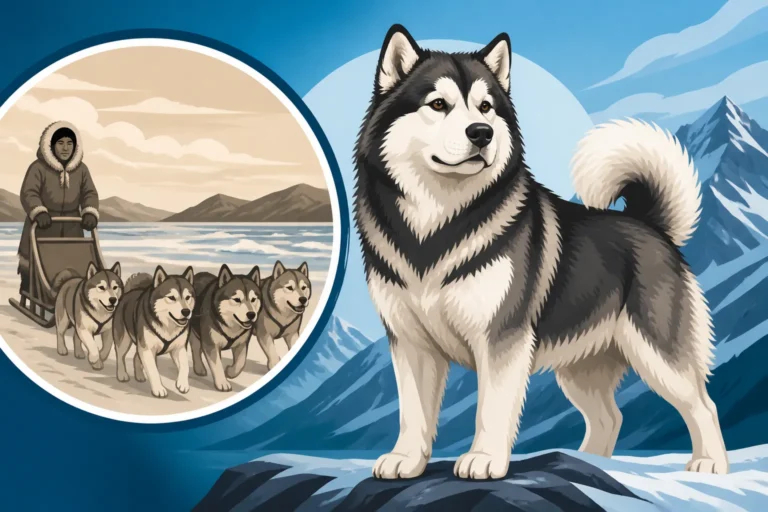
The Mahlemut people of Kotzebue Sound bred the Alaskan Malamute as working dogs to haul heavy loads across snow and ice.

Alaskan Malamute metabolism explains why these dogs need less food and how to prevent dangerous weight gain in everyday life.

Zinc absorption issues in Alaskan Malamutes cause skin problems, requiring specific diets and management for this genetic condition.

Alaskan Malamute independence, prey drive, and survival instincts prevent reliable recall, requiring secure environments and management.

Alaskan Malamute ancestry details how ancient subsistence hunting instincts drive modern behavioral challenges, prey aggression, and containment needs.
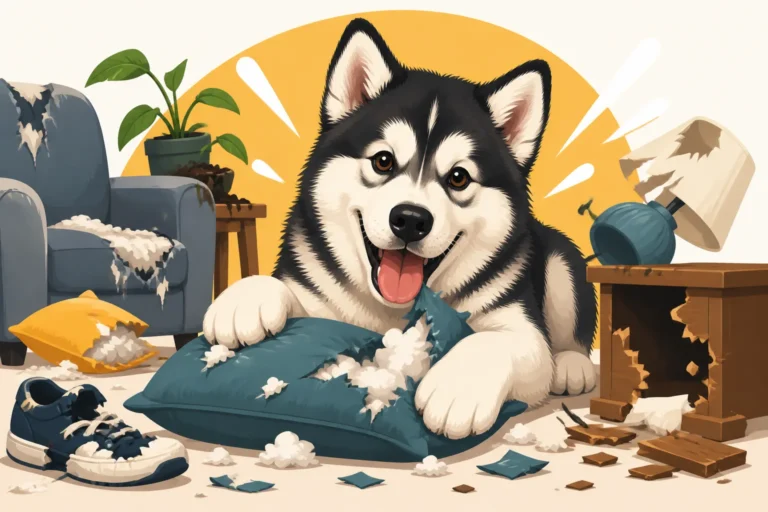
Alaskan Malamute adolescent destructive behavior, chewing instincts, and digging habits cause extensive home and yard damage before age two.

Alaskan Malamute DNA health testing explains the puppy price differences and identifies hereditary polyneuropathy and day blindness risks.
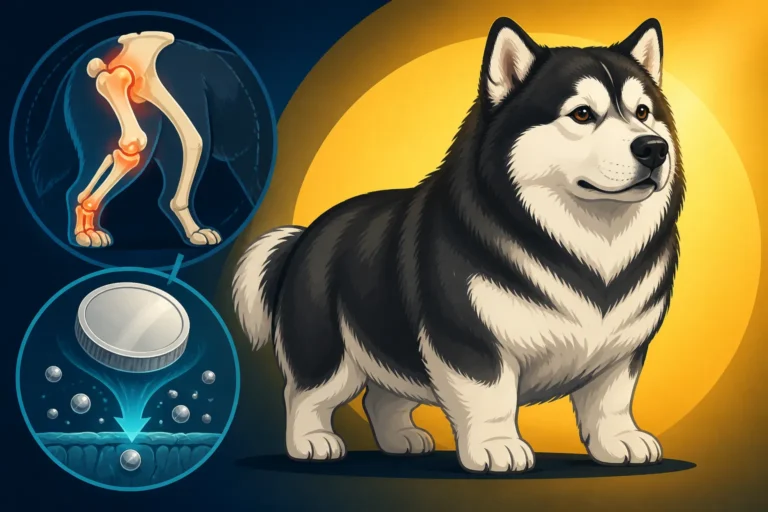
Chondrodysplasia in Alaskan Malamutes causes stunted bone growth and severely reduces dietary zinc absorption to just twenty-five percent.

Alaskan Malamute zinc malabsorption causes three distinct health conditions, including skin disease, skeletal abnormalities, and nerve disorders.

Working Alaskan Malamutes still exist today, and this text explains how to identify their true working ability.

Alaskan Malamute breeding for family companions and working roles, plus health, temperament, and puppy checks.

Alaskan Malamute popularity depends on whether owners manage heavy shedding, size, and high daily exercise needs.

Alaskan Malamute owners explain why shedding, strength, and independence make them hesitate or choose the breed again.

Alaskan Malamute shedding and seasonal coat blow explain how fur accumulates at home and whether the breed fits your household.
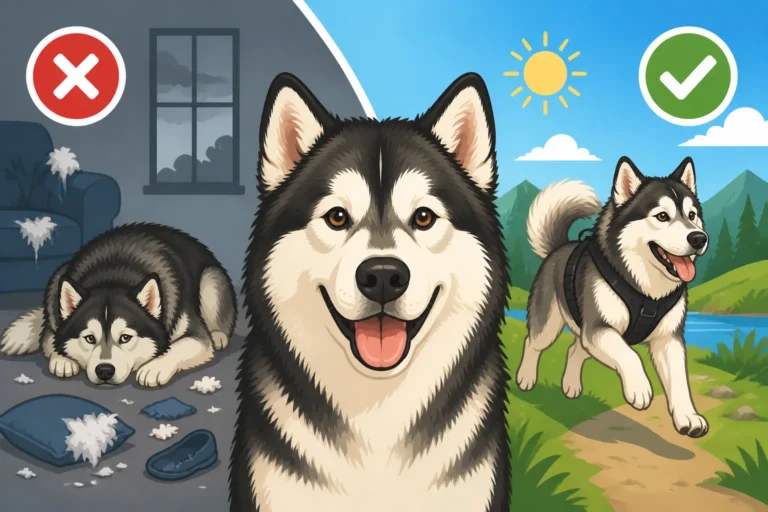
An Alaskan Malamute living without a formal job needs everyday activities and purposeful tasks for a happy home life.
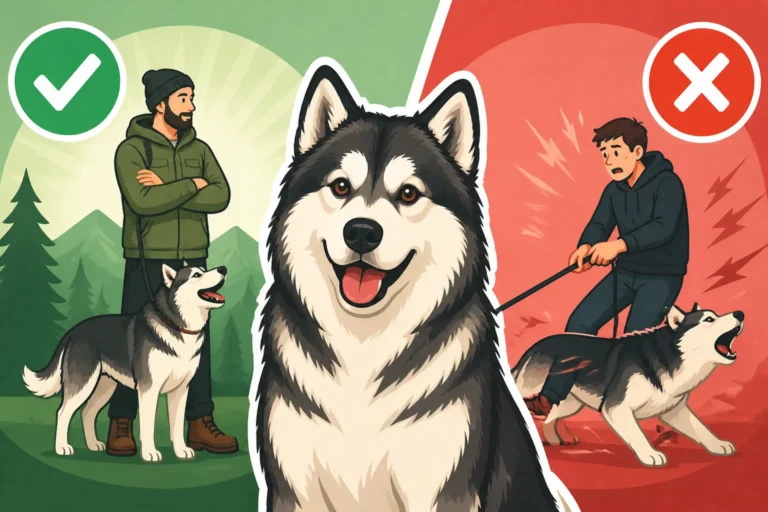
Alaskan Malamute ownership requires realistic expectations and preparation to manage size, strength, and independence.

Alaskan Malamute running suitability depends on cool weather, safe trail conditions, and dog age and conditioning.

Alaskan Malamute suitability on rural property depends on secure fencing, exercise routines, livestock management, and daily supervision.

Alaskan Malamute heat management details daily life requirements, safety risks, and proper grooming methods for warm regions.