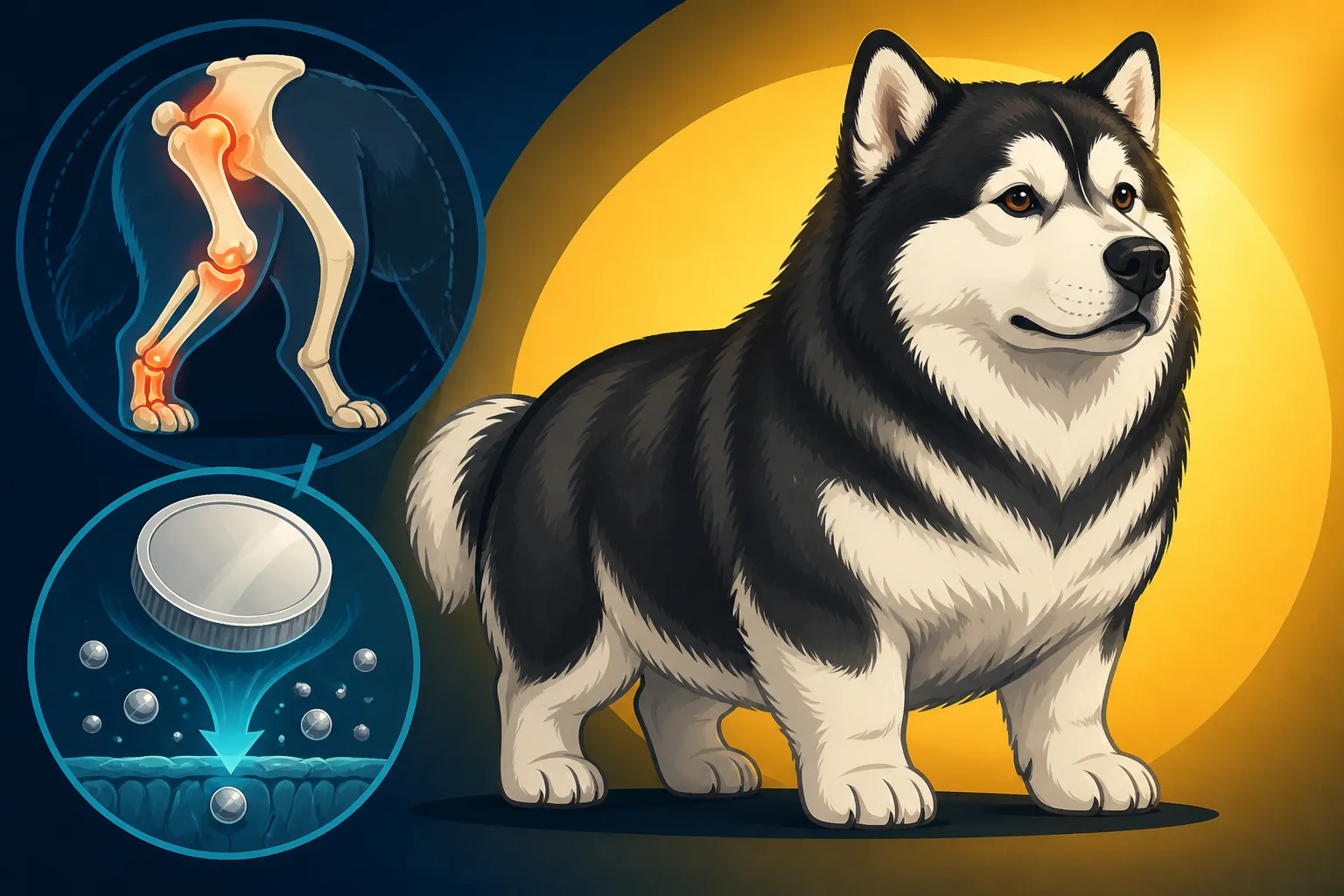
Chondrodysplasia and the Malamute That Absorbs a Quarter of Its Zinc
It's incredibly disheartening when you bring home an Alaskan Malamute puppy, brimming with dreams of majestic pulls and grand adventures, only to notice that something isn't quite right with their growth. Perhaps their legs seem a bit too short, or their gait isn't as strong as their littermates'. This often points to a complex genetic condition known as chondrodysplasia, which in Malamutes, comes with a particularly challenging twist: a severely compromised ability to absorb vital zinc. This guide will walk you through what chondrodysplasia means for your beloved companion, its deep connection to zinc deficiency, how to identify it, and most importantly, how to provide the best possible care.
Understanding Chondrodysplasia: More Than Just "Dwarfism"
Chondrodysplasia in Alaskan Malamutes isn't just about being a "dwarf" dog; it's a specific, inherited genetic disorder that profoundly impacts how their bones and cartilage develop. Imagine the very building blocks of their skeleton not quite forming as they should, leading to a distinct and often challenging set of physical characteristics. It's a condition that demands understanding, patience, and a tailored approach to care, far beyond what a typical Malamute might require.
What Chondrodysplasia Actually Is
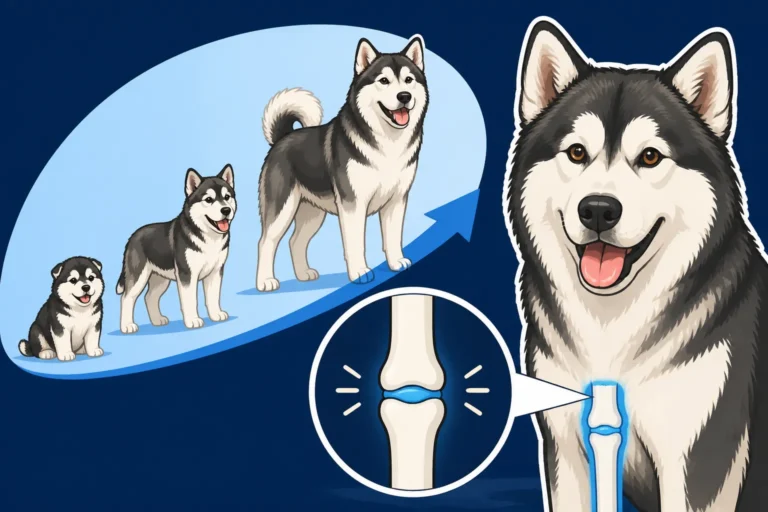
At its core, chondrodysplasia is a developmental abnormality of cartilage, the flexible tissue that serves as a precursor to bone in growing puppies. For Malamutes, this means a disruption in the process of endochondral ossification – the way long bones lengthen. Instead of cartilage maturing and being replaced by bone in an orderly fashion, the process is flawed. This particular form of dwarfism is classified as disproportionate, meaning the affected dogs have limbs that are significantly shorter than normal, while their body length and head size remain relatively typical for the breed. It's not a uniform shrinking; it's a specific architectural flaw in their skeletal structure. This genetic glitch is well-understood, and thankfully, modern testing can identify the carriers, allowing responsible breeders to make informed decisions.
Visualizing the Physical Manifestations
When you look at a Malamute affected by chondrodysplasia, the most striking feature is usually the appearance of their limbs. They tend to be noticeably shorter, often thick-boned, and can sometimes have a bowed or curved appearance, particularly in the front legs. This isn't just a cosmetic issue; it affects their mobility, balance, and overall physical capabilities. Picture a powerful, robust Malamute body perched on legs that aren't quite long enough to support it efficiently. Their gait might be clumsy, they might struggle with stairs, and activities that come naturally to a healthy Malamute, like long-distance pulling, become difficult or impossible. The impact of the condition often becomes visible around the age of 4-6 weeks, as their legs start to fall behind the growth rate of their littermates. If you’re curious about the specific timing, we have a detailed piece on The Week a Dwarf Malamute's Legs Fall Behind.
The Genetic Hand-Me-Down
Chondrodysplasia in Alaskan Malamutes is an inherited condition, specifically an autosomal recessive trait. What does this mean for owners and breeders? It means that a puppy must inherit two copies of the defective gene – one from its mother and one from its father – to actually develop the condition. If a dog inherits only one copy, it becomes a "carrier" and won't show any signs of the disease itself. However, a carrier can pass that gene on to its offspring. This genetic mechanism is why it's so crucial for breeders to undertake proper health screening before breeding. Without genetic testing, carriers can unknowingly pass the gene through generations, leading to affected puppies when two carriers are bred together. We delve deeper into this in our article Whether Malamute Chondrodysplasia Is Recessive, which highlights the importance of understanding these genetic principles. The good news is that reliable DNA tests are available, allowing breeders to identify carriers and make informed choices to reduce the incidence of this heartbreaking condition.
The Unseen Battle: Zinc Absorption Issues in Chondrodysplastic Malamutes
One of the most critical, yet often overlooked, aspects of chondrodysplasia in Alaskan Malamutes is its profound link to zinc metabolism. It's not just about skeletal development; these dogs often wage an unseen battle within their own bodies, struggling to absorb and utilize a nutrient absolutely vital for their health. This dual challenge makes managing chondrodysplasia significantly more complex than dealing with just skeletal issues alone.
The Crucial Role of Zinc in Malamute Health
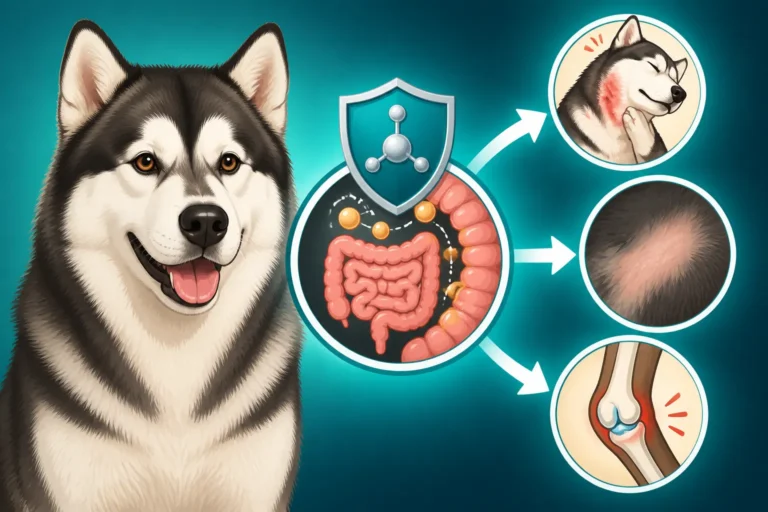
Zinc is an essential trace mineral that plays a staggering number of roles in a dog's body. It's involved in immune function, wound healing, protein and carbohydrate metabolism, cell division, and even the health of their skin and coat. For a growing puppy, zinc is indispensable for proper development. For Malamutes in particular, there's a recognized genetic predisposition to zinc-related issues, making them inherently more susceptible to deficiencies even without chondrodysplasia. We often discuss how Zinc Is the Thread Running Through Three Malamute Diseases, highlighting its broad impact. When zinc levels drop, a Malamute's robust immune system can falter, their skin can suffer, and their general vitality can diminish, making them vulnerable to a host of secondary problems.
Why Absorption Goes Awry
This is where the unique challenge for chondrodysplastic Malamutes comes into sharp focus. While regular Malamutes might struggle with zinc absorption due to genetic factors, those with chondrodysplasia face an even more severe hurdle. Research has indicated that dogs with this condition may only be able to absorb as little as a quarter of the dietary zinc compared to their healthy counterparts. Imagine eating a balanced meal, but your body only processes 25% of a key vitamin – that's the reality for these dogs. The exact biological mechanism behind this severely reduced absorption is still being researched, but it's understood to be intrinsically linked to the same genetic defect that causes their skeletal abnormalities. It’s not simply a dietary deficiency; it’s a profound metabolic impairment. This means feeding a high-quality, zinc-rich diet alone isn't enough; direct supplementation becomes a non-negotiable part of their care.
The Domino Effect of Zinc Deficiency
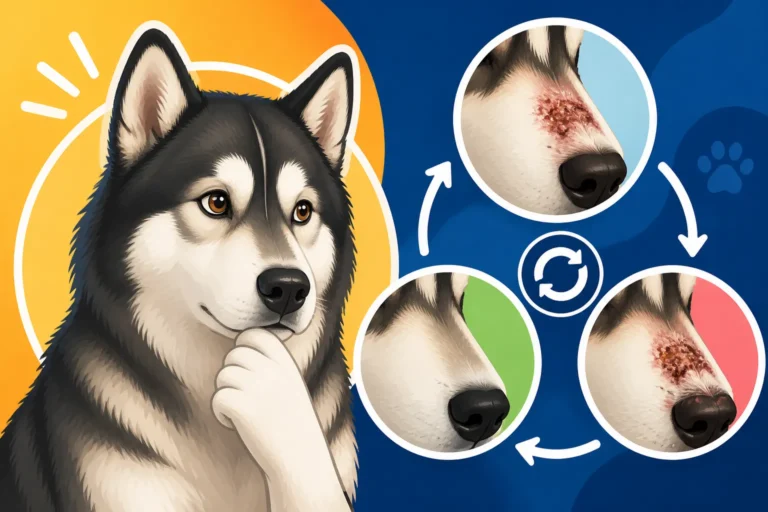
The consequences of this dramatically reduced zinc absorption extend far beyond just their growth issues. Chronic zinc deficiency can trigger a cascade of health problems. The most visually striking is often severe skin issues, commonly referred to as Zinc Responsive Dermatosis. This manifests as crusting, scaling, hair loss, and inflammation, particularly around the eyes, muzzle, ears, and pressure points like elbows and hocks. These areas can become incredibly uncomfortable, itchy, and prone to secondary bacterial or yeast infections. Beyond the skin, a weakened immune system can lead to more frequent illnesses, slower healing, and a general lack of vigor. A chondrodysplastic Malamute is already dealing with mobility challenges, and adding the discomfort of persistent skin problems or recurring infections can significantly diminish their quality of life. Understanding What Zinc Responsive Dermatosis Looks Like on a Malamute is key for early identification and treatment.
Recognizing the Early Signs: A Parent's Vigilance
As a Malamute owner, you want nothing more than to see your puppy thrive. But with conditions like chondrodysplasia and its accompanying zinc absorption issues, early recognition is absolutely paramount. It can be a subtle process, as puppies often appear normal at birth, making keen observation and prompt veterinary consultation crucial. Being attuned to the specific developmental cues and physical changes can make all the difference in providing timely and effective support.
When to Suspect Chondrodysplasia in a Puppy
One of the most heartbreaking aspects of chondrodysplasia is that puppies often seem perfectly normal when they’re first born. They nurse, they play, they look like any other adorable Malamute pup. However, as they grow, usually around 3 to 6 weeks of age, their legs will start to fall behind in growth compared to their littermates. This is the crucial window for observation. You might notice that while their body and head grow at a typical rate, their limbs appear disproportionately short. They may have a waddling gait or seem a bit clumsier than their siblings. It’s a subtle but persistent difference that becomes more apparent as the weeks go by. Our article The Age Malamute Dwarfism Becomes Visible offers further insight into this developmental timeline. Don't dismiss these observations as just a "late bloomer" or a particularly stocky build; they warrant immediate investigation.
Beyond Stunted Growth: Other Red Flags
While short, sometimes bowed, limbs are the hallmark of chondrodysplasia, there are other signs that, especially when combined, can point towards this condition and its associated zinc deficiency. You might observe a tendency for the front legs to bow outwards, giving them a distinct stance. (Whether a Dwarf Malamute Has Bowed Front Legs discusses this common characteristic). Beyond the obvious skeletal changes, keep an eye on their skin and coat. Due to the poor zinc absorption, you might notice a dull, dry, or sparse coat, or even early signs of crusting or redness around their eyes, muzzle, or paw pads. They might scratch or chew at these areas more than usual. These dermatological signs, when paired with the unusual growth pattern, are strong indicators that both chondrodysplasia and a severe zinc deficiency are at play, creating a dual challenge for your young Malamute.
The Importance of Early Diagnosis
Catching chondrodysplasia and its zinc malabsorption early is not about curing the condition – unfortunately, it's genetic and incurable – but it is about managing it effectively and improving your Malamute's quality of life. The sooner you identify the problem, the sooner you can implement tailored nutritional strategies, particularly zinc supplementation, and make environmental adjustments to support their developing joints. Early intervention can help prevent the secondary complications of severe zinc deficiency, such as painful skin infections, and can also help mitigate the long-term impact on their joints, potentially delaying the onset of debilitating arthritis. A prompt diagnosis means working with your vet to create a proactive care plan, rather than reacting to worsening symptoms down the line.
Diagnostic Pathways: Confirming Chondrodysplasia and Zinc Deficiency
When you suspect your Malamute puppy might be facing chondrodysplasia and its associated zinc absorption issues, the next step is a clear and accurate diagnosis. This isn't just about confirming your suspicions; it's about understanding the full scope of the condition so you and your veterinary team can develop the most effective care plan. There are specific tests and observations that a veterinarian will utilize to get to the bottom of what's happening.
Genetic Testing: The Definitive Answer
For chondrodysplasia itself, the most definitive diagnostic tool available is genetic testing. This isn't a speculative test; it directly identifies the specific gene mutation responsible for the condition in Alaskan Malamutes. A simple buccal swab (cheek swab) or blood sample can be sent to a specialized veterinary genetics lab. The results will clearly indicate if your Malamute is clear, a carrier, or affected by chondrodysplasia. This test is invaluable not just for affected dogs, but for prospective breeding animals, allowing responsible breeders to avoid perpetuating the gene in the Malamute population. Knowing Whether Malamute Dwarfism Has a DNA Test can provide immense peace of mind or, if positive, a clear path forward.
Assessing Zinc Levels: Bloodwork and Biopsies
Confirming a zinc deficiency, especially one related to absorption, typically involves a combination of clinical signs and diagnostic tests. Your vet will conduct a thorough physical examination, looking for those tell-tale skin lesions around the eyes, muzzle, and pressure points, as well as assessing coat quality. Blood tests can measure serum zinc levels, though it's important to note that serum zinc can fluctuate and might not always perfectly reflect the body's overall zinc stores, particularly in cases of chronic malabsorption. Sometimes, a skin biopsy may be recommended. This involves taking a small tissue sample from an affected skin area, which is then examined under a microscope. The specific changes seen in the skin cells can be highly indicative of zinc-responsive dermatosis, helping to confirm the functional deficiency even if blood levels aren't drastically low.
Differentiating from Other Conditions
It's crucial for your veterinarian to rule out other conditions that might present with similar symptoms, such as generalized poor growth, nutritional deficiencies unrelated to malabsorption, or other dermatological problems. For instance, a puppy might be small due to parasites, malnutrition, or even other forms of dwarfism. Skin lesions could be caused by allergies, infections, or other autoimmune conditions. By systematically ruling out these possibilities through blood tests (e.g., for thyroid function, infection, other nutrient levels), fecal exams, and potentially other imaging like X-rays to assess bone structure, your vet can arrive at an accurate diagnosis of chondrodysplasia and its concurrent zinc malabsorption. This thorough diagnostic process ensures that the treatment plan is precisely targeted to your Malamute's specific needs.
Managing Life with a Chondrodysplastic Malamute: Support and Care
Living with a chondrodysplastic Malamute, especially one battling severe zinc malabsorption, is a journey that requires commitment, adaptation, and a deep understanding of their unique needs. It's not about seeking a cure, but about maximizing their comfort, mobility, and overall quality of life. This means a multi-faceted approach, combining meticulous nutritional management with environmental considerations and consistent veterinary oversight.
Tailored Nutritional Strategies
Given that these Malamutes may absorb only a fraction of the zinc they need, dietary management is absolutely critical. Standard commercial dog foods, even high-quality ones, are often formulated for dogs with normal zinc absorption and might not contain sufficient bioavailable zinc for an affected Malamute. Therefore, zinc supplementation is almost always necessary and lifelong. Your vet will guide you on the appropriate type and dosage of zinc supplement, such as zinc methionine, which is often more easily absorbed. It's not a "one size fits all" situation; the dose may need careful adjustment based on your dog's individual response and monitoring of their skin condition and overall health. Over-supplementation can also be harmful, so always work closely with your veterinarian. Our article Feeding an Alaskan Malamute for Zinc It Cannot Absorb provides in-depth information on this vital aspect of their care, along with guidance on How Much Zinc a Chondrodysplastic Malamute Absorbs. Many owners report significant improvement in skin and coat health once appropriate zinc levels are maintained.
Environmental Adjustments for Mobility
The short, sometimes bowed limbs of a chondrodysplastic Malamute mean they face significant mobility challenges. Activities that healthy dogs take for granted can be difficult or even painful. You'll need to think about adapting your home and routine to make their life easier. Consider ramps for getting onto furniture or into vehicles, rather than letting them jump. Minimize stairs or provide assistance on them. Ensure they have soft, comfortable bedding to prevent pressure sores, especially if their mobility is severely limited. While these Malamutes retain their strong drive, traditional strenuous activities like competitive pulling or long, demanding hikes are generally not suitable and could cause significant joint damage and pain. Instead, focus on shorter, gentler walks on soft surfaces and plenty of mental enrichment through puzzle toys and training games. Don't push them to do things that cause discomfort; their joy will come from being with you, not necessarily from feats of endurance.
The Role of Regular Veterinary Care
Consistent and proactive veterinary care is the cornerstone of managing a chondrodysplastic Malamute. This isn't just about reacting to problems when they arise; it's about ongoing monitoring to prevent issues and maintain their well-being. Regular check-ups will allow your vet to assess their mobility, monitor for signs of arthritis, evaluate their skin and coat, and re-evaluate their zinc supplementation needs. Blood tests might be periodically performed to monitor organ function and zinc levels, ensuring they are not getting too much or too little. Early detection of secondary conditions, such as joint inflammation or skin infections, is key to successful treatment. Having a good pet insurance plan, like those offered by Healthy Paws, can be incredibly beneficial for covering the costs of these ongoing diagnostic tests, specialist consultations, and long-term medications that a dog with chronic conditions might require. This ensures you can always prioritize their health without undue financial stress.
Living a Full Life: Quality Over 'Normalcy'
It’s easy to get caught up in what a chondrodysplastic Malamute cannot do compared to their "normal" counterparts. But the real joy and fulfillment come from focusing on what they can do, and how you can enrich their lives within their physical limitations. These dogs still have the incredible Malamute spirit, and with thoughtful care and adjusted expectations, they can lead incredibly happy, fulfilling lives.
Adjusting Expectations for Activity
Your chondrodysplastic Malamute might not be hauling a sled across frozen tundras, but that doesn't mean they can't have a job or enjoy activity. Instead of focusing on physical endurance, shift your focus to mental stimulation and gentle, appropriate exercise. Short, slow walks on soft ground like grass or dirt trails are preferable to hard pavement, which can be jarring on their joints. Consider canine massage or hydrotherapy if available, which can help maintain muscle mass and improve flexibility without excessive weight-bearing stress. Puzzle toys, scent work, and positive reinforcement training sessions for basic obedience or fun tricks are fantastic ways to engage their intelligent minds and satisfy their desire to "work." Remember, their connection with you and their intrinsic Malamute drive for companionship and mental engagement are paramount.
Addressing Secondary Health Concerns
Because of their underlying genetic condition and chronic zinc malabsorption, chondrodysplastic Malamutes are often prone to secondary health issues. Arthritis is a common concern due to the abnormal development and stress on their joints. Your vet might recommend joint supplements (like glucosamine and chondroitin), anti-inflammatory medications, or even physical therapy to manage pain and improve mobility. Skin infections, stemming from compromised skin integrity due to zinc deficiency, also need prompt attention. Regularly inspect their skin, especially in areas prone to crusting, and address any redness, swelling, or odor immediately with your vet. Proactive management of these secondary issues is crucial for maintaining their comfort and preventing minor problems from escalating into major ones.
The Emotional Journey for Owners
Caring for a dog with a chronic condition like chondrodysplasia can be an emotional rollercoaster. There will be moments of worry, frustration, and perhaps even grief for the "what ifs." It's okay to acknowledge these feelings. However, it's also a journey filled with immense love, resilience, and unique rewards. These dogs often teach us profound lessons about adaptability and unconditional love. They are not defined by their challenges, but by their vibrant personalities and their unwavering devotion. Seek support from online communities or local Malamute groups; connecting with other owners who understand the journey can be incredibly validating and helpful. Celebrate every small victory, cherish every snuggle, and know that the love you share with your special Malamute makes every effort worthwhile. Even with health challenges, The Ten to Fourteen Years an Alaskan Malamute Lives is a testament to the strong bond they form with their families.
The Future of Malamute Breeding: Eradicating Chondrodysplasia
The presence of inherited conditions like chondrodysplasia is a serious concern for any responsible dog breed. While we can provide excellent care for affected individuals, the long-term goal for the Alaskan Malamute breed as a whole is to reduce, and ideally eliminate, the incidence of such genetic diseases. This ambitious but achievable goal relies heavily on the commitment of breeders and the informed choices of prospective owners.
Ethical Breeding Practices
The cornerstone of eradicating chondrodysplasia lies in ethical breeding practices. Because it's an autosomal recessive condition, both parent dogs must be carriers to produce an affected puppy. This means that even seemingly healthy dogs can carry the gene. Therefore, responsible breeders rigorously health test their breeding stock for chondrodysplasia using the available DNA test. A truly ethical breeder will never breed two carriers together. They will also be transparent about their testing results, willingly sharing them with prospective puppy buyers. This dedication goes a long way in ensuring the health and future of the breed. If you're considering bringing a Malamute into your life, understanding The Health Tests Both Alaskan Malamute Parents Should Have is vital for making an informed choice.
The Impact of DNA Testing on the Breed
The development and widespread availability of DNA testing for chondrodysplasia has been a game-changer for the Alaskan Malamute breed. Before these tests, breeders relied on pedigree analysis and hoping for the best, sometimes unknowingly producing affected puppies. Now, with a simple, accurate test, carriers can be identified and selectively bred. While it’s not about removing all carriers from the gene pool overnight – that could dangerously narrow the overall genetic diversity – it's about strategic pairings. A known carrier can be safely bred to a "clear" dog (one that does not carry the gene), as this pairing will only produce clear or carrier puppies, but never an affected one. Over time, through careful breeding programs, the prevalence of the chondrodysplasia gene can be significantly reduced within the breed, leading to fewer affected puppies and healthier Malamutes overall.
The Role of Owners in Supporting Responsible Breeding
As a prospective Malamute owner, you hold significant power in shaping the future health of the breed. By seeking out breeders who prioritize health testing and transparency, you support ethical practices. Don't be shy about asking to see the genetic test results for both parents of any puppy you're considering. A reputable breeder will be proud to share these documents and explain their breeding philosophy. If a breeder is evasive or claims testing isn't necessary, consider it a red flag. Educate yourself, be discerning, and choose a puppy from a lineage where health has been a top priority. Our guide on Whether a Malamute Buyer Can See the Breeder's Results highlights the importance of this transparency. Your choice contributes directly to the demand for responsibly bred dogs and helps to ensure that future generations of Alaskan Malamutes are as healthy and robust as possible.
Comparative Look at Growth and Zinc Needs
To help visualize the differences between a typical Alaskan Malamute and one affected by chondrodysplasia with compromised zinc absorption, here's a comparative table. This is a simplified overview, but it highlights the key distinctions that owners and breeders should be aware of.
| Feature | Typical Alaskan Malamute (Healthy) | Chondrodysplastic Alaskan Malamute (Affected) |
|---|---|---|
| Limb Growth Rate | Consistent with body, achieving breed standard height. | Legs fall behind growth of body and head, visibly shorter/bowed. |
| Overall Stature | Powerful, athletic, well-proportioned. | Disproportionate dwarfism; normal body/head on short limbs. |
| Zinc Absorption | Normal, or mildly reduced (breed predisposition). | Severely reduced (often ~25% of normal absorption). |
| Dietary Zinc Needs | Met by high-quality commercial dog food, sometimes supplements. | Requires significant, lifelong therapeutic zinc supplementation. |
| Skin/Coat Health | Thick, dense double coat; healthy skin. | Prone to dry, dull coat, scaling, crusting (Zinc Responsive Dermatosis). |
| Mobility/Activity | Capable of strenuous activity (pulling, hiking). | Restricted mobility; needs modified, gentle exercise. |
| Genetic Status | Either "Clear" (two healthy genes) or "Carrier" (one healthy, one affected gene). | "Affected" (two affected genes). |
| Breeding Recommendation | Can be bred responsibly (carriers only with clear mates). | Should NOT be bred. |
Disclaimer
The information provided in this article is for educational purposes only and is not intended as a substitute for professional veterinary advice. Always consult with a qualified veterinarian for any health concerns or before making any decisions about your pet's medical care or treatment plan.