Bloat in an Alaskan Malamute
There are few things scarier for an Alaskan Malamute owner than the sudden, silent onset of bloat, medically known as Gastric Dilatation-Volvulus (GDV). This terrifying condition can turn a happy, healthy dog into a critical emergency in mere minutes, leaving you feeling helpless and panicked. This comprehensive guide will walk you through what bloat is, how to spot its insidious signs, what immediate actions you must take, and most importantly, how to proactively protect your beloved Malamute from this life-threatening twist.
Understanding Gastric Dilatation-Volvulus The Silent Killer
Bloat is one of those words that strikes fear into the heart of any large dog owner, and for good reason. It’s not just a bad stomach ache; it’s a rapidly progressing, life-threatening condition that demands immediate veterinary intervention. For our deep-chested, active Alaskan Malamutes, understanding what bloat entails is not just knowledge, it's a vital part of responsible ownership.
What Exactly is Bloat in a Malamute?
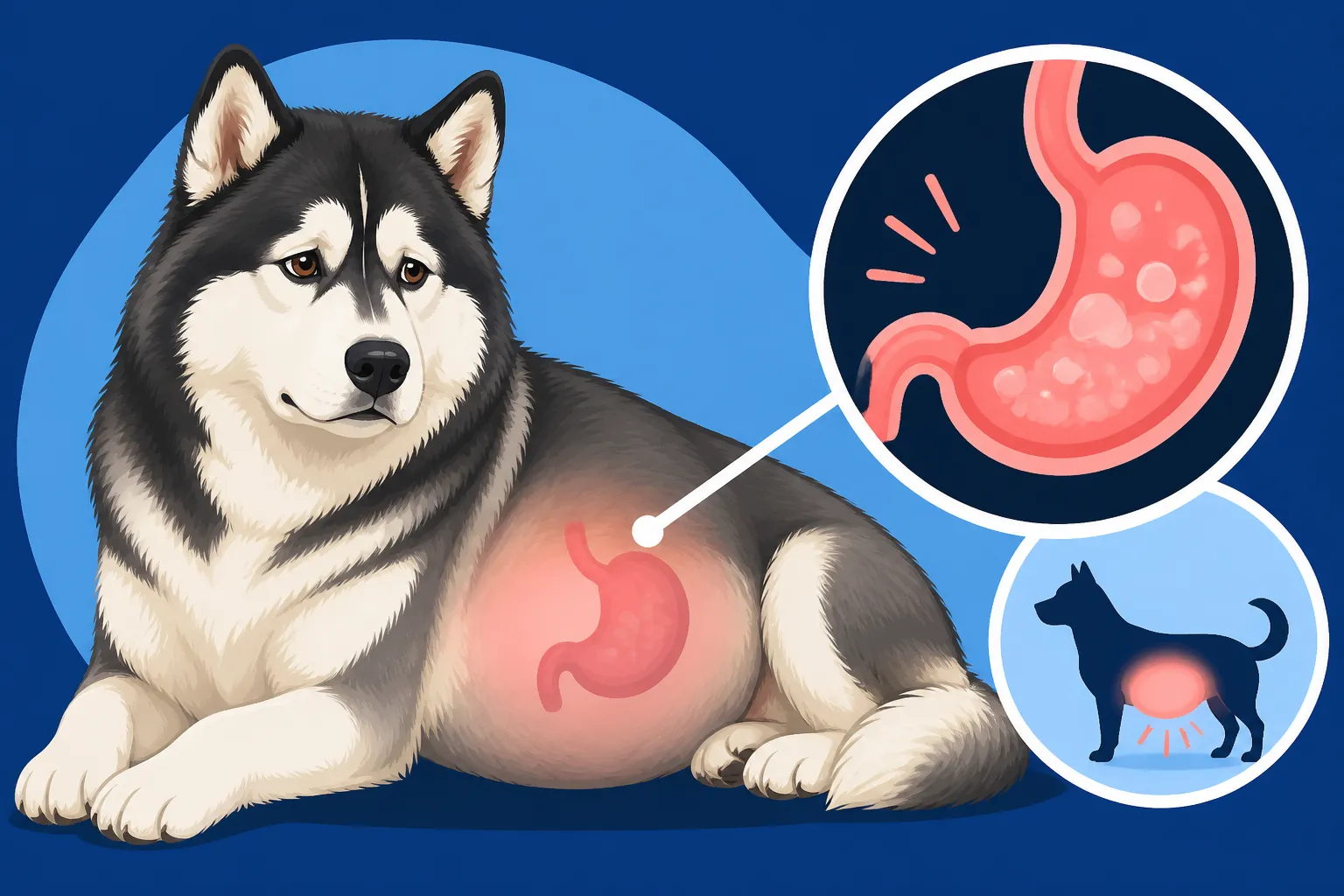
At its simplest, bloat begins when a Malamute's stomach fills with gas, food, or fluid, causing it to distend like a balloon. This initial stage is known as Gastric Dilatation. Imagine your Malamute having eaten a large meal, then perhaps drinking a lot of water quickly or exercising vigorously, and suddenly their stomach starts to inflate with gas. This alone can be incredibly uncomfortable and painful, putting pressure on other organs and restricting breathing.
The true danger, however, comes with the second part of the condition: Volvulus. This is when the distended stomach twists on its axis, often 180 to 360 degrees, effectively pinching off both the entry (esophagus) and exit (duodenum). This twisting traps the gas and food inside, escalating the distension, and crucially, it cuts off the blood supply to the stomach and often the spleen, which is attached. Without blood, the stomach tissue rapidly starts to die. Toxins build up, circulation to the rest of the body is compromised, and the dog quickly goes into shock. It’s a truly horrific and agonizing process, and it explains why a Malamute that seems fine one moment can be near death the next.
Why Malamutes Are More Susceptible
Alaskan Malamutes, along with other large, deep-chested breeds like Great Danes, German Shepherds, and Boxers, are disproportionately affected by GDV. This isn't just bad luck; it's largely due to their unique anatomy. The deep chest cavity provides more "room" for the stomach to swing and twist, unlike breeds with shallower, wider chests where the stomach is more securely cradled. It's like having a pendulum with more room to move – more opportunity to go awry.
Beyond anatomy, there are other contributing factors that research points to. Rapid eating, gulping air with food, drinking large amounts of water immediately after eating, and strenuous exercise shortly before or after meals are all considered risk factors. While there's no single cause, a combination of these factors can create the perfect storm for a Malamute's stomach to overfill and then twist. Genetic predisposition also plays a role; if a Malamute's parents or close relatives have experienced bloat, their offspring may be at a higher risk, suggesting an inherited component to this devastating condition.
The Race Against Time
Once the stomach twists, the clock starts ticking, and every second counts. The rapid progression of bloat means that a Malamute's survival directly correlates with how quickly they receive veterinary care. Within hours, sometimes even less, irreversible damage can occur. The lack of blood flow to the stomach wall leads to tissue death, and the accumulating toxins can trigger dangerous cardiac arrhythmias and systemic shock.
This isn't a condition where you can "wait and see" if your dog feels better in the morning. If you suspect bloat, you need to act immediately. That means calling your veterinarian or the nearest emergency animal hospital while you are literally getting your Malamute into the car. The veterinary team needs to be prepared for your arrival, ready to stabilize your dog and begin diagnostic tests and treatment without delay. Knowing How Long a Bloating Malamute Has Before Surgery is often measured in minutes, not hours, underscores the critical urgency of this situation.
Recognizing the Warning Signs of Bloat
One of the most frustrating and terrifying aspects of bloat is that its early signs can be incredibly subtle, easily mistaken for general discomfort or indigestion. However, being attuned to your Malamute's normal behavior and knowing what to look for can make all the difference between life and death. Early detection is absolutely paramount.
Subtle Early Indicators You Might Miss
Initially, a Malamute experiencing bloat might not present with the obvious swollen belly. Instead, you might notice a change in their demeanor. They could become restless, pacing around the house, unable to settle. They might seem anxious or uncomfortable, shifting positions frequently, or stretching in unusual ways. You might observe excessive drooling, or repeated attempts to vomit without actually producing anything – this "non-productive retching" is a classic, but often overlooked, early sign. It looks like they're trying to throw up, but nothing comes out, just dry heaves or foamy saliva.
Some Malamutes might lick the air repeatedly, appear to be looking at their side, or have a hunched posture, all indicating abdominal pain. They might also display unusual quietness, a reluctance to move, or a general "off" feeling that, as an owner, just doesn't sit right with you. These Signs a Malamute Is Bloating can be so subtle that many owners initially dismiss them, thinking their dog just has an upset stomach. This is why knowing your Malamute's normal habits is so crucial; any deviation, especially after a meal, should raise a red flag.
Overt and Alarming Symptoms
As bloat progresses, the symptoms become much more apparent and alarming. The most definitive sign is the distended abdomen. Your Malamute's belly will become noticeably swollen, tight, and firm to the touch, often appearing larger on one side. This distension is due to the trapped gas and is a clear indicator of a severe problem. Your dog will likely show signs of extreme pain if you gently press on their abdomen, possibly whimpering or snapping.
Beyond the visible swelling, you'll also notice significant changes in their physiological state. Their breathing will become rapid and shallow as the enlarged stomach puts pressure on the diaphragm, making it hard to take full breaths. Their gums may appear pale or even bluish due to poor circulation, and their heart rate will likely be elevated. As they descend into shock, they might become weak, stagger, or even collapse, lying down and refusing to get up. Their overall body temperature can drop, and they will look profoundly unwell. At this stage, there is no mistaking the severity of the situation.
When to Panic and When to Act
It's natural to feel a surge of panic when you suspect something is terribly wrong with your beloved pet. However, with bloat, that panic needs to be immediately channeled into action. The moment you see any combination of the subtle signs, especially non-productive retching or restlessness after a meal, it's time to call your vet. Do not wait for the full-blown distended abdomen to appear. That "gut feeling" you have as a Malamute owner is often your most reliable indicator that something is truly amiss.
Many owners regret waiting even an hour, hoping the symptoms will resolve. With bloat, time is not on your side. If it's the middle of the night, don't hesitate to call the emergency clinic. They are staffed for these exact situations. Clearly describe what you're seeing, emphasizing the potential for bloat due to your Malamute's breed. This immediate, decisive action is the single most important factor in your Malamute's survival. Remember, it's always better to make an unnecessary trip to the vet and be wrong than to delay and lose precious time.
Immediate Actions and Emergency Care
When bloat strikes, panic can set in quickly. But this is precisely when you need to be calm, decisive, and efficient. There's no time for second-guessing; swift action is your Malamute's only chance.
The Critical First Steps at Home
The absolute first step is to call your veterinarian or the nearest 24-hour emergency animal hospital immediately. Do not try to Google home remedies or attempt to induce vomiting. These actions can be dangerous and waste critical time. While on the phone, clearly state that you suspect Gastric Dilatation-Volvulus (bloat) in your Alaskan Malamute and describe the symptoms you are observing. This allows the veterinary staff to prepare for your arrival, ensuring they have the necessary equipment and personnel ready.
While you're making the call and preparing to leave, try to keep your Malamute as calm and comfortable as possible. Avoid excessive handling that might cause more pain or distress. If they are willing, help them into your vehicle gently. Knowing the fastest route to the emergency clinic beforehand can save precious minutes. Every second counts, so don't delay – get going as soon as you've made that call.
What to Expect at the Emergency Vet
Once you arrive at the emergency clinic, your Malamute will be triaged immediately due to the urgency of suspected bloat. The veterinary team will quickly assess their condition and likely take X-rays to confirm if the stomach is distended and, crucially, if it has twisted (volvulus). Confirmation via X-ray is vital to differentiate GDV from other less critical abdominal issues.
Simultaneously, the team will work to stabilize your Malamute. This involves administering intravenous (IV) fluids to combat shock and maintain blood pressure, along with pain medication to alleviate their intense discomfort. If the stomach is severely distended with gas, the vet may attempt to decompress it. This can be done by carefully inserting a tube down the esophagus into the stomach, or if that's not possible, by inserting a large needle (trocar) directly through the abdominal wall into the stomach to release the trapped gas. While these decompression methods provide temporary relief, they do not resolve the twist and are usually only a prelude to surgery.
The Surgical Procedure: Gastropexy
If GDV is confirmed, surgery is the only definitive treatment. This involves a major abdominal operation. The veterinary surgeon will carefully untwist the stomach, returning it to its normal anatomical position. During this process, they will thoroughly examine the stomach wall and any other organs that may have been affected, particularly the spleen, which often twists with the stomach. Any necrotic (dead) tissue on the stomach wall may need to be removed, and the health of the spleen will be assessed. In some severe cases, part of the stomach or even the spleen may need to be removed, which can significantly complicate recovery.
The crucial next step is a procedure called a gastropexy. This involves surgically tacking or securing the stomach to the abdominal wall. The goal of a gastropexy is not to prevent the stomach from dilating (filling with gas), but to prevent it from twisting again. It's a preventive measure against future volvulus, which is the truly life-threatening component. While a gastropexy significantly reduces the risk of future torsion, it doesn't entirely eliminate the possibility of the stomach filling with gas (bloat without torsion), though this is far less severe. After the surgery, your Malamute will require intensive monitoring in the ICU, often for several days, to manage pain, fluids, and watch for complications like cardiac arrhythmias or infection.
Preventing Bloat: Proactive Measures for Malamute Owners
While bloat can feel like a random, terrifying event, there are proactive steps every Malamute owner can take to significantly reduce their dog's risk. Prevention is always better than emergency surgery, and implementing smart habits around mealtime and exercise can make a real difference.
Mealtime Strategies to Reduce Risk
One of the most impactful changes you can make is how and when your Malamute eats. Instead of feeding one large meal a day, break it up into two or three smaller meals. This reduces the amount of food in the stomach at any given time, lessening the chance of over-distension. For a Malamute that works two days a week, their caloric needs might be higher, but dividing those calories into smaller meals remains important.
Rapid eating is a known risk factor because dogs tend to gulp air along with their food. To combat this, invest in a slow feeder bowl or puzzle feeder. These devices make your Malamute work a little harder for each bite, forcing them to eat more slowly and ingest less air. Another simple trick is to place a large, non-edible object like a sturdy rock or a tennis ball in their regular food bowl (ensure it's too big to swallow) to create obstacles they have to eat around. Perhaps one of the most vital strategies is to prevent strenuous exercise an hour before and at least two hours after meals. This means no vigorous play, running, or pulling activities during these sensitive times. Allow their food to digest quietly.
The topic of raised bowls has been debated for years. While some initial studies suggested they increased bloat risk, subsequent, larger studies have been inconclusive or suggested no significant risk increase. The current consensus is that there's no strong evidence to recommend or discourage them. However, if your Malamute has any orthopedic issues that make eating from the floor uncomfortable, a raised bowl might still be beneficial for their joints. Just be mindful of other risk factors. For more specific advice, check out Whether a Slow Feeder Reduces a Malamute's Bloat Risk.
Dietary Considerations for a Healthy Malamute Gut
The type of food you feed your Malamute can also play a role in bloat prevention. While there's no "anti-bloat" diet, opting for a high-quality kibble with meat listed as one of the first few ingredients is generally recommended. Avoid diets that contain a large proportion of fermentable ingredients, such as certain legumes or soy, as these can produce excessive gas in the digestive tract.
Some research has suggested that kibble with fat listed among the first four ingredients might be associated with a slightly higher risk, though this area still needs more study. Consistency in diet is also beneficial; sudden changes in food can upset your Malamute's digestive system. If you do need to switch foods, do so gradually over several days to a week, slowly mixing the new food with the old. Always ensure your Malamute has access to fresh water throughout the day, but supervise their intake to prevent them from gulping large volumes immediately after eating or heavy exercise.
Prophylactic Gastropexy: When to Consider It
For Malamute owners who want to take the most definitive step in preventing GDV, a prophylactic gastropexy is an option well worth discussing with your veterinarian. This elective surgical procedure involves tacking the stomach to the abdominal wall before a bloat episode occurs. The beauty of it is that it prevents the stomach from twisting, which is the life-threatening component of GDV. While the stomach can still dilate (fill with gas) if they eat too fast or exercise improperly, it cannot twist, and bloat without torsion is rarely fatal.
This procedure is highly recommended for Malamutes considered at high risk – especially if there's a family history of bloat, or if they have an anxious temperament. Many owners choose to have a prophylactic gastropexy performed at the same time their Malamute is spayed or neutered, as it requires only one anesthetic event and recovery period. This combination surgery is generally considered safe and dramatically reduces the lifetime risk of fatal bloat. Knowing Whether a Malamute Should Have a Gastropexy is often a proactive choice that brings significant peace of mind. For those planning on spaying or neutering, discussing Whether Gastropexy Is Done at Neuter on a Malamute is a conversation that could save your dog's life down the road.
Life After Bloat: Managing Recovery and Long-Term Health
Surviving a bloat episode and the subsequent surgery is a massive hurdle, but the journey doesn't end there. The recovery period is critical, and long-term management strategies are essential to ensure your Malamute remains healthy and happy. It's a testament to their resilience, but also to your dedicated care.
The Immediate Post-Surgery Period
Immediately after surgery, your Malamute will spend several days in an intensive care unit (ICU) at the veterinary hospital. This is a crucial time for monitoring and managing potential complications. The veterinary staff will closely watch for cardiac arrhythmias, which are common after GDV surgery due to the toxins released when the stomach is untwisted. They'll also monitor for signs of infection, peritonitis (inflammation of the abdominal lining), and necrosis of the stomach tissue, especially if portions had to be removed.
Pain management will be a top priority, with continuous infusions or regular doses of strong pain medication to keep your Malamute comfortable. Fluid therapy will continue to support their hydration and organ function. Gradually, small, frequent meals of easily digestible food will be introduced. This cautious approach to feeding is vital to avoid overwhelming a healing digestive system. The veterinary team will guide you through this delicate period, ensuring your Malamute receives the best possible care during this fragile stage.
Home Care and Convalescence
Once your Malamute is deemed stable enough to come home, the real work of convalescence begins for you. They will need a quiet, comfortable space to recover, away from the hustle and bustle of other pets or excitable children. Activity will be strictly restricted to short, leash-only potty breaks for several weeks to allow the surgical incision to heal properly. No running, jumping, or strenuous play.
You'll be responsible for monitoring the surgical incision daily for any signs of redness, swelling, discharge, or dehiscence (opening of the wound). Administering prescribed medications, which may include antibiotics and pain relievers, exactly as directed by your vet, is crucial. Your vet will also provide specific instructions on diet, usually recommending small, frequent meals of a bland, easily digestible food, slowly transitioning back to their regular diet over time. This period requires patience and diligence, as proper home care is paramount to a successful recovery.
Long-Term Management and Outlook
Even with a successful gastropexy, bloat management doesn't end. While the gastropexy significantly reduces the risk of the stomach twisting again, it does not prevent the stomach from dilating (filling with gas). Therefore, all the preventive measures regarding mealtime strategies – slow feeders, multiple small meals, and avoiding exercise around food – remain incredibly important for the rest of your Malamute's life. It's a commitment to a new routine, but a small price to pay for their health.
Regular vet check-ups are also essential to monitor their overall health and address any long-term complications. Some Malamutes may develop chronic digestive sensitivities or other issues following a severe bloat episode. While the prognosis for Malamutes who receive timely treatment and gastropexy is generally good, the experience takes an emotional toll on both the pet and the owner. Knowing What Alaskan Malamutes Actually Die Of can help owners understand the gravity of conditions like bloat and why these preventive and ongoing care steps are so critical.
Debunking Bloat Myths and Misconceptions
When a condition is as scary and life-threatening as bloat, it's easy for myths and misconceptions to take root. As Malamute owners, it's vital to rely on evidence-based information rather than old wives' tales, especially when your dog's life is on the line.
The Truth About Water Intake and Bloat
One common myth suggests that dogs shouldn't drink any water before or after meals, or that cold water can cause bloat. The truth is more nuanced. While excessive water intake immediately after a large meal or strenuous exercise can contribute to stomach distension, restricting water access entirely is harmful and unnecessary. Your Malamute needs constant access to fresh water to stay hydrated.
The best practice is to ensure water is always available but to monitor and manage large gulps. If your Malamute tends to drink excessively after meals or exercise, offer smaller amounts more frequently, or wait 15-20 minutes after eating before allowing free access to a large bowl. There is no scientific evidence to support the idea that ice water or cold water causes bloat; this is a pervasive myth. The temperature of the water is not the issue; the sheer volume rapidly consumed might be.
Temperament and Stress as Risk Factors
It might seem strange, but a Malamute's temperament and stress levels can actually play a role in bloat susceptibility. Studies have indicated that anxious, nervous, or stressed dogs may be at a slightly higher risk of developing GDV. The exact mechanism isn't fully understood, but stress can affect digestive motility and lead to changes in stomach emptying.
Major life changes, such as moving to a new home, the introduction of a new pet, or even significant changes in routine, can cause stress in Malamutes. Creating a calm, predictable environment for your Malamute can contribute to their overall well-being and potentially mitigate this risk factor. Ensuring they have a secure, quiet space to eat and rest, and minimizing unnecessary stress, is always a good practice for these sensitive, intelligent dogs.
Age and Genetics: The Unavoidable Factors
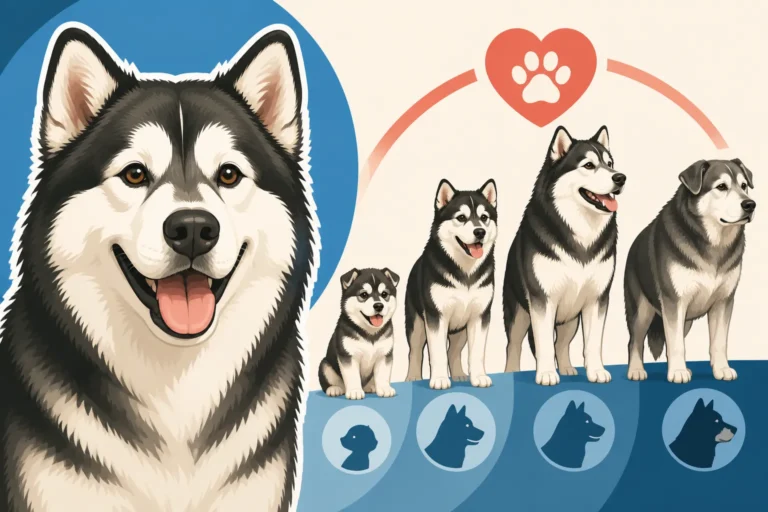
Unfortunately, some risk factors for bloat are beyond our control. Age is a significant one; the incidence of bloat tends to increase with age, with Malamutes typically being more susceptible between 7 and 12 years old. This aligns with Caring for an Alaskan Malamute Past Eight, as senior dogs often face increased health challenges. Knowing The Age an Alaskan Malamute Counts as a Senior means you should be extra vigilant during their golden years.
Genetics also play a powerful, undeniable role. If a Malamute's direct relatives – parents, siblings, or offspring – have experienced GDV, that individual Malamute's risk factor increases significantly. This highlights the importance of responsible breeding practices and asking breeders about the incidence of bloat in their lines. While you can't change your Malamute's age or genetic makeup, understanding these factors means you can be more vigilant in applying the preventative measures that are within your control. For comprehensive health screenings, discussions often involve The Age a Malamute Is Certified by OFA, which while not directly for bloat, emphasizes the importance of understanding a dog's health history.
Equipping Yourself for the Unexpected
Even with the best preventative measures, bloat can strike. Being prepared for the worst-case scenario can drastically improve your Malamute's chances of survival and reduce your stress during an already terrifying situation. This means planning ahead and having resources ready.
Building an Emergency Plan
The single most important preparation is to have a clear emergency plan. This starts with knowing the location and contact numbers for your regular veterinarian and, crucially, the nearest 24/7 emergency veterinary clinic. Keep these numbers prominently displayed or saved in your phone for quick access. You don't want to be scrambling for information when seconds count.
Practice mentally running through the symptoms of bloat so you can recognize them without hesitation. If your Malamute shows Signs a Malamute Is Bloating, you'll know exactly what to do. Consider having a designated "emergency transport" vehicle, or at least ensure your car is always ready to quickly transport your Malamute. This might sound extreme, but the reality of bloat demands this level of readiness. Discuss with your family members who would take the dog, what route to take, and who would call the vet. Having these steps pre-determined can save critical time and reduce chaos in an emergency.
First Aid Kit Essentials and What NOT to Do
Contrary to some online advice, there's no "bloat kit" for home treatment that can effectively resolve GDV. Attempts to pass a stomach tube yourself or administer medications can be dangerous and cause more harm than good. Your focus at home should be solely on recognizing the symptoms and getting your Malamute to professional veterinary care as quickly as possible.
Instead of a bloat kit, focus on financial preparedness. Emergency surgery for bloat can be incredibly expensive, potentially ranging from several thousand dollars, especially with extended ICU stays. Having an emergency fund specifically for your pet or investing in pet insurance is highly recommended. Providers like Healthy Paws offer comprehensive coverage that includes emergency care for accidents and illnesses, which would certainly cover bloat treatment. Knowing that you're financially covered can remove a significant layer of stress during an already traumatic event, allowing you to focus entirely on your Malamute's care. For more on this, you might look into What an Emergency Vet Visit Costs for a Malamute.
Advocating for Your Malamute
When you arrive at the emergency clinic, you are your Malamute's strongest advocate. You know your dog best, and you understand the urgency of bloat. Be firm but polite with the vet staff about your concerns. Clearly state that you suspect GDV and describe the symptoms you've observed. Do not downplay what you're seeing, even if your Malamute seems to have "perked up" slightly during the car ride (adrenaline can sometimes mask symptoms temporarily).
Trust your instincts. If something feels terribly wrong, articulate that feeling to the veterinary team. The sheer urgency of bloat means that advocating strongly for immediate attention, diagnostics, and treatment is not being an overbearing owner; it's being a responsible one. With potentially fatal conditions like bloat, being prepared, informed, and a strong advocate for your Malamute gives them the very best fighting chance.
Disclaimer
The information provided in this guide is for educational purposes only and is not a substitute for professional veterinary advice. If you suspect your Alaskan Malamute is experiencing bloat or any other medical emergency, contact your veterinarian or a 24-hour emergency animal hospital immediately.