What Alaskan Malamutes Actually Die Of
It's an uncomfortable truth that none of us wants to face, but for anyone who shares their life with an Alaskan Malamute, the question of their health and longevity looms large. We pour our hearts, time, and resources into these magnificent dogs, and naturally, we want to know what challenges they might encounter as they age. It's not about dwelling on the negative, but about being realistic, prepared, and proactive in their care. This comprehensive guide aims to shed light on what Alaskan Malamutes actually die of, drawing on common health trends and breed-specific concerns, so you can better understand their health journey and provide the best possible life for your furry companion.
Understanding the Malamute Lifespan: More Than Just a Number
When we bring a Malamute puppy home, we often dream of many long years together. While they are a robust breed, like all dogs, they have a finite lifespan, and understanding the general timeframe is the first step in comprehending their health trajectory.
The Average Years We Get With Them
For Alaskan Malamute owners, the common consensus is that these powerful, independent dogs typically live between 10 and 14 years. This is a pretty good run for a large breed, especially when you compare them to some of their giant cousins. However, this is just an average, and it's heavily influenced by genetics, lifestyle, and the quality of care they receive throughout their lives. Some Malamutes might unfortunately succumb to unforeseen issues earlier, while others, with a bit of luck and excellent care, might stretch beyond that 14-year mark, gracing us with their presence well into their senior years. Every year we get with them is precious, and knowing the typical range helps us appreciate each moment and be vigilant about age-related changes.
It's a bittersweet reality that even when you do everything right, the clock keeps ticking. What often gets overlooked in these average numbers is the individual journey. A Malamute who has led an active life, fed a high-quality diet, and received consistent veterinary care often has a better chance of hitting the higher end of that spectrum. Conversely, a dog with underlying genetic predispositions, or one that has suffered from poor nutrition or neglect, might fall short. The goal isn't just to make them live longer, but to ensure those years are filled with comfort, joy, and good health.
Beyond Averages: Individual Variation and Quality of Life
While averages give us a baseline, every Malamute is an individual, a unique blend of genetics and life experiences. Two Malamutes from the same litter, raised in similar environments, might have vastly different health outcomes. This variation can be incredibly frustrating for owners who feel they've done everything right, only to face an early health crisis. It underscores the unpredictable nature of life, even for our well-loved pets. What becomes paramount, then, is not just quantity of life, but the quality of that life.
As our Malamutes enter their senior years, the focus often shifts from preventing illness to managing chronic conditions and ensuring their comfort. You might be interested in Caring for an Alaskan Malamute Past Eight as they navigate this stage. This means paying close attention to their daily habits, mobility, appetite, and general demeanor. Are they still enjoying their walks, albeit shorter ones? Are they still greeting you with that signature Malamute "woo"? Are they in pain? These are the questions that guide us in making informed decisions about their ongoing care, ensuring that even as their bodies slow down, their spirits can remain high. Sometimes, the kindest thing we can do for our aging companions is to ensure their final days are free from suffering, rather than clinging to every last moment.
The Common Culprits: Age-Related Diseases
Just like humans, as Malamutes age, their bodies naturally become more susceptible to certain conditions. These aren't necessarily breed-specific but are common causes of decline and death across many larger dog breeds.
Cancer: The Unsettling Reality for Many Breeds
Cancer is, unfortunately, a leading cause of death in older dogs across most breeds, and Alaskan Malamutes are no exception. The prevalence varies depending on the type of cancer, but it's a diagnosis many owners will face. Common cancers seen in Malamutes can include lymphoma, osteosarcoma (bone cancer), hemangiosarcoma, and various carcinomas. The heartbreaking part is that sometimes it strikes suddenly, with little warning, while other times it's a slow, insidious progression that drains their vitality.
The insidious nature of cancer means early detection is crucial, but often challenging. Regular vet check-ups, feeling for new lumps and bumps during grooming, and being attuned to any changes in your Malamute's appetite, energy levels, or breathing can make a difference. Sadly, even with modern veterinary medicine, some cancers are aggressive and progress rapidly, leaving owners with difficult decisions to make regarding treatment versus quality of life. For more detailed information, you can explore Which Cancers Alaskan Malamutes Get. It's a heavy burden, but understanding this risk helps us be vigilant and appreciate the healthy moments all the more.
Orthopedic Issues and Mobility Decline
Alaskan Malamutes are built for power and endurance, with strong bone structure, but age and genetics can take their toll on their joints. Orthopedic problems, while often not directly fatal, can severely impact a Malamute's quality of life, leading to decisions about euthanasia if pain cannot be managed effectively. Hip and elbow dysplasia are known concerns in the breed, often leading to arthritis as they age.
These conditions can manifest as lameness, stiffness, difficulty getting up, or a reluctance to engage in activities they once loved. The pain and reduced mobility can make simple acts like standing, lying down, or going outside for potty breaks incredibly challenging. While joint supplements, pain medication, physical therapy, and even surgery can help manage these issues, there comes a point for some dogs where their mobility is so compromised that their overall well-being suffers immensely. You can read more about Hip Dysplasia in an Alaskan Malamute for a deeper dive into this specific challenge. This decline, though slow, is a significant factor in end-of-life decisions for many large breed owners, as we strive to prevent prolonged suffering.
Organ Failure: Kidneys, Heart, and Liver
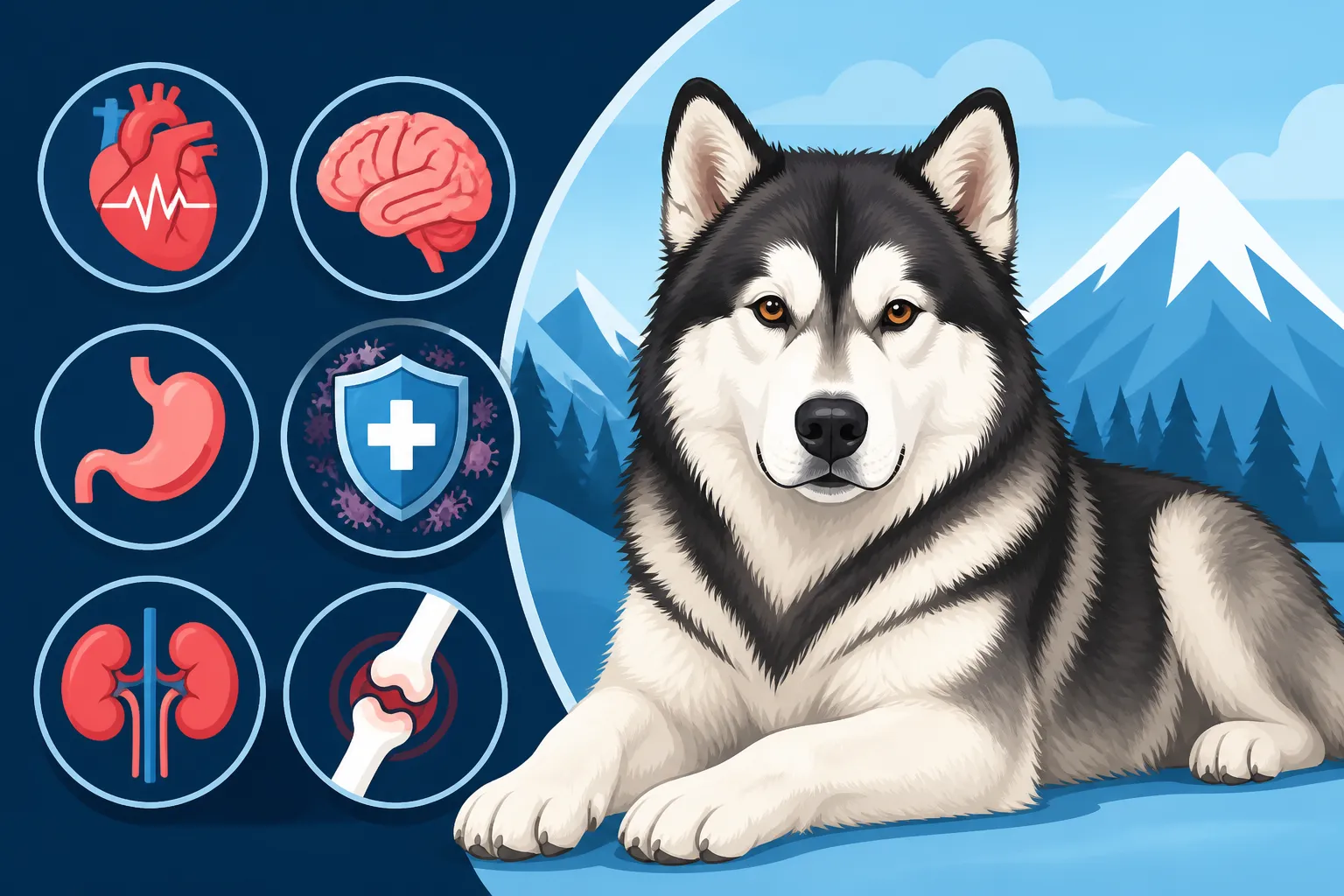
As Malamutes age, their internal organs naturally begin to wear down, much like in humans. Kidney disease, heart disease, and liver failure are common age-related conditions that can lead to a decline in health and, eventually, death. These conditions can progress slowly, with subtle signs that are easy to miss until the disease is quite advanced.
Kidney disease often presents with increased thirst and urination, decreased appetite, and lethargy. Heart disease can lead to coughing, difficulty breathing, and exercise intolerance. Liver issues might show up as jaundice, vomiting, or changes in behavior. Regular veterinary screenings, including bloodwork, become incredibly important as your Malamute ages, as early detection can allow for dietary changes, medications, and other interventions that can extend their comfortable life. While treatments can manage symptoms, these organs eventually reach a point where they can no longer function adequately, leading to a natural and often peaceful passing.
Inherited Conditions: Known Challenges in the Breed
Beyond general age-related issues, Alaskan Malamutes are predisposed to certain inherited conditions. Being aware of these breed-specific challenges is vital for responsible ownership and for making informed decisions about care and breeding.
Neurological Disorders (e.g., Inherited Polyneuropathy)
One of the more heartbreaking inherited conditions found in Alaskan Malamutes is Inherited Polyneuropathy. This neurological disorder affects the nerves, leading to progressive weakness and muscle atrophy. It usually manifests in young adulthood, often around 1 to 2 years of age, which is particularly devastating as these dogs are in their prime. Symptoms can include a high-stepping gait, exercise intolerance, voice changes (a weaker bark), and eventually severe muscle wasting and difficulty breathing.
While there is a genetic test available to identify carriers and affected dogs, ensuring breeders screen their stock is paramount to reducing the incidence of this cruel disease. For affected dogs, there is no cure, and treatment is primarily supportive, focusing on maintaining comfort and mobility for as long as possible. Many owners ultimately face the difficult decision of euthanasia when the disease progresses to the point where their Malamute can no longer stand, breathe, or enjoy a decent quality of life. For a deeper understanding of this condition, consider reading What Inherited Polyneuropathy Does to a Malamute. It's a stark reminder of the importance of responsible breeding practices.
Endocrine Issues (e.g., Hypothyroidism)
Alaskan Malamutes, like several other large breeds, can be prone to endocrine disorders, with hypothyroidism being one of the more common concerns. Hypothyroidism occurs when the thyroid gland doesn't produce enough thyroid hormone, which is crucial for regulating metabolism. While rarely directly fatal if managed, it can significantly impact a Malamute's health and quality of life, making them more susceptible to other issues and generally feeling unwell.
Symptoms can be varied and often subtle, including lethargy, weight gain despite no change in diet, a dull or thinning coat, skin problems, and intolerance to cold. It can sometimes be mistaken for normal aging or other conditions, making accurate diagnosis through blood tests essential. Fortunately, hypothyroidism is typically manageable with daily medication (synthetic thyroid hormone), allowing affected Malamutes to lead full, active lives. Untreated, however, it can lead to more severe health complications and a general decline that impacts their overall well-being. Knowing Whether a Malamute Gets Hypothyroidism is common, helps owners recognize the signs.
Zinc Responsive Dermatosis: A Chronic Management
While not a direct cause of death, Zinc Responsive Dermatosis (ZRD) is a significant inherited condition in Alaskan Malamutes that requires lifelong management. Malamutes have a genetic predisposition to poor zinc absorption from their diet, even if the diet itself contains adequate zinc. This deficiency leads to characteristic skin lesions, often around the eyes, muzzle, ears, and pressure points like elbows and hocks, which can become crusty, thickened, and infected.
Without proper diagnosis and zinc supplementation, ZRD can cause severe discomfort, chronic skin infections, and a significant reduction in quality of life. The constant itching, pain from raw skin, and secondary bacterial or yeast infections can make life miserable for an affected Malamute. While zinc supplementation is usually very effective at controlling the symptoms, it requires ongoing vigilance and commitment from the owner. If left untreated for extended periods, the chronic inflammation and infection could, in very rare and extreme cases, lead to other systemic issues or compromise a dog already battling other ailments. For a detailed look, refer to Zinc Responsive Dermatosis in an Alaskan Malamute. It’s a manageable condition, but one that demands attention.
Acute and Environmental Risks
Beyond chronic diseases, Malamutes can face sudden, acute health crises or environmental dangers that can sadly lead to premature death. These are often emergencies where quick action is critical.
Gastric Dilatation-Volvulus (Bloat): A Sudden Threat
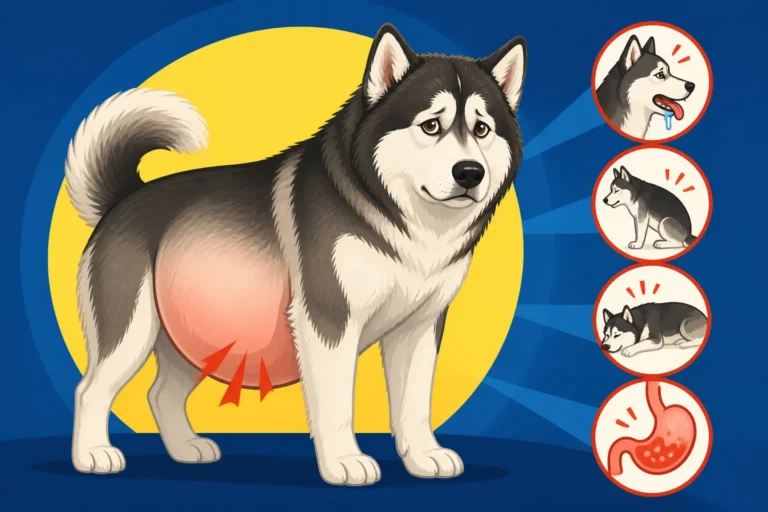
Gastric Dilatation-Volvulus, or GDV, commonly known as bloat, is a terrifying and rapidly fatal condition that disproportionately affects large, deep-chested breeds like the Alaskan Malamute. In GDV, the stomach fills with gas and often twists, cutting off blood supply and trapping food and gas. The progression is swift and agonizing, and without immediate veterinary intervention, usually emergency surgery, it is almost always fatal.
Symptoms include a distended abdomen (though not always visible under their thick coat), unproductive retching, restlessness, excessive drooling, pain, and collapse. It is a genuine emergency, and time is of the essence. Owners of Malamutes should be educated on the signs of bloat and know where their nearest emergency veterinary clinic is. While the exact cause isn't fully understood, factors like eating rapidly, exercising immediately after eating, and a genetic predisposition are thought to play a role. Some owners opt for a prophylactic gastropexy (tacking the stomach to the abdominal wall) to prevent future twisting. Being aware of Bloat in an Alaskan Malamute is essential for any Malamute owner.
Overheating and Heatstroke: A Silent Killer
Originating from the Arctic, Alaskan Malamutes are supremely adapted to cold weather. Their dense double coat, while magnificent for insulation in winter, becomes a severe liability in warm or hot climates, or during strenuous exercise in mild temperatures. Overheating and heatstroke are incredibly dangerous and tragically common causes of death for Malamutes, especially in warmer regions or during summer months.
Unlike humans, dogs cannot sweat effectively to cool themselves down; they rely primarily on panting. A Malamute's thick coat traps heat, making them susceptible to quickly reaching dangerous internal body temperatures. Symptoms of overheating include excessive panting, drooling, lethargy, red gums, vomiting, diarrhea, and in severe cases, collapse, seizures, and death. Prevention is key: never leave a Malamute unattended in a car, provide ample shade and cool water, restrict exercise to the coolest parts of the day, and use cooling mats or kiddie pools. Understanding Signs an Alaskan Malamute Is Overheating can be life-saving. This is a risk that cannot be overstated for this breed.
Accidents and Trauma: Unforeseen Tragedies
While not a disease, accidents and trauma are, sadly, a significant cause of death for dogs of all breeds, including Alaskan Malamutes, often at a younger age than disease-related deaths. Given their strength, independence, and strong prey drive, Malamutes are particularly prone to certain types of accidents. Escaping a yard and being hit by a car, ingesting toxins, or injuries sustained from fights with other animals are unfortunate realities.
Their desire to explore, coupled with an unreliable recall, means that an unsecured Malamute is always at risk. They can easily clear fences, dig under them, or slip past an open gate. Ingesting household poisons, antifreeze, or toxic plants can also lead to acute illness and death. While we can't prevent every accident, strict containment, leash walking, Malamute-proof fencing, and a vigilant eye on their environment are crucial preventative measures. Even with the best precautions, unforeseen events can occur, reminding us to cherish every moment with them.
The Role of Prevention and Early Detection
While we can't prevent every illness or accident, proactive care plays a monumental role in extending the healthy, happy years we share with our Alaskan Malamutes.
Regular Veterinary Care and Screenings
This cannot be stressed enough: regular visits to your veterinarian are the cornerstone of preventative care. Annual or biannual check-ups, especially as your Malamute ages, allow your vet to catch subtle changes that you might miss. They can monitor weight, listen to their heart and lungs, palpate for unusual lumps, and assess their overall demeanor.
Beyond the physical exam, routine bloodwork, urinalysis, and sometimes even specialized screenings (like thyroid panels or joint X-rays if concerns arise) can detect problems before they become critical. For instance, early detection of kidney disease through blood tests can lead to dietary interventions that significantly slow its progression. These regular appointments are also your opportunity to discuss any changes you've noticed, no matter how small they seem. Think of your vet as your Malamute’s primary health partner. Investing in pet insurance, like a plan from Healthy Paws, can also provide peace of mind, ensuring you can afford the best possible care should a serious health issue arise, without having to choose between your wallet and your Malamute's well-being.
Lifestyle Choices: Diet, Exercise, and Environment
The daily choices we make for our Malamutes profoundly impact their health and longevity. A high-quality diet appropriate for their life stage and activity level is fundamental. While Malamutes are efficient eaters, providing nutrient-dense food supports their immune system, maintains a healthy weight, and contributes to good coat and skin health. Overfeeding and obesity place undue stress on joints and internal organs, exacerbating conditions like arthritis and increasing the risk of diseases such as diabetes or heart strain.
Adequate, appropriate exercise is equally vital. Malamutes need consistent physical activity to maintain muscle tone, joint health, and mental well-being. This doesn't necessarily mean miles of running every day, especially as they age, but consistent walks, opportunities to pull (their preferred job!), or playtime helps keep them fit. Remember their double coat and adapt exercise to weather conditions to prevent overheating. Furthermore, a safe and stimulating environment, free from hazards and providing mental enrichment, reduces stress and prevents accidents. These daily habits, though seemingly small, add up to a significant impact on their overall health trajectory.
The Value of Genetic Testing
For Malamutes, given the breed-specific inherited conditions like Inherited Polyneuropathy and Day Blindness, genetic testing is an invaluable tool for responsible breeding and for informed ownership. Reputable breeders should conduct genetic tests on their breeding stock to ensure they are not passing on these devastating diseases. If you are acquiring a puppy, always ask to see the health clearances and genetic test results of both parents. You can also explore The Health Tests Both Alaskan Malamute Parents Should Have.
Even for pet owners, understanding if your Malamute is a carrier for certain conditions can be useful information for your veterinarian, as it might influence future diagnostic considerations or monitoring. While genetic testing can't predict every health outcome, it empowers us with knowledge, allowing us to make proactive decisions and, hopefully, reduce the incidence of these painful inherited conditions within the breed over time. Many labs offer comprehensive panels that cover multiple genetic markers, providing a thorough overview of potential inherited risks.
Making the Difficult Decisions: End-of-Life Care
Even with the best care, the time will come when our Malamutes' health declines, and we face the most heart-wrenching decisions. This phase of their life requires immense compassion and courage from us as their caregivers.
Recognizing the Signs of Decline
Knowing when an Alaskan Malamute has had enough is one of the hardest parts of dog ownership. Their stoic nature, bred for survival in harsh environments, often means they hide pain or discomfort until it's quite advanced. It falls to us to be incredibly observant and attuned to subtle changes in their behavior, appetite, mobility, and overall joy for life.
Signs of decline might include a significant decrease in appetite or refusal to eat, chronic pain that isn't controlled by medication, extreme lethargy, difficulty breathing, incontinence, inability to get up or walk without assistance, or a general loss of interest in activities they once loved (like greetings, walks, or treats). Sometimes it's not one dramatic event, but a slow accumulation of "bad days" outweighing the good ones. Keeping a daily journal of their well-being can help you objectively track their quality of life. Discussions with your veterinarian are crucial here; they can help assess pain levels and provide an objective medical opinion on their overall prognosis. You might find guidance in Knowing When an Old Alaskan Malamute Has Had Enough.
Euthanasia: A Compassionate Choice
When quality of life has diminished significantly and pain cannot be managed, euthanasia becomes a final, compassionate act of love. It is the ultimate decision to prevent further suffering, even if it breaks our hearts. This decision is never made lightly, and it's often accompanied by profound grief, guilt, and self-doubt. However, remembering that it's for their sake, to spare them prolonged discomfort, can offer a measure of comfort.
Many veterinarians now offer in-home euthanasia, allowing your Malamute to pass peacefully in the familiar comfort of their own home, surrounded by their loved ones. Discussing the process with your vet beforehand, understanding what to expect, and making arrangements for their remains can help ease some of the burden on the day. While the pain of loss is immense, providing a peaceful, pain-free end is arguably the greatest gift we can give to a beloved companion who has given us so much. Services like Healthy Paws, while primarily focused on medical expenses, can help ensure that financial worries don't add to the stress of difficult decisions like these.
Grieving and Moving Forward
The loss of an Alaskan Malamute leaves a massive void in our lives. These dogs are more than pets; they are family members, companions, and often, a central part of our daily routines. Grief is a natural and healthy response to this loss, and it’s important to allow yourself to feel it fully. There is no right or wrong way to grieve, and there’s no set timeline.
Lean on friends, family, or support groups who understand the depth of the human-animal bond. Memorializing your Malamute through photos, a paw print, or a special remembrance can also be a healthy part of the grieving process. While it may feel impossible in the immediate aftermath, eventually, the intense pain will soften, giving way to cherished memories. The love we shared with our Malamutes is a powerful thing, and while their physical presence may be gone, the paw prints they leave on our hearts last forever.
| Cause of Death | Typical Age of Onset | Impact on Quality of Life | Preventative Measures |
|---|---|---|---|
| Cancer | Senior (8+ years) | Severe decline, pain | Regular vet check-ups, monitoring for lumps/bumps, healthy lifestyle |
| Organ Failure (Kidney, Heart) | Senior (8+ years) | Progressive decline | Annual bloodwork, appropriate diet, managing underlying conditions |
| Orthopedic Issues (Severe) | Middle to Senior (5+ years) | Mobility impairment, chronic pain | Responsible breeding (OFA clearances), controlled growth in puppies, joint supplements, weight management, appropriate exercise |
| Inherited Polyneuropathy | Young Adult (1-3 years) | Progressive weakness, respiratory issues | Genetic testing of breeding stock |
| Gastric Dilatation-Volvulus (Bloat) | Any age (more common in adults) | Rapidly fatal | Slow feeding, avoiding exercise after meals, prophylactic gastropexy, immediate vet attention for symptoms |
| Heatstroke | Any age | Rapidly fatal | Avoiding heat exposure, no hot cars, providing shade/water, appropriate exercise schedule |
| Accidents/Trauma | Any age | Sudden/fatal | Secure fencing, leash walking, supervision, Malamute-proofing home/yard, training |
Disclaimer
The information provided in this article is for general informational purposes only and does not constitute veterinary advice. Always consult with a qualified veterinarian for any health concerns or before making any decisions related to your Alaskan Malamute's health and treatment. Breed-specific information is based on common trends and research, but individual dogs may vary.