Whether a Malamute Gets Hypothyroidism
It's incredibly disheartening to witness your powerful, vibrant Alaskan Malamute gradually lose their sparkle. Maybe they're not as enthusiastic for their morning walk, their coat seems duller than usual, or they've put on a few unexpected pounds despite no change in diet. These subtle shifts can be incredibly frustrating, leaving you to wonder if it's just part of getting older or if there's a deeper health concern at play. This comprehensive guide aims to shed light on hypothyroidism in Alaskan Malamutes, offering insights into its signs, diagnosis, and management, so you can better understand and support your cherished companion.
Understanding Canine Hypothyroidism
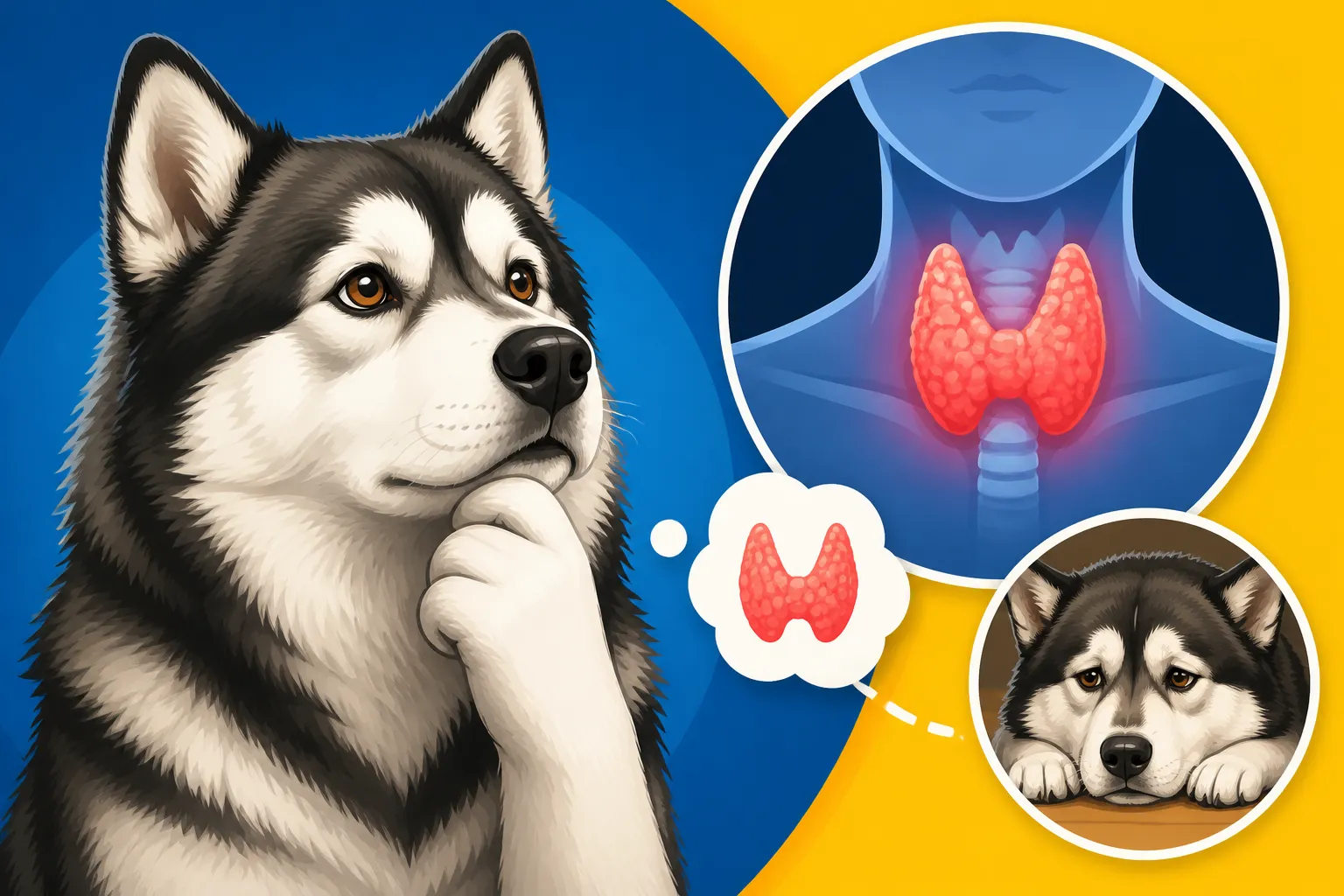
Hypothyroidism is an endocrine disorder where the thyroid gland, located in your dog's neck, doesn't produce enough thyroid hormones. These hormones, primarily T3 and T4, are vital for regulating nearly every metabolic process in the body, from energy production to skin health and even neurological function. When there's a deficiency, the body's systems slow down, leading to a wide range of symptoms that can often be mistaken for normal aging or other less serious issues.
The Role of the Thyroid Gland
Think of your Malamute's thyroid gland as the body's master regulator of metabolism. It's a small, butterfly-shaped gland, but its impact is enormous. It controls how fast or slow your dog's body uses energy, maintains body temperature, and even influences the health of their skin, coat, and heart. When the thyroid isn't pulling its weight, it's like a symphony orchestra suddenly losing its conductor – everything goes out of sync, leading to a cascade of problems across various bodily systems.
This metabolic slowdown isn't just about feeling tired. It affects cells at a fundamental level, meaning every tissue and organ can suffer from the lack of proper hormonal signals. This explains why hypothyroidism can manifest with such a diverse and sometimes confusing array of symptoms, making it a tricky condition to pinpoint without specific diagnostic tests. It's not always obvious, especially in a breed like the Alaskan Malamute, which already has a reputation for being somewhat stoic and laid-back indoors.
Primary vs. Secondary Hypothyroidism
When we talk about hypothyroidism in dogs, we're usually referring to primary hypothyroidism, where the problem lies directly with the thyroid gland itself. The vast majority of cases in Malamutes, and dogs in general, fall into this category. The thyroid gland is often gradually destroyed by the dog's own immune system (lymphocytic thyroiditis) or replaced by fatty tissue (idiopathic thyroid atrophy). Both lead to the same result: an insufficient production of thyroid hormones.
Secondary hypothyroidism, on the other hand, is much rarer. In these cases, the thyroid gland itself is perfectly capable of producing hormones, but it's not receiving the correct signals from the pituitary gland in the brain. The pituitary produces Thyroid-Stimulating Hormone (TSH), which tells the thyroid to get to work. If there's a problem with the pituitary producing TSH, the thyroid remains understimulated. Distinguishing between primary and secondary hypothyroidism typically involves specific blood tests and is less common, but it's important for your vet to consider if initial tests are inconclusive.
Why Alaskan Malamutes are Prone to Hypothyroidism
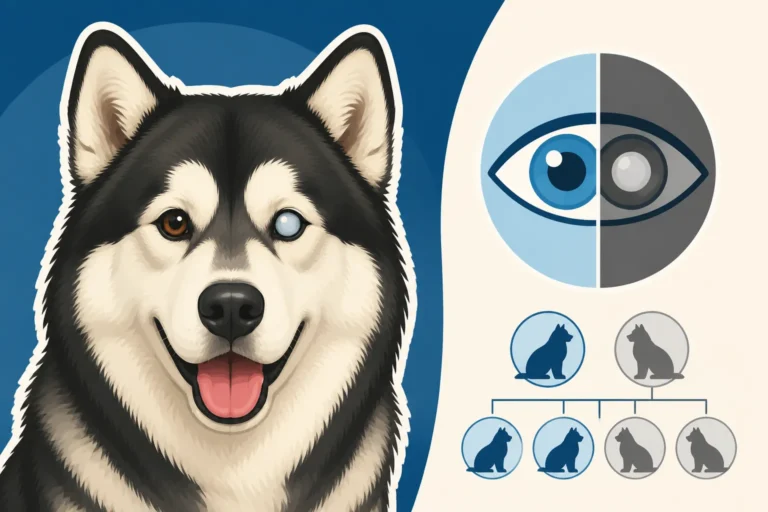
While any dog breed can technically develop hypothyroidism, certain breeds have a known genetic predisposition, and the Alaskan Malamute is unfortunately among them. This isn't a judgment on the breed, but rather a crucial piece of information for owners to be aware of, helping them to be more vigilant about potential symptoms. The genetic link often means that if your Malamute's parents or close relatives had the condition, your dog might be at a higher risk.
Genetic Predisposition in Sled Dog Breeds
The exact genetic markers for hypothyroidism are still being researched, but it's widely recognized that certain breeds, including many sled dog breeds like the Alaskan Malamute, Siberian Husky, and Samoyed, seem to have an increased incidence. This susceptibility is often linked to autoimmune thyroiditis, where the dog's immune system mistakenly attacks its own thyroid gland. It's a slow, insidious process that can take years to develop, meaning symptoms often don't appear until a Malamute is middle-aged, typically between 4 to 10 years old, though it can occur earlier or later.
This genetic component means that even with the best diet and care, your Malamute could still be at risk. It underscores the importance of choosing a reputable breeder who screens their breeding stock for various health conditions, including thyroid issues, and provides transparent health records. While breeders can't guarantee a dog will never develop an inherited condition, they can certainly reduce the risk through responsible breeding practices.
Age and Gender Factors
While the genetic predisposition is strong, age and gender also play roles, though less significantly than breed. As mentioned, hypothyroidism most commonly manifests in middle-aged dogs. A Malamute who is still a rambunctious puppy is far less likely to show symptoms, though rare cases do occur. The symptoms tend to progress slowly, often being so subtle at first that owners attribute them to natural aging processes. This makes it particularly vital to keep an eye on your Malamute as they transition from young adulthood into their prime years and beyond.
Interestingly, some studies suggest that female dogs, especially spayed females, might have a slightly higher incidence of hypothyroidism compared to males, though the difference isn't always statistically significant across all research. It's a factor to be aware of, but the breed predisposition remains the most significant risk factor for Alaskan Malamutes. Understanding these nuances helps us better advocate for our dogs' health and know when to seek veterinary advice. For a Malamute that has started to show some signs of slowing down, knowing these predispositions can prompt earlier testing.
Recognizing the Subtle Signs of Hypothyroidism in Your Malamute
One of the biggest challenges with hypothyroidism is that its symptoms are often vague and can mimic many other conditions or simply be dismissed as "getting older." In a breed like the Alaskan Malamute, whose thick coat can mask skin issues and whose independent nature might make subtle energy dips seem normal, vigilance is key. It's a good idea to monitor your Malamute closely and record any changes, no matter how minor they seem.
Skin and Coat Changes That Raise Red Flags
The most commonly recognized signs of hypothyroidism often involve the skin and coat. You might notice your Malamute's usually luxurious, thick double coat becoming dull, dry, and brittle. Hair loss, or "alopecia," is common, often appearing symmetrically on the trunk, flanks, and tail, but typically sparing the head and legs. This can be particularly frustrating during the seasonal "coat blow" when shedding is already profuse. If you're noticing significant thinning or bald patches outside of their normal shedding cycle, especially if the hair isn't growing back, it's a sign to pay attention. You can learn more about Whether a Malamute's Coat Thins With Thyroid Disease by checking out our related article.
Beyond hair loss, the skin itself can undergo changes. Some Malamutes develop "rat tail" or "bald tail," where the fur on their tail thins drastically. Their skin might become flaky, excessively oily, or even hyperpigmented, turning a darker, almost leathery texture. They might also develop recurrent skin infections, as a compromised immune system and poor skin barrier make them more susceptible. It's important to differentiate these signs from other skin conditions, such as Zinc Responsive Dermatosis in an Alaskan Malamute, which presents with similar skin lesions, especially around the muzzle and pressure points. If you're struggling with persistent skin issues, it's worth discussing both possibilities with your vet.
Behavioral and Metabolic Shifts
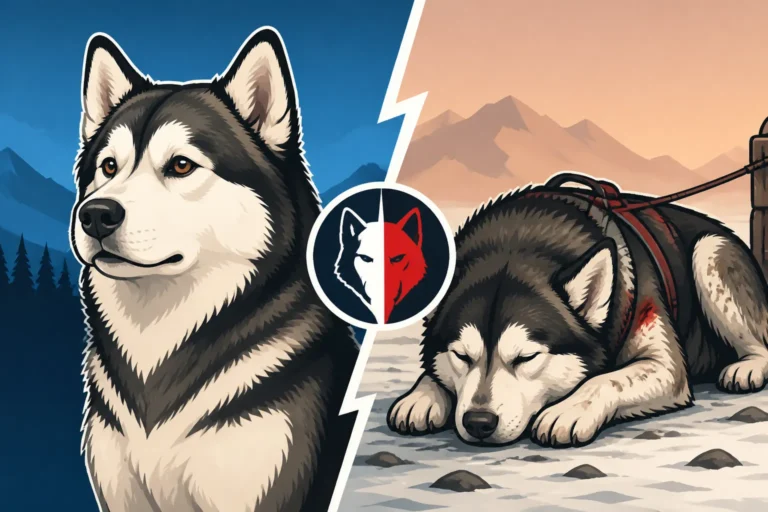
Beyond the outward appearance, hypothyroidism can manifest internally with significant behavioral and metabolic changes. Lethargy is a hallmark symptom – your Malamute, who once loved long hikes and pulling activities, might become unusually sluggish, sleeping more, and showing reduced enthusiasm for play or exercise. While Malamutes are known for being calm indoors, an extreme dip in energy that affects their usual engagement is a concern. Weight gain is another common symptom, even if their diet and exercise routine haven't changed. This is due to the slowed metabolism, making it harder for them to burn calories efficiently.
You might also notice a decreased tolerance for cold temperatures, which can be particularly concerning for a breed built for arctic environments. They might seek out warm spots in the house more often, shiver, or just generally seem uncomfortable in conditions they once thrived in. Some Malamutes can also exhibit subtle personality changes, becoming more irritable, anxious, or even exhibiting a duller mental state. If your typically friendly Malamute starts to seem withdrawn or grumpy, it's worth exploring all potential causes, including a thyroid imbalance.
Other Less Common But Important Symptoms
While skin, coat, and metabolic changes are the most common indicators, hypothyroidism can affect almost any body system. Reproductive issues, such as infertility or irregular heat cycles in females, can occur. Neurological symptoms, though less common, can include weakness, facial nerve paralysis, or even seizures in severe, untreated cases. Cardiac signs, like a slower heart rate (bradycardia), might also be present but are usually detected during a routine veterinary examination.
Gastrointestinal problems are less frequently associated with hypothyroidism but can sometimes manifest as constipation or diarrhea due to slowed gut motility. Remember, no single symptom definitively points to hypothyroidism, and many of these signs can overlap with other conditions. The key is to notice a cluster of symptoms or a persistent change in your Malamute's overall health and demeanor, which warrants a visit to your veterinarian for a thorough investigation. Being proactive with your Malamute's health, including considering pet insurance from a provider like Healthy Paws, can ensure you're prepared for diagnostic costs and potential lifelong treatments.
Diagnosing Hypothyroidism in Alaskan Malamutes
Pinpointing hypothyroidism isn't always a straightforward path, partly because its symptoms are so varied and non-specific. It requires a combination of clinical suspicion based on your Malamute's symptoms and careful interpretation of specific blood tests. Don't be surprised if your vet wants to rule out other common issues first, as part of a comprehensive diagnostic approach.
The Initial Veterinary Consultation
Your journey to diagnosis usually begins with a visit to your veterinarian, armed with a detailed history of your Malamute's symptoms. Be prepared to discuss when you first noticed changes, how they've progressed, and any other relevant medical history. Your vet will perform a thorough physical examination, looking for key indicators such as a dull coat, dry skin, weight gain, or a slow heart rate. They'll also check for any other signs that might point to a different underlying condition. This initial assessment is crucial for guiding the next steps and deciding which diagnostic tests are most appropriate.
During this consultation, your vet might also ask about your Malamute's diet, exercise routine, and any medications or supplements they are currently taking. This holistic view helps them piece together the puzzle and ensure no confounding factors are at play. If your vet suspects hypothyroidism, they'll typically recommend a series of blood tests to measure your Malamute's thyroid hormone levels.
Comprehensive Thyroid Blood Panels
The primary diagnostic tool for hypothyroidism is a comprehensive thyroid blood panel. This isn't just a single test; it usually involves measuring several different hormones to get a complete picture of thyroid function.
Here's what your vet will typically look for:
- Total T4 (TT4): This measures the total amount of thyroxine (T4) hormone in your Malamute's blood, both free and protein-bound. A low TT4 is often the first indicator of hypothyroidism, but it can also be low due to other illnesses (known as "euthyroid sick syndrome") or certain medications.
- Free T4 (fT4): This measures only the unbound, biologically active form of T4. It's often considered a more accurate indicator than TT4 because it's less affected by non-thyroidal illnesses or medications. A low fT4, especially when combined with other low thyroid hormone levels, strongly suggests hypothyroidism.
- Thyroid-Stimulating Hormone (TSH): This hormone, produced by the pituitary gland, tells the thyroid to produce T3 and T4. In cases of primary hypothyroidism, the body tries to compensate for the failing thyroid by producing more TSH. So, a high TSH level, coupled with low T4 and fT4, is a strong indicator of primary hypothyroidism.
- Thyroid Autoantibodies (TgAA): These tests detect antibodies that attack the thyroid gland. A positive result indicates autoimmune thyroiditis, which is a common cause of primary hypothyroidism in breeds like the Alaskan Malamute. These antibodies can be present even before the thyroid hormone levels drop, making it a valuable tool for early detection in at-risk breeds.
It's important to remember that interpreting these results requires veterinary expertise. Sometimes, one parameter might be off while others are normal, or there might be concurrent illnesses affecting the results. Your vet might recommend retesting after a period or performing additional tests to confirm the diagnosis. For example, a low thyroid result in a perfectly healthy-looking Malamute could be a false positive or due to Whether a Malamute's Thyroid Disease Is Mistaken for Zinc Deficiency, as both can present with similar skin and coat issues. Therefore, proper interpretation is critical.
The Challenge of "Euthyroid Sick Syndrome" and Other Factors
One of the biggest diagnostic hurdles for hypothyroidism in dogs is something called "euthyroid sick syndrome." This occurs when a dog has a non-thyroidal illness (e.g., kidney disease, heart disease, or even severe infections) that causes their thyroid hormone levels to drop, mimicking hypothyroidism, even though their thyroid gland is perfectly healthy. Certain medications, such as steroids or phenobarbital, can also suppress thyroid hormone levels. This is why a thorough history and a comprehensive physical exam are so vital.
Your veterinarian will carefully consider your Malamute's overall health and any other existing conditions or medications when interpreting the thyroid panel results. Sometimes, they might recommend treating the underlying non-thyroidal illness first and then retesting the thyroid levels to see if they normalize. This careful approach ensures an accurate diagnosis and prevents your Malamute from being unnecessarily placed on lifelong thyroid medication. This comprehensive approach to diagnostics is why having a robust pet insurance plan, such as one from Healthy Paws, can be incredibly beneficial, covering the costs of multiple tests and specialist consultations if needed. You might also want to explore Whether a Malamute Needs Yearly Thyroid Bloodwork if you have concerns about ongoing monitoring.
| Symptom Category | Common Hypothyroidism Signs in Malamutes | Other Conditions to Consider |
|---|---|---|
| Coat/Skin | Dull, dry coat; hair loss (symmetrical on body/tail); flaky skin; recurrent skin infections; hyperpigmentation | Zinc Responsive Dermatosis, allergies, parasites, nutritional deficiencies, Cushing's disease |
| Energy/Weight | Lethargy, increased sleeping, reduced exercise tolerance; unexplained weight gain despite normal diet | Arthritis, heart disease, diabetes, aging, poor diet |
| Temperature | Cold intolerance, seeking warm spots | Arthritis, anemia, kidney disease |
| Behavioral | Irritability, anxiety, mental dullness | Pain, cognitive dysfunction (in older dogs), other neurological issues |
Treating Hypothyroidism and Managing Life with Your Malamute
Once a definitive diagnosis of hypothyroidism is made, the good news is that it's a very manageable condition. Treatment is generally straightforward, involving lifelong medication, and the prognosis for a good quality of life is excellent. However, it does require commitment from you, the owner, to ensure consistent medication and regular monitoring.
Lifelong Medication and Dosage Adjustments
The cornerstone of hypothyroidism treatment is daily oral medication, typically a synthetic thyroid hormone called levothyroxine (L-thyroxine). This medication replaces the hormone your Malamute's thyroid gland isn't producing. The dosage is highly individualized and depends on your Malamute's weight and the severity of their deficiency. It's usually given once or twice a day, typically on an empty stomach to ensure optimal absorption.
It's absolutely critical to administer the medication exactly as prescribed by your vet and never to skip doses or alter the amount. Consistency is key for managing the condition effectively. Your vet will likely schedule follow-up blood tests, usually 4-8 weeks after starting treatment, to check your Malamute's thyroid hormone levels and adjust the dosage as needed. This process might take a few rounds until the optimal maintenance dose is found. Once stable, your Malamute will still need Whether a Malamute Needs Yearly Thyroid Bloodwork to ensure their levels remain within the therapeutic range, as their needs can change over time.
Monitoring for Improvement and Side Effects
With proper treatment, you should start to see improvements in your Malamute's symptoms within a few weeks to a few months. Energy levels often rebound fairly quickly, sometimes within a couple of weeks. Skin and coat issues take longer to resolve, as new hair growth and skin regeneration take time; you might see significant improvement in 2-4 months, but a full recovery of the coat can take up to a year. Weight loss, if needed, will also be a gradual process requiring careful dietary management alongside the medication.
Side effects from levothyroxine are rare when dosed correctly. If your Malamute is given too high a dose, they might show signs of hyperthyroidism, such as restlessness, increased thirst and urination, panting, and weight loss despite a good appetite. If you notice any of these signs, contact your vet immediately so the dosage can be adjusted. This is why regular monitoring is so important – it ensures your Malamute is receiving the right amount of hormone to feel their best without causing adverse effects.
A Holistic Approach to Care
While medication is paramount, a holistic approach to your hypothyroid Malamute's care can greatly enhance their well-being. This includes a balanced diet tailored to their specific needs, especially if weight management is a concern. Regular, appropriate exercise is also vital; as their energy levels improve, encourage walks and play, but always be mindful of their individual stamina. For Caring for an Alaskan Malamute Past Eight, managing hypothyroidism often becomes a critical part of their senior care routine.
Remember that managing a chronic condition like hypothyroidism is a lifelong commitment. It requires patience, diligence, and a strong partnership with your veterinarian. Being proactive and prepared for these ongoing health needs, including the financial aspect, is important. Many Malamute owners find that pet insurance, like plans offered by Healthy Paws, can be incredibly helpful in covering the recurring costs of medication, blood tests, and veterinary visits associated with long-term care, providing peace of mind.
Distinguishing Hypothyroidism from Other Malamute Health Issues
The wide array of symptoms associated with hypothyroidism means it can often be mistaken for, or even co-exist with, other health conditions common in Alaskan Malamutes. This makes accurate diagnosis even more critical. Understanding these overlaps can help you provide your vet with better information and ensure your Malamute receives the correct treatment.
The Overlap with Zinc Responsive Dermatosis
One of the most common areas of confusion is the overlap between hypothyroidism and Zinc Responsive Dermatosis in an Alaskan Malamute. Both conditions can cause significant skin and coat issues, including hair loss, crusty lesions, and dull fur. Malamutes, due to a genetic predisposition, can have difficulty absorbing zinc from their diet, leading to a deficiency that manifests as skin problems, often around the face, eyes, ears, and pressure points like elbows.
Because the symptoms can be so similar, your vet might test for both conditions if your Malamute presents with these skin issues. In some cases, a Malamute might even suffer from both hypothyroidism and zinc deficiency concurrently. It's crucial not to simply assume it's one or the other based on symptoms alone. If your Malamute's skin is crusty around their muzzle or their paw pads are thickening, it could be either condition, or even both. This is an excellent example of why comprehensive diagnostic testing is so important, rather than just treating symptoms. For more detail, you can read our article on Whether a Malamute's Thyroid Disease Is Mistaken for Zinc Deficiency.
Ruling Out Other Metabolic and Aging Conditions
Beyond zinc deficiency, several other conditions can present with symptoms similar to hypothyroidism, especially in older Malamutes. Signs an Alaskan Malamute Is Getting Old often include decreased energy, weight gain, and a general slowing down, making it easy to attribute hypothyroid symptoms to normal aging. However, it's important not to dismiss these changes, as untreated hypothyroidism can severely impact your Malamute's quality of life.
Other conditions to consider and rule out include:
- Obesity: Simply being overweight can cause lethargy and cold intolerance, but usually without the specific coat and skin changes.
- Arthritis: Pain from arthritis can make a Malamute reluctant to exercise and appear lethargic, but usually doesn't involve metabolic or coat issues.
- Cushing's Disease: This adrenal gland disorder can also cause hair loss (often sparing the head and legs), a pot-bellied appearance, and muscle weakness, but usually involves increased thirst and urination.
- Diabetes: Can cause lethargy and weight changes, but typically with increased thirst, urination, and changes in appetite.
- Anemia: Can lead to weakness and lethargy.
- Kidney Disease: In older dogs, Whether an Alaskan Malamute Gets Kidney Disease can contribute to a general decline in health, often mimicking some hypothyroid signs.
The best way to differentiate between these conditions and hypothyroidism is through a thorough veterinary examination, comprehensive blood work (including a full chemistry panel, complete blood count, and urinalysis), and specific thyroid testing. This comprehensive diagnostic approach helps ensure your Malamute receives an accurate diagnosis and the most effective treatment plan, optimizing their chances of a full recovery and a happy, healthy The Ten to Fourteen Years an Alaskan Malamute Lives. Recognizing these potential overlaps and being prepared for thorough investigations is part of responsible Malamute ownership, especially as The Age an Alaskan Malamute Counts as a Senior approaches.
Disclaimer
The information provided in this article is for educational purposes only and is not intended to be a substitute for professional veterinary advice, diagnosis, or treatment. Always seek the advice of your veterinarian or other qualified health provider with any questions you may have regarding a medical condition. Never disregard professional veterinary advice or delay in seeking it because of something you have read in this article.