The Age an Alaskan Malamute Counts as a Senior
It's a bittersweet moment when you start to notice the tell-tale signs of age creeping into your magnificent Alaskan Malamute. One day they're a boundless ball of energy, and the next, a little slower to rise, a bit grayer around the muzzle. It leaves many of us wondering, "When exactly does my beloved Malamute officially become a 'senior'?" This guide will delve deep into the nuances of canine aging, specifically for our Mals, helping you understand the timeline, recognize the signs, and adapt their care to ensure their golden years are as comfortable and joyful as possible.
Defining the Golden Years: When Does a Malamute Become a Senior?
The concept of a "senior dog" isn't a hard and fast rule, especially for large, powerful breeds like the Alaskan Malamute. While the common adage of "one human year equals seven dog years" is largely a myth, it does hint at the accelerated aging process in our canine companions. For Mals, their senior status often begins to emerge before what many might expect for smaller breeds, marking a significant transition in their life and needs.
Beyond the Calendar Age
You might hear a general guideline that large breeds enter their senior years around 5-7 years of age. For an Alaskan Malamute, this often means that by the time they hit about 6 years old, they are already navigating the early stages of seniority. This can come as a surprise to many owners who still see their Mal as a robust, capable dog. However, their larger size and quicker growth rate mean that their bodies experience wear and tear and cellular aging at an accelerated pace compared to smaller, longer-lived breeds. It’s not just about the number on the calendar, but the physiological changes happening beneath that thick, beautiful coat.
Imagine your Malamute, usually the first one to greet you with a joyful "woo" and a wagging tail, now taking a few extra seconds to stretch out before standing up. Or perhaps their once relentless energy on walks is now a bit more tempered, preferring a leisurely sniff-fest over a brisk trot. These subtle shifts, even in a seemingly youthful 6-year-old, are often the first whispers of aging. They’re telling us that while they might not look "old" in the traditional sense, their internal clock is certainly moving into a new phase.
The transition isn't like flipping a switch; it's a gradual journey. Some Mals might show signs earlier, particularly if they've had a very active working life or pre-existing health conditions. Others, with excellent genetics and meticulous care, might seem to defy the clock for a while longer. The key is to be observant, tuning into your individual dog's cues rather than relying solely on a generic age chart.
Breed-Specific Considerations
Alaskan Malamutes, being a giant breed, naturally have a shorter average lifespan compared to toy breeds. While a Chihuahua might live to be 15-20 years old, a Malamute typically enjoys a lifespan of The Ten to Fourteen Years an Alaskan Malamute Lives. This means their entire life cycle, including their senior phase, is compressed into a shorter window. Therefore, their senior years actually begin earlier.
Their large frame, dense bone structure, and powerful musculature, while magnificent, also bear the brunt of gravity and activity over the years. This contributes to why large breeds often experience joint issues, like Arthritis in an Older Alaskan Malamute, at a relatively younger age than their smaller counterparts. The weight and leverage put on their hips, elbows, and spines can lead to degenerative changes sooner. This isn't a flaw in the breed; it's simply a reality of their magnificent physical build.
Furthermore, Malamutes were bred for demanding work in harsh environments. While most pet Mals don't pull heavy sleds every day, their genetic blueprint still guides their physiology. Their efficient metabolism, for example, which allowed them to thrive on fewer calories in the Arctic, can become a double-edged sword in later life, making weight management crucial as their activity levels naturally decrease. Understanding these inherent breed characteristics helps us anticipate and prepare for the specific challenges and needs that arise as our Mals enter their senior years.
Individual Variations
Just like with people, every Malamute is an individual, and their aging process will be unique. While 6-7 years is a general benchmark for entering senior status, it's really a sliding scale. Some Malamutes might still be bounding around like puppies at 7, while others might start slowing down noticeably at 5. Factors like genetics, diet, lifestyle, and previous injuries all play a significant role in how and when a Malamute shows Signs an Alaskan Malamute Is Getting Old.
A Malamute who has been a lifelong athlete, maintaining a lean body condition and consistent exercise, might retain youthful vigor longer than one who has been sedentary or overweight for much of their life. Similarly, those with excellent genetic backgrounds, free from inherited predispositions to certain health issues, may age more gracefully. This is why a good breeder's commitment to health testing and responsible breeding practices, covering things like hips and elbows, can make a tangible difference in your dog's long-term health and vitality.
It's also important to remember that "senior" doesn't mean "done." It simply means a new chapter is beginning, one that requires a more attuned approach to their care. Your Malamute is still the same loving, goofy, independent spirit you adore; they just might need a little more help and consideration in their daily life. Embracing these individual variations means observing your dog closely and tailoring their routine to meet their evolving needs, rather than adhering rigidly to a calendar definition.
The Physical Road Map of Aging in Malamutes
As your Alaskan Malamute transitions into their senior years, you'll start noticing a series of physical changes. These aren't just aesthetic shifts; they are indicators of internal processes that require our attention and often, adjustments to their care routine. Being aware of these common physical markers allows us to intervene early and ensure their comfort.
Coat, Skin, and Joint Health
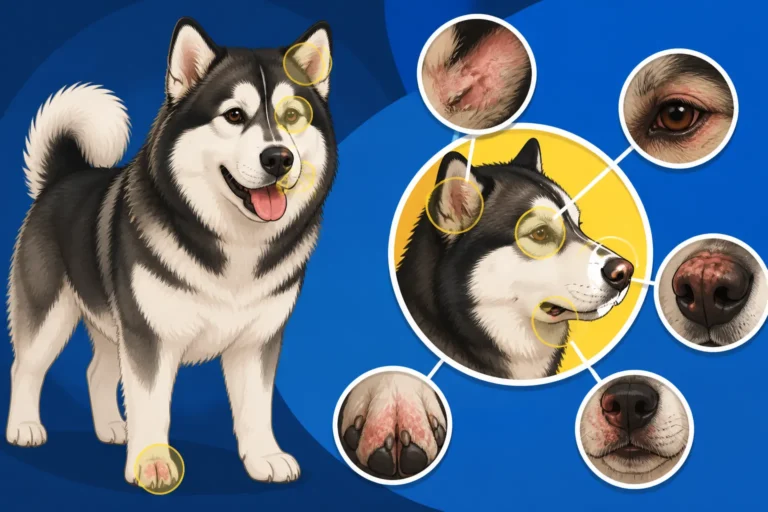
One of the most visible signs of an aging Malamute is the change in their coat. You'll likely see a charming silvering around their muzzle and eyes, gradually spreading to other parts of their face and sometimes their chest. Their once vibrant coat might become a bit duller, and you might notice the coat thinning in some areas, or perhaps become coarser in texture. Their skin can also become drier and less elastic, making them more prone to certain skin conditions or slower to heal from minor scrapes. Regular grooming, though perhaps less frequent than during their notorious coat blows, remains essential to keep their skin healthy and prevent matting in their changing fur.
Beyond the visible, the most impactful physical changes often occur internally, particularly with their joints. Years of carrying a large frame and engaging in powerful activities can lead to the natural degeneration of cartilage and bone. This manifests as Arthritis in an Older Alaskan Malamute, causing stiffness, reduced mobility, and sometimes pain. You might observe them struggling to jump into the car, a reluctance to use stairs, or a noticeable limp after a long walk or a period of rest. It's not uncommon to see a senior Mal take longer to get up from a lying position, sometimes with a grunt or a visible effort.
Their paw pads can also become thicker and harder, and their nails might grow more brittle or become more challenging to keep trimmed if they're less active on rough surfaces. It's crucial to check their feet regularly for any cracks, overgrown nails, or signs of discomfort, as healthy paws are fundamental to their ability to move comfortably. These changes emphasize the importance of early intervention, such as providing joint supplements and ensuring a soft, supportive bed, which we'll discuss further.
Sensory Decline
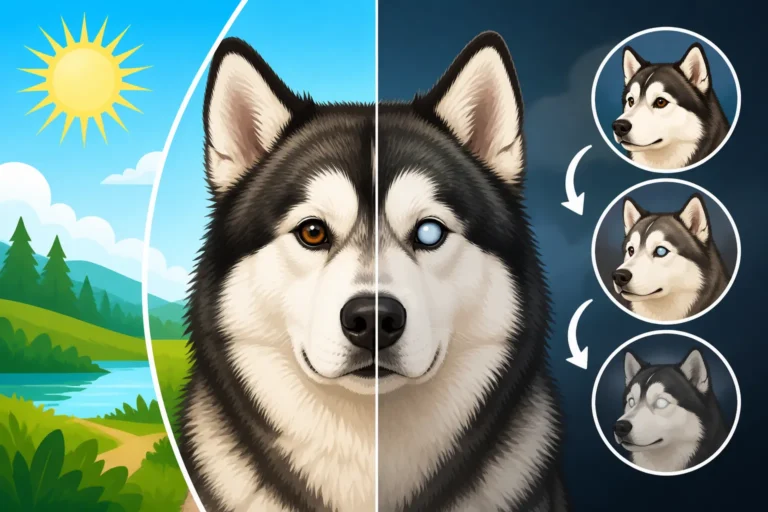
Just like humans, aging Malamutes can experience a decline in their sensory capabilities. Their eyesight might begin to dim, sometimes presenting as Cataracts in an Alaskan Malamute or a general cloudiness in their eyes, known as lenticular sclerosis. While lenticular sclerosis usually doesn't significantly impair vision, cataracts can. You might notice your Malamute bumping into familiar objects in dim light, hesitating on stairs, or being startled more easily if you approach from their blind spots.
Their hearing can also become less acute. They might not respond to their name or the doorbell as quickly as they once did, or they might sleep through sounds that would have previously roused them. This can sometimes be mistaken for stubbornness or selective hearing, but it's important to recognize it as a genuine physical change. If your Malamute seems less responsive, try using hand signals or a louder, deeper voice, as higher frequencies are often the first to go.
A diminished sense of smell and taste is also common, which can sometimes impact their appetite. While Malamutes are generally enthusiastic eaters, a senior Mal might be pickier or less interested in their food. These sensory declines require patience and understanding from us, their caregivers. Maintaining a consistent environment, avoiding sudden changes, and approaching them gently will help them navigate their world more confidently as their senses fade.
Weight and Metabolism
As Malamutes age, their metabolism naturally slows down. Couple this with a probable decrease in their activity levels, and it creates a recipe for weight gain if their diet isn't adjusted. Many owners inadvertently continue feeding the same amount of food that sustained their younger, more active Mal, leading to a gradual increase in weight. An overweight senior Malamute faces heightened risks for Arthritis in an Older Alaskan Malamute, heart disease, diabetes, and other health complications, further compounding the challenges of aging.
It's tempting to think a little extra padding is harmless, or even comforting, but for a large breed prone to joint issues, every extra pound puts more strain on their aging frame. Maintaining a lean body condition is one of the most impactful things you can do to support their joint health and overall well-being in their senior years. This means paying close attention to their calorie intake and ensuring they are still getting appropriate, albeit modified, exercise.
On the flip side, some senior Malamutes might actually lose weight, especially if they're dealing with underlying health issues, dental problems that make eating painful, or a significant decrease in appetite due to sensory decline. Monitoring their weight through regular weigh-ins and body condition scoring is crucial. If you notice any significant, unexplained weight loss or gain, it's always best to consult your veterinarian, as it could be an indicator of an underlying medical condition.
| Age Range (Malamute Years) | Corresponding Life Stage | Common Physical Signs |
|---|---|---|
| 0-1.5 | Puppy/Adolescent | Rapid growth, high energy, learning phase. |
| 1.5-5 | Adult | Peak physical condition, strong work drive, full size and muscle development. |
| 6-9 | Early Senior | Graying muzzle, slower to rise, occasional stiffness, slight decrease in stamina, subtle sensory changes. |
| 10+ | Late Senior/Geriatric | More pronounced stiffness, significant graying, reduced hearing/vision, changes in sleep patterns, muscle atrophy. |
Navigating Behavioral and Cognitive Changes in Your Older Malamute
Physical changes are just one part of the aging process; our Malamutes can also experience shifts in their behavior and cognitive function. These changes can sometimes be subtle, making it easy to dismiss them as just "getting old," but understanding them is key to providing comprehensive care and support during their golden years.
Changes in Energy and Activity
One of the most noticeable behavioral changes in a senior Malamute is a decrease in their overall energy and activity levels. The dog who once needed hours of vigorous exercise daily might now be content with shorter, more frequent strolls around the neighborhood. You'll likely see them napping more often, taking longer to recover after even moderate activity, or being less enthusiastic about initiating playtime. Their zest for life isn't gone, it's just presented in a more subdued package.
This doesn't mean they've become lazy; it means their bodies simply can't keep up with the demands of their younger selves. Joint discomfort, muscle stiffness, and reduced cardiovascular efficiency all contribute to this natural slowdown. While it's important not to push them beyond their comfort zone, it's equally important to ensure they still get regular, gentle exercise appropriate for their capabilities. Complete inactivity can lead to further muscle atrophy and stiffness, creating a vicious cycle.
We might also observe shifts in their play style. Instead of boisterous wrestling, they might prefer a gentle game of tug, or simply gnawing on a favorite durable chew toy. Their tolerance for energetic puppies or overly exuberant dogs might wane, as they prefer calm companionship. Learning to read these subtle cues and adjusting your interactions accordingly will help them feel respected and comfortable in their changing abilities.
Altered Social Interactions
As Malamutes age, their social dynamics, both with humans and other animals, can sometimes shift. You might notice them becoming a little less tolerant of boisterous children or other pets, simply because they have less patience for constant commotion or accidental bumps. They might seek out quiet spaces more often, preferring to observe from a distance rather than being in the thick of family activity. This isn't necessarily aggression, but rather a need for peace and predictability.
Conversely, some senior Malamutes can become clingier, seeking more reassurance and physical contact from their human companions. This can be a response to sensory decline, making them feel more vulnerable, or a natural deepening of their bond. They might follow you more closely, lean on you more often, or demand more petting sessions than before. This is a wonderful opportunity to shower them with extra affection and reinforce their sense of security.
It's also possible for an aging Malamute to become more irritable or reactive. This can often be rooted in pain or discomfort, making them less tolerant of being touched in certain areas, or more defensive if startled due to hearing or vision loss. If your Malamute exhibits any sudden, out-of-character aggression or fear, it's crucial to consult your veterinarian to rule out underlying medical causes. Behavioral changes are often the first sign that something physical is amiss.
Cognitive Dysfunction Syndrome CDS
One of the most challenging, and often heartbreaking, aspects of an aging Malamute is the potential for cognitive decline, often referred to as Canine Cognitive Dysfunction Syndrome (CDS). This condition is similar to Alzheimer's disease in humans and affects a significant percentage of older dogs. It's not just "getting a bit confused" occasionally; CDS involves progressive changes in the brain that impact memory, learning, awareness, and judgment. This can be a real frustration for owners who wonder, Whether an Old Malamute Gets Confused on purpose.
Signs of CDS can include disorientation (getting lost in familiar places, staring blankly at walls), changes in social interaction (less greeting, more irritable), altered sleep-wake cycles (pacing at night, excessive sleeping during the day), house soiling accidents, and changes in activity level (decreased exploration, repetitive behaviors). For example, your Malamute might forget their housetraining, having accidents indoors despite being perfectly trained for years. Or they might stand at the hinge side of the door, waiting for it to open.
Recognizing CDS early is vital, as there are interventions, including dietary supplements, prescription medications, and environmental enrichment, that can help slow its progression and improve your Malamute's quality of life. If you suspect your Mal is showing signs of CDS, discuss it with your vet. It's a progressive condition, but supportive care can make a significant difference. Brands like Healthy Paws, when considering pet insurance for older dogs, might have different coverage options for age-related cognitive issues, so it's always wise to check their policies.
Tailoring Care for Your Senior Alaskan Malamute
As your Malamute enters their senior years, their needs will inevitably change. Providing optimal care during this phase means being proactive and adapting their environment, diet, and daily routine to support their evolving health and comfort.
Nutritional Needs and Dietary Adjustments
One of the first and most critical areas to address for a senior Malamute is their diet. As discussed, their metabolism slows down, and their activity levels generally decrease. Continuing to feed them a high-calorie adult food designed for an active young dog can quickly lead to unhealthy weight gain. It's time to consider a "senior formula" dog food. These diets are typically lower in calories, fat, and sometimes protein (though adequate protein is still essential for maintaining muscle mass in older dogs). They also often contain increased fiber to support digestive health and added supplements like glucosamine and chondroitin for joint support.
The goal is to maintain a lean body weight, which is paramount for minimizing stress on aging joints and organs. You might find yourself needing to reduce portion sizes even if you switch to a senior-specific food. Regularly assess your Malamute's body condition – you should be able to easily feel their ribs without seeing them, and they should have a discernible waistline. If you're unsure how much to feed, consult your vet; they can help you determine the ideal caloric intake for your individual dog based on their activity level and health status. You can learn more about this in Feeding an Old Alaskan Malamute.
Beyond the main meal, be mindful of treats. Those extra calories can add up quickly. Opt for low-calorie options like plain green beans or small pieces of carrot, or simply reduce the quantity of their regular treats. If your senior Malamute is experiencing appetite loss due to sensory decline or dental issues, you might need to make their food more appealing. Warming it slightly, adding a little low-sodium broth, or incorporating safe human foods like cooked chicken or scrambled egg can sometimes tempt a picky eater. However, always introduce new foods slowly and in small amounts to avoid upsetting their digestive system.
Exercise Modifications
While your senior Malamute might not be scaling mountains or pulling sleds with the same gusto, regular exercise remains crucial for their physical and mental well-being. The key is modification – shifting from high-impact, intense activities to gentler, more sustained forms of movement. Daily walks are still important, but they might need to be shorter in duration and less strenuous. Instead of one long hike, consider two or three shorter, leisurely strolls throughout the day.
Swimming can be an excellent low-impact exercise for senior Malamutes, as the water supports their joints while still providing a good workout. If accessible and safe, it allows them to use their muscles without the jarring impact on their aging bones. Supervise them closely, especially if they are not strong swimmers or have reduced vision. Activities like slow-paced sniff walks in interesting environments or gentle games of fetch in the yard can also provide mental stimulation and physical movement without overexertion.
The most important thing is to listen to your Malamute. Pay attention to their cues: if they lag behind, seem stiff, or show reluctance, it's time to slow down or end the activity. Don't push them to keep up with their younger selves. Provide comfortable resting spots immediately after exercise and ensure they have easy access to water. Consistent, gentle movement will help maintain muscle mass, flexibility, and circulation, which are all vital for keeping their golden years active and comfortable.
Environmental Adaptations
Making small changes to your home environment can significantly improve your senior Malamute's quality of life and prevent injuries. As their mobility decreases and their senses dull, navigating a house that was once easy can become a challenge. Start by ensuring they have easy access to soft, supportive bedding in multiple locations around the house. Orthopedic beds are a fantastic investment for large, aging dogs, providing pressure relief for their joints and bones.
Consider their ability to navigate stairs. If they struggle, you might need to install baby gates to block access to dangerous staircases or use ramps for getting in and out of cars, or onto elevated surfaces like couches if they're allowed. Nonslip mats or runners on slippery floors can also prevent falls and give them better traction, especially in common areas or where they eat and drink. As their vision declines, try to keep furniture and their food/water bowls in consistent locations to minimize confusion.
Providing easy access to the outdoors for potty breaks is also important, especially if they have less bladder control or find it difficult to hold it for long periods. A dog door, if practical and safe, or more frequent trips outside can prevent accidents and maintain their dignity. Ultimately, these environmental adaptations are about making their world accessible and comfortable, minimizing obstacles, and allowing them to move about their home with confidence, which contributes hugely to their overall happiness.
Proactive Health Management and Quality of Life
Beyond the daily care adjustments, a truly comprehensive approach to your senior Malamute's well-being involves proactive health management. This means working closely with your veterinarian and focusing on strategies that not only address existing issues but also promote a high quality of life throughout their golden years. This dedication will ensure Caring for an Alaskan Malamute Past Eight is a rewarding experience for both of you.
Regular Veterinary Check-ups
This cannot be stressed enough: regular veterinary check-ups become even more crucial as your Malamute ages. While adult dogs often have annual check-ups, many vets recommend bi-annual (every six months) visits for senior dogs. This allows for earlier detection of age-related conditions, many of which are treatable or manageable if caught in their initial stages. These check-ups will typically include a thorough physical exam, bloodwork (to assess organ function, check for conditions like Whether a Malamute Gets Hypothyroidism, and monitor overall health), and urine analysis.
Your vet will pay close attention to their joint health, listen to their heart and lungs, palpate their abdomen for any abnormalities, and check their dental health. Dental disease is rampant in older dogs and can cause significant pain, lead to systemic infections, and impact their ability to eat. Regular dental cleanings under anesthesia might still be recommended, even for older dogs, if their overall health permits. Early intervention can make a significant difference in managing discomfort and improving their overall health trajectory.
Don't hesitate to bring up any small changes you've noticed – a slight change in appetite, a new lump, altered sleep patterns, or a subtle limp. What might seem minor to you could be an important clue for your vet in diagnosing an emerging issue. Brands like Healthy Paws are often lauded for their comprehensive pet insurance plans, and having such coverage can certainly ease the financial burden of these increased veterinary visits and potential treatments, allowing you to focus on your Malamute's health without added stress. Remember, early detection is key to effective management and maintaining their quality of life.
Mental Stimulation
It's easy to focus solely on the physical needs of an aging Malamute, but their minds need exercise too! Mental stimulation is just as important as physical exercise for keeping their brains sharp and preventing cognitive decline. While they might not be up for complex training sessions like their younger selves, there are many ways to engage their minds gently.
Puzzle toys, especially those that dispense treats, are fantastic for senior Mals. They require problem-solving and sniffing, which taps into their natural instincts and provides a sense of accomplishment. Scent work, even simple "find the treat" games hidden around the house, can be incredibly engaging and doesn't put any strain on their joints. Short, positive training refreshers using familiar cues can also keep their minds active and reinforce your bond. Even a few minutes of learning a new, simple trick can be beneficial.
Providing a varied environment during their modified walks also offers mental enrichment. Let them take their time sniffing new patches of grass or exploring different routes. The sensory input from new smells and sounds is highly stimulating. Keeping their minds active helps maintain cognitive function, reduces boredom, and can even slow the progression of conditions like Cognitive Dysfunction Syndrome.
Comfort and Affection
Above all, providing comfort and affection is paramount for your senior Alaskan Malamute. Their world might be changing around them as their bodies slow down and their senses fade, and your consistent love and reassurance are their anchors. Ensure they have a warm, draft-free, comfortable place to sleep, preferably with an orthopedic bed that supports their aging joints. Consider a ramp or steps to their favorite sleeping spot if it's elevated.
Increased physical touch, through gentle petting, brushing, and even just quiet cuddles, can provide immense comfort and strengthen your bond. Be mindful of any sensitive areas or painful joints when petting. Just sitting quietly with them, offering a gentle scratch behind the ears, can be incredibly reassuring.
As their routines might need adjustments, try to keep their daily schedule as consistent as possible. Predictability can reduce anxiety in older dogs, especially those with sensory or cognitive decline. They thrive on knowing what to expect. This phase of their life is a profound journey, and your unwavering presence, understanding, and love are the greatest gifts you can give them. Embracing their senior years means cherishing every moment and providing them with the dignity and comfort they so richly deserve after a lifetime of loyalty and companionship.
Understanding Common Ailments in Aging Malamutes
While we all hope for our Malamutes to age gracefully without major health issues, it's a realistic expectation that some ailments are more common in their golden years. Being aware of these helps us recognize symptoms early and seek timely veterinary intervention. This will contribute significantly to The Ten to Fourteen Years an Alaskan Malamute Lives being of high quality.
Arthritis and Mobility Issues
As extensively discussed, joint problems are incredibly common in large, active breeds like the Alaskan Malamute. Arthritis in an Older Alaskan Malamute is often caused by the wear and tear on cartilage over time, leading to inflammation, pain, and reduced flexibility in joints like the hips, elbows, and spine. You might notice stiffness, lameness, difficulty getting up or lying down, reluctance to jump, or a decreased tolerance for exercise. It's truly heartbreaking to see your once powerful dog struggle with basic movements.
Managing arthritis typically involves a multi-modal approach. This often includes anti-inflammatory medications prescribed by your vet (NSAIDs), joint supplements like glucosamine, chondroitin, and Omega-3 fatty acids (Joint Supplements for an Alaskan Malamute), and possibly other therapies like Librela or Adequan injections. Physical therapy, hydrotherapy (swimming), and therapeutic laser treatments can also provide significant relief and improve mobility. Maintaining a healthy weight is paramount, as every extra pound puts more strain on compromised joints.
Creating an accessible home environment with non-slip surfaces and ramps is also critical. The goal isn't necessarily to "cure" arthritis, as it's often a degenerative condition, but to manage the pain, maintain mobility, and improve your Malamute's overall comfort and quality of life. Regular vet check-ups are essential to monitor the progression of arthritis and adjust the treatment plan as needed.
Organ Function Decline
With age, it's common for various organ systems to show signs of decline. The kidneys, liver, and heart are particularly vulnerable. Your vet will often recommend routine blood tests, including a full chemistry panel and complete blood count, as part of your senior Malamute's bi-annual check-ups to monitor these vital organs.
Kidney disease is a common age-related ailment. Symptoms can be subtle initially but may progress to increased thirst, increased urination, weight loss, lethargy, and decreased appetite. Early detection through bloodwork (looking at creatinine and BUN levels) and urine specific gravity tests allows for dietary changes and medications that can slow progression and support kidney function.
Heart conditions, such as degenerative valve disease or dilated cardiomyopathy, can also develop. Signs like coughing, reduced exercise tolerance, increased respiratory rate, or fainting should prompt an immediate veterinary visit. Your vet might recommend a cardiac workup, including chest X-rays, an EKG, or an echocardiogram, to diagnose the specific condition and recommend appropriate medications.
Liver issues, while sometimes less common than kidney or heart disease, can also occur. Symptoms can be vague, including lethargy, vomiting, loss of appetite, or jaundice. Regular blood tests are key to monitoring liver enzyme levels. The importance of these proactive checks cannot be overstated – catching organ decline early allows for interventions that can significantly extend your Malamute's comfortable lifespan. This is also why Whether a Malamute Needs Yearly Thyroid Bloodwork is so important, as thyroid issues can mimic other conditions and affect overall organ function.
Cancer Risk
Sadly, cancer is a leading cause of death in older dogs, and Alaskan Malamutes, like many larger breeds, are not immune. While not all lumps and bumps are cancerous, the risk increases with age. Common cancers in Malamutes can include lymphoma, osteosarcoma (bone cancer), and various types of soft tissue sarcomas. For more detailed information on specific types, you can look into Which Cancers Alaskan Malamutes Get.
Being vigilant about checking your Malamute regularly for new lumps, bumps, or swelling is critical. Any new growth, or one that changes in size or texture, should be brought to your vet's attention immediately for evaluation. Early detection is absolutely crucial for successful treatment outcomes. Other subtle signs of cancer can include unexplained weight loss, lethargy, persistent lameness, loss of appetite, changes in bowel habits, or difficulty breathing.
While a cancer diagnosis is devastating, advancements in veterinary oncology mean that many types of canine cancer can be treated with surgery, chemotherapy, radiation, or a combination of therapies, often with the goal of extending comfortable life rather than achieving a full cure. Having pet insurance from providers like Healthy Paws can be a profound relief if your senior Malamute receives a cancer diagnosis, helping to cover the often significant costs associated with specialized treatments and giving you more options for their care.
Disclaimer
This article is intended for informational purposes only and does not constitute veterinary advice. Always consult with a qualified veterinarian regarding your Alaskan Malamute's health, treatment options, and any medical conditions.