Joint Supplements for an Alaskan Malamute
It's heartbreaking to watch our beloved Alaskan Malamutes, once boundless bundles of energy, start to slow down, struggle to get up, or limp after a romp. Joint issues are a common and often painful reality for many large breeds, and Malamutes are certainly no exception. This comprehensive guide will walk you through understanding why Malamutes are prone to joint problems, demystify the world of joint supplements, and offer practical advice on how to support your Malamute's mobility and comfort throughout their life.
The Unique Joint Challenges Alaskan Malamutes Face
Alaskan Malamutes are magnificent dogs, bred for strength, endurance, and hauling heavy loads across vast distances. Their robust build, significant weight, and innate drive to work make them susceptible to considerable wear and tear on their joints over time. It’s not just the visible signs of aging that catch us off guard; sometimes, the groundwork for joint problems is laid much earlier, quietly progressing until the discomfort becomes undeniable.
How Their Size and Activity Levels Impact Joints
Imagine the sheer force and repetitive impact on the joints of a Malamute that loves to run, jump, and pull. These dogs typically weigh between 75 to 85 pounds for females and 80 to 95 pounds (or even more for some males), putting immense pressure on their hips, elbows, and knees with every stride. While their powerful musculature offers some protection, it can only do so much to cushion the constant stress. Their working heritage means they often push themselves, sometimes masking subtle pain until an issue is quite advanced. This genetic predisposition, combined with their active lifestyle, creates a perfect storm for conditions like hip dysplasia. We often think of "working dogs" as invincible, but their very purpose makes them vulnerable to orthopedic challenges. When considering how much weight a Malamute can safely pull, it's important to understand the long-term implications for their joint health.
Beyond the weight-bearing aspect, the sheer energy of a young Malamute also contributes. Those wild puppy zoomies, sudden stops, and playful wrestling matches with other dogs are wonderful to watch, but each one sends small impacts through developing joints. As they mature, their enthusiasm for hikes, runs, and pulling activities continues this pattern. It’s a double-edged sword: we want them active and happy, but we also know that activity, especially high-impact, can take its toll. The very traits we adore – their strength and stamina – are also what make joint care such a critical part of their overall well-being.
Recognizing Early Signs of Joint Discomfort
One of the trickiest parts of managing joint health in Malamutes is that they are incredibly stoic. They were bred to work through discomfort, and they often don't show obvious signs of pain until a condition is quite advanced. This can be frustrating for owners who want to catch problems early. A subtle change in gait, a slight hesitation before jumping into the car, or a longer time to "warm up" after resting might be the only clues you get. You might notice they're less enthusiastic about a favorite activity, or they might start to lag on walks where they once led the charge. Sometimes, it's as simple as them seeking softer places to lie down more often or showing a slight stiffness when getting up after a long nap.
Watch for changes in their normal routine. Are they sleeping more? Are they reluctant to go up or down stairs? Do they seem less playful with other dogs or even with you? Pay close attention to how they move after a vigorous exercise session versus after a quiet evening. A Malamute might lick at a specific joint, shift their weight, or even start to "bunny hop" with their back legs when running. These aren't always glaring red flags, but rather quiet whispers that something isn't quite right. Early detection, often through careful observation and regular veterinary check-ups, is key to giving your Malamute the best chance at comfortable mobility. As they enter their golden years, learning the signs an Alaskan Malamute is getting old becomes even more critical for monitoring joint health.
Decoding Joint Supplement Ingredients: What Actually Helps?
Walking into the pet store or browsing online for joint supplements can feel like stepping into a dense fog. There are countless products, all promising relief, and an overwhelming list of ingredients. It’s hard to know what’s legitimate and what’s simply marketing hype. The truth is, while supplements aren't a cure-all, specific ingredients have a solid track record of supporting joint health and managing inflammation, offering real comfort for many Malamutes.
The Big Players: Glucosamine, Chondroitin, and MSM
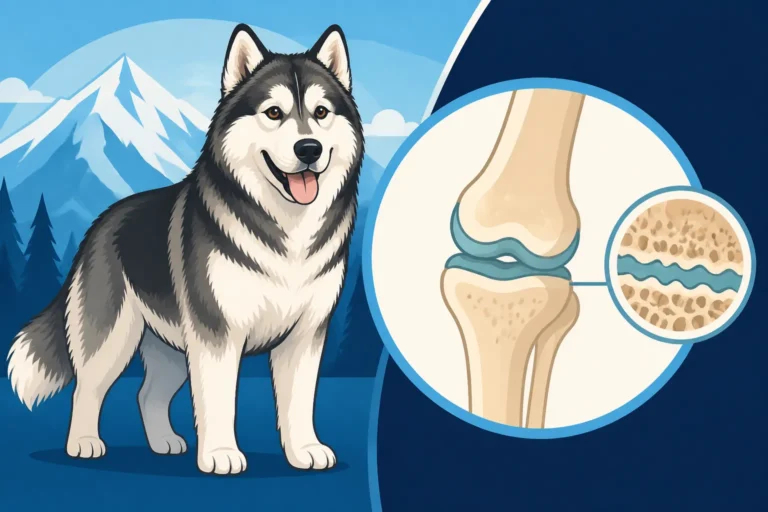
These three ingredients are often touted as the "holy trinity" of joint supplements, and for good reason. They are fundamental building blocks for cartilage, the cushiony tissue that protects the ends of bones in joints.
- Glucosamine: This amino sugar is naturally found in healthy cartilage. When supplemented, it’s believed to help repair and rebuild cartilage, stimulate the production of proteoglycans (which help maintain cartilage structure), and reduce pain and inflammation. Think of it as supplying the raw materials for your Malamute's body to maintain its internal cushioning system. It’s often sourced from shellfish, so if your Malamute has shellfish allergies, look for plant-based alternatives.
- Chondroitin Sulfate: Chondroitin works hand-in-hand with glucosamine. It's a major component of cartilage, helping to give it elasticity and resistance to compression. Chondroitin is thought to inhibit destructive enzymes in the joint fluid and cartilage, reducing further breakdown. It also helps draw water into the cartilage, keeping it hydrated and spongy, which is essential for shock absorption.
- MSM (Methylsulfonylmethane): MSM is a naturally occurring sulfur compound with potent anti-inflammatory and pain-relieving properties. Sulfur is vital for the formation of connective tissues like cartilage, tendons, and ligaments. Many owners report a noticeable reduction in stiffness and discomfort when MSM is included in their Malamute's joint supplement regimen. It’s particularly beneficial for easing the pain associated with conditions like arthritis in an older Alaskan Malamute.
These three ingredients are often combined in supplements because their effects are synergistic, meaning they work better together than individually. Finding a reputable brand that provides these in appropriate dosages for large breeds like Malamutes is crucial.
Anti-Inflammatory Powerhouses: Omega-3 Fatty Acids
While glucosamine, chondroitin, and MSM focus on cartilage repair and protection, Omega-3 fatty acids, particularly EPA and DHA found in fish oil, are champions when it comes to combating inflammation. Chronic inflammation is a significant contributor to joint pain and the progression of conditions like osteoarthritis.
- EPA (Eicosapentaenoic Acid) and DHA (Docosahexaenoic Acid): These are marine-derived Omega-3s that actively reduce the body's production of inflammatory chemicals. By cooling down the inflammatory response, they can significantly decrease joint pain, stiffness, and swelling. Many Malamute owners notice their dogs moving more freely and comfortably after consistently supplementing with high-quality fish oil. Not only are Omega-3s great for joints, but they also contribute to skin, coat, and cognitive health.
- Sources: The best sources are often wild-caught, small fatty fish like anchovies, sardines, and mackerel, which have lower levels of mercury. Algae-based supplements are also available for those concerned about fish sourcing or if their dog has fish sensitivities. The quality and purity of fish oil supplements vary widely, so it's important to choose a brand that provides third-party testing for contaminants and potency. When feeding an Old Alaskan Malamute, ensuring they receive adequate Omega-3s can make a real difference to their comfort.
Other Beneficial Additions: Turmeric, Collagen, and Green-Lipped Mussel
Beyond the core ingredients, several other natural compounds are gaining recognition for their potential to support Malamute joint health. These can often be found in combination with the big players or as standalone supplements.
- Turmeric/Curcumin: Curcumin, the active compound in turmeric, is a powerful natural anti-inflammatory and antioxidant. It works by blocking various molecules that trigger inflammation in the body. While turmeric itself has low bioavailability, many supplements use formulations (like Meriva or BCM-95) that enhance curcumin's absorption, making it more effective. It can be a great addition for Malamutes experiencing chronic joint pain and stiffness, offering a natural alternative or complement to NSAIDs.
- Collagen: Collagen is the most abundant protein in the body and a major component of connective tissues, including cartilage, tendons, and ligaments. Supplementing with hydrolyzed collagen peptides (often labeled as collagen types I, II, or III) can help provide the raw materials for the body to maintain and repair these tissues. It can support the elasticity and strength of joints and may also benefit skin and coat health. Some studies suggest it can reduce joint pain and improve mobility.
- Green-Lipped Mussel (GLM): Hailing from New Zealand, Green-Lipped Mussel is a superfood for joints. It contains a rich blend of Omega-3 fatty acids, glucosamine, chondroitin, vitamins, minerals, and amino acids. Its unique combination of nutrients provides both anti-inflammatory benefits and building blocks for joint repair. It's considered a highly bioavailable source of many joint-supporting compounds and is often praised for its holistic approach to joint health. Some Malamute owners find GLM particularly effective when their dogs don't respond as well to individual glucosamine/chondroitin products.
Choosing supplements with a combination of these ingredients can offer comprehensive support for your Malamute’s joints. Always ensure you purchase from reputable brands that adhere to quality manufacturing practices.
When to Introduce Joint Supplements and How to Choose Wisely
Deciding when to start your Malamute on joint supplements and which product to pick can feel like a big decision. There's no single "right" answer for every dog, but general guidelines can help you make an informed choice with your veterinarian. The goal is always to maximize comfort and mobility for as long as possible.
Proactive Supplementation: The Earlier, The Better?
Many veterinarians and Malamute enthusiasts advocate for starting joint supplements proactively, especially for large breeds known for orthopedic issues. It's often easier to prevent significant deterioration than to reverse it once it's severe.
- During Growth and Development: For a Malamute puppy, their growth plates are still developing, and rapid growth can sometimes put stress on their forming joints. While you want to be careful not to over-supplement a growing puppy without veterinary guidance (as too much calcium or other minerals can be detrimental), introducing a mild, high-quality joint support formula around 12-18 months of age, or even earlier if recommended by your vet, can be beneficial. This is particularly true if your Malamute is from lines with a known history of conditions like Hip Dysplasia in an Alaskan Malamute. Supporting their joints before the age a Malamute is certified by OFA can set them up for better long-term health.
- Mid-Life Maintenance: For adult Malamutes, especially those around 3-5 years old who are still very active, starting a joint supplement can act as a preventative measure. Even if they show no signs of discomfort, the cumulative impact of years of activity means their cartilage is undergoing constant stress. Providing those building blocks proactively can help maintain cartilage integrity and reduce inflammation before it becomes a chronic problem. Think of it as an investment in their future mobility, helping them enjoy their pulling work or long hikes for many more years to come.
- When Signs Emerge: If your Malamute is already showing subtle signs of stiffness, a changed gait, or a slight reluctance to jump, it's definitely time to introduce a joint supplement. At this stage, supplements can help reduce pain, slow the progression of cartilage degeneration, and improve comfort. This is when you'll want to be more aggressive with the dosage and ensure the product contains the key ingredients discussed previously. Remember, catching these signs early can make a huge difference in their quality of life.
Ultimately, discussing proactive supplementation with your veterinarian is the best approach. They can assess your individual Malamute's risk factors, activity level, and overall health to recommend the most appropriate timing.
Navigating the Sea of Options: Quality and Brand Considerations
Once you've decided to give supplements a try, the sheer number of products can be overwhelming. How do you choose the right one for your Malamute?
- Reputation and Transparency: This is paramount. Look for brands with a long-standing reputation for quality and efficacy. Transparency in sourcing ingredients, manufacturing processes, and third-party testing is a huge plus. Companies that openly share their Certificates of Analysis (COA) for purity and potency demonstrate confidence in their products. Avoid brands that make wild, unsubstantiated claims or have very little information about their production.
- Dosage for Large Breeds: Many supplements are formulated for smaller dogs, so ensure the product you choose provides appropriate dosages for an Alaskan Malamute's size. You don't want to buy a supplement only to find you need to give them half the bottle to reach an effective dose. Look for clear guidelines on the label for large or giant breeds.
- Ingredient Combinations: While single-ingredient supplements exist, combination products often offer more comprehensive support. Look for supplements that include glucosamine, chondroitin, and MSM, ideally paired with an anti-inflammatory like Omega-3s or green-lipped mussel. This multi-faceted approach targets various aspects of joint health.
- Formulation (Chews, Powders, Liquids): Consider your Malamute's preferences. Some dogs readily take chews, while others might prefer a powder mixed into their food or a liquid. Palatability is key; if your Malamute won't eat it, it won't help!
- Cost vs. Value: High-quality supplements can be an investment. Don't always go for the cheapest option, as efficacy and purity can be compromised. However, expensive doesn't always mean best. Read reviews, do your research, and prioritize brands known for delivering results. Companies like Healthy Paws often highlight the importance of preventative care and how it can reduce long-term veterinary costs, including for joint issues. This emphasis on wellness extends to choosing high-quality supplements that actually work.
- Veterinary Recommended Brands: Your vet may have specific brands they trust and recommend based on their clinical experience and knowledge of ingredient quality. Don't hesitate to ask them for their top picks.
Ultimately, choosing a joint supplement requires a bit of detective work. Prioritizing reputable brands with effective ingredient combinations and appropriate dosages for your Malamute's size will give you the best chance of seeing positive results.
Working with Your Vet for a Personalized Plan
While online research and anecdotal evidence from other Malamute owners can be helpful, your veterinarian is your most valuable partner in your Malamute’s joint health journey. Every dog is an individual, and a personalized plan is always best.
- Accurate Diagnosis: Before starting any supplement regimen, especially if your Malamute is already showing signs of discomfort, a veterinary examination is crucial. Your vet can accurately diagnose the underlying cause of the joint issues. Is it Hip Dysplasia in an Alaskan Malamute? Is it early-onset arthritis? Are there other contributing factors? Without a proper diagnosis, you might be treating the wrong problem or delaying more effective interventions. X-rays, physical examinations, and gait analysis can all provide critical information.
- Tailored Recommendations: Based on their diagnosis, your vet can recommend specific ingredients or formulations that would be most beneficial for your Malamute's condition. They can also advise on appropriate dosages, especially if your Malamute has other health conditions or is on other medications. For example, if your Malamute is prone to zinc responsive dermatosis in an Alaskan Malamute, your vet might recommend checking for any potential interactions between supplements.
- Monitoring Progress: Your vet can help you monitor your Malamute's response to the supplements. They can assess changes in mobility, pain levels, and overall quality of life during follow-up appointments. If a particular supplement isn't working, they can help you adjust the plan, try different ingredients, or explore other therapeutic options. This ongoing dialogue ensures your Malamute is getting the most effective care.
- Integrated Approach: Supplements are just one piece of the puzzle. Your vet can help integrate joint supplements into a broader joint health strategy that includes diet, appropriate exercise, weight management, and potentially other treatments like anti-inflammatory medications, physical therapy, or even surgical options if necessary. A comprehensive approach ensures all bases are covered. Even if you have comprehensive pet insurance from a provider like Healthy Paws, which covers many conditions, working with your vet on preventative and ongoing care is key to maximizing your Malamute's health. They can provide advice on When a Pulling Malamute Should Start Joint Support.
Never underestimate the importance of your veterinarian's expertise. They are there to guide you through the complexities of your Malamute’s health and ensure they receive the best possible care for their joints.
A Holistic Approach: Beyond the Pill for Malamute Joint Health
While joint supplements can be incredibly beneficial, they are just one component of a truly comprehensive joint health strategy for your Alaskan Malamute. Think of them as part of a larger wellness puzzle. To give your Malamute the best chance at a long, comfortable, and mobile life, we need to consider several other crucial factors that impact their joints daily.
The Crucial Role of Weight Management and Diet
Perhaps one of the most impactful things you can do for your Malamute's joints doesn't come in a bottle, but in their food bowl. Maintaining a healthy weight is absolutely paramount for joint health.
- Less Load, Less Wear: Every extra pound your Malamute carries puts additional stress on their joints. It exacerbates existing conditions like arthritis and significantly increases the risk of developing new ones. Imagine carrying a heavy backpack all day, every day – that's what being overweight feels like for your dog's joints. Studies consistently show that maintaining a lean body condition can dramatically slow the progression of osteoarthritis and reduce pain. It's often the single most important factor within your control.
- Anti-Inflammatory Nutrition: Beyond calorie control, the quality of your Malamute's diet plays a vital role. Feeding a high-quality, balanced diet rich in natural anti-inflammatory ingredients can further support joint health. Look for foods that include natural sources of Omega-3s (like salmon or flaxseed), antioxidants (from fruits and vegetables), and avoid excessive fillers or artificial ingredients that can contribute to systemic inflammation. Some owners explore specialized diets for senior dogs or those with joint issues, which are often formulated with higher levels of joint-supporting nutrients.
- Portion Control and Regular Meals: Malamutes are known for their efficient metabolism, which can sometimes lead to weight gain if not managed carefully. The Efficient Metabolism That Surprises Every New Malamute Owner means they often need less food than their size suggests. Strict portion control and feeding measured meals rather than free-feeding can help prevent unnecessary weight gain. Always follow your vet’s advice on appropriate caloric intake for your Malamute’s age, activity level, and body condition.
A lean, healthy body weight reduces stress on joints and allows supplements to work more effectively. It’s the foundation upon which all other joint care strategies are built.
Tailored Exercise and Physical Therapy
It might seem counterintuitive to talk about exercise when discussing joint pain, but appropriate, controlled activity is critical for maintaining joint health and muscle strength. The key word here is "appropriate."
- Maintain Muscle Mass: Strong muscles around the joints provide stability and support, acting like natural shock absorbers. Regular, low-impact exercise helps build and maintain this crucial muscle mass. Without it, joints become even more vulnerable to injury and degeneration.
- Low-Impact Activities: For Malamutes with joint issues, high-impact activities like jumping, sprinting, or hard stops should be minimized or avoided. Instead, focus on low-impact exercises such as:
- Swimming: This is fantastic because it's non-weight-bearing, strengthening muscles without putting stress on joints. Many Malamutes love to swim.
- Leashed Walking: Consistent, moderate walks on soft surfaces (like grass or trails rather than pavement) are excellent. The duration and intensity should be adjusted based on your Malamute's comfort level.
- Therapeutic Exercises: Your vet might recommend specific exercises to target particular muscle groups or improve range of motion.
- Physical Therapy/Rehabilitation: For Malamutes with significant joint problems or those recovering from injury or surgery, veterinary physical therapy can be a game-changer. A certified canine rehabilitation therapist can develop a tailored program that might include:
- Underwater Treadmill: Similar to swimming, but in a controlled environment, often used for strengthening and regaining mobility.
- Therapeutic Massage: To improve circulation, reduce muscle spasms, and increase flexibility.
- Stretching and Range of Motion Exercises: To prevent stiffness and maintain joint mobility.
- Laser Therapy or Acupuncture: Non-invasive treatments that can help reduce pain and inflammation.
A balanced exercise routine, carefully tailored to your Malamute’s specific needs, will keep them mobile, strong, and happier. What an Alaskan Malamute Needs Every Day often involves a combination of mental and physical stimulation, but the type of physical activity is critical as they age.
Regular Veterinary Check-ups and Early Intervention
Routine veterinary care is not just for vaccinations; it's a critical component of proactive joint health management. Your vet is your first line of defense against progressive joint issues.
- Proactive Screening: For young Malamutes, especially those from working lines, early screening for conditions like hip or elbow dysplasia can be invaluable. Even if you've done The Health Tests Both Alaskan Malamute Parents Should Have, a vet can assess your puppy's gait and development. Early detection allows for management strategies to be put in place before severe problems develop.
- Annual Wellness Exams: As your Malamute ages, annual (or even bi-annual) wellness exams become even more important. Your vet can perform thorough orthopedic assessments, check for any subtle changes in gait or range of motion, and discuss any concerns you might have. They can catch issues before they become debilitating and recommend interventions like Arthritis in an Older Alaskan Malamute care.
- Early Medical Intervention: Sometimes, supplements and lifestyle changes aren't enough, especially if a condition is progressing. Your vet can guide you on when medical interventions might be necessary. This could include:
- NSAIDs (Non-Steroidal Anti-Inflammatory Drugs): These medications can be very effective at managing pain and inflammation, offering significant relief when needed.
- Adequan Injections: Polysulfated Glycosaminoglycan (PSGAG) injections can help stimulate cartilage repair and reduce inflammation within the joint.
- Advanced Treatments: For severe cases, options like stem cell therapy, PRP (Platelet-Rich Plasma) injections, or even surgery might be considered. While these are significant steps, they can offer a new lease on life for Malamutes suffering from severe joint disease.
By maintaining open communication with your veterinarian and sticking to a schedule of regular check-ups, you ensure that your Malamute receives timely and appropriate care, maximizing their joint health and overall quality of life. An excellent pet insurance plan, like one from Healthy Paws, can provide peace of mind by helping to cover the costs of these crucial veterinary interventions, allowing you to focus on your Malamute's well-being without financial stress.
Disclaimer
The information provided in this article is for general informational purposes only and is not a substitute for professional veterinary advice. Always consult with a qualified veterinarian for any health concerns or before making any decisions about your Alaskan Malamute's diet, exercise, or supplement regimen.