The Health Tests Both Alaskan Malamute Parents Should Have
Bringing a new Alaskan Malamute puppy into your home is a monumental decision, filled with excitement and endless dreams of adventures together. But the journey to finding that perfect, healthy companion can often feel like navigating a maze, especially when faced with the overwhelming jargon of health tests and breeder claims. This guide is here to cut through the confusion, explaining in plain language why parental health testing is so profoundly important for Alaskan Malamutes, and what specific tests you should absolutely expect a responsible breeder to have completed for their breeding stock.
Why Health Testing Matters So Much for Alaskan Malamutes
It's easy to get swept up in the adorable fluff and boundless energy of a Malamute puppy, but looking beyond that initial cuteness is vital. These magnificent dogs, bred for incredible strength and endurance in harsh Arctic conditions, deserve every chance at a long, healthy life. And that starts long before they even arrive in your home, with the health of their parents.
Understanding Inherited Conditions in the Breed
Alaskan Malamutes are generally robust dogs, a testament to their working heritage. However, like every purebred dog, they come with a genetic blueprint that can unfortunately carry predispositions to certain inherited conditions. These aren't always immediately obvious in a cute, fluffy puppy, but they can manifest later in life, sometimes with devastating consequences for both the dog and your wallet. Imagine falling deeply in love with your Malamute, only to discover at a year old that they struggle to walk properly, or that their vision is failing. The heartbreak is immense, and the financial burden of managing these conditions can be staggering. We're talking about chronic pain, debilitating mobility issues, or even a shortened lifespan, all from conditions that responsible breeding practices aim to prevent. It's not about scare tactics; it's about being realistic and proactive to ensure the best possible start for your future family member.
The Role of Responsible Breeding in Prevention
A truly responsible Alaskan Malamute breeder isn't just focused on producing beautiful puppies or winning ribbons in the show ring. Their primary commitment is to the health and longevity of the breed itself, and that means making incredibly informed decisions about who they breed. They understand that health testing isn't just a suggestion; it's a moral obligation. By carefully screening their breeding dogs for known inherited conditions, they aim to minimize the risk of passing those issues down to the next generation. This isn't a guarantee that a puppy will never have any health issue – life happens – but it drastically reduces the chances of foreseeable, preventable genetic diseases. When a breeder transparently provides health clearances, they are showing you their dedication to ethical practices and to the well-being of every single puppy they bring into the world. It’s an investment in the future of the breed, ensuring that the Alaskan Malamute remains the powerful, healthy companion we all adore.
Essential Health Tests for Alaskan Malamute Parents
When you're looking at potential Malamute parents, you'll hear certain tests mentioned again and again. These aren't random; they target the most prevalent and impactful health concerns for the breed. Understanding what each test entails and why it's crucial will empower you to ask the right questions and ensure you're making an informed choice.
Hip and Elbow Dysplasia Screening
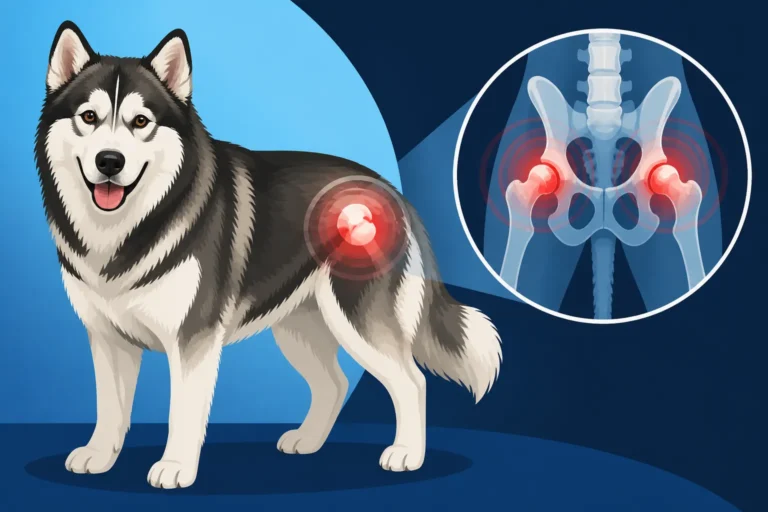
For a breed like the Alaskan Malamute, designed for hauling heavy loads across vast, often uneven, snowy terrain, joint health is paramount. Hip and elbow dysplasia are unfortunately common orthopedic conditions in many large breeds, including Malamutes. These conditions involve the abnormal development of the hip or elbow joints, leading to a loose fit, grinding, and eventually, painful arthritis. A Malamute with severe dysplasia might struggle to run, jump, or even walk comfortably, significantly impacting their quality of life and their ability to engage in activities like pulling, which they were born to do.
Screening for these conditions typically involves X-rays, often submitted to organizations like the Orthopedic Foundation for Animals (OFA) or using methods like PennHIP. OFA evaluates the X-rays and assigns a rating (Excellent, Good, Fair, Borderline, Mild, Moderate, or Severe) based on the degree of hip laxity and signs of degenerative joint disease. Similarly, elbows are graded for the presence and severity of dysplasia. It's critical that both parents have received passing clearances (Fair, Good, or Excellent for hips; Normal for elbows) before being bred. Remember, even dogs with "Fair" hips might still be good breeding candidates if carefully paired, but a responsible breeder will always strive for the best possible joint health in their lines. You can learn more about Hip Dysplasia in an Alaskan Malamute and how it impacts their powerful frame.
Ophthalmic Examination for Eye Diseases
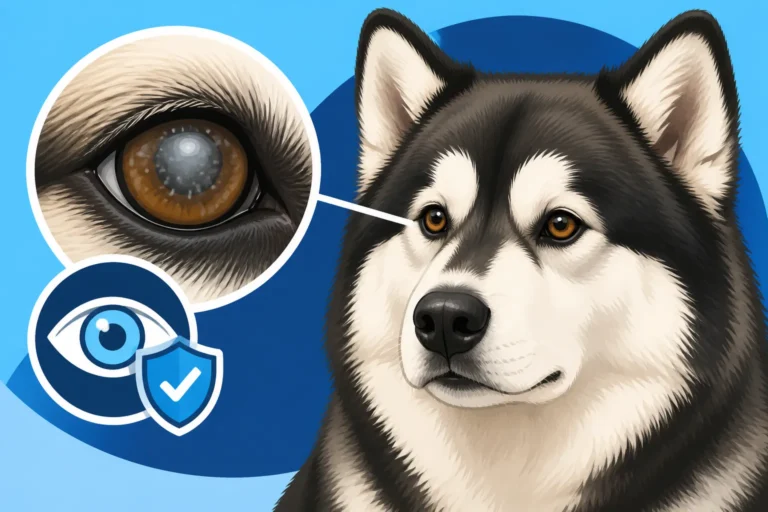
Your Malamute's eyes are not just windows to their beautiful soul; they are complex structures susceptible to several hereditary conditions. A comprehensive eye exam performed by a board-certified veterinary ophthalmologist (a specialist in animal eye care) is a crucial part of a breeding dog's health clearances. These specialists can detect subtle signs of inherited eye diseases that a general vet might miss.
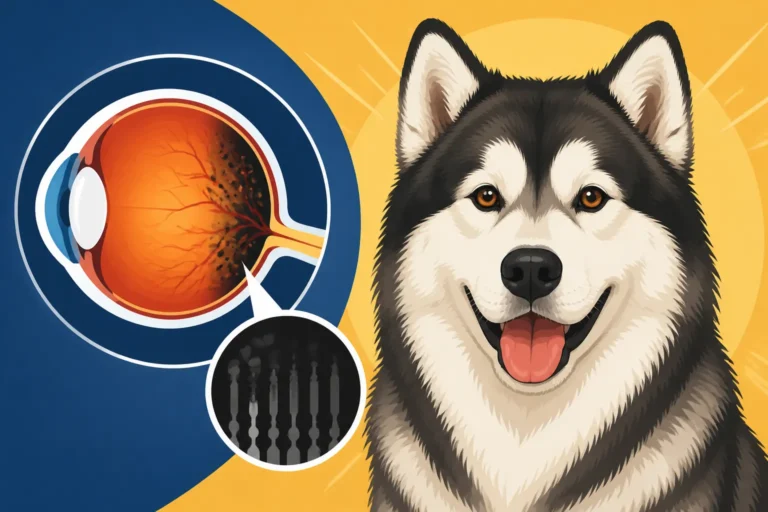
Common eye conditions of concern in Alaskan Malamutes include hereditary cataracts and progressive retinal atrophy (PRA). Cataracts involve clouding of the lens, which can impair vision, while PRA is a group of degenerative diseases that cause the cells of the retina to deteriorate over time, eventually leading to blindness. Although some forms of PRA have specific DNA tests, a general ophthalmic exam is still vital to catch other conditions. The results of these exams are often submitted to OFA's Eye Certification Registry (formerly CERF), which issues a certificate stating whether the dog is "Clear" of observable inherited eye disease. This certification should be renewed annually for breeding dogs, as some conditions can develop or progress with age. It's also wise to research Cataracts in an Alaskan Malamute to understand the nuances of this condition.
Genetic DNA Panel for Known Breed-Specific Diseases
In recent years, advancements in genetic testing have revolutionized responsible breeding, allowing breeders to identify carriers and affected dogs for specific inherited diseases that have a known genetic marker. For Alaskan Malamutes, there are three primary genetic diseases with readily available DNA tests that every breeding parent should undergo. These tests are usually done once in a dog's lifetime, as their genetic makeup doesn't change.
- Chondrodysplasia (Dwarfism): This is a genetic condition affecting bone and cartilage development, leading to disproportionate dwarfism. Affected dogs have significantly shorter, often bowed, legs, and can experience other health issues. It's an autosomal recessive condition, meaning a puppy must inherit a copy of the gene from both parents to be affected. If both parents are carriers, there's a 25% chance per puppy of being affected. A responsible breeder will use DNA testing to ensure that at least one parent in a breeding pair is "clear" of the gene, preventing the birth of affected puppies. Understanding What Chondrodysplasia Does to an Alaskan Malamute truly highlights the importance of this test.
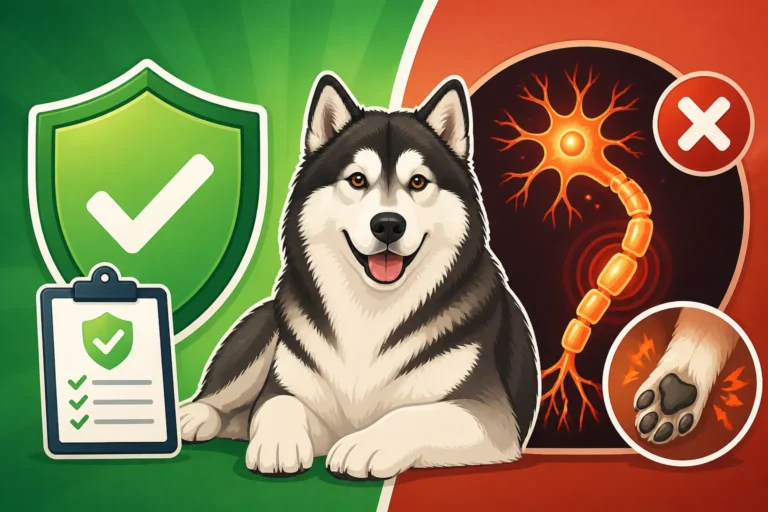
- Inherited Polyneuropathy: This is a neurological disorder that affects the peripheral nerves, leading to progressive weakness and lack of coordination. Affected Malamutes typically show signs around 10-18 months of age, including a high-stepping gait, difficulty balancing, exercise intolerance, changes in their bark, and eventually, sometimes even trouble breathing. Like chondrodysplasia, it's an autosomal recessive condition. The availability of The DNA Test That Finds Malamute Polyneuropathy means breeders have no excuse not to screen. Knowing What Inherited Polyneuropathy Does to a Malamute is crucial for any potential owner.
- Day Blindness (Cone Degeneration): Also known as Cone Degeneration, this inherited eye disease affects the cone cells in the retina, which are responsible for vision in bright light and color perception. Affected Malamutes are essentially "day blind," struggling to see in daylight but often navigating perfectly fine in low light or at night. Symptoms typically appear in puppyhood. This is another autosomal recessive condition, making DNA testing essential to prevent affected offspring. It's fascinating to learn What Day Blindness Does to a Malamute and how it impacts their world, and thankfully, The CNGB3 Test for Malamute Day Blindness has made it largely preventable.
Understanding the Results and Breeder Transparency
Getting a list of tests is one thing; understanding the results and what they mean for the puppy you hope to bring home is quite another. A truly responsible breeder will not only perform these tests but will also be completely transparent with the results and eager to explain them to you.
Interpreting Test Results and What They Mean for Breeding
For conditions like hip and elbow dysplasia, the OFA provides a public database where you can look up a dog's results by their registered name. For genetic DNA tests, results typically indicate one of three statuses for a particular gene:
- Clear: The dog does not have the gene mutation and cannot pass it on to offspring.
- Carrier: The dog carries one copy of the gene mutation but is not affected by the disease itself. They can pass the gene to their offspring.
- Affected: The dog has two copies of the gene mutation (for recessive conditions) and will develop or has developed the disease. They will pass one copy to all offspring.
For recessive conditions, a responsible breeder will never breed two carriers together, as this guarantees 25% of the litter will be affected. They might, however, breed a "clear" dog with a "carrier" dog. In this scenario, while none of the puppies will be affected by the disease, approximately 50% will be carriers. This strategic breeding allows valuable dogs with excellent other qualities (temperament, structure, working ability) to contribute to the gene pool without producing affected puppies, thus retaining genetic diversity. It's a nuanced approach that highlights the complexity and responsibility of ethical breeding.
Why Transparency from Breeders is Non-Negotiable
This is where your detective hat comes on! Any breeder who hesitates to show you actual, verifiable health clearances for both parents should raise a huge red flag. It's not enough for them to simply say, "Oh yes, they're tested." You need to see the proof. This proof often comes in the form of official certificates from OFA, copies of DNA test results from reputable laboratories like those offered by Paw Print Genetics or Embark.
This transparency isn't just a nicety; it's the foundation of trust. A breeder who proudly displays their health clearances is demonstrating their commitment to the health of their dogs and puppies, and to you, the prospective owner. It shows they have nothing to hide and are confident in the health of their lines. Thinking ahead, if you choose to insure your future Malamute with a provider like Healthy Paws, having these documented health clearances can offer peace of mind, demonstrating a proactive approach to your dog's well-being from the very beginning. Knowing your dog's genetic predispositions helps you prepare for their care and any potential needs, aligning with the comprehensive mindset often associated with pet insurance decisions.
How to Verify Health Clearances
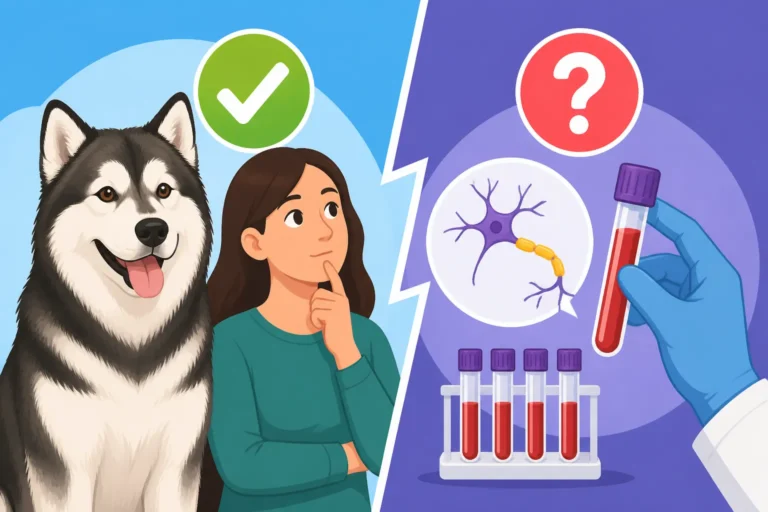
Empower yourself by knowing how to confirm these clearances. For OFA certifications (hips, elbows, eyes, patellas, cardiac), you can often go directly to the OFA website and search their public database by the dog's registered name or registration number. This allows you to independently verify the results. For genetic DNA tests, ask for copies of the actual lab reports. These reports typically list the dog's registered name, microchip number, and the results for each specific genetic disease tested.
Don't be afraid to ask for these documents; it's your right as a discerning buyer to ensure you're getting a healthy puppy from a responsible source. A truly ethical breeder will welcome your questions and be happy to walk you through the results. In fact, many will have these documents organized and ready for prospective buyers. When you're considering a puppy, asking Whether a Malamute Buyer Can See the Breeder's Results is not just acceptable, it's absolutely necessary. This diligence helps ensure you avoid supporting unscrupulous breeders who might cut corners, ultimately contributing to a healthier future for the Alaskan Malamute breed.
Key Health Tests for Alaskan Malamute Parents
Here's a quick summary of the crucial health tests every Alaskan Malamute parent should have:
| Health Test | Condition Screened For | Testing Method/Registry (Examples) | Inherited Pattern (if applicable) |
|---|---|---|---|
| Hip Dysplasia | Hip joint malformation | OFA (Orthopedic Foundation for Animals), PennHIP | Polygenic (complex) |
| Elbow Dysplasia | Elbow joint malformation | OFA (Orthopedic Foundation for Animals) | Polygenic (complex) |
| Ophthalmic Exam | Hereditary Eye Diseases (e.g., Cataracts, PRA) | ACVO Ophthalmologist Exam (OFA Eye) | Varies (often recessive) |
| DNA Test: Chondrodysplasia | Dwarfism | Lab-specific DNA test (e.g., Embark, Paw Print Genetics) | Autosomal Recessive |
| DNA Test: Polyneuropathy | Neurological disorder affecting gait, voice, breathing | Lab-specific DNA test (e.g., Embark, Paw Print Genetics) | Autosomal Recessive |
| DNA Test: Day Blindness | Cone Degeneration (day blindness) | Lab-specific DNA test (e.g., Embark, Paw Print Genetics) | Autosomal Recessive |
Ultimately, investing in a puppy from parents with full health clearances is one of the best ways to ensure your Alaskan Malamute gets the healthiest start in life. It reflects a breeder's true dedication to their dogs and to the future of this magnificent breed.
Disclaimer
This article is for general informational purposes only and does not constitute professional advice. Laws, prices and regulations vary by location and change over time. Consult a qualified professional for guidance on your specific situation.