Whether a Malamute Health Guarantee Covers Polyneuropathy
Bringing home an Alaskan Malamute puppy is often filled with immense joy and anticipation, but beneath that excitement, many prospective owners harbor a quiet worry about their new companion's long-term health. The concern about inherited diseases, especially conditions like polyneuropathy, can be a heavy one. This guide will thoroughly explore what health guarantees typically entail when it comes to Alaskan Malamutes, specifically addressing whether inherited polyneuropathy is usually covered, and what steps you can take to protect yourself and your furry family member.
Understanding Health Guarantees for Alaskan Malamutes
When you purchase a purebred Alaskan Malamute from a breeder, you'll often be presented with a health guarantee or a sales contract that includes health clauses. This document is meant to provide a measure of reassurance, but understanding its true scope is critical, especially with a breed prone to certain genetic conditions.
What is a Health Guarantee, Really?
At its core, a health guarantee is a breeder's commitment regarding the health status of the puppy at the time of sale, and sometimes, for a specified period afterward. It's not a blanket promise against all future ailments, but rather a formal agreement outlining specific responsibilities the breeder will uphold if certain health issues arise. For many new owners, it feels like a safety net, a sign that the breeder stands behind their puppies. It often covers immediate concerns, like ensuring the puppy is free of parasites, common infections, and appears healthy upon leaving for its new home.
However, the definition and extent of these guarantees can vary wildly from one breeder to another. Some are very comprehensive, reflecting a deep commitment to the breed's health, while others are quite minimal, covering only the first few days or weeks. It’s crucial to remember that this isn't a standardized document across the board; each breeder crafts their own, which means diligent review is always in order. A good breeder will be transparent about their guarantee and willing to discuss every clause in detail.
The Fine Print: What Most Guarantees Cover (and Don't)
Most health guarantees will specify a short window, perhaps 48 to 72 hours, for the puppy to be vet-checked by the new owner. During this initial period, if the vet finds any acute, serious health problem, the guarantee might offer a full refund or a replacement puppy. Beyond this initial period, things become more nuanced. Many guarantees then transition to covering specific genetic or congenital conditions, but usually for a limited time frame, such as one or two years. Conditions like severe hip dysplasia, certain eye diseases, or heart defects might be listed.
What often gets overlooked in the excitement of puppyhood are the exclusions. Guarantees rarely cover common puppy ailments like kennel cough or giardia, which can be easily picked up. More importantly, they often have specific clauses about what isn't covered, or what voids the guarantee, such as not feeding a specified diet, failing to provide regular veterinary care, or even allowing the dog to become overweight. Understanding these limitations is just as important as knowing what is covered. It's a delicate balance, as some breeders are genuinely trying to ensure proper care, while others might inadvertently create loopholes that make it difficult for owners to claim support.
Delving into Inherited Polyneuropathy in Alaskan Malamutes
Alaskan Malamutes, while generally robust dogs, are susceptible to a few inherited conditions that can significantly impact their quality of life. Inherited polyneuropathy is one such condition that can cause real distress for both the dog and its loving family.
What is Inherited Polyneuropathy?
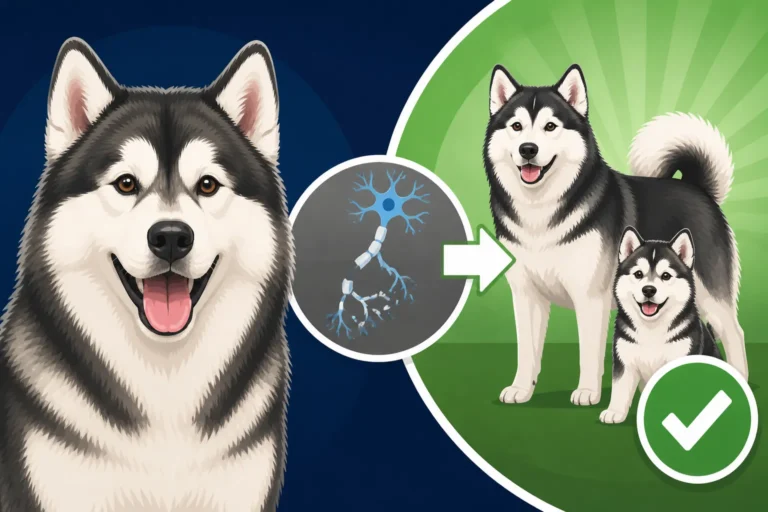
Inherited polyneuropathy is a neurological disorder affecting the peripheral nerves in Alaskan Malamutes. These are the nerves outside the brain and spinal cord, responsible for transmitting signals to and from the muscles. When these nerves don't function correctly, it leads to a progressive weakness and loss of muscle control. The condition can manifest in various ways, from a subtle change in gait to severe mobility issues. Typically, symptoms begin to appear in young adult Malamutes, often between one and two years of age. Owners might first notice a slight clumsiness, or an altered bark, as the nerves controlling the larynx can also be affected.
As the disease progresses, the dog's hind limbs often become weak, leading to a high-stepping gait as they struggle to lift their feet. They may stumble more frequently and experience muscle atrophy, particularly in their hindquarters. It's a heartbreaking situation to witness your strong, active Malamute gradually lose its ability to move freely and enjoy life. For a deeper understanding of this condition, you might want to read our article on What Inherited Polyneuropathy Does to a Malamute. This condition is also one of the reasons why understanding Why a Malamute Shows Nothing Until It Cannot Work is so important, as early signs can be subtle.
The Genetic Basis and Testing for Polyneuropathy
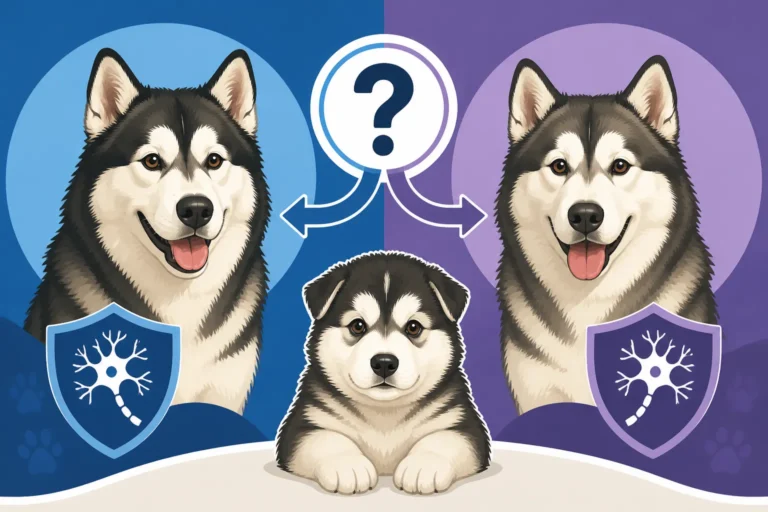
The good news is that inherited polyneuropathy in Alaskan Malamutes is caused by a specific genetic mutation, and it is inherited in an autosomal recessive manner. This means a puppy must inherit two copies of the defective gene—one from each parent—to develop the disease. Dogs with one copy of the gene are carriers; they won't develop the disease themselves but can pass it on to their offspring. This knowledge is incredibly powerful for responsible breeders.
Thanks to advancements in canine genetics, a DNA test is available to identify affected, carrier, and clear dogs. This test is a game-changer for eradicating the disease from the Malamute gene pool. Responsible breeders routinely test their breeding stock to ensure they are not inadvertently producing affected puppies. By testing, breeders can make informed decisions about pairings, ideally never breeding two carriers together, which would result in 25% of the litter being affected. You can learn more about this crucial tool in our guide, The DNA Test That Finds Malamute Polyneuropathy. The existence of such a test profoundly impacts the discussion of health guarantees, shifting the focus from simply reacting to disease to proactively preventing it. You might also be interested in knowing How Common Polyneuropathy Is in Alaskan Malamutes.
Do Health Guarantees Explicitly Cover Polyneuropathy?
This is the million-dollar question for many prospective Malamute owners. The answer, unfortunately, is not a simple yes or no, as it heavily depends on the individual breeder and the specifics of their contract.
Breeder Practices and Guarantee Specificity
In the landscape of Alaskan Malamute breeding, the coverage of polyneuropathy in health guarantees varies considerably. A truly responsible and ethical breeder, who actively tests their breeding stock for inherited polyneuropathy, will almost certainly include clear language about it in their health guarantee. They understand the financial and emotional burden this disease places on owners, and they use the DNA test as a tool to ensure their puppies are either clear or, at most, carriers from a clear parent. For such breeders, a diagnosis of polyneuropathy in a puppy they produced would be a significant concern, and their guarantee would likely offer recourse, such as a refund, a replacement puppy, or assistance with veterinary costs.
However, not all breeders are equally diligent. Some smaller or less experienced breeders may not be aware of the specific DNA test for polyneuropathy, or they might choose not to test due to cost or a lack of understanding of its importance. In these cases, their health guarantee might be more generic, covering "life-threatening genetic conditions" without explicitly naming polyneuropathy. This ambiguity can create significant problems if a diagnosis is made, as the owner might have to argue whether polyneuropathy qualifies under the guarantee's general terms. It's always a red flag if a breeder is evasive or dismissive when asked directly about polyneuropathy testing and coverage.
The Importance of DNA Testing and Documentation
To truly understand whether a Malamute health guarantee covers polyneuropathy, you need to look beyond the general statements and ask for specifics. The most important step you can take is to ask for documentation of parental health screenings. A responsible breeder will readily provide proof that both parent dogs have been DNA tested for polyneuropathy and are clear or, at minimum, that one parent is clear and the other is a carrier. This ensures that no affected puppies can be produced. It’s also wise to inquire about The Health Tests Both Alaskan Malamute Parents Should Have beyond just polyneuropathy.
If the breeder’s guarantee specifically states that polyneuropathy is covered, and you have documented proof of the parents' clear status, you're in a much stronger position. If the guarantee is vague, or if the breeder hasn't tested their dogs, then the guarantee's coverage for polyneuropathy becomes highly questionable. Always get everything in writing, and don't hesitate to ask for copies of the parent dogs' genetic test results. You should absolutely insist on this before putting down a deposit. Our article, Whether a Malamute Buyer Can See the Breeder's Results, provides more insight into this crucial aspect of puppy buying. Also, look into Whether a Malamute Breeder Should Publish DNA Results to understand best practices.
Here's a quick comparison of what you might find in different types of health guarantees:
| Feature/Condition | Generic Health Guarantee (Less Specific) | Specific Genetic Health Guarantee (Responsible Breeder) |
|---|---|---|
| Initial Vet Check | Covers 48-72 hours post-purchase for acute illness | Same, often includes first deworming/vaccination |
| Genetic Conditions | "Life-threatening genetic defects" (vague) | Explicitly lists conditions like Hip Dysplasia, Polyneuropathy, Day Blindness, etc. |
| Polyneuropathy (IPN) | May or may not be considered "life-threatening" enough to be covered; often ambiguous. | Explicitly listed and guaranteed clear or only carrier-bred. |
| Duration of Coverage | 1-2 years for "life-threatening" conditions | 2-5 years, sometimes longer, for specified genetic diseases. |
| Parental DNA Testing | Not always mentioned or provided | Proof of parental DNA testing (clear/carrier status) for IPN and other diseases is provided. |
| Recourse for IPN | Highly dependent on interpretation and breeder's discretion. | Clear terms for refund, replacement, or veterinary cost assistance. |
| Other Conditions | Might cover common issues like severe hip dysplasia. | Often covers a broader panel of known Malamute genetic issues. See Whether a Malamute's Three Diseases Appear Together for related conditions. |
Navigating a Diagnosis: What to Do if Your Malamute Has Polyneuropathy
Discovering your beloved Alaskan Malamute has inherited polyneuropathy is devastating. It brings with it not only emotional pain but also practical challenges, particularly regarding veterinary care and financial implications.
Communicating with Your Breeder
If your Malamute receives a confirmed diagnosis of inherited polyneuropathy, your first step should be to review your health guarantee carefully. Note all clauses pertaining to genetic conditions, the timeframe for claims, and the required documentation. Next, contact your breeder. An ethical and responsible breeder will want to know about a diagnosis of an inherited disease they tested against, as it impacts their breeding program and reputation. Provide them with all the necessary veterinary records, including the diagnosis, genetic test results for your dog, and treatment plans.
Be prepared for a range of responses. A truly responsible breeder will likely honor their guarantee, whether that involves offering financial assistance for veterinary care, a partial refund, or a replacement puppy from a future, carefully planned litter. They understand What the Malamute Polyneuropathy Test Costs and the expense of managing the condition. They view this as part of their commitment to the breed. Unfortunately, some breeders might be less cooperative, especially if their guarantee was vague or if they didn't perform proper genetic testing. In such cases, you might face an uphill battle, but having all your documentation in order will strengthen your position. Sometimes, legal recourse might be an option, but it's often a costly and emotionally draining path.
Financial Considerations and Pet Insurance
Caring for an Alaskan Malamute with inherited polyneuropathy can be financially demanding. While some forms of the disease are progressive and ultimately terminal, managing symptoms and maintaining quality of life can involve ongoing veterinary visits, medication, physical therapy, and even specialized equipment to aid mobility. These costs can quickly add up, creating additional stress for owners already coping with their dog's illness.
This is where comprehensive pet insurance can be a lifesaver, even if a health guarantee falls short. Providers like Healthy Paws offer coverage for unexpected illnesses and accidents, and while they might not cover pre-existing conditions, a policy taken out when your Malamute is young and healthy could cover the costs associated with a later diagnosis of polyneuropathy, assuming it wasn't present or diagnosed before enrollment. It's crucial to understand the specifics of any pet insurance policy, including waiting periods and what constitutes a pre-existing condition. Many owners find peace of mind knowing they have a financial safety net in place for unforeseen health challenges, particularly since some insurers might have clauses about Whether an Insurer Excludes Malamute Inherited Disease. Planning for the unexpected is a huge part of being a responsible Malamute owner, allowing you to focus on providing the best possible care for your beloved companion, even as they age, as discussed in Caring for an Alaskan Malamute Past Eight.
Disclaimer
This article is for general informational purposes only and does not constitute professional advice. Laws, prices and regulations vary by location and change over time. Consult a qualified professional for guidance on your specific situation.