Whether Malamute Polyneuropathy Is Being Bred Out
The heartbreak of watching a beloved Alaskan Malamute stumble, weaken, and lose its vitality due to a debilitating inherited condition like polyneuropathy is a pain no owner should ever have to endure. This genetic disorder, which can dramatically impact a dog's nervous system, has long cast a shadow over our magnificent breed. For years, the question has loomed: are we truly making progress in eradicating Malamute polyneuropathy, or is it a battle we're still fighting uphill? This guide will dive deep into the concerted efforts, scientific advancements, and ongoing challenges in breeding out this difficult disease, offering insight and hope for the future.
Understanding Alaskan Malamute Polyneuropathy
Alaskan Malamute polyneuropathy, often referred to simply as inherited polyneuropathy or AMPN, is a devastating neurological disorder specific to our beloved breed. It's not something that just pops up out of nowhere; it's an inherited condition that impacts the peripheral nerves, which are those responsible for sending signals from the brain and spinal cord to the rest of the body, like muscles. When these nerves don't work correctly, it leads to a progressive loss of muscle control and sensation.
The Subtle Onset and Devastating Progression
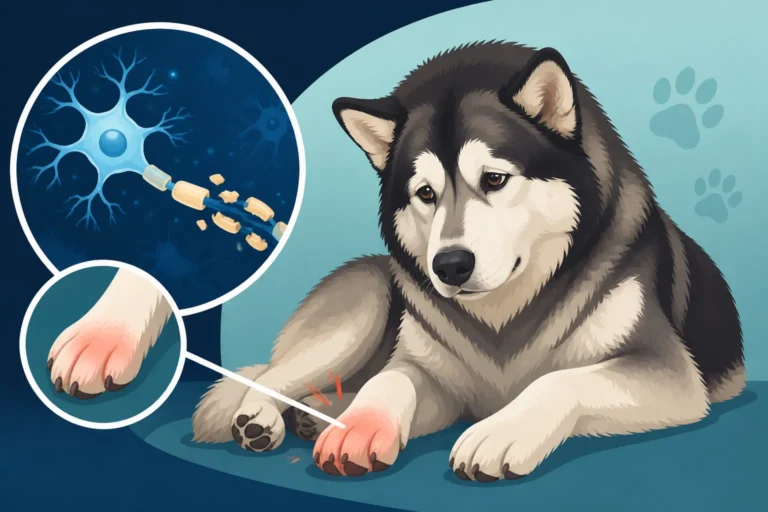
One of the most insidious aspects of AMPN is its subtle onset. Owners often describe noticing a slight change in their dog's gait or a general weakness that they might initially dismiss as a minor injury or just an off day. Typically, the first signs appear when a Malamute is between 10 and 18 months of age, which is truly heartbreaking because this is when they're bursting with adolescent energy and zest for life. A puppy might start to stumble more often, especially on uneven terrain, or struggle to get up after lying down. You might notice them developing a high-stepping gait, almost like they're trying to clear invisible hurdles, as they lose proprioception – the sense of where their limbs are in space.
As the disease progresses, these initial subtle signs become much more pronounced. The weakness can affect all four limbs, making it incredibly difficult for the dog to stand, walk, or even maintain balance. Some Malamutes develop an awkward, wide stance to try and compensate, or their legs might cross when they try to move. Imagine the frustration and fear for a dog that was born to run and pull, now finding its own body betraying it. This profound weakness can lead to muscle atrophy, where the muscles waste away from lack of use, making the dog even weaker. We've seen cases where dogs struggle with tasks as simple as eating or drinking because holding their head up or coordinating movements becomes too much. The progression can be gradual over several months, or it can seem to accelerate rapidly, leaving owners scrambling to understand what's happening.
How Polyneuropathy Affects a Malamute's Quality of Life
The impact of inherited polyneuropathy on a Malamute's quality of life is profound and heartbreaking. Beyond the physical debilitation, there are other significant issues. Many owners report a change in their Malamute's bark; it might become hoarse or soft, almost like a whisper, as the nerves supplying the larynx are affected. You can read more about this in our article, Why a Malamute's Bark Changes With Polyneuropathy. This isn't just a cosmetic issue; it can indicate involvement of the laryngeal nerves, which are critical for protecting the airway during swallowing.
In more severe cases, the laryngeal paralysis can become life-threatening. Dogs may have difficulty breathing, especially during exercise or excitement, and there's an increased risk of aspiration pneumonia if food or water enters the lungs. The prospect of a once-vibrant, active Malamute being unable to breathe normally or experiencing constant choking is truly terrifying. This leads to immense distress for both the dog and its family. The decision of whether a Malamute with polyneuropathy should be euthanized is one of the hardest choices an owner can face, often coming after prolonged struggle and a desperate search for answers and relief. The cost of managing these advanced stages can be immense, both emotionally and financially, highlighting the urgent need for preventative measures through responsible breeding.
The Pivotal Role of Genetic Testing
For too long, inherited polyneuropathy was a mysterious, devastating condition that left breeders and owners helpless. It was a genetic lottery, with no way to predict which pairings would produce affected puppies until the symptoms tragically appeared. Thankfully, science has provided a powerful tool: the DNA test. This has fundamentally changed how we approach this disease and offers genuine hope for its eventual eradication.
The Polyneuropathy DNA Test: A Game-Changer
The development of a specific DNA test for Alaskan Malamute Polyneuropathy has been nothing short of revolutionary. Before this test, breeders were effectively blind, relying only on observation of offspring and pedigrees, which often meant multiple generations were unknowingly carrying or producing affected dogs. Now, with a simple cheek swab or blood sample, a dog's genetic status for AMPN can be determined with high accuracy at any age, even before breeding. This test identifies specific genetic mutations linked to the disease. You can find more details in our guide, The DNA Test That Finds Malamute Polyneuropathy.
This means no more waiting for symptoms to emerge, no more guessing. Breeders can now make truly informed decisions, ensuring that no puppy is ever born with this debilitating condition if proper testing protocols are followed. This proactive approach saves countless puppies from suffering and spare families the profound grief and financial strain associated with managing a progressively debilitating illness. It's a testament to dedicated research and the breed community's commitment to health.
Identifying Carriers and Affected Dogs
The DNA test categorizes Malamutes into three distinct genetic statuses:
- Clear: These dogs do not carry the gene mutation for polyneuropathy and cannot pass it on to their offspring. They will never develop the disease themselves.
- Carrier: These dogs carry one copy of the gene mutation but will not develop polyneuropathy themselves. However, they can pass the gene to 50% of their offspring if bred. Our article, Whether a Carrier Malamute Shows Any Signs, explains why these dogs appear perfectly healthy.
- Affected: These dogs have two copies of the gene mutation (one from each parent) and will develop polyneuropathy, usually manifesting symptoms between 10 to 18 months of age.
This understanding of genetic status is absolutely critical for responsible breeding. It's a recessive gene, meaning a dog needs two copies to be affected. This means Whether Both Malamute Parents Must Carry Polyneuropathy to produce an affected puppy. If you breed a Clear dog to a Carrier, none of the puppies will be affected, but 50% will be carriers. If you breed two Carriers, 25% of the puppies are likely to be Clear, 50% Carriers, and 25% Affected.
Making Informed Breeding Decisions
Armed with DNA test results, responsible breeders can strategically plan pairings to avoid producing affected puppies. The goal is to gradually reduce the number of carriers in the gene pool while maintaining genetic diversity. Here's a breakdown of breeding scenarios:
| Parent 1 (Status) | Parent 2 (Status) | Expected Offspring Status | Implications |
|---|---|---|---|
| Clear | Clear | 100% Clear | Ideal for eliminating the gene. |
| Clear | Carrier | 50% Clear, 50% Carrier | No affected puppies. Carriers can be bred to Clear dogs. |
| Clear | Affected | 100% Carrier | No affected puppies. All offspring are carriers. |
| Carrier | Carrier | 25% Clear, 50% Carrier, 25% Affected | Avoid this pairing to prevent affected puppies. |
| Carrier | Affected | 50% Carrier, 50% Affected | Avoid this pairing to prevent affected puppies. |
| Affected | Affected | 100% Affected | Absolutely avoid this pairing. |
This table clearly illustrates the power of the DNA test. By rigorously testing all breeding stock, breeders can ensure that no affected puppies are ever produced. It’s an ethical imperative for anyone planning to breed Alaskan Malamutes. Prospective buyers have every right to ask for proof of testing; in fact, it's a non-negotiable step in finding a healthy puppy. Knowing Whether a Malamute Buyer Can See the Breeder's Results is crucial for making an informed decision about your future companion.
Current Breeding Practices and Challenges
The existence of a DNA test is a massive step forward, but the actual process of breeding out an inherited disease from a population as widespread as Alaskan Malamutes comes with its own set of complexities and challenges. It requires unwavering commitment from breeders, open communication, and a careful balance of priorities to ensure the overall health and vitality of the breed are maintained.
Responsible Breeding: A Moral Imperative
For ethical and responsible Alaskan Malamute breeders, DNA testing for polyneuropathy is now standard practice, much like hip and eye certifications. It's no longer an option but a moral imperative. These breeders understand that their role extends beyond producing beautiful puppies; it's about safeguarding the future health of the breed. They will always test their breeding dogs and choose pairings that ensure no affected puppies are born. They're transparent about their dogs' genetic status and educate prospective owners about AMPN. This dedication ensures that the beautiful traits we love in Malamutes aren't overshadowed by preventable suffering.
A truly responsible breeder won't hesitate to share the health clearances for both parents, including the AMPN DNA test results, as well as OFA or PennHIP results for hips, and CERF eye clearances. Our guide on The Health Tests Both Alaskan Malamute Parents Should Have provides a comprehensive list of what to look for. These breeders often work closely with their veterinarians and geneticists to interpret results and make the best decisions. They see the financial investment in testing as a small price to pay for the long-term health and happiness of their dogs and the families who adopt them. It's not just about one litter; it's about the lineage.
Navigating the Genetic Pool: Balancing Health and Diversity
While the goal is ultimately to eliminate the polyneuropathy gene, simply removing all carrier dogs from the breeding pool immediately isn't always the best or most responsible approach. The Alaskan Malamute breed, like many purebreds, already has a relatively small gene pool. If we were to remove every carrier dog at once, especially if those carriers possess other desirable traits like excellent temperament, conformation, or working ability, it could inadvertently lead to a reduction in genetic diversity. This reduction could, in turn, make the breed more susceptible to other genetic issues down the line or create an overreliance on a very limited number of bloodlines.
The more strategic approach, adopted by many responsible breeders and recommended by veterinary geneticists, is a carefully managed breeding program. This involves breeding carriers only to clear dogs. This way, no affected puppies are produced, and the beneficial traits of the carrier parent are preserved, allowing for the gradual replacement of carriers with clear offspring over generations. This method slowly dilutes the gene out of the population while maintaining important characteristics of the breed. It’s a delicate balancing act, requiring breeders to consider temperament, health clearances beyond AMPN, structure, and genetic diversity with every breeding decision. This commitment to the breed's overall well-being is why you see reputable breeders being very thoughtful about their pairings.
The Community Effort: Breeder Cooperation
The success of breeding out a genetic disease like polyneuropathy relies heavily on open communication and cooperation within the Alaskan Malamute community. Breeders need to share information, not just about their clear dogs, but also about their carriers, so others can make informed decisions. This collaborative spirit helps everyone understand the prevalence of the gene in different bloodlines and guides strategic breeding. Breed clubs, like the Alaskan Malamute Club of America, play a crucial role in promoting health testing, educating their members, and sometimes even maintaining public lists of tested dogs.
Unfortunately, not all breeders are equally committed to health testing or transparency. There are still those who might not test, or who choose to withhold information, either due to ignorance, cost concerns, or a desire to sell puppies quickly. This lack of universal adherence to testing protocols remains a significant hurdle. Until all breeders are on board, the gene will continue to persist in some corners of the population. This is why prospective owners must be vigilant, asking direct questions about health testing and demanding to see documentation. Organizations like Healthy Paws, an animal insurance provider, highlight the importance of preventative care and genetic screening, recognizing that early detection and responsible breeding can significantly reduce lifelong health issues and associated costs. A commitment to transparency and ethical practices is what truly moves the needle forward for the entire breed.
The Future: Progress and Remaining Hurdles
While we've made incredible strides in understanding and managing Alaskan Malamute polyneuropathy, the journey to completely breed it out is ongoing. There's much to celebrate, but also important work still to be done.
Celebrating Successes and Acknowledging Setbacks
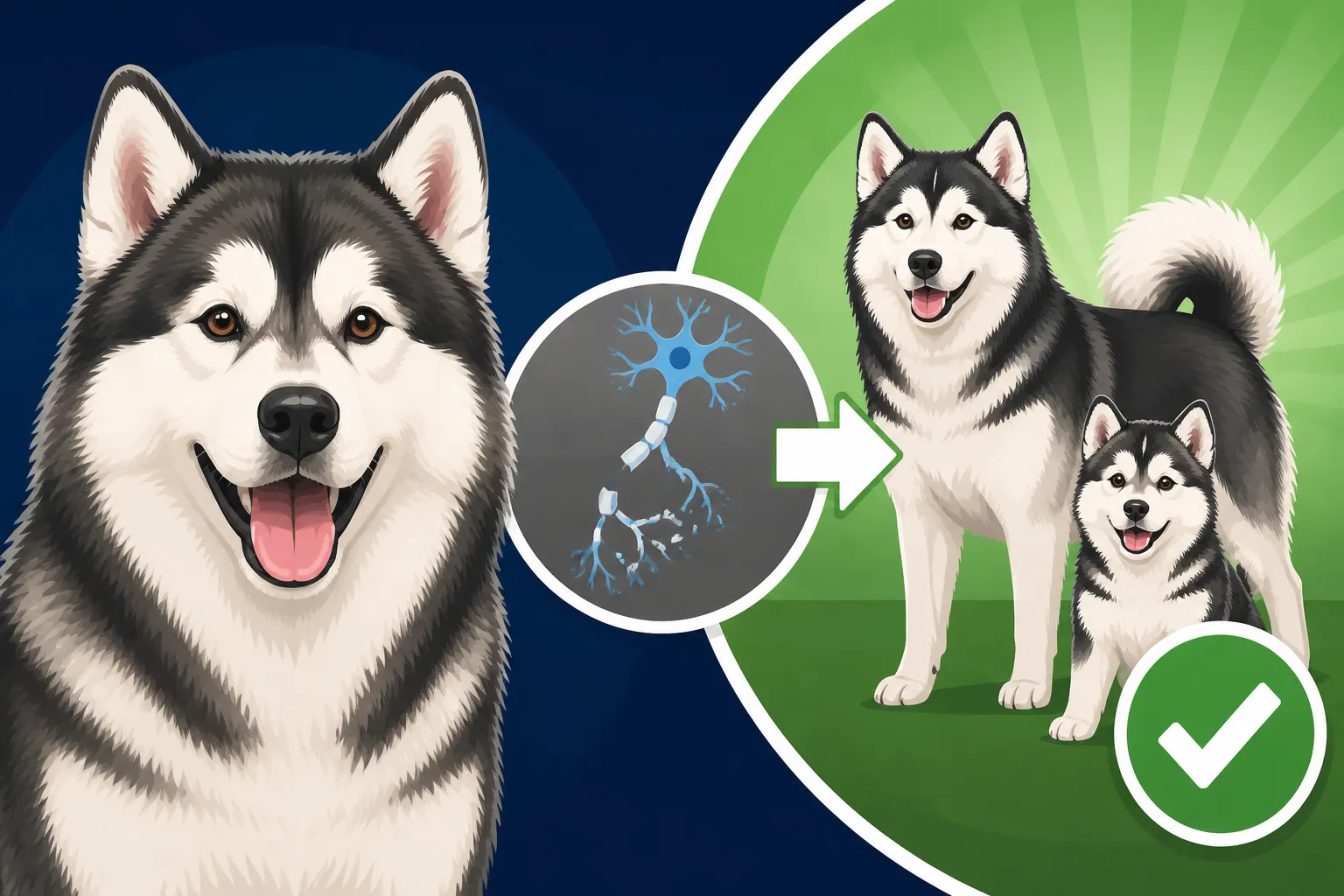
The biggest success story is undeniably the reduction in the number of affected Alaskan Malamutes being born. Thanks to the widespread adoption of the DNA test by reputable breeders, instances of puppies developing full-blown polyneuropathy have significantly decreased. This means fewer dogs are suffering, and fewer families are enduring the heartache that comes with this diagnosis. It’s a testament to the power of genetic science and the dedication of responsible individuals within the breed community. The progress made in the last decade is truly remarkable, changing the landscape from one of despair to one of cautious optimism.
However, the disease is not yet entirely eradicated. We still see cases, often stemming from breeders who are either unaware of the testing, choose not to test, or intentionally breed carriers to carriers. These setbacks are frustrating and remind us that education and vigilance are still paramount. Furthermore, while the DNA test prevents affected puppies, the presence of carrier dogs means the gene still exists in the population. It will take many generations of diligent, strategic breeding to truly minimize its prevalence without compromising other vital aspects of Malamute health and diversity. The balance is critical, and it means we cannot become complacent.
What Prospective Owners Can Do
If you're considering bringing an Alaskan Malamute into your home, you have a powerful role to play in supporting the efforts to breed out polyneuropathy. The most impactful action you can take is to choose your breeder very carefully. Always, and I mean always, ask for proof of genetic health testing for both parents of your prospective puppy. This includes the DNA test for polyneuropathy, along with hip, elbow, and eye clearances. Do not accept excuses or vague assurances. A reputable breeder will be proud to share these results.
Educate yourself on What Inherited Polyneuropathy Does to a Malamute so you understand the severity of the disease you're helping to prevent. Support breeders who are transparent and prioritize health over profit. Consider adopting from an Alaskan Malamute rescue; many rescues also implement health testing before placing dogs, which helps reduce the spread of genetic diseases and gives these wonderful dogs a second chance. While dealing with a rescue dog, it's always good to be prepared for potential health needs. Knowing that providers like Healthy Paws offer robust pet insurance plans can offer peace of mind when bringing any dog, especially a rescue, into your family, helping manage unexpected veterinary costs that can arise from genetic predispositions or other health issues. Your choice of where you get your Malamute directly impacts the future health of the breed.
The Ongoing Commitment to Eradication
The commitment to breeding out polyneuropathy is a long-term endeavor that requires continuous effort from all stakeholders. Researchers continue to monitor the gene pool, looking for any new insights or potential challenges. Breed clubs continue to advocate for mandatory health testing and provide resources for breeders and owners. And responsible breeders remain dedicated to their meticulous breeding programs, making informed decisions with each generation.
This collective effort, fueled by love for the Alaskan Malamute, is slowly but surely working towards a healthier future for the breed. While it may not be entirely "bred out" yet, the tools are in place, and the ethical framework is strong within the community committed to the health of these magnificent dogs. We're on the right track, and with continued vigilance and responsible choices, we can look forward to a future where inherited polyneuropathy is a rare whisper from the past, rather than a present threat.
Disclaimer
Please remember that the information provided in this article is intended for general informational purposes only and not as a substitute for professional veterinary advice. Always consult with a qualified veterinarian or veterinary specialist regarding any health concerns or before making any decisions about your pet's care or breeding plans.