The DNA Test That Finds Malamute Polyneuropathy
There's a unique heartache that comes with watching your robust, powerful Alaskan Malamute puppy start to stumble, or noticing a subtle change in their strong bark. It's a fear that something deeper, something genetic, might be at play. If you've ever worried about Inherited Polyneuropathy, this guide is here to demystify the DNA test that can provide crucial answers and peace of mind for you and your beloved companion.
Understanding Malamute Polyneuropathy: The Basics
It's truly heartbreaking to see a young Malamute, full of life and boundless energy, start to show signs of weakness. Inherited Polyneuropathy (often abbreviated as AMN or just Polyneuropathy) in Alaskan Malamutes isn't just a vague "nerve problem"; it's a specific, progressive neurological disorder that gradually affects the peripheral nerves. These nerves are vital for transmitting signals from the brain and spinal cord to the rest of the body, controlling movement and sensation. When these signals get interrupted or don't work correctly, the impact on your dog's mobility and quality of life can be significant and deeply distressing for any owner. It's a condition that truly impacts the daily function of these magnificent dogs.
What Exactly Is This Genetic Condition?
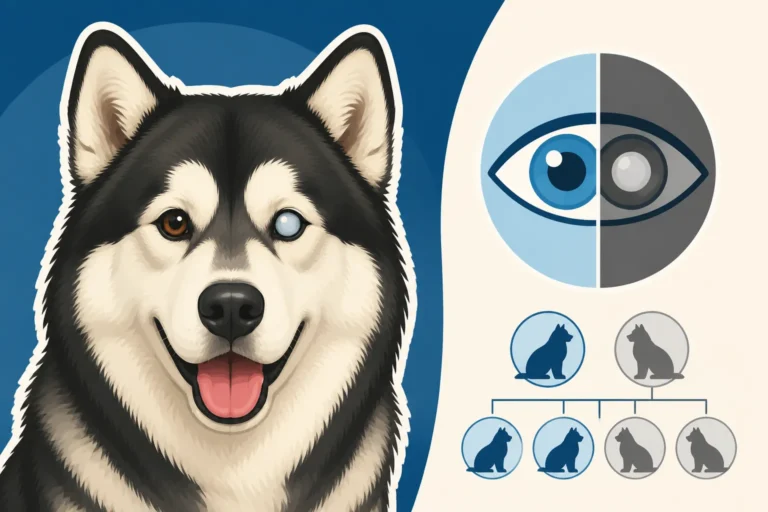
At its core, Malamute Polyneuropathy is an inherited genetic disease, meaning it's passed down from parents to their offspring. This isn't something that your dog catches like a cold or develops due to diet or environment. It’s caused by a specific genetic mutation, and for an Alaskan Malamute to be affected, they must inherit two copies of this faulty gene – one from each parent. Dogs with only one copy are considered carriers; they won't show symptoms themselves but can pass the gene on. This recessive inheritance pattern makes the disease particularly insidious because carriers look and act perfectly healthy, unknowingly perpetuating the gene in the breed. Understanding this genetic basis is the first step in truly grasping the nature of the challenge we face with this condition. You can read more about what inherited polyneuropathy does to a Malamute to get a full picture.
Recognizing the Subtle, Heartbreaking Signs
The frustrating thing about polyneuropathy is how varied and subtle the initial symptoms can be, making it easy to miss or misdiagnose in its early stages. Often, owners first notice a change in gait, perhaps a slight clumsiness or an uncoordinated walk, especially in the hind limbs. You might observe your Malamute puppy tripping constantly, which can be alarming to witness. As the disease progresses, muscle weakness becomes more apparent, leading to difficulty standing, walking, or even eating. Some owners report a change in their Malamute's bark, often becoming hoarse or weaker, which is a tell-tale sign of laryngeal paralysis, a common complication due to nerve damage. The age polyneuropathy appears in a Malamute can vary, but it often starts manifesting around 1 to 2 years of age, hitting them just as they’re entering their prime. These subtle, yet progressive, changes are truly heartbreaking for anyone who loves their Malamute.
The Frustrating Progression of the Disease
The progression of Inherited Polyneuropathy is, unfortunately, a journey that usually only gets worse for affected dogs. What might start as mild weakness can develop into severe muscle atrophy, making even simple tasks like climbing stairs or getting up from a lying position incredibly difficult. The nerve damage can also affect the muscles involved in breathing and swallowing. You might wonder whether a polyneuropathy Malamute can breathe normally, and sadly, as the disease progresses, they may experience labored breathing, increased respiratory effort, and even choke on food or water. This secondary impact on vital functions is what makes this condition so devastating and requires careful management and support for affected dogs. While some dogs might have periods of stability, the overall trend is often one of gradual decline, posing immense challenges for their human companions.
Why the DNA Test is a Game-Changer for Malamutes
For years, breeders and owners faced the agonizing uncertainty of polyneuropathy. The disease would strike seemingly out of nowhere, leaving families devastated and breeders scratching their heads, wondering how to prevent it. But then came the DNA test, a true beacon of hope. This simple test transformed the landscape of Malamute health, shifting the approach from reactive management of symptoms to proactive prevention. It put power back into the hands of responsible breeders and worried owners, allowing them to make informed decisions that protect the future of the breed. This is why the DNA test isn't just a lab procedure; it's a critical tool for preserving the health and vitality of our beloved Malamutes.
Stopping the Spread: Identifying Carriers
The most profound impact of the DNA test lies in its ability to identify carriers. Remember, carriers don't show any symptoms of polyneuropathy themselves. They lead full, healthy lives, but they carry one copy of the mutated gene and can pass it on to their offspring. Before the DNA test, there was no way to distinguish a carrier from a clear dog just by looking at them. This meant that seemingly healthy dogs could inadvertently produce affected puppies if bred with another carrier. The test allows breeders to identify these silent carriers, preventing unsuspecting pairings that could lead to affected puppies. This knowledge is paramount for making ethical breeding choices and ensuring that fewer Malamutes have to suffer from this debilitating condition. It truly helps to answer the question of whether a carrier Malamute shows any signs, which is a resounding "no" until you test.
Empowering Owners and Breeders with Knowledge
The DNA test offers invaluable knowledge for both current owners and prospective puppy buyers. For current owners, knowing your dog's status, especially if they are a carrier, means you can make informed decisions about their future, including if you ever consider breeding them. For prospective puppy buyers, asking to see DNA test results for both parents is no longer a luxury, but a necessity. It empowers you to choose a puppy with confidence, knowing you're significantly reducing the risk of bringing home a dog that might develop this heartbreaking condition. This transparency in breeding practices fosters trust and helps ensure that the beautiful Alaskan Malamute breed thrives for generations to come. Having access to this information truly is a powerful tool for responsible dog ownership.
How to Get Your Malamute Tested: A Step-by-Step Guide
Getting your Alaskan Malamute tested for polyneuropathy is a surprisingly straightforward process, thankfully designed to be as stress-free as possible for both you and your dog. You don't need a vet visit just for the sample collection, though your vet can certainly help if you prefer. Most of the process involves a simple cheek swab done in the comfort of your own home, making it accessible to owners everywhere. It's a small investment of time and effort that yields invaluable information about your dog's genetic health.
Collecting a Simple, Stress-Free Sample
The beauty of genetic testing for polyneuropathy is the simplicity of sample collection. In most cases, it involves a buccal swab – essentially, gently rubbing a sterile cotton swab along the inside of your dog's cheek for a minute or so. You'll receive a kit from the testing lab with clear instructions and the necessary swabs. It's important to make sure your dog hasn't eaten, nursed, or chewed on toys for at least an hour before swabbing to ensure a clean DNA sample, free of food residue that could contaminate the results. Many owners find it easiest to do this when their dog is relaxed, perhaps after a quiet cuddle or while they're unwinding. This low-stress method means you can easily perform the collection yourself. Remember, whether a Malamute owner can order the polyneuropathy test is generally yes – many reputable labs offer direct-to-consumer testing.
What Happens at the Lab: Science in Action
Once you've collected the samples, you simply mail them back to the chosen genetic testing laboratory. This is where the real science happens! Lab technicians will extract DNA from the cells collected on the swabs. Using advanced molecular biology techniques, they will then analyze this DNA specifically for the known genetic mutation associated with Alaskan Malamute Polyneuropathy. This process is highly accurate and involves looking for the specific markers that indicate a "clear," "carrier," or "affected" status. While it sounds complex, it's a routine procedure for specialized canine genetic labs, ensuring reliable results that you can trust. The process usually takes a few weeks, and then you'll receive a detailed report outlining your Malamute's genetic status. Companies like Embark, for example, offer comprehensive genetic panels that include this test alongside many others, making it convenient.
Deciphering the Results: Clear, Carrier, or Affected?
Receiving your Malamute's DNA test results can feel like opening a report card – a mix of anticipation and a little anxiety. But understanding what those results actually mean is key to acting responsibly. The language used is pretty standard across all genetic tests for recessive conditions, so once you grasp these terms, you'll be well-equipped to process the information. It’s not just about a label; it’s about knowing how to best care for your dog and contribute to the health of the breed.
Understanding Each Possible Outcome
There are generally three possible outcomes for a polyneuropathy DNA test, each with distinct implications for your Malamute:
- Clear (or "Normal"): This means your Malamute has two normal copies of the gene and does not carry the mutation. They will not develop polyneuropathy due to this specific gene, nor can they pass the mutated gene to any offspring. This is the ideal result for any dog, especially if you're considering breeding.
- Carrier (or "Affected Heterozygous"): A carrier Malamute has one normal copy of the gene and one copy of the mutated gene. Critically, these dogs will not develop the disease themselves; they are asymptomatic. However, they can pass the mutated gene to approximately 50% of their offspring. This is where responsible breeding decisions become vital to prevent affected puppies.
- Affected (or "Affected Homozygous"): This means your Malamute has inherited two copies of the mutated gene, one from each parent. Unfortunately, dogs with this result are genetically predisposed to developing, or are already showing signs of, Inherited Polyneuropathy. The severity and onset of symptoms can vary, but these dogs will eventually experience the neurological challenges associated with the condition.
This table summarizes the outcomes:
| Result Status | Genetic Makeup | Will Develop Polyneuropathy? | Can Pass Gene to Offspring? | Implications for Breeding |
|---|---|---|---|---|
| Clear | Two normal genes | No | No | Can be bred with any dog |
| Carrier | One normal, one mutated | No | Yes (50% chance per pup) | Can be bred with Clear dogs only |
| Affected | Two mutated genes | Yes | Yes (100% chance per pup) | Should not be bred |
Taking Action Based on Your Dog's Specific Status
The actions you take depend entirely on your Malamute's test results. If your dog tests Clear, congratulations! You have peace of mind regarding this specific genetic condition. If they are a Carrier, it means they are healthy, but you must be incredibly diligent if you ever consider breeding them. A carrier should only ever be bred with a dog that has been tested and confirmed to be Clear. This "carrier to clear" breeding ensures that none of the offspring will be affected by the disease, though some may still be carriers themselves. For dogs that test Affected, the focus shifts to compassionate care and management. While there's no cure for polyneuropathy, early diagnosis allows you to work with your veterinarian to manage symptoms, explore supportive therapies, and ensure the best possible quality of life for your Malamute. Understanding these steps is crucial for responsible ownership and breeding.
The Broader Impact: Breeding Ethics and Responsible Ownership
The availability of the DNA test for Malamute polyneuropathy has truly ushered in a new era of responsible breeding and ownership within the Alaskan Malamute community. It’s no longer acceptable to plead ignorance about genetic health. This test provides a clear pathway for making informed decisions that prioritize the health and well-being of the breed over all else. This isn't just about individual dogs; it's about the collective future of these magnificent animals and our commitment to them. It means upholding higher standards and working together to ensure the Alaskan Malamute remains a strong, healthy companion for generations to come.
Making Informed Breeding Decisions
For breeders, the polyneuropathy DNA test is an indispensable tool. It means every prospective breeding dog, male or female, should be tested before being considered for a litter. Knowing the genetic status of both parents allows for strategic pairings that eliminate the risk of producing affected puppies. For instance, if you have a carrier female, you absolutely must breed her only with a clear male. This ensures that while some puppies might still be carriers, none will inherit two copies of the mutated gene and develop the disease. This commitment to testing and careful pairing is a hallmark of an ethical breeder and shows a genuine dedication to the welfare of their lines and the breed as a whole. It also directly addresses the question of whether both Malamute parents must carry polyneuropathy for an affected puppy to occur – the answer is yes, two carriers or an affected and a carrier/affected. Responsible breeders understand that the health tests both Alaskan Malamute parents should have extend far beyond just hips and elbows, now including critical DNA panels.
Living With and Caring for a Tested Malamute
Even if you have no intention of breeding, knowing your Malamute's polyneuropathy status is invaluable. If your dog tests as a carrier, you have the peace of mind that they will not develop the disease. However, it's still information you might want to share if you ever need to rehome your dog, ensuring their future family is fully informed. If, tragically, your Malamute tests as affected, this knowledge empowers you to understand their symptoms, anticipate challenges, and work proactively with your vet. While there's currently no cure, symptomatic management—including physical therapy, medication for secondary issues, and ensuring easy access to food and water—can significantly improve their comfort. Being aware of the diagnosis allows for a compassionate approach to their care, providing them with the best quality of life possible given the circumstances. This proactive approach underscores the true meaning of responsible pet ownership.
Finding a Reputable Testing Lab and Understanding Costs
When it comes to something as vital as your Malamute's genetic health, choosing the right testing lab is paramount. You want accurate, reliable results that you can trust to inform your decisions, whether for breeding or simply for your peace of mind. While the idea of genetic testing might sound daunting or expensive, it's actually quite accessible, and the long-term benefits far outweigh the initial investment. Being an informed consumer means knowing what to look for and what to expect financially.
Choosing the Right Lab
Not all genetic testing labs are created equal. When selecting a lab for your Malamute's polyneuropathy test, look for facilities that specialize in canine genetic health and have a strong reputation within the dog breeding and veterinary communities. Universities or labs endorsed by breed clubs (like the Alaskan Malamute Club of America) are often excellent choices. Key factors to consider include:
- Accreditation: Check if the lab holds relevant accreditations, which signify adherence to high quality standards.
- Test Specificity: Ensure they specifically offer the test for Alaskan Malamute Polyneuropathy (often listed as AMN or Inherited Polyneuropathy).
- Turnaround Time: Ask about typical wait times for results, as this can vary.
- Customer Support: A good lab will have responsive customer service to answer any questions you might have about the process or results.
- Comprehensive Panels: Many labs, such as those that partner with organizations like the Orthopedic Foundation for Animals (OFA) or offer extensive panels like those from Embark or Wisdom Panel, will include polyneuropathy testing as part of a larger genetic screening. This can be more cost-effective if you're looking to screen for multiple conditions.
Financial Considerations and Insurance
The cost of a Malamute polyneuropathy DNA test can vary, typically ranging from $50 to $150 if purchased as a standalone test, or often included as part of a larger, more comprehensive genetic health panel that might cost $100-$200 or more. While it's an upfront expense, consider it an investment in your dog's future health and the health of the breed. What the Malamute polyneuropathy test costs is a small price to pay for the invaluable information it provides.
It's also worth thinking about pet insurance, though its role here is more about potential future care than the test itself. Many pet insurance providers, including popular options like Healthy Paws, focus on covering unexpected accidents and illnesses rather than routine health screening or pre-existing genetic conditions. However, if an affected Malamute does develop symptoms and requires extensive veterinary care, diagnostic work (beyond the initial DNA test), medications, or specialized therapies, pet insurance can be a lifesaver for managing those costs. It's always wise to check individual policy details to understand what is covered, especially concerning inherited conditions, as some may have waiting periods or exclusions. While pet insurance typically doesn't cover the DNA test itself, it can certainly help ease the financial burden if the unthinkable happens and your beloved Malamute needs extensive treatment down the line for this or other conditions. You may also want to ask whether a Malamute health guarantee covers polyneuropathy when purchasing a puppy from a breeder, as this can offer some financial recourse for affected puppies.
Disclaimer
This article is for general informational purposes only and does not constitute professional advice. Laws, prices and regulations vary by location and change over time. Consult a qualified professional for guidance on your specific situation.