Whether a Polyneuropathy Malamute Can Breathe Normally
It's incredibly unsettling to see your beloved Alaskan Malamute struggling, especially when it comes to something as fundamental as breathing. Inherited polyneuropathy is a devastating condition, and the fear of your strong, resilient companion gasping for air is a nightmare no owner should face. This guide aims to shed light on how this complex neurological disorder can impact a Malamute's ability to breathe normally, what signs to look for, and the importance of understanding this breed-specific challenge.
Understanding Inherited Polyneuropathy in Alaskan Malamutes
When we talk about inherited polyneuropathy in Alaskan Malamutes, we're discussing a really tough hand dealt by genetics. It’s not just a generic nerve problem; it's a specific, progressive disorder unique to our majestic Mals, slowly chipping away at their ability to control their own bodies. It's a condition that can leave owners feeling helpless, watching their vibrant, powerful dogs slowly lose their coordination and strength.
What is Inherited Polyneuropathy?
At its heart, inherited polyneuropathy is a neurological disorder that affects the peripheral nerves – those vital communication lines running from the brain and spinal cord out to the rest of the body, including the muscles. Think of it like a complex electrical system where the wires start to fray and lose their insulation. Instead of sending clear, strong signals, the messages get distorted, weak, or don't arrive at all. This means the muscles, which rely on these signals to move, become weaker and less responsive over time.
Because these nerves are responsible for everything from intentional movement to involuntary functions, the effects can be widespread and profoundly debilitating. For an Alaskan Malamute, a breed known for its incredible strength, endurance, and working ability, losing control over their muscles is particularly tragic. This condition targets the very essence of what makes a Malamute, well, a Malamute. It's a genetic defect, meaning it's passed down from parent to puppy, and it's something responsible breeders are working tirelessly to screen for and eliminate from the gene pool.
The Typical Progression of the Disease
The insidious nature of inherited polyneuropathy is often in its gradual onset, which can sometimes make it difficult to pinpoint in its early stages. Typically, symptoms begin to appear when a Malamute is between one and two years old, often around 10 to 18 months, though individual cases can vary. Initially, you might notice subtle changes – perhaps your Malamute seems a little less enthusiastic on walks, or they might stumble more frequently. You might attribute it to clumsiness or a minor injury, especially if they are still in their rambunctious adolescent phase.
As the disease progresses, these initial signs become more pronounced. What started as occasional stumbling can evolve into a noticeable high-stepping gait as they try to compensate for weakened hind limbs. They might struggle to jump into the car, climb stairs, or even just stand up after resting. The muscle weakness isn't always symmetrical, meaning one side might be more affected than the other, adding to their awkwardness. Over time, many affected Malamutes will experience a significant loss of muscle mass, particularly in their hindquarters, further complicating their mobility. It’s a heartbreaking journey for both dog and owner, as the robust physical prowess you expect from an Alaskan Malamute slowly diminishes. For a deeper dive into the specific timeline, you can learn more about The Age Polyneuropathy Appears in a Malamute.
How Polyneuropathy Affects Muscle Function, Including Breathing
The widespread impact of inherited polyneuropathy extends far beyond just how a Malamute walks or runs. Because the disease targets peripheral nerves throughout the body, it can affect virtually any muscle group that relies on those nerve signals. This includes not only the muscles of their legs, but critically, also the muscles essential for vital functions like breathing and swallowing.
Impact on Peripheral Nerves and Muscles
When the peripheral nerves begin to degenerate due to polyneuropathy, the consequence is a progressive weakening and eventual atrophy of the muscles they innervate. Imagine those electrical wires we talked about earlier not just fraying, but actively deteriorating, sending weaker and weaker signals, or none at all. Without proper nerve stimulation, muscles simply can't function optimally. This leads to the characteristic signs of the disease: generalized weakness, a lack of coordination, and a noticeable reduction in muscle bulk. Owners often observe their Malamutes becoming less agile, struggling with balance, and tiring much more quickly during activity. This muscle loss can be quite significant, making it challenging for them to maintain their powerful physique. It's a cruel irony that a breed so defined by its strength and endurance is afflicted by a condition that systematically strips it away. You might notice your Malamute's once robust limbs starting to look thinner, especially in the hindquarters. For a more comprehensive understanding of this particular aspect, consider reading about Whether a Polyneuropathy Malamute Loses Muscle.
This isn't just about superficial changes in appearance; it's about the fundamental ability to move and interact with the world. Simple actions like getting up from a lying position, navigating slippery floors, or even holding their head steady can become monumental tasks. The nerve damage isn't just making the muscles lazy; it's preventing them from receiving the commands they need to contract properly. This global muscular impact sets the stage for more critical issues, particularly concerning involuntary actions like breathing, which we often take for granted. The frustration and worry this causes owners is immense, as they try to find ways to support their dog through increasing physical limitations.
The Critical Role of Laryngeal Muscles
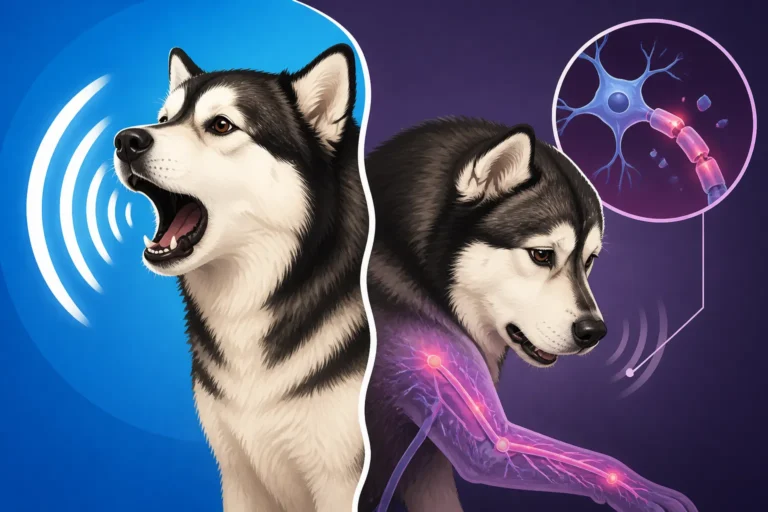
While the limb weakness is often the most visually apparent symptom, one of the most concerning and life-threatening aspects of inherited polyneuropathy is its effect on the laryngeal muscles. These are the small, intricate muscles located in the larynx, or voice box, which control the movement of the vocal cords. Their role is absolutely critical: they open and close the airway during breathing, protect the windpipe during swallowing, and are responsible for producing vocalizations like barks and woos.
In a Malamute with polyneuropathy, these laryngeal muscles can become weakened or paralyzed due to the damaged nerves supplying them. This condition is often referred to as laryngeal paralysis. When the muscles fail to pull the vocal cords open properly, the airway becomes restricted, like trying to breathe through a straw. This directly impacts a Malamute's ability to take in enough oxygen, especially during exertion, stress, or in warmer temperatures. The normally clear, resonant bark of a Malamute might become hoarse, soft, or even disappear entirely, a symptom that can be a telling early indicator of laryngeal involvement. To understand more about this specific symptom, check out Why a Malamute's Bark Changes With Polyneuropathy.
Beyond just vocal changes, the compromise of the laryngeal muscles also creates a significant risk for aspiration pneumonia. When these muscles don't function correctly, the protective reflex that closes the airway during swallowing can be impaired. Food or water can then accidentally enter the windpipe instead of the esophagus, leading to severe lung infections. This dual threat – restricted breathing and increased aspiration risk – makes laryngeal involvement a very serious and often life-threatening complication of inherited polyneuropathy, transforming what might seem like just a mobility issue into a critical medical emergency.
Breathing Difficulties: A Serious Concern for Affected Malamutes
For Malamute owners, the shift from noticing subtle wobbles to observing true respiratory distress can be terrifying. Breathing difficulties are not just a minor inconvenience; they represent a critical failure in one of the most basic life-sustaining functions. When a Malamute with polyneuropathy starts struggling to breathe, it's a clear signal that the disease has progressed to a very dangerous stage, and immediate action is often required to preserve their well-being.
Signs of Respiratory Distress
Recognizing the signs of respiratory distress in your Alaskan Malamute is paramount, as early intervention can make a significant difference. It’s not always obvious, especially with their thick coats, but there are clear indicators to watch for. One of the most common signs is labored breathing, where your Malamute might appear to be working harder than usual to inhale and exhale. You might see their chest and abdomen moving more forcefully, or their nostrils flaring with each breath. Their breathing rate will likely increase, even at rest.
Another telling sign is noisy breathing. This can manifest as a harsh, high-pitched sound, often described as stridor, especially during inhalation. It's the sound of air struggling to get past a partially obstructed airway. You might also hear excessive panting that seems out of proportion to their activity level or the ambient temperature. In more severe cases, you might observe your Malamute gasping for air, extending their neck, or even coughing or gagging as if something is stuck in their throat. Their gums might appear pale or even bluish (cyanotic), indicating a severe lack of oxygen in their blood. Any of these signs warrant immediate veterinary attention, as they point to a potentially life-threatening emergency. Knowing what to look for and acting quickly can quite literally save your Malamute's life.
Why Laryngeal Paralysis is a Common Complication
As mentioned, laryngeal paralysis is a particularly common and grave complication of inherited polyneuropathy in Alaskan Malamutes. It's essentially the culmination of the nerve damage affecting those crucial laryngeal muscles. Imagine a curtain that's supposed to open wide for a performance but only partly lifts, leaving a narrow slit. That's what happens to your Malamute's airway. The nerves that tell the vocal cords to open wide during inhalation fail, leaving them slack or partially collapsed into the airway. This creates a partial obstruction, severely limiting the amount of air that can reach the lungs.
The severity of this obstruction often worsens under certain conditions. Exercise, excitement, heat, or stress can all exacerbate laryngeal paralysis. When a dog is excited or exercising, their body's demand for oxygen increases dramatically. If the airway can't open wide enough to meet this demand, they quickly become oxygen-deprived. This leads to the characteristic noisy, labored breathing, and in severe cases, outright collapse. The chronic effort to breathe can also lead to secondary problems, such as swelling of the larynx, which further narrows the airway, creating a vicious cycle. This is why a Malamute that seems fine at rest might suddenly show severe respiratory distress after a short burst of activity. The understanding of Whether a Polyneuropathy Malamute Can Breathe Normally hinges on recognizing the impact of this specific complication.
Management and Emergency Interventions
Managing breathing difficulties in a Malamute with polyneuropathy, especially those suffering from laryngeal paralysis, requires a multi-faceted approach, often with a strong emphasis on emergency preparedness. The first and most critical step is managing their environment. Keeping your Malamute cool is paramount, particularly in warmer climates or during summer months, as heat significantly increases the demand for oxygen and can worsen respiratory distress. Limiting strenuous exercise and avoiding stressful situations can also help reduce the risk of an acute breathing crisis.
When a Malamute enters respiratory distress, it is an immediate veterinary emergency. There's no time to wait and see; you need to get them to an emergency vet as quickly and safely as possible. At the clinic, veterinarians will focus on stabilizing your dog, often administering oxygen therapy to improve their blood oxygen levels. Sedation might be used to calm them and reduce anxiety, which can further exacerbate breathing problems. In severe cases of laryngeal paralysis where medical management isn't enough, surgical intervention might be considered. A laryngeal tie-back procedure, which permanently holds one or both vocal cords open, can significantly improve airflow and quality of life. However, this surgery comes with its own risks, including an increased risk of aspiration pneumonia, so it's a decision made carefully in consultation with a veterinary surgeon. Having pet insurance like Healthy Paws can be incredibly helpful in covering the costs of such emergency treatments and potential surgeries, easing the financial burden during an already stressful time.
Broader Health Implications and Quality of Life
Inherited polyneuropathy is a systemic disease, meaning its impact extends well beyond just breathing or mobility. It chips away at a Malamute's overall health and significantly diminishes their quality of life. It’s a chronic condition that demands constant vigilance and a deep commitment to supportive care from their human companions.
Other Neurological Symptoms and Mobility Challenges
While breathing difficulties are a life-threatening concern, the more pervasive daily challenge for Malamutes with polyneuropathy often revolves around their progressively worsening neurological symptoms and mobility. As the disease attacks the peripheral nerves, it leads to a cascade of physical problems. You’ll notice an increasing lack of coordination, often described as ataxia, where their movements become clumsy and uncoordinated. They might have difficulty judging distances, stumble over their own feet, or drag their paws. For a young Malamute puppy, this might manifest as constant tripping, which is an early red flag. You can read more about Whether a Polyneuropathy Malamute Puppy Trips Constantly for early detection.
The hindquarters are frequently the most affected, leading to a distinct weakness in their back legs. This can result in a wide-based stance as they try to maintain balance, or a high-stepping gait where they lift their legs higher than normal to avoid tripping, something often observed in affected dogs. For additional context on this particular gait, you may want to look into Whether a Polyneuropathy Malamute Has a High Stepping Gait. Over time, simple tasks like navigating stairs, getting in and out of a car, or even rising from a lying position become monumental efforts, and they may eventually lose the ability to walk independently. This profound loss of mobility is devastating for a breed built for powerful movement and endurance. These mobility issues, combined with general muscle weakness, truly paint a picture of What Inherited Polyneuropathy Does to a Malamute.
Feeding and Swallowing Issues
Another critical area affected by polyneuropathy, often overlooked until complications arise, is the act of eating and swallowing. The same nerve damage that impacts laryngeal function can also affect the nerves supplying the muscles of the pharynx and esophagus – the tubes responsible for moving food from the mouth to the stomach. When these muscles are weakened or uncoordinated, swallowing becomes a dangerous endeavor.
Malamutes with polyneuropathy may struggle to properly chew and form a food bolus, and then have difficulty propelling it down the esophagus. This can lead to regurgitation (bringing food back up before it reaches the stomach) or, more dangerously, aspiration. Aspiration occurs when food or water accidentally enters the trachea (windpipe) instead of the esophagus, leading to severe coughing, choking, and a high risk of aspiration pneumonia. This lung infection can be life-threatening and requires intensive veterinary treatment. Owners might notice their Malamute eating very slowly, dropping food, gagging while eating, or even showing a reluctance to eat due to the difficulty and discomfort. Special feeding strategies, such as elevated bowls, smaller meals, or moistened food, may become necessary, but the risk of aspiration remains a constant concern.
Supporting an Affected Malamute
Providing care for an Alaskan Malamute with inherited polyneuropathy is a journey that requires immense dedication, patience, and a strong partnership with your veterinary team. While there is no cure for the underlying disease, extensive supportive care can significantly improve their comfort and prolong their quality of life. This often involves a multi-modal approach tailored to your individual dog's symptoms.
Physical therapy, including hydrotherapy (water treadmill), targeted exercises, and massage, can help maintain muscle mass, improve range of motion, and strengthen remaining neurological pathways. Environmental modifications are also crucial: think non-slip mats on floors, ramps instead of stairs, and orthopedic beds to support their joints. For outdoor time, a well-fitting harness with good handles can help you assist them with standing and walking. Regular check-ups with your veterinarian are essential to monitor the disease's progression and address any new symptoms promptly. Consulting with a veterinary neurologist can also provide specialized guidance and advanced diagnostic options. Beyond the physical, the emotional toll on owners is immense, as you navigate the decline of your cherished companion. Support groups and open communication with your vet can provide much-needed solace and practical advice. The financial aspect of long-term care, from specialized diets to physical therapy and potential emergency treatments, can be substantial, making comprehensive pet insurance like Healthy Paws a wise investment from early on.
Genetic Testing and Prevention
The heavy burden of inherited polyneuropathy makes prevention an incredibly powerful tool. Unlike some other diseases, this one can largely be avoided through responsible breeding practices, and it all starts with genetic testing. Understanding the genetic basis means we have the power to eliminate it from future generations of Alaskan Malamutes.
The Importance of DNA Testing
The advent of DNA testing has been a game-changer for breeds susceptible to inherited diseases like polyneuropathy. For Alaskan Malamutes, a simple, non-invasive DNA test can identify if a dog is clear, a carrier, or affected by inherited polyneuropathy. This isn't a complex, expensive procedure; it's typically done with a cheek swab or blood sample, and the results provide invaluable information. Identifying carriers is particularly crucial because these dogs do not show any symptoms themselves (they appear perfectly healthy), but they carry one copy of the gene mutation and can pass it on to their offspring. If two carriers are bred together, there's a 25% chance that each puppy in the litter will inherit two copies of the faulty gene and thus be affected by the disease.
The ability to identify carriers means that responsible breeders no longer have to guess about the genetic health of their breeding stock. This test empowers them to make informed decisions that safeguard the health of the breed as a whole. It’s a testament to how far veterinary science has come in allowing us to actively work towards eradicating genetic diseases rather than simply managing their symptoms. For any Malamute owner or prospective owner, asking about these test results should be a standard practice. If you're wondering which specific test to look for, exploring The DNA Test That Finds Malamute Polyneuropathy can give you more details.
Making Informed Breeding Decisions
The information gained from DNA testing directly translates into making incredibly important and ethical breeding decisions. For a responsible breeder, the goal is always to produce healthy, sound puppies, and preventing inherited polyneuropathy is a key part of that commitment. Once a dog's genetic status is known – clear, carrier, or affected – breeders can plan pairings that ensure no affected puppies are produced.
The golden rule is never to breed two carriers together. A carrier can safely be bred to a dog that has tested "clear" for the disease. In such a pairing, while some puppies might still be carriers themselves (inheriting one copy of the faulty gene from the carrier parent), none will actually be affected by the polyneuropathy, as they will always inherit at least one healthy gene from the clear parent. This strategy allows breeders to continue using valuable lines that might carry the gene without producing sick puppies, slowly working to reduce the prevalence of the carrier gene in the population. Over time, through diligent testing and selective breeding, the aim is to breed out the disease entirely. This proactive approach is what truly drives progress in breed health and helps ensure that future generations of Alaskan Malamutes are free from this debilitating condition. It’s a vital step in ensuring Whether Malamute Polyneuropathy Is Being Bred Out successfully. This responsibility is part of the larger commitment to health testing, which is why prospective puppy owners should always inquire about The Health Tests Both Alaskan Malamute Parents Should Have.
Comprehensive Overview of Polyneuropathy Symptoms
To help visualize the broad spectrum of inherited polyneuropathy, here's a table summarizing its common symptoms and their potential impact on your Malamute's daily life and overall well-being.
| Symptom Category | Specific Symptom | Potential Impact on Malamute's Life | Urgency Level |
|---|---|---|---|
| Mobility & Strength | Hind limb weakness, unsteadiness | Difficulty standing, walking, climbing stairs, jumping; increased stumbling and falls; reduced endurance in activities. | Moderate-High |
| Ataxia (lack of coordination) | Clumsy gait, difficulty balancing, tripping over own feet; challenges navigating uneven terrain. | Moderate | |
| Muscle atrophy (loss of muscle mass) | Visible thinning of hindquarters, decreased overall strength; contributes to mobility issues. | Moderate | |
| Respiratory | Noisy breathing (stridor), especially on inhalation | Restricted airflow; increased effort to breathe; potential for oxygen deprivation; exacerbated by heat/excitement. | High-Emergency |
| Labored breathing, open-mouth breathing at rest | Signs of respiratory distress; body working hard to get air; potential for collapse. | High-Emergency | |
| Hoarse bark or voice change | Early indicator of laryngeal muscle involvement; loss of normal vocalizations. | Low-Moderate | |
| Eating & Swallowing | Difficulty swallowing, gagging while eating | Risk of food/water entering windpipe (aspiration); potential for aspiration pneumonia; weight loss. | High-Emergency |
| Regurgitation | Food returning up after eating but before digestion; can be a sign of esophageal involvement. | Moderate-High | |
| Overall Health | Exercise intolerance, easy fatigability | Inability to participate in normal activities; decreased quality of life. | Moderate |
| Weight loss (despite eating) | Due to difficulty eating or increased energy expenditure from struggling to move. | Moderate |
Caring for a Malamute with inherited polyneuropathy is a deeply challenging experience, but understanding the disease, recognizing the signs, and working closely with your veterinarian and potentially specialists, can help you provide the best possible care for your beloved companion. Remember, pet insurance providers like Healthy Paws are there to help with the substantial costs associated with diagnostics and ongoing care.
Disclaimer
The information provided in this article is intended for general informational purposes only and does not constitute veterinary advice. Always consult with a qualified veterinarian for any health concerns or before making any decisions about your pet's medical care. Genetic diseases are complex, and individual cases may vary.