Whether a Polyneuropathy Malamute Loses Muscle
It’s truly heartbreaking to watch your powerful Alaskan Malamute, a breed known for its incredible strength and endurance, begin to struggle with everyday movements. When you notice them stumbling, losing their footing, or looking a bit thinner than usual, especially in their legs or hips, it’s natural to worry if something serious is happening. For Malamutes, one of the most devastating conditions to consider is inherited polyneuropathy, a neurological disorder that can, indeed, lead to significant muscle loss over time. This guide will walk you through what this means for your beloved companion and how to understand and manage this challenging aspect of the disease.
Understanding Inherited Polyneuropathy in Alaskan Malamutes
Inherited polyneuropathy in Alaskan Malamutes is a progressive neurological disorder that affects the peripheral nerves – those nerves outside the brain and spinal cord that control muscle movement and sensation. It's a cruel condition because it slowly diminishes a Malamute's ability to coordinate their movements and maintain muscle strength, striking at the very core of what makes these dogs so majestic.
What is Inherited Polyneuropathy?
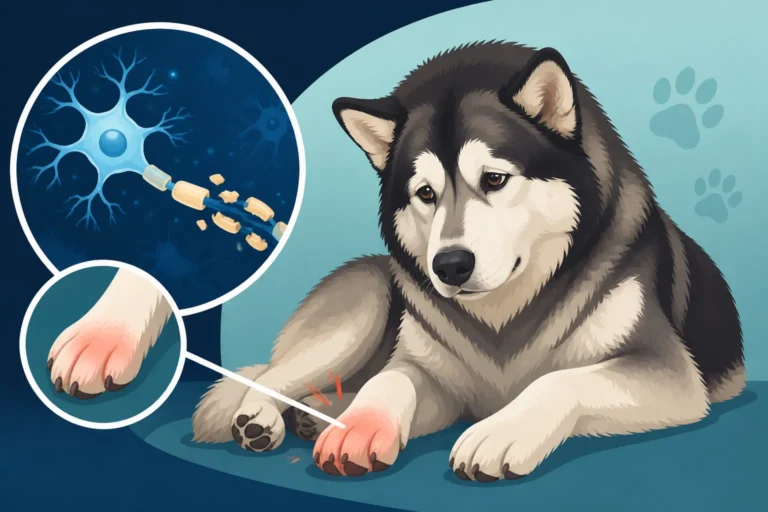
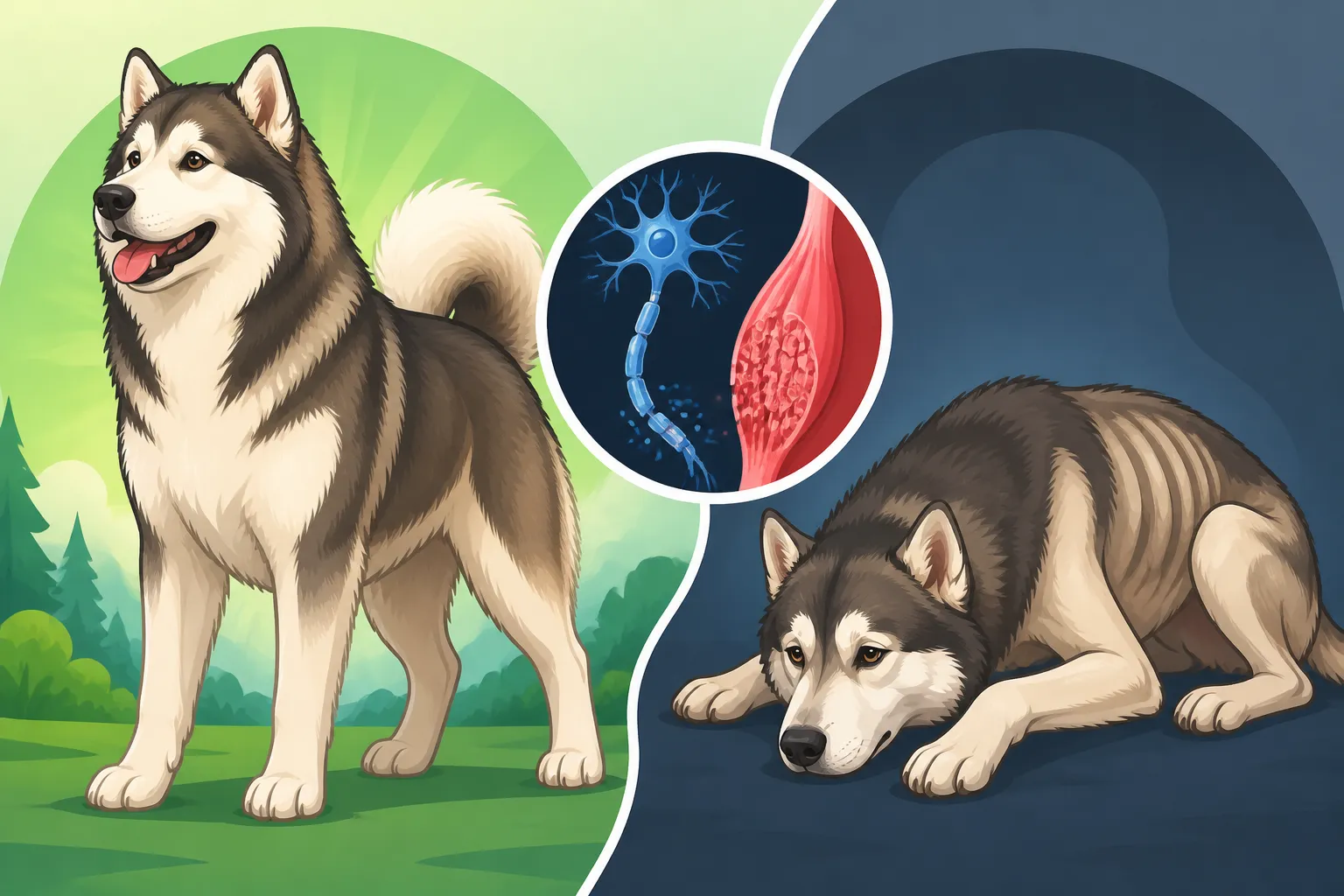
Imagine the nerves in your Malamute's body as electrical cables sending messages from the brain to the muscles, telling them to move, and from the skin back to the brain, relaying sensations. In inherited polyneuropathy, these "cables" start to break down or become damaged. Specifically, the myelin sheath, which is the protective insulation around nerve fibers, degenerates, and sometimes the nerve axons themselves are affected. Without proper insulation or an intact pathway, the electrical signals can't travel efficiently or at all. This means the brain struggles to tell the muscles what to do, and the muscles, in turn, don't receive the necessary commands to function properly.
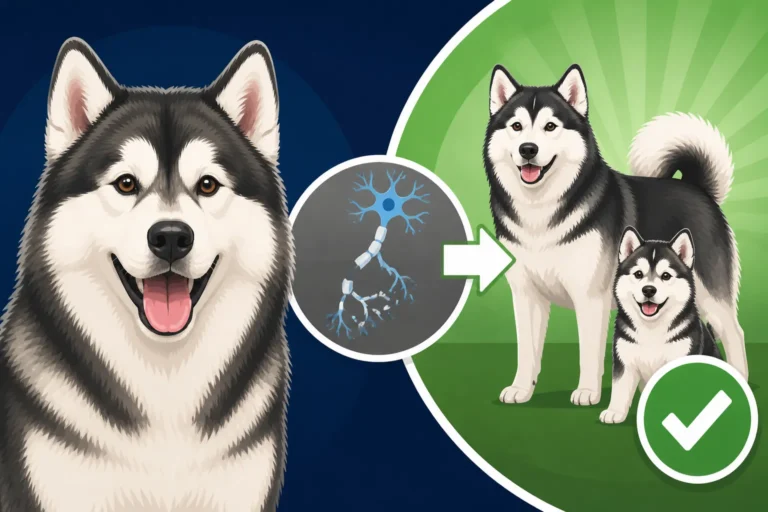
This isn't a condition that pops up out of nowhere; it's inherited, meaning a Malamute puppy receives the gene mutation from its parents. While carriers might not show symptoms, affected dogs will eventually develop them. Understanding the genetic component is critical, which is why The DNA Test That Finds Malamute Polyneuropathy has been such a game-changer for responsible breeders trying to eliminate this disease from future generations.
Early Signs and Progression
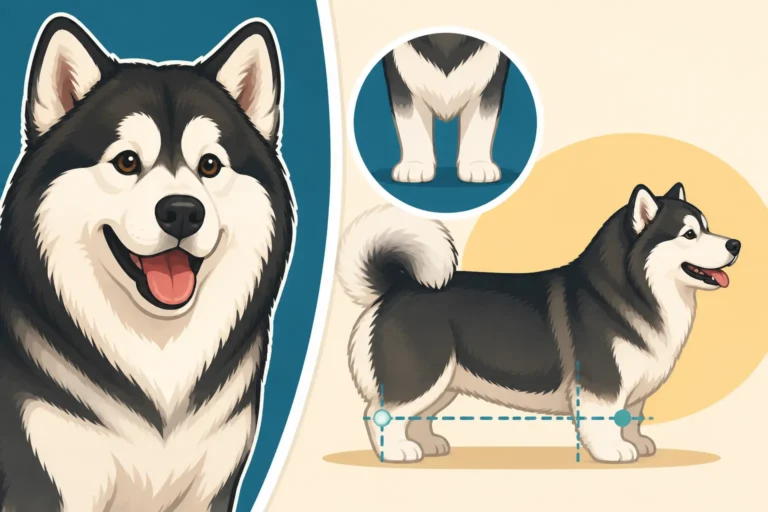
The early signs of inherited polyneuropathy can be incredibly subtle, often starting when the dog is between one and two years old. Many owners might first notice their Malamute, usually an active and robust dog, seems a little clumsy. Perhaps they stumble more often, especially on uneven ground, or their gait might look a bit off, perhaps a Whether a Polyneuropathy Malamute Has a High Stepping Gait. This isn't just a puppy being awkward; it's the first whisper of neurological trouble. You might see a slight weakness in their hindquarters, or they might struggle a bit more than usual when trying to jump into the car or climb stairs.
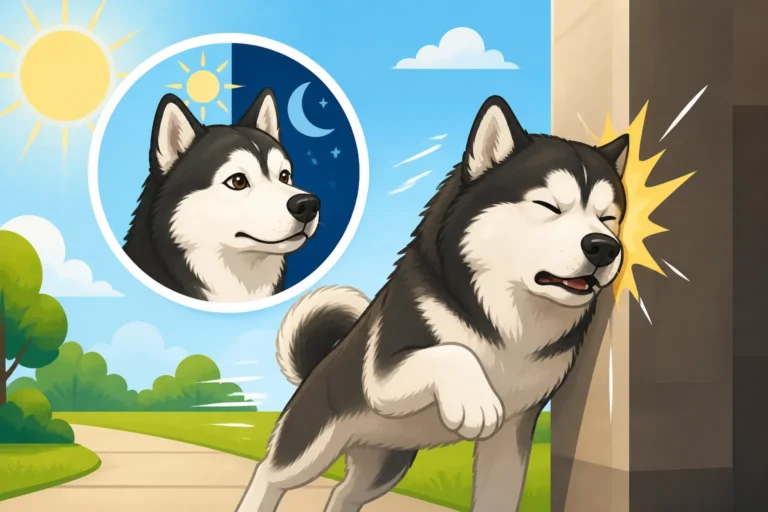
As the disease progresses, these subtle signs become more pronounced. Owners often report a noticeable change in their Malamute's bark, becoming quieter or hoarser, which is a classic symptom because the nerves controlling the laryngeal muscles are also affected. This is why you might hear discussions about Why a Malamute's Bark Changes With Polyneuropathy or Whether a Malamute's Voice Change Means Nerve Disease within the Malamute community. Over time, the weakness intensifies, affecting all four limbs, and coordinating movements becomes increasingly difficult. It's a frustrating journey for both dog and owner, as the once-powerful Malamute gradually loses its physical capabilities.
The Impact on Muscle Mass and Function
When the nerves that connect to muscles begin to fail, the muscles themselves suffer dramatically. This isn't just about losing the ability to move; it's about the very substance of the muscle tissue starting to diminish. For a breed like the Alaskan Malamute, whose identity is so tied to its strength and working ability, this muscle wasting can be particularly devastating.
Why Muscle Atrophy Occurs
Muscle atrophy, or the wasting away of muscle tissue, is a direct and unfortunate consequence of inherited polyneuropathy. Muscles need constant stimulation from nerves to maintain their bulk and strength. Think of it like a light bulb needing electricity to stay lit. If the electrical current (nerve signal) is intermittent or completely cut off, the light bulb (muscle) won't function, and over time, it will essentially 'die' or shrink from disuse and lack of essential signals. In polyneuropathy, the damaged peripheral nerves fail to transmit these vital signals effectively to the muscle fibers. Without these signals, the muscles don't contract, they don't get 'worked,' and they slowly begin to shrink.
This is a key differentiator from muscle loss due to simple inactivity. While an inactive dog might lose some muscle tone, a Malamute with polyneuropathy experiences a neuropathic atrophy, where the muscles aren't just out of shape; they are actively wasting because their nerve supply is compromised. This process starts subtly but can become quite profound as the disease continues to progress, making the dog weaker and less mobile. It's a brutal reality for owners who know their dogs are fighters and want to stay active.
Recognizing Muscle Loss
Identifying muscle loss in an Alaskan Malamute can be tricky, especially given their dense double coat that can hide a lot. However, there are tell-tale signs if you know what to look for. One of the first places you might notice changes is in the hindquarters. The large muscle groups around the hips and thighs, which are crucial for propulsion, might start to look less full or even sunken. Instead of a rounded, powerful thigh, you might feel the bone structure more prominently. Similarly, the muscles over the shoulders and front legs can also atrophy.
It's not just visible changes; you might also feel the difference. When you pet your Malamute, run your hands over their back and legs. Healthy muscles feel firm and substantial. Atrophied muscles feel softer, less dense, and sometimes even flabby. Pay particular attention to the area just above their knees (quadriceps) and along the spine. A veterinary check-up is crucial here, as a vet can perform a thorough physical examination, feeling for muscle bulk and assessing symmetry. They might even use measurements to track changes over time. Being proactive in spotting these changes can help you and your vet develop a management plan sooner.
Beyond Just Muscle – Overall Weakness and Gait Changes
The impact of inherited polyneuropathy extends far beyond just muscle loss. It fundamentally affects your Malamute's entire ability to move and function. The overall weakness becomes more pronounced as the disease progresses, making even simple tasks challenging. Your Malamute might struggle to rise from a lying position, especially on slippery floors. They might hesitate before climbing stairs, or even fall trying. Their coordination diminishes, leading to frequent stumbling or an unsteady gait, issues often discussed when considering Whether a Polyneuropathy Malamute Puppy Trips Constantly.
This neurological weakness can also affect the muscles involved in breathing and swallowing. While often a later stage symptom, a Malamute might develop a "roaring" sound when breathing, or show signs of difficulty swallowing, leading to coughing or gagging. This is a critical concern, and understanding Whether a Polyneuropathy Malamute Can Breathe Normally is vital for their long-term welfare. The majestic, effortless stride of a Malamute transforms into a hesitant, effortful shuffle. It’s a profound shift that highlights the deep impact of nerve damage on every aspect of their physical being. Watching this decline is undoubtedly one of the hardest parts of living with a Malamute affected by this condition.
Managing Muscle Loss and Supporting a Malamute with Polyneuropathy
While there isn't a cure for inherited polyneuropathy, proactive management and supportive care can make a significant difference in your Malamute's quality of life, potentially slowing the progression of muscle loss and helping them maintain mobility for longer.
Veterinary Diagnosis and Treatment
The first crucial step is a definitive diagnosis. If you suspect your Malamute is showing signs of polyneuropathy, a visit to your veterinarian is imperative. They will perform a thorough neurological exam, assessing reflexes, gait, and muscle mass. Often, they'll recommend a DNA test to confirm the presence of the genetic mutation. Electromyography (EMG) and nerve conduction velocity (NCV) tests are specialized diagnostics that can confirm nerve damage and muscle denervation. These tests can be expensive, so having robust pet insurance like Healthy Paws can be a real lifeline for owners facing such complex diagnoses.
Unfortunately, specific treatments to reverse nerve damage or muscle atrophy are limited. The focus of veterinary care often shifts to supportive measures. This might include corticosteroids in some cases to reduce inflammation (though their efficacy in this specific type of polyneuropathy can vary), or medications to manage secondary symptoms or discomfort. Regular follow-ups with your vet are essential to monitor progression and adjust care plans. It's important to have an open and honest conversation with your vet about the expected course of the disease and how to best support your dog through it.
Supportive Care and Lifestyle Adjustments
Beyond veterinary interventions, much of the day-to-day management of muscle loss and weakness falls to the owner. Lifestyle adjustments can significantly enhance your Malamute's comfort and mobility.
- Controlled Exercise: While strenuous exercise might be out of the question, maintaining gentle, controlled activity is crucial. Short, frequent walks on soft, even surfaces can help maintain muscle mass and prevent further atrophy. Avoid slippery floors where your Malamute might struggle with footing. Whether a Polyneuropathy Malamute Gets Worse often depends on how well managing their physical activity is maintained.
- Nutrition: A high-quality diet rich in protein is vital for muscle maintenance. Your vet might recommend specific supplements, such as L-carnitine or creatine, which are sometimes used to support muscle health, though evidence for their effectiveness in polyneuropathy is mixed. Consult your vet before adding any supplements.
- Environmental Modifications: Make your home Malamute-friendly. Non-slip rugs, ramps for stairs or car access, and elevated food and water bowls can make daily life much easier and safer for a dog with impaired mobility. Providing a supportive, orthopedic bed can also help relieve pressure on weakened joints and muscles.
These adjustments, though seemingly small, can add up to a significant improvement in your dog's daily life, helping them navigate their world with greater ease and confidence.
The Role of Physical Therapy and Rehabilitation
Physical therapy and rehabilitation can be incredibly beneficial for Malamutes experiencing muscle loss and weakness due to polyneuropathy. A certified canine rehabilitation therapist can develop a tailored program designed to maximize muscle function, improve balance, and maintain range of motion.
- Therapeutic Exercises: These might include specific movements to strengthen weakened muscles, balance exercises, and stretches to prevent stiffness. Underwater treadmill therapy is often a fantastic option because the buoyancy of the water reduces weight-bearing stress on the joints while still allowing for active muscle engagement. Many Malamutes, being water-loving, take well to this.
- Massage and Passive Range of Motion (PROM): Gentle massage can improve circulation and reduce muscle tension, while PROM exercises help maintain joint flexibility and prevent contractures (muscle shortening). These are things you can often learn to do at home with guidance from your therapist.
- Support Devices: Braces, harnesses with handles, or even a dog wheelchair might be considered as the disease progresses to provide support and aid mobility. These tools can allow your Malamute to continue enjoying walks and outdoor time, even as their natural strength wanes.
Investing in these therapies can slow the rate of muscle atrophy and help your Malamute retain functional independence for as long as possible. Many pet insurance providers, including Healthy Paws, offer coverage for physical therapy, making these vital treatments more accessible. This comprehensive approach, combining veterinary care with thoughtful home management and rehabilitation, offers the best chance at a good quality of life for your polyneuropathy Malamute.
Long-Term Outlook and Owner Considerations
Living with a Malamute affected by inherited polyneuropathy is a journey filled with challenges, but also immense love and dedication. Understanding the long-term outlook and preparing for the emotional and practical considerations can help you provide the best possible care for your companion.
Quality of Life and Progression of the Disease
Inherited polyneuropathy is a progressive condition, meaning it generally worsens over time. The rate of progression can vary between individual dogs, but unfortunately, there is no cure, and the muscle loss and weakness will continue. Owners need to be realistic about the long-term outlook, which often involves a gradual decline in mobility and independence. This is a difficult truth, but acknowledging it allows you to focus on maximizing their comfort and happiness at each stage. Regularly assessing their quality of life, looking for signs of pain, frustration, or inability to perform basic functions, becomes paramount.
While the physical challenges mount, a Malamute's spirit can often remain strong. They may still enjoy mental stimulation, gentle companionship, and adapted activities. Owners often find creative ways to keep their dogs engaged, whether through puzzle toys, scent work adapted to their mobility, or simply extra snuggle time. It's about recognizing their limitations while still celebrating the joyful essence of your dog.
Financial and Emotional Considerations
The journey with a Malamute suffering from polyneuropathy can be emotionally and financially demanding. Diagnostic tests, ongoing veterinary visits, potential medications, specialized diets, physical therapy sessions, and even mobility aids can accumulate significant costs over time. This is where comprehensive pet insurance like Healthy Paws can provide much-needed financial relief, allowing you to make decisions based on what's best for your dog, rather than solely on your budget.
Emotionally, it's a rollercoaster. Watching your once-mighty Malamute lose their strength and independence is heartbreaking. There will be good days and bad days. It's crucial for owners to seek support, whether from online communities of Malamute owners, friends, family, or even a pet bereavement counselor, as you navigate this challenging path. Remembering that you are providing love, comfort, and dignity to your loyal companion, even as their body fails them, is the most important thing. The decisions around quality of life, and ultimately, euthanasia, are among the hardest any pet owner faces, and open communication with your veterinary team is essential throughout this process.
Table: Stages of Polyneuropathy and Associated Muscle Changes
| Stage of Polyneuropathy | Common Clinical Signs | Impact on Muscle Mass & Function | Owner Observations |
|---|---|---|---|
| Early Stage | Mild clumsiness, subtle gait changes, slight exercise intolerance. | Beginning of subtle muscle weakness; mild, unnoticeable muscle atrophy may start. | Occasional stumbling, less enthusiastic on walks, slight difficulty with stairs or jumping. |
| Moderate Stage | More noticeable weakness in limbs, unsteady gait, voice changes. | Visible muscle atrophy, especially in hindquarters; significant weakness affecting coordination. | Hindquarters appear less muscular, more frequent stumbling/falling, difficulty rising, bark sounds hoarse. |
| Advanced Stage | Severe weakness, inability to stand/walk, breathing/swallowing difficulties. | Severe generalized muscle atrophy; loss of functional muscle control; significant loss of body condition. | Incapable of independent movement, needing assistance to move, difficulty eating/drinking, labored breathing. |
Disclaimer
The information provided in this article is for general informational purposes only and is not intended as a substitute for professional veterinary advice. Always consult with a qualified veterinarian for any health concerns or before making any decisions related to your Alaskan Malamute's care, diet, or treatment. Every dog is an individual, and medical conditions can vary significantly.