Whether a Day Blind Malamute Bumps Into Things at Noon
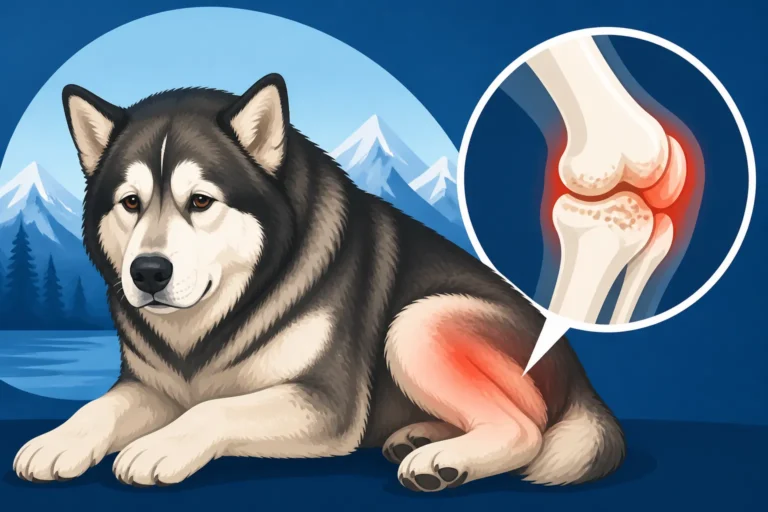
It's truly heartbreaking to watch your beloved Alaskan Malamute, a dog bred for wide-open, snowy landscapes, struggle in bright sunlight, bumping into familiar objects as if they’ve suddenly lost their bearings. This isn't just an inconvenience; it's a genuine and often confusing disability that leaves many owners wondering what's going on. This comprehensive guide will delve deep into what causes this frustrating condition, how it manifests, and practical strategies to help your day-blind Malamute navigate their world more safely and comfortably, especially when the sun is at its brightest.
Understanding Day Blindness in Malamutes
Day blindness, formally known as Canine Cone Degeneration (CD) or Achromatopsia, is a distressing genetic eye condition that specifically impairs vision in bright light conditions. It's not about being clumsy; it's about a fundamental breakdown in how the eye perceives light and color when the sun is shining its brightest. For an Alaskan Malamute, a breed often associated with snowy, reflective environments, this can be particularly debilitating and goes against their natural instincts.
The Genetics Behind CNGB3 Deficiency
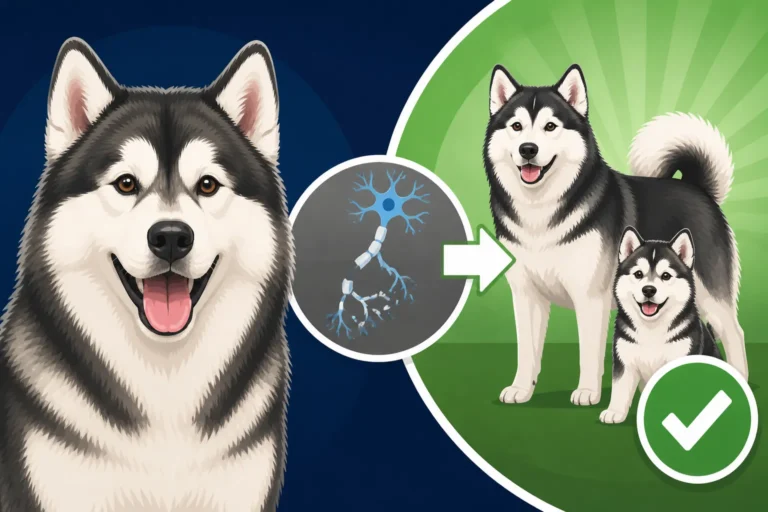
The root cause of day blindness in Alaskan Malamutes is a mutation in the CNGB3 gene. This particular gene is responsible for producing a crucial protein in the cone photoreceptor cells within the retina. Cones are the cells in the eye that are active in bright light and allow for color vision and detailed sight. When the CNGB3 gene is defective, these cone cells don't function properly. It's a recessive genetic condition, meaning a Malamute must inherit two copies of the mutated gene (one from each parent) to be affected. Dogs that inherit only one copy are carriers and won't show symptoms themselves but can pass the gene on to their offspring. This makes it vital for breeders to conduct proper testing to reduce the incidence of this heartbreaking disorder. For a deeper dive into how this genetic issue has been tackled, you might want to read about Day Blindness and the CNGB3 Test That Nearly Ended It in Malamutes.
How Bright Light Impacts Their Vision
Imagine trying to see in a room where the light is so overwhelmingly bright that everything looks washed out, blurry, or just a confusing mess of light. That's essentially what a day-blind Malamute experiences. In low light or at dusk, their rod photoreceptors, which handle dim light vision, work perfectly fine. This is why many owners observe that their affected Malamutes actually see better in low-light conditions or after sunset – a phenomenon explored further in Why a Day Blind Malamute Sees Better at Dusk. However, when the sun is high and bright, their cone cells fail to activate correctly, leading to functional blindness. They cannot process the intense light, differentiate shapes, or gauge distances effectively. This isn't just a minor discomfort; it's a significant visual impairment that can turn a familiar backyard into a disorienting hazard course.
Recognizing the Signs of Day Blindness
Owners are often the first to notice that something isn't quite right. It's not always an obvious, sudden blindness, but rather a pattern of behavior that consistently emerges when light conditions are intense. Watching your robust, confident Malamute suddenly hesitate or stumble can be incredibly concerning, and it’s important to understand the specific cues to look for.
Navigational Challenges in Sunlight
The most prominent sign that a day-blind Malamute bumps into things at noon is their clear struggle with navigation in bright, direct sunlight. Picture this: your Malamute, usually graceful and sure-footed, steps outside on a sunny afternoon. Instead of confidently trotting across the yard, they might become hesitant, taking tentative steps, or even freezing in place. They might bump into furniture, doorframes, or even trees they've navigated a thousand times before. You might see them trip over low obstacles like garden hoses or toys that are plainly visible to you. It's a stark contrast to their behavior indoors or on a cloudy day, where they move with ease. This isn't a lack of intelligence or stubbornness; it's a genuine inability to see where they are going because their visual processing is overwhelmed and non-functional under bright light. This disorientation can be frustrating for both the dog and the owner, leading to anxiety for your Malamute and worry for you.
Behavioral Changes During the Day
Beyond just bumping into objects, you'll likely observe a range of other behavioral changes in a day-blind Malamute when they are exposed to bright light. They might start squinting excessively, trying to reduce the amount of light entering their eyes, which offers little relief. They might prefer to stay in shaded areas, actively seeking out the darkest corners of your yard or house, even when it's not particularly hot. Some might become clingy, staying close to their owner's legs as if seeking guidance, while others might appear more anxious or fearful outdoors, refusing to engage in activities they normally love. They might also react unusually to shadows or sudden changes in light, as these can further disorient an already compromised visual system. If you notice these patterns, especially around midday or on sunny outings, it's a strong indicator that their vision is being severely impacted. For more on what the condition entails, consider reading What Day Blindness Does to a Malamute.
Comparing Day Blindness to Night Blindness
It's easy to confuse different types of vision impairments, but day blindness is distinct from night blindness, which is a different condition altogether, usually associated with Progressive Retinal Atrophy (PRA) or other retinal degenerations. While a day-blind Malamute sees perfectly well, or even better, in low light, a night-blind dog struggles immensely as darkness falls.
Here's a quick comparison:
| Feature | Day Blindness (CNGB3 Deficiency) | Night Blindness (e.g., PRA) |
|---|---|---|
| Primary Impairment | Vision in bright light | Vision in dim light/darkness |
| Functional Cells | Cone photoreceptors affected | Rod photoreceptors affected (initially) |
| Behavior in Sun | Bumps, squints, seeks shade, disoriented | Generally normal |
| Behavior at Dusk | Normal or improved vision, confident | Hesitant, bumps, anxious, refuses to move |
| Genetic Basis | CNGB3 gene mutation (recessive) | Various genes, often PRCD (recessive) |
| Progression | Non-progressive (static from onset) | Typically progressive, leading to total blindness |
Understanding these differences is crucial for accurate diagnosis and management. If your Malamute only struggles during the day, day blindness is the more likely culprit.
Living with a Day Blind Malamute
Discovering your Malamute has day blindness can feel overwhelming, but it doesn't mean their quality of life has to plummet. With thoughtful adjustments and a proactive approach, you can create an environment where they feel secure and can thrive, even with their unique visual challenges. It's all about making their world predictable and safe.
Creating a Safe Indoor Environment
Your home is your Malamute's sanctuary, and making it safe and easy to navigate is paramount. Think about their perspective. Keep furniture arrangement consistent; moving things around frequently will only add to their confusion and risk of bumping into objects. Ensure pathways are clear, free of clutter, toys, or shoes that could become tripping hazards. Good lighting is also critical, ironically, but in a controlled way. Use softer, diffused lighting rather than harsh, direct lights that might exacerbate their sensitivity. Consider drawing blinds or curtains on particularly sunny days to reduce glare and intense patches of sunlight indoors, especially in areas where they spend a lot of time. Installing baby gates can help create safe zones or block off stairs if they struggle with depth perception in bright conditions. Having a predictable routine for feeding, playtime, and potty breaks also provides immense comfort and builds confidence for a dog with visual impairment.
Strategies for Outdoor Activities
Outdoor adventures are a huge part of the Malamute life, and you don't have to give them up entirely. However, timing and environment become key. Avoid walking your day-blind Malamute during the brightest parts of the day, typically between 10 AM and 4 PM. Instead, opt for early mornings, late evenings, or cloudy days when the light is softer and more diffused. When you do go out, stick to familiar routes where they know the terrain, and always keep them on a leash. A long line can offer a sense of freedom in a secure, familiar area, but never let them off-leash in an unfamiliar or unfenced space, as their poor vision could lead to them wandering into danger.
Some owners find success with specialized canine sunglasses or visors (like Doggles) that reduce glare and UV exposure, effectively dimming their world to a level they can better tolerate. Introduce these gradually and positively with treats. While they might not be a complete fix, they can provide a degree of comfort and confidence. Using verbal cues and consistent commands, like "step up," "watch out," or "slow down," also becomes incredibly important, acting as your Malamute's eyes. This kind of consistent communication can build immense trust and improve safety.
Tools and Aids for Enhanced Safety
Beyond environmental adjustments, several tools can significantly improve your day-blind Malamute's safety and quality of life. High-contrast marking tape on stair edges or around obstacles can give them a better visual cue in varying light. For outdoor adventures, a sturdy harness is always preferable over a collar, as it gives you better control and prevents neck strain if they stumble. Some owners also use an LED collar or harness for evening walks, not only to make their dog visible to others but also because the ambient light from the collar can sometimes help them gauge their immediate surroundings. Regular vet check-ups are also vital to monitor their overall eye health and address any secondary issues. While day blindness is not typically covered by standard pet insurance after diagnosis, early diagnosis and consistent care can be made more manageable if you're with a provider like Healthy Paws, who offers robust coverage for accidents and illnesses that can crop up alongside managing a chronic condition.
Diagnosis and Prognosis
If you suspect your Malamute might be day-blind, getting a definitive diagnosis is the crucial next step. Early identification allows you to implement management strategies sooner, improving your dog's comfort and safety. It also helps breeders make informed decisions to prevent passing on the gene.
The Importance of a Veterinary Eye Exam
The first point of contact should always be your veterinarian. They will perform a general physical examination, including a basic eye exam, and discuss your observations about your Malamute's behavior in different light conditions. If day blindness is suspected, they will likely refer you to a veterinary ophthalmologist, a specialist in animal eye health. The ophthalmologist will conduct a more thorough examination using specialized equipment, often including an electroretinogram (ERG). An ERG measures the electrical responses of the retina's photoreceptor cells. For a dog with day blindness, the ERG results would show normal rod function (for dim light) but significantly reduced or absent cone function (for bright light). This test is non-invasive and provides objective data to support a clinical diagnosis. Don't hesitate to seek this specialist advice, as accurate diagnosis paves the way for effective management and ensures there aren't other underlying issues. Veterinary costs can add up, so having a good pet insurance plan like those offered by Healthy Paws can be a real lifeline.
DNA Testing: The Definitive Answer
While an ERG can confirm cone dysfunction, the most definitive way to diagnose day blindness in Alaskan Malamutes is through a DNA test. As mentioned, the condition is caused by a specific mutation in the CNGB3 gene. Many veterinary genetics laboratories offer specific DNA tests for this condition. A simple cheek swab or blood sample can determine if your Malamute is clear, a carrier, or affected by the mutation. This test is invaluable not only for confirming a diagnosis in an affected dog but also for screening breeding stock to ensure carriers are not inadvertently bred together, which would produce affected puppies. Knowing your dog's genetic status is incredibly powerful information, allowing you to understand their condition fully and contribute to responsible breeding practices. Testing puppies early, as discussed in Whether a Malamute Puppy Should Be Tested for CNGB3, can provide clarity for new owners right from the start.
Long-Term Care and Quality of Life
The good news is that day blindness in Alaskan Malamutes is generally non-progressive. This means that once diagnosed, their vision won't typically worsen over time due to this specific condition. It also doesn't cause pain or discomfort in the eyes themselves. Therefore, with proper management, a day-blind Malamute can live a full and happy life. Their lifespan, generally The Ten to Fourteen Years an Alaskan Malamute Lives, will not be shortened by day blindness. The focus shifts entirely to creating a safe and predictable environment, adapting your routines, and providing consistent verbal cues. Regular veterinary check-ups remain important for overall health, and you might also consult with a certified professional dog trainer or behaviorist experienced with visually impaired dogs to help fine-tune communication and confidence. While a cure isn't available, the commitment to thoughtful care ensures that your day-blind Malamute can continue to be a cherished and happy member of your family, as detailed in Whether a Day Blind Malamute Can Live Normally.
Disclaimer
The information provided in this article is for general informational purposes only and is not a substitute for professional veterinary advice. Always consult with a qualified veterinarian or veterinary ophthalmologist for any health concerns or before making any decisions about your pet's medical care.