Whether a Malamute’s Zinc Problem Is Diet or Genetics
It’s truly heartbreaking to see your magnificent Alaskan Malamute suffering from dull fur, mysterious skin crusts, or a general lack of vitality. For many Malamute owners, the constant worry is whether these troubling signs are a result of something they're doing wrong with their dog's diet, or if it's a deeper, more inherent genetic battle. Understanding the nuances between dietary deficiencies and genetic predispositions for zinc malabsorption is absolutely critical to getting your beloved companion the right help and ensuring their long-term well-being. This guide aims to thoroughly unravel this complex issue, offering clarity and actionable insights.
The Genetic Predisposition for Zinc Malabsorption in Alaskan Malamutes
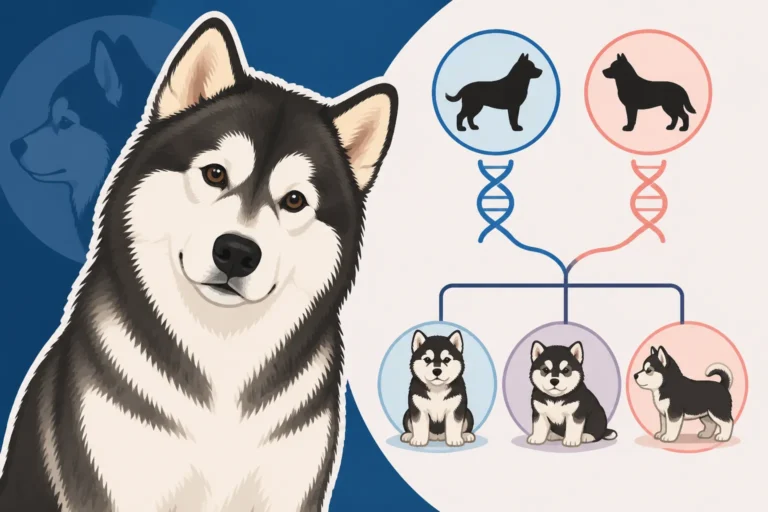
When we talk about zinc issues in Alaskan Malamutes, it's impossible to ignore the powerful role genetics play. Unlike many other breeds where zinc deficiency is almost always a straightforward dietary issue, our big, beautiful Malamutes often face a more complicated hand of cards due to their unique genetic makeup. This isn't about blaming the dog or the breeder entirely; it's about understanding a specific physiological challenge that many in the breed carry.
A Breed-Specific Metabolic Quirk
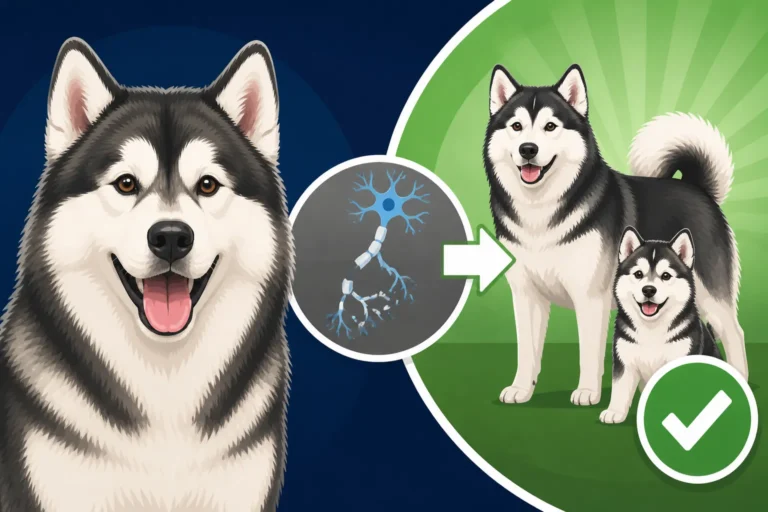
Alaskan Malamutes, along with a few other Nordic breeds like Siberian Huskies and Samoyeds, are known to have a genetically inherited condition that impairs their ability to properly absorb and utilize zinc from their diet. This isn't merely a matter of not getting enough zinc in their food; it's a problem with the internal machinery that processes zinc, regardless of how much is present. Imagine having a well-stocked pantry, but your kitchen appliances just won't work properly to turn those ingredients into a meal. That's essentially what happens with a Malamute suffering from genetic zinc malabsorption.
This metabolic quirk means that even if you're feeding a high-quality dog food that ostensibly meets all the zinc requirements for a typical dog, your Malamute might still be deficient. Their bodies simply aren't able to extract and transport the zinc efficiently from the digestive tract into the bloodstream and then to the cells where it's desperately needed for countless bodily functions. This often leads to the frustrating situation where an owner is doing everything right on paper, yet their dog continues to display classic signs of deficiency. It’s important to remember that this isn’t a fault of the owner, but rather a profound genetic challenge that needs specific management.
The Impact of Impaired Zinc Absorption
The consequences of this genetic predisposition are far-reaching because zinc is absolutely vital for so many biological processes. It's involved in immune function, skin and coat health, proper digestion, thyroid function, and even vision and taste. When a Malamute can't absorb zinc effectively, you start to see a cascade of problems.
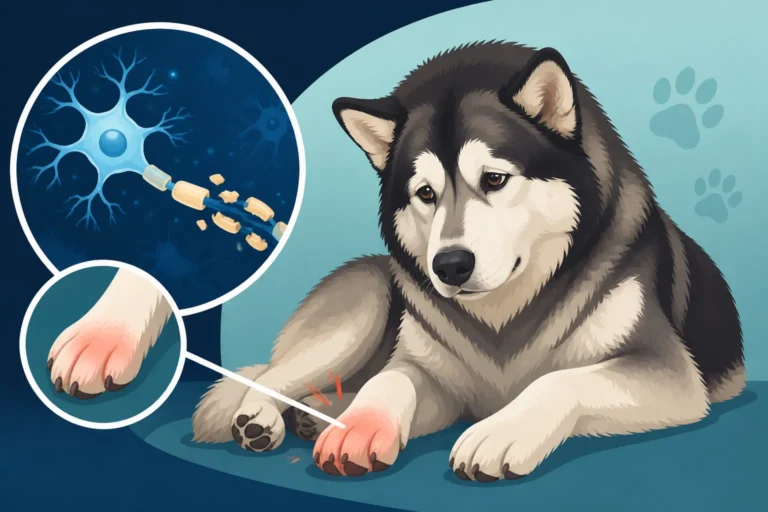
The most visible and common symptom is often a specific type of skin condition called Zinc Responsive Dermatosis in an Alaskan Malamute. This isn't your run-of-the-mill dry skin; it typically manifests as crusty, scaly lesions, often symmetrically located around the eyes, muzzle, ears, and pressure points like elbows and hocks. The skin can become thickened, cracked, and incredibly itchy, leading to secondary bacterial or yeast infections, which only complicate matters further. You might also notice hair loss in these areas, making their usually thick, glorious coat appear patchy and unhealthy. Beyond the skin, these dogs can be lethargic, have a reduced appetite, and may even exhibit poor growth or reproductive issues in severe, untreated cases. It’s a truly distressing sight for any devoted owner.
Dietary Factors That Influence Zinc Levels in Malamutes
While genetics often play a starring role in a Malamute's zinc saga, we can't completely discount diet. Even a genetically predisposed Malamute can have their condition exacerbated or mitigated by what they eat. For Malamutes without the severe genetic absorption issue, diet can be the primary driver of zinc deficiency, making it crucial to understand how food interacts with this essential mineral.
Foods That Can Hinder Zinc Absorption
It's not just about the amount of zinc in your Malamute's food; it's also about the bioavailability of that zinc – how easily their body can actually use it. Several components commonly found in dog food can act as antagonists, binding to zinc and preventing its absorption. One of the most significant culprits is phytates, compounds found in high concentrations in grains, legumes, and certain seeds.
While grains themselves aren't inherently "bad," a diet heavily reliant on grains, especially those high in phytates, can significantly reduce zinc uptake. For a Malamute already struggling with a genetic absorption issue, a high-phytate diet can push them over the edge into overt deficiency, even if the food claims to have sufficient zinc. Similarly, excessive calcium in the diet, often found in large breed puppy formulas or certain supplements, can also interfere with zinc absorption. Calcium and zinc compete for the same absorption pathways in the gut. If there's an overload of calcium, it can effectively "win" the race, leaving less zinc available for your Malamute's body to utilize. This is why balance is so important, and why understanding a food's full ingredient profile matters more than just looking at the zinc percentage on the label.
The Importance of Balanced and Appropriately Fortified Diets
Given their unique needs, selecting the right diet for an Alaskan Malamute is more art than science, often requiring careful consideration and sometimes, trial and error. For Malamutes with a genetic predisposition, simply changing food might not entirely fix a Malamute's zinc deficiency, but it can certainly help manage the symptoms and reduce the overall burden on their system. You might want to explore specific brands that formulate for breeds with sensitive skin or known zinc issues.
When evaluating food, look for ingredients that offer highly bioavailable forms of zinc, such as zinc methionine or zinc picolinate, which are organic chelates. These forms are typically absorbed more efficiently than inorganic zinc oxides or sulfates. Additionally, consider foods that aren't overly high in calcium, especially if your Malamute isn't a rapidly growing puppy. If your Malamute is showing signs of deficiency, your veterinarian might recommend a prescription diet or a specific type of commercial food known for its zinc bioavailability. Some owners find that incorporating natural, zinc-rich foods in moderation, like lean red meat, liver, or certain fish (if tolerated and prepared safely), can provide a beneficial boost. However, always consult your vet before making significant dietary changes, especially if you suspect a deficiency, to ensure you're not inadvertently causing other imbalances.
Diagnosing the Root Cause: Genetics Versus Diet
Figuring out whether your Malamute's zinc problem is primarily genetic or dietary can feel like detective work, but it's a crucial step towards effective treatment. Your veterinarian will be your most important partner in this process, guiding you through a series of diagnostic steps that piece together the puzzle.
Veterinary Diagnostics and Testing
The first step in diagnosing any skin condition or general malaise in a Malamute is a thorough physical examination and detailed history. Your vet will ask about your dog's diet, supplements, environment, and when the symptoms first appeared. They'll look for the characteristic skin lesions around the eyes, muzzle, and pressure points, which are strong indicators of zinc responsive dermatosis.
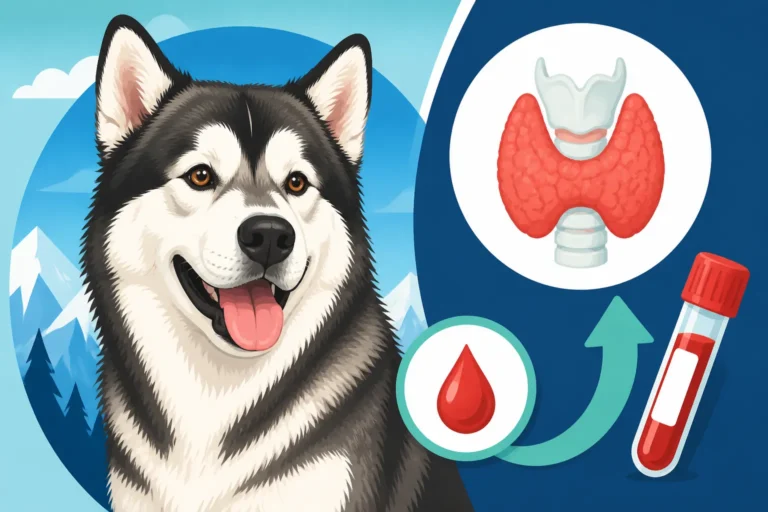
To confirm a zinc deficiency, your vet might recommend a skin biopsy. This involves taking a small tissue sample from an affected area under local anesthetic and sending it to a specialized lab. The histopathology report will look for specific changes in the skin cells that are consistent with zinc deficiency. While blood tests for zinc levels exist, they can be notoriously unreliable because most of the body's zinc is stored within cells, not freely circulating in the blood. A normal blood zinc level doesn't always rule out a cellular deficiency, making the skin biopsy a more definitive diagnostic tool for the dermatosis. For a deeper dive into the underlying cause, especially if a genetic issue is suspected, a DNA test for Malamute dwarfism (chondrodysplasia), which is often linked to zinc malabsorption, might be considered, as Zinc Is the Thread Running Through Three Malamute Diseases. While there isn't a direct "zinc absorption gene" test widely available for all Malamutes, understanding their breed's predisposition is key.
Differentiating Genetic from Dietary Causes
The most effective way to truly differentiate between genetic and dietary causes is often through a therapeutic trial. This typically involves starting your Malamute on high doses of a highly bioavailable zinc supplement under veterinary supervision. This isn't just any zinc supplement you pick up from the store; it's usually a specific formulation and dosage prescribed by your vet, sometimes significantly higher than standard recommendations. You might be curious about Which Zinc Supplement Suits a Malamute for such cases.
If your Malamute shows a significant and rapid improvement in their skin condition and general health within a few weeks, it strongly suggests zinc deficiency. The next step is to observe how they respond to a more moderate, long-term supplementation regimen. If they relapse without supplementation, it points towards a chronic malabsorption issue, likely genetic. If, however, they improve on supplements and can then maintain health on a balanced diet with regular but not excessive zinc supplementation, it might indicate that dietary factors were the primary cause. It's crucial to work closely with your vet throughout this process. They can help monitor progress and adjust treatment as needed. Facing these extensive diagnostic tests and potential lifetime of supplements can feel overwhelming, but many owners find peace of mind with pet insurance plans like those offered by Healthy Paws, which can help cover these ongoing costs, allowing you to focus on your dog's health rather than the financial strain.
Long-Term Management and Prevention Strategies
Once you've identified whether your Malamute's zinc issue is rooted in genetics, diet, or a combination, the focus shifts to effective long-term management. This isn't usually a "one-and-done" fix; it's an ongoing commitment to ensure your Malamute thrives.
Tailored Supplementation and Dietary Adjustments
For Malamutes with a confirmed genetic predisposition, the reality is that they will likely need zinc supplementation for life. This might sound daunting, but it becomes a normal part of their daily routine, much like administering any other medication. The key is finding the right dosage and form of zinc that their body can actually utilize. Your vet will typically start with a higher "loading" dose to replenish stores and then gradually reduce it to a maintenance dose, carefully monitoring your dog's response. It’s a common question, Whether a Malamute Needs Zinc for Life, and for many, the answer is a resounding yes. Regular check-ups will be essential to adjust the dose as needed, considering factors like age, activity level, and any changes in their overall health.
Beyond supplementation, dietary adjustments remain important. Even with supplements, choosing a diet that supports zinc absorption rather than hindering it can make a significant difference. This means avoiding excessively high-calcium foods and opting for foods with lower phytate content if possible. Some owners prefer to feed commercial diets specifically formulated for sensitive skin or digestive issues, while others work with their vet to craft a home-prepared diet that carefully balances all nutrients, including zinc. Discussing these options with your vet is paramount to create a diet plan that is sustainable and beneficial for your specific Malamute. Your vet may even recommend specialized testing to figure out What Zinc Testing Costs a Malamute Owner if the initial response to treatment is not as expected.
Monitoring and Ongoing Care
Living with a Malamute that has a zinc absorption issue requires vigilant observation and consistent care. You'll become intimately familiar with your dog's skin and coat, regularly checking for any returning crusts, redness, or hair loss around their eyes, muzzle, or pressure points. Early detection of a relapse means you can address it quickly, often by temporarily increasing the zinc dose before the symptoms become severe.
Regular veterinary visits are also non-negotiable. These check-ups allow your vet to assess your Malamute's overall health, monitor the effectiveness of the zinc therapy, and catch any secondary infections early. Sometimes, even with consistent zinc, your Malamute might experience flare-ups, possibly due to stress, seasonal changes, or other underlying health issues. In such cases, your vet might recommend additional treatments, such as medicated shampoos for skin infections, antibiotics, or anti-inflammatory medications to manage discomfort. It’s also wise to consider the long-term financial implications of ongoing care; knowing that pet insurance providers like Healthy Paws can help with these continued veterinary expenses provides much-needed reassurance. By combining diligent at-home care with regular professional oversight, you can help your Malamute live a comfortable and happy life, despite their unique genetic challenge.
Disclaimer
The information provided in this article is for educational purposes only and is not intended as a substitute for professional veterinary advice. Always consult with your veterinarian for any health concerns or before making any decisions related to your Alaskan Malamute's health, diet, or treatment plan.