Whether Malamute Chondrodysplasia Is Recessive
It's incredibly frustrating when you discover that a beloved breed, known for its majestic presence and working spirit, carries a hidden genetic predisposition to conditions like chondrodysplasia. For many Alaskan Malamute owners and prospective families, the scientific jargon surrounding inherited diseases can be confusing, especially when trying to understand how such traits are passed down. This comprehensive guide aims to demystify the genetics of Malamute chondrodysplasia, specifically focusing on its recessive inheritance pattern, to help you make informed decisions and better care for these magnificent dogs.
Understanding Chondrodysplasia in Alaskan Malamutes
Chondrodysplasia, often referred to as dwarfism, is a genetic disorder that affects the growth and development of cartilage and bone. In Alaskan Malamutes, it's a specific type of skeletal dysplasia that results in disproportionately short limbs. While the body often develops normally, the legs remain noticeably shorter, leading to a distinctive appearance and potential health challenges. It's not just a cosmetic difference; this condition can impact a dog's mobility and overall well-being.
What is Chondrodysplasia?
At its core, chondrodysplasia in Alaskan Malamutes is a hereditary condition characterized by abnormal cartilage development, which in turn impairs the growth of long bones. Think of it this way: for a dog's bones to grow to their proper length, cartilage at the growth plates needs to expand and then ossify, or turn into bone. In Malamutes affected by chondrodysplasia, this process is disrupted. The cartilage cells don't proliferate or mature correctly, causing the growth plates in the legs to close prematurely or develop abnormally. This leads to legs that are significantly shorter and sometimes bowed, while the body and head typically grow to a normal size for the breed, creating a distinct, somewhat squat appearance.
This genetic defect, identified as a mutation in the IFT80 gene, interferes with the fundamental building blocks of skeletal structure. Instead of smoothly elongating, the bones in the limbs, particularly the radius and ulna in the front legs, and the tibia and fibula in the hind legs, simply don't achieve their intended length. This isn't a problem that can be fixed with diet or exercise; it's hardwired into the dog's DNA, affecting their skeletal architecture from birth. The consequence is a dog that might look like a regular Malamute's head and torso placed on much shorter legs, which can be quite striking and, for an unsuspecting owner, very surprising.
The Visible Signs of a Dwarf Malamute
When you're looking at a Malamute puppy, it can be hard to spot early signs of chondrodysplasia because many puppies appear normal at birth. However, as they grow, the tell-tale signs become more pronounced, typically becoming visible around three to four weeks of age. For more details on this, you might find our article on The Week a Dwarf Malamute's Legs Fall Behind particularly insightful. The most obvious sign is the significant shortening of the limbs. Their legs will appear stout and sturdy, but just not long enough for their body. This disproportionate growth is key, as the body and head usually reach a standard Malamute size.
Beyond just short legs, you'll often notice other physical characteristics. Many chondrodysplastic Malamutes develop bowed front legs, where the forelegs curve outwards. This is due to the uneven growth of the bones in the lower leg. Their gait might also appear awkward or waddling, and they may have difficulty moving around compared to their unaffected littermates. The overall impression is a powerful, broad-chested dog, but one that is much closer to the ground than a typical Malamute. While these dogs are undeniably adorable in their unique way, it’s important to understand that these physical traits stem from a medical condition, not just a variation in size.
Early Detection and Diagnosis
Detecting chondrodysplasia early is crucial for understanding a puppy’s future needs and for responsible breeding practices. As mentioned, while a dwarf Malamute puppy might look normal at birth, the signs usually become apparent by three to four weeks. Breeders who are experienced and vigilant will notice that the puppy's legs are not growing at the expected rate compared to its littermates. This is the period where the discrepancy in limb length really starts to stand out. If you're looking at a puppy and wondering about its potential, paying close attention to leg length relative to body size is a good indicator. To understand this progression further, explore The Age Malamute Dwarfism Becomes Visible.
Diagnosis typically involves a veterinary examination, where the vet will assess the dog’s gait and palpate its limbs for any abnormalities. X-rays are the definitive diagnostic tool. They will clearly show the characteristic skeletal abnormalities, such as shortened, thickened, and sometimes bowed long bones, and irregularities in the growth plates. It’s a straightforward diagnostic process once the physical signs are apparent. Beyond physical examination and X-rays, there are now DNA tests available that can confirm the presence of the genetic mutation responsible for chondrodysplasia. This genetic testing is a game-changer for breeders, allowing them to identify carriers and affected dogs even before breeding, which brings us to the core of understanding why this condition persists.
The Recessive Nature of Malamute Chondrodysplasia
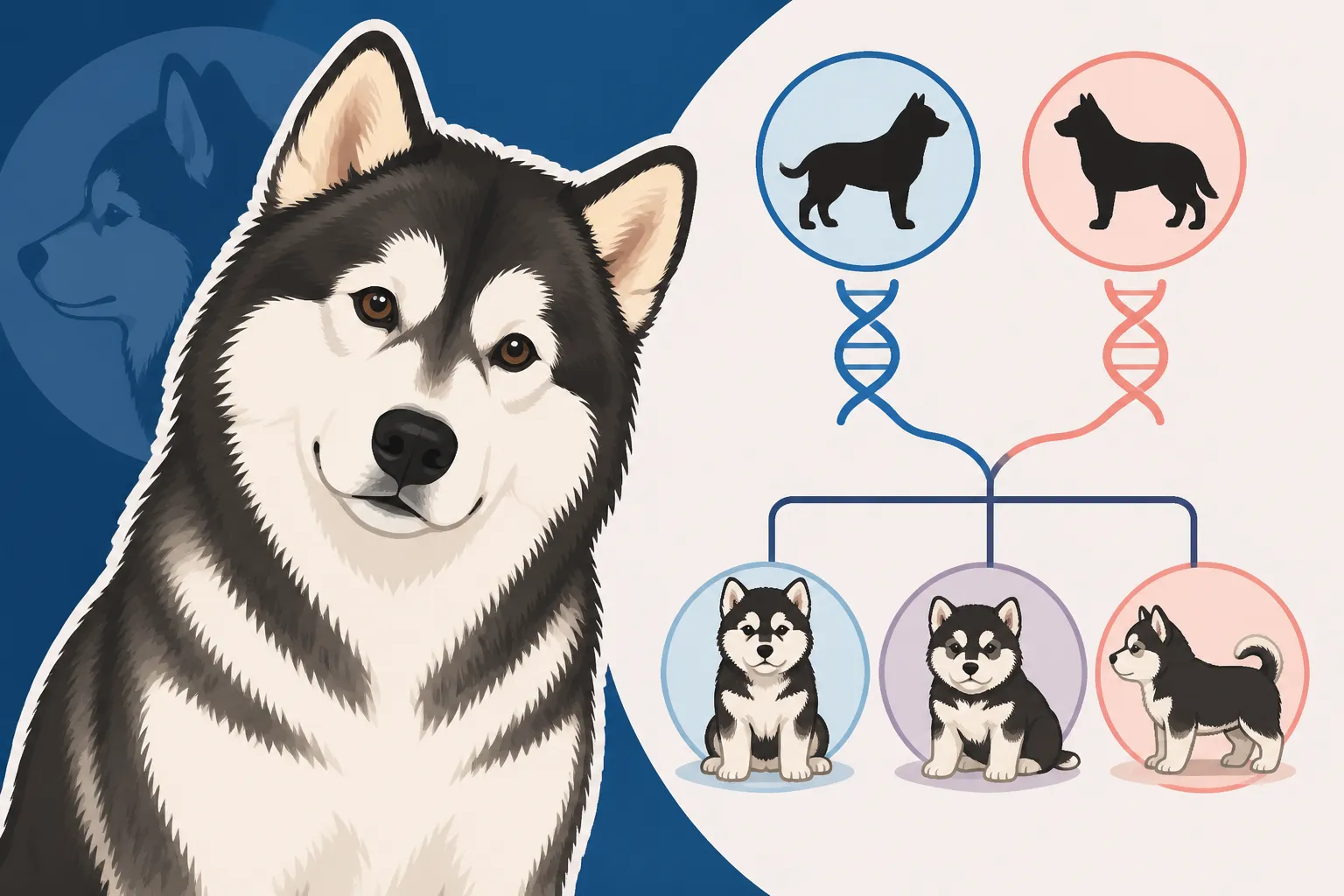
Understanding that Malamute chondrodysplasia is a recessive genetic trait is absolutely vital for anyone involved with the breed, whether as an owner, breeder, or enthusiast. It's why two seemingly healthy, normal-sized Malamutes can produce a litter containing puppies with this form of dwarfism. The concept of recessive inheritance can feel a bit like trying to solve a puzzle with invisible pieces, but once you grasp it, the picture becomes much clearer.
Decoding Recessive Inheritance
In the world of genetics, "recessive" means that an individual needs to inherit two copies of a particular gene mutation – one from each parent – for the trait or condition to actually manifest. If an individual only inherits one copy of the mutated gene and one normal copy, they won't show any outward signs of the condition. Instead, they become what's known as a "carrier." Think of it like this: the normal, dominant gene is like a loud voice, and the recessive gene is a whisper. If you have one loud voice and one whisper, you only hear the loud voice. You need two whispers for that sound to be heard.
For chondrodysplasia in Alaskan Malamutes, this means that a dog can carry the gene for the condition without ever showing any symptoms of dwarfism. These dogs appear perfectly healthy and normal. This is precisely why recessive conditions can be so frustrating and difficult to eradicate from a breed. Breeders might unknowingly breed two carriers together, believing both parents are "clear" of any genetic issues because they don't look affected. It’s a silent perpetuator of the gene through generations, making genetic testing for carriers critically important to prevent affected puppies from being born.
How Chondrodysplasia Genes Are Passed On
The way chondrodysplasia genes are passed on follows predictable patterns of Mendelian inheritance. Each parent contributes one gene to their offspring for each trait. When we're talking about a recessive gene like the one for chondrodysplasia, there are three possible genetic statuses a Malamute can have:
- Clear: The dog has two copies of the normal gene (no mutation). It cannot develop chondrodysplasia and cannot pass the mutated gene on.
- Carrier: The dog has one normal gene and one copy of the mutated gene. It does not develop chondrodysplasia itself but can pass the mutated gene on to its offspring.
- Affected: The dog has two copies of the mutated gene. It will develop chondrodysplasia.
Let's look at the breeding possibilities:
| Parent 1 Status | Parent 2 Status | Probability of Offspring |
|---|---|---|
| Clear (NN) | Clear (NN) | 100% Clear (NN) |
| Clear (NN) | Carrier (NC) | 50% Clear (NN), 50% Carrier (NC) |
| Clear (NN) | Affected (CC) | 100% Carrier (NC) |
| Carrier (NC) | Carrier (NC) | 25% Clear (NN), 50% Carrier (NC), 25% Affected (CC) |
| Carrier (NC) | Affected (CC) | 50% Carrier (NC), 50% Affected (CC) |
| Affected (CC) | Affected (CC) | 100% Affected (CC) |
This table clearly illustrates why breeding two carriers together is a risky gamble, as it carries a 25% chance of producing affected puppies in each litter. Even breeding a carrier to an affected dog (which is highly discouraged) would result in a 50% chance of affected puppies. The frustrating part for breeders and owners alike is that those carrier dogs appear completely normal, offering no physical clues to their genetic status.
Why Carriers Are So Important
Carriers are the unsung heroes and potential villains in the story of recessive genetic diseases. They are genetically healthy themselves, living full, active lives without any signs of chondrodysplasia. Yet, they carry the blueprint for the condition, ready to pass it on. This means they are essential to understand because, without proper testing, they can inadvertently spread the gene through a breed's population. It's not the fault of the individual carrier dog, of course, but rather a challenge of managing a breed's genetic health.
For breeders, identifying carriers is paramount. A responsible breeder will use DNA testing to know the genetic status of all their breeding stock. While the ultimate goal might be to produce only clear offspring, carriers can still be part of a thoughtful breeding program, especially if they possess other desirable traits. For instance, a carrier might be bred to a known "clear" dog. In such a pairing, while 50% of the offspring will likely be carriers, none will be affected by the disease. This strategy allows valuable genetic lines to continue while still preventing the birth of affected puppies. Understanding Whether a Carrier Malamute Can Be Bred is a key discussion point in ethical breeding. The offspring from such a pairing would then need to be tested themselves to determine their status before being considered for breeding in the future.
The Impact on Breeding Programs and Ethical Considerations
The existence of recessive genetic diseases like chondrodysplasia places a significant responsibility on Alaskan Malamute breeders. It’s not enough to simply look at two healthy dogs and assume their offspring will be equally healthy. The potential for hidden genetic traits requires a proactive and ethical approach to breeding, prioritizing the long-term health of the breed over convenience or aesthetics.
The Perils of Breeding Untested Dogs
Imagine the heartbreak: you've welcomed an adorable Malamute puppy into your home, full of dreams for adventures and companionship. As weeks turn into months, you start to notice something isn't quite right with their legs. Suddenly, you're faced with the reality of a chondrodysplastic dog. This scenario is a direct consequence of breeding untested dogs. When breeders skip the crucial step of DNA testing their breeding stock for recessive conditions like chondrodysplasia, they are essentially rolling the dice with every litter. They might believe they are producing healthy puppies because the parents appear sound, completely unaware that both parents could be carriers.
The financial and emotional toll on new owners can be immense. Caring for a dog with a genetic condition often involves more veterinary visits, potential orthopedic issues as they age, and sometimes specialized care. While many owners rise to the challenge with incredible love and dedication, it's a burden that could often be prevented. The unpredictability of these pairings also makes it hard for a buyer to have confidence in a puppy from an untested litter. This is why our article on Whether an Untested Alaskan Malamute Litter Is Worth Buying emphasizes extreme caution. For the breeder, the long-term damage to their reputation and the potential for a lifetime of health issues for the puppies they've brought into the world are very serious considerations.
The Role of DNA Testing in Prevention
Thankfully, scientific advancements have provided breeders with powerful tools to combat genetic diseases. DNA testing for Malamute chondrodysplasia is a relatively simple and highly effective way to identify a dog's genetic status – whether they are clear, a carrier, or affected. A simple cheek swab or blood sample can be sent to a specialized laboratory, and within a few weeks, breeders receive definitive results. Knowing this information allows them to make fully informed decisions about which dogs to breed together, ensuring they never produce an affected puppy.
For example, a breeder with a valuable female who is a carrier might still want to use her in their program due to her excellent temperament, conformation, or working ability. Armed with her DNA test results, they can make sure to only breed her with a male who has tested "clear" for chondrodysplasia. This strategy effectively eliminates the risk of producing affected puppies while still utilizing important genetic lines. It’s a testament to responsible breeding and a commitment to the health of the Alaskan Malamute breed. Our article on Whether Malamute Dwarfism Has a DNA Test goes into more detail about the availability and importance of this screening.
Ethical Breeding Practices for Malamutes
Ethical breeding goes far beyond just producing beautiful puppies; it's about safeguarding the health and future of the entire breed. For Alaskan Malamutes, this means embracing transparency and proactive health screening, especially for known genetic conditions like chondrodysplasia. Here are some key ethical practices:
- Mandatory DNA Testing: All breeding stock should undergo DNA testing for chondrodysplasia. Reputable breeders won't guess; they'll know the genetic status of their dogs.
- Selective Breeding: The goal is to reduce and eventually eliminate the chondrodysplasia gene from the gene pool. This means avoiding breeding two carriers together, and ideally, breeding carriers only to clear dogs to minimize carrier offspring while still preserving valuable traits.
- Transparency with Buyers: Ethical breeders are open and honest about the health testing they've conducted and are willing to share the results of The Health Tests Both Alaskan Malamute Parents Should Have with prospective puppy buyers. They will also educate buyers about the genetic status of their puppy's parents.
- Health Guarantees: Many responsible breeders offer health guarantees that cover genetic conditions. This isn't just a legal document; it's a demonstration of their confidence in their breeding program and their commitment to their puppies' well-being.
- Record Keeping and Pedigrees: Meticulous record-keeping, including health test results and lineage, helps track genetic traits through generations, aiding in making informed breeding decisions for the future.
By adhering to these practices, breeders not only prevent the unnecessary suffering of affected puppies but also contribute to a healthier, more robust Alaskan Malamute population for generations to come.
Living with a Chondrodysplastic Malamute
Discovering your Alaskan Malamute has chondrodysplasia can be a difficult moment, but it's important to remember that these dogs are still full of personality, love, and potential. While they require some special considerations, a chondrodysplastic Malamute can absolutely lead a fulfilling and joyful life with proper care and attention. Their unique physical structure means their needs will differ slightly from a standard-sized Malamute, but their heart and spirit remain pure Malamute.
Health Challenges and Management
The most significant challenges for a chondrodysplastic Malamute often revolve around their skeletal structure. Their shortened and sometimes bowed limbs can put abnormal stress on their joints, making them more prone to orthopedic issues as they age. Conditions like arthritis, patellar luxation (kneecap dislocation), and elbow dysplasia can be more prevalent. While Hip Dysplasia in an Alaskan Malamute is a concern for all Malamutes, the atypical limb structure in dwarf dogs can exacerbate joint problems.
Managing these health challenges involves a multi-faceted approach. Regular veterinary check-ups are essential to monitor joint health and address any emerging issues promptly. Pain management, often involving anti-inflammatory medications or joint supplements, might become a part of their routine care. Maintaining a healthy weight is paramount to reduce stress on their joints. Any excess weight will only make mobility more difficult and worsen joint pain. Your vet can recommend a specific diet and exercise plan tailored to your dog's needs. While a health insurance plan from providers like Healthy Paws can't prevent these conditions, it can certainly ease the financial burden of ongoing veterinary care and potential specialist consultations for orthopedic issues.
Daily Care and Lifestyle Adjustments
Adapting daily care and lifestyle for a chondrodysplastic Malamute is about making their world as accessible and comfortable as possible. Their shorter stature means simple things like jumping onto a couch, climbing stairs, or getting into a car can be more challenging, or even dangerous if they fall incorrectly.
- Home Modifications: Consider ramps for accessing furniture or cars. Baby gates can prevent them from navigating stairs unsupervised, reducing the risk of injury. Ensure their food and water bowls are at a comfortable height – not too low, which can strain their neck, but not too high that they have to stretch excessively.
- Exercise: While they might not be built for long-distance running or heavy freighting like their standard counterparts, chondrodysplastic Malamutes still need exercise to maintain muscle tone and manage weight. Short, frequent walks on soft surfaces are preferable to strenuous, high-impact activities. Supervised playtime in a secure, flat yard is also great. Pay close attention to their energy levels and signs of discomfort.
- Nutrition: A balanced diet that supports joint health and helps maintain an ideal weight is crucial. Consult with your veterinarian for specific dietary recommendations. While How Much Zinc a Chondrodysplastic Malamute Absorbs might be a specific concern for some Malamutes, focusing on overall high-quality nutrition is key.
- Comfort: Provide comfortable, orthopedic bedding to support their joints, especially as they get older. Keep them warm in colder weather, as their unique body shape might affect their ability to regulate temperature as efficiently as a full-sized Malamute.
Quality of Life and Longevity
The good news is that with dedicated care and proactive management of their health, many chondrodysplastic Malamutes can enjoy a wonderful quality of life and a lifespan comparable to their unaffected peers. It’s not a terminal condition, nor does it inherently cause constant pain, especially if managed well. These dogs still retain the characteristic Malamute personality – affectionate, intelligent, and often very stubborn!
Their unique needs mean they might not be able to participate in intense activities like competitive weight pulling, but they thrive on companionship, mental stimulation, and gentle exercise. Focus on activities that they enjoy and can do safely, such as puzzle toys, short scent games, or gentle walks. For those concerned about their long-term well-being, exploring Whether a Dwarf Malamute Lives a Normal Span can provide further reassurance. The most important factor for their longevity and happiness is a loving home committed to understanding and meeting their specific needs. Regular veterinary care, attentive owners, and a safe, adapted environment allow these special Malamutes to flourish and become cherished members of their families.
Dispelling Myths and Misconceptions
When a genetic condition like chondrodysplasia results in a distinctly different appearance, it's inevitable that myths and misunderstandings will arise. For the Alaskan Malamute, these misconceptions can range from confusing dwarfism with a desirable "miniature" version of the breed to underestimating the continued importance of genetic testing. Clearing up these inaccuracies is essential for responsible ownership and breeding.
"Miniature Malamutes" vs. Dwarfism
One of the most concerning myths surrounding chondrodysplasia is the idea that it creates a "miniature Alaskan Malamute." Unfortunately, some unscrupulous individuals or puppy mills might even try to market dwarf Malamutes as rare or desirable "miniature" versions of the breed, sometimes at inflated prices. It's crucial to understand that there is no recognized miniature version of the Alaskan Malamute breed. Any dog marketed as such is likely either a mixed breed or a Malamute affected by chondrodysplasia or another form of dwarfism. This is a genetic defect, not a purposeful breeding for a smaller size.
The distinction is critical because true miniature breeds are developed over many generations through careful, selective breeding to maintain all the health, temperament, and conformational traits of the standard breed, just in a smaller package. Dwarfism, on the other hand, is the result of a genetic mutation that causes abnormal development. While an affected Malamute might be endearing, it comes with potential health complications that a genuinely miniaturized breed would not typically have. Awareness is key; if you encounter someone selling a "miniature Malamute," be wary and educate yourself on Whether Dwarf Malamutes Are Sold as Miniatures before making any decisions.
The Difference Between Chondrodysplasia and Other Growth Issues
It's easy to lump all growth-related issues under one umbrella, but chondrodysplasia is a very specific type of dwarfism. It's important to differentiate it from other conditions that might affect a dog's size or growth, which can sometimes be confused with genetic dwarfism. For instance, nutritional deficiencies or parasitic infections during puppyhood can stunt a dog's growth, leading to a smaller-than-average size. However, these are environmental factors, not genetic, and they usually result in a proportionately smaller dog, not one with disproportionately short limbs.
Similarly, there are other forms of skeletal dysplasias, but chondrodysplasia in Malamutes has a specific genetic cause and presentation. Pituitary dwarfism, for example, is another form of dwarfism that results from a deficiency in growth hormone and affects overall body size proportionally. This is distinct from chondrodysplasia, which primarily affects the long bones, leading to the characteristic short-legged appearance. Understanding these distinctions helps owners and breeders correctly identify and address the specific health challenges their dogs might face, rather than applying a general, potentially incorrect, diagnosis.
Why Reputable Breeders Still Test
Given that effective DNA testing has been available for some time, and responsible breeders have actively worked to eliminate the chondrodysplasia gene, you might wonder how common it still is and why continued testing is necessary. While the incidence of chondrodysplasia in Alaskan Malamutes has significantly decreased thanks to widespread genetic testing by ethical breeders, the recessive gene can still pop up. It only takes one carrier to be unknowingly bred to another carrier to produce an affected puppy. Therefore, reputable breeders remain vigilant.
Their commitment to testing is not a sign that the breed is rife with the condition, but rather a testament to their dedication to completely eradicating it. They understand that even if the risk is low, it’s still present. By consistently testing all breeding stock, they ensure that the gene pool continues to be monitored and cleansed of the mutation. This ongoing diligence is part of the broader commitment to the breed's health, alongside screening for other concerns like Hip Dysplasia in a Freighting Alaskan Malamute and other inherited conditions. It demonstrates a profound respect for the breed's future and for the families who will welcome their puppies into their homes. Healthy Paws and similar pet insurance companies appreciate this proactive approach, as it often leads to healthier pets overall.
Disclaimer
The information provided in this article is for educational and informational purposes only and does not constitute veterinary advice. Always consult with a qualified veterinarian for any health concerns or before making any decisions about your pet's health or treatment.