Whether a Carrier Malamute Can Be Bred
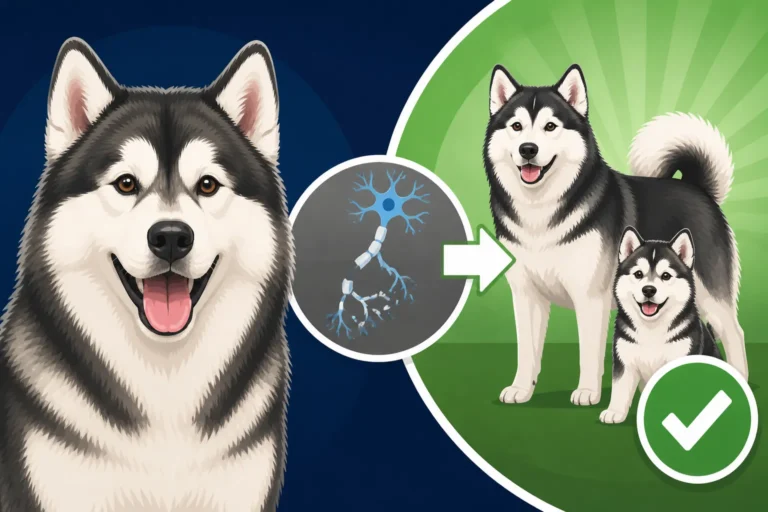
One of the most heart-wrenching dilemmas for any dedicated Alaskan Malamute breeder, or even just an owner considering a litter, is facing the reality that their beloved dog carries a genetic marker for a serious inherited disease. It’s a moment filled with anxiety and questions: Does this mean they can never contribute to the breed? Is breeding a carrier irresponsible? This guide aims to thoroughly explore the complexities of breeding a carrier Malamute, weighing the scientific facts, ethical responsibilities, and long-term implications for the breed we all cherish.
Understanding Genetic Carriers in Malamutes
When we talk about a "genetic carrier" in Alaskan Malamutes, we're diving into the fascinating yet sometimes frustrating world of genetics. It's not about a dog being sick or unhealthy itself; it's about what invisible genetic information they might pass on.
What Exactly Is a Genetic Carrier?
A genetic carrier is an animal that possesses one copy of a mutated gene for a specific inherited disease but does not exhibit any symptoms of that disease. Think of it like a secret, silent passenger in their genetic code. Most inherited diseases in Malamutes, like many other breeds, are passed down through what we call autosomal recessive inheritance. This means that for a dog to actually suffer from the disease, it needs to inherit two copies of the mutated gene – one from each parent. A carrier only has one copy, which is why they appear perfectly healthy and typically live a full, normal life without ever showing signs of the condition. They're often vigorous, beautiful examples of the breed, which makes the discovery of their carrier status so difficult for owners and breeders. They are healthy animals, but they hold the potential to pass on a specific disease if bred unwisely.
Common Inherited Conditions in Malamutes
Alaskan Malamutes, like all purebred dogs, are susceptible to certain genetic conditions that dedicated breeders work tirelessly to screen for and eradicate. Knowing these conditions is crucial for understanding why carrier status matters so much.
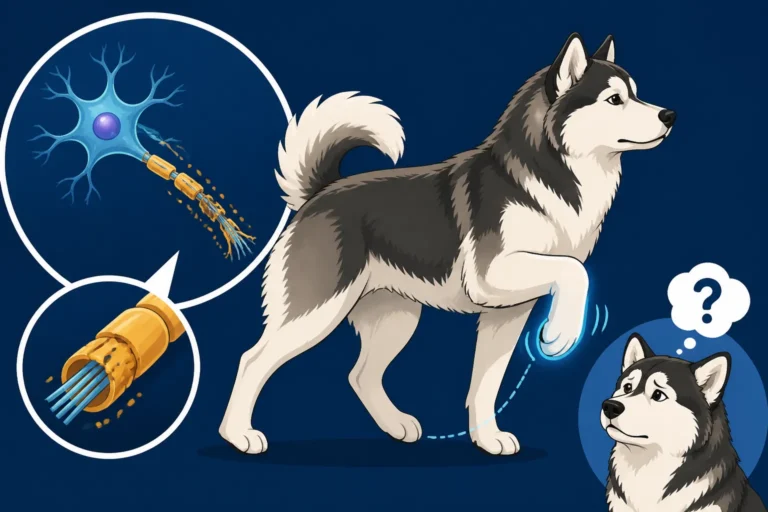
One significant example is Inherited Polyneuropathy. This is a neurological disorder that typically manifests in young adult Malamutes, causing progressive weakness, a change in bark, and difficulty breathing. A dog carrying one copy of the gene for this condition shows no signs, but if bred to another carrier, the offspring could be affected. Understanding what Inherited Polyneuropathy Does to a Malamute is vital for responsible breeding decisions.
Another condition, Chondrodysplasia, sometimes called "dwarfism," affects bone development. Dogs with two copies of the mutated gene have disproportionately short legs and other skeletal abnormalities. Carriers, again, appear entirely normal. This condition significantly impacts a dog's physical capabilities, as highlighted in "Chondrodysplasia and the Malamute That Absorbs a Quarter of Its Zinc", demonstrating the broader systemic issues linked to some genetic disorders.
Then there's Day Blindness, an inherited eye disorder where affected dogs struggle with vision in bright light. While not life-threatening, it certainly impacts a dog's quality of life. Thanks to genetic testing, Day Blindness and the CNGB3 Test That Nearly Ended It in Malamutes has seen significant progress in being managed within the breed.
Finally, Zinc Responsive Dermatosis is a condition where a Malamute's body cannot properly absorb zinc from its diet, leading to characteristic skin lesions and crusting. While often manageable with lifelong supplementation, it’s also an inherited predisposition that ties into broader health concerns, as discussed in "Zinc Is the Thread Running Through Three Malamute Diseases." These are just a few examples that illustrate why diligent genetic screening and understanding carrier status are so important for the Alaskan Malamute breed.
The Science of Recessive Inheritance and Breeding
Understanding genetics can feel a bit like a high school science class, but for responsible breeding, it’s absolutely essential. We’re talking about the fundamental rules that govern how traits, including inherited diseases, are passed from one generation to the next.
How Genetic Traits Are Passed Down
At its core, genetic inheritance in dogs, much like in humans, follows predictable patterns. Each puppy inherits two copies of every gene – one from its mother and one from its father. For recessive genetic diseases, we use a simple model. Let's say 'N' represents the normal, healthy gene, and 'm' represents the mutated gene that causes a disease.
- A dog that is Clear (healthy and not a carrier) has two normal genes: NN.
- A dog that is a Carrier (healthy but carries one mutated gene) has one normal and one mutated gene: Nm.
- A dog that is Affected (has the disease) has two mutated genes: mm.
When two dogs breed, they each pass on one of their two genes randomly to each puppy. It's like flipping a coin for each gene copy. This is why genetic testing is so powerful; it tells us what coins each parent holds, allowing us to predict the odds for the puppies. This forms the basis of what we often illustrate with a Punnett square, a simple diagram that shows all possible genetic combinations for offspring.
Risks of Breeding a Carrier with Another Carrier
This is where the most significant risk lies and why informed decisions are paramount. If you breed two carrier Malamutes together (both are Nm), the probabilities for their offspring are stark and predictable:
- 25% chance of an Affected puppy (mm): This puppy will inherit the mutated gene from both parents and will develop the disease. For conditions like Inherited Polyneuropathy, this means a puppy that will likely experience significant health challenges and a shortened life.
- 50% chance of a Carrier puppy (Nm): These puppies will be just like their parents – outwardly healthy but still carrying one copy of the mutated gene. They could, in turn, pass it on if bred without caution.
- 25% chance of a Clear puppy (NN): These puppies will inherit two normal genes and will neither develop the disease nor carry the gene.
Let's illustrate with a table:
| Parent 1 / Parent 2 | N (normal gene) | m (mutated gene) |
|---|---|---|
| N (normal gene) | NN (Clear) | Nm (Carrier) |
| m (mutated gene) | Nm (Carrier) | mm (Affected) |
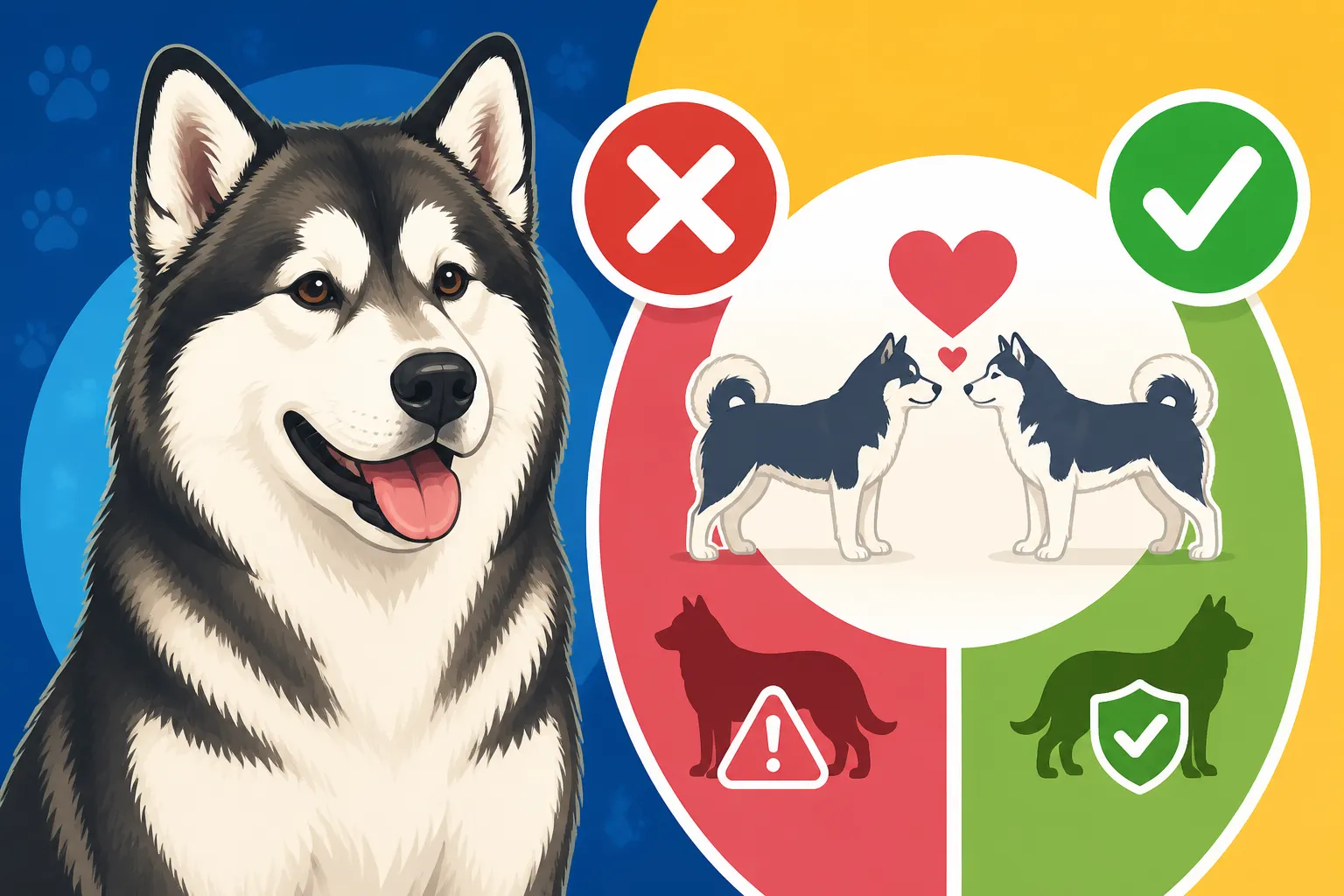
As you can clearly see from the table, when you breed two carriers, there's a very real and significant chance – one in four – that you will produce puppies that are affected by the genetic disease. This is why the advice is generally to avoid breeding two carriers together, especially given the availability of genetic tests. The potential suffering of an affected puppy is something no responsible breeder wants to risk, and it underscores why understanding "Whether Two Carrier Malamutes Should Be Bred" is such a critical discussion.
Risks of Breeding a Carrier with a Clear Dog
Now, let’s look at the much safer scenario: breeding a carrier Malamute (Nm) with a Malamute that has been tested and confirmed as "Clear" (NN) for the specific genetic condition in question. In this pairing, the outcomes are entirely different:
- 0% chance of an Affected puppy (mm): This is the crucial point. Because one parent is "Clear" (NN), they can only pass on a normal gene (N). Therefore, no puppy can inherit two copies of the mutated gene (mm), and thus, no puppy will ever be affected by the disease. This completely eliminates the immediate risk of producing sick puppies.
- 50% chance of a Carrier puppy (Nm): These puppies will inherit the normal gene from the clear parent and the mutated gene from the carrier parent. They will be healthy but will carry the gene, just like their carrier parent.
- 50% chance of a Clear puppy (NN): These puppies will inherit a normal gene from both parents. They will be healthy and will not carry the mutated gene.
Again, let’s use a table for clarity:
| Parent 1 (Clear NN) / Parent 2 (Carrier Nm) | N (normal gene) | m (mutated gene) |
|---|---|---|
| N (normal gene) | NN (Clear) | Nm (Carrier) |
| N (normal gene) | NN (Clear) | Nm (Carrier) |
This pairing strategy is widely accepted within responsible breeding circles. It allows valuable carriers to remain in the gene pool without producing affected offspring. The key is knowing for certain the genetic status of both parents through reliable DNA testing.
Ethical Considerations for Breeding Carrier Malamutes
The decision to breed a carrier Alaskan Malamute is not merely a scientific one; it's deeply rooted in ethical responsibility towards the individual dogs, the future owners, and the overall health of the breed. It asks breeders to weigh immediate concerns against long-term goals.
The Breeder's Responsibility to the Breed and Future Owners
A responsible breeder wears many hats: geneticist, caretaker, advocate, and educator. When a Malamute tests as a carrier for a genetic disease, the breeder's responsibility immediately shifts to making choices that prioritize health and welfare above all else. This means being utterly transparent with potential puppy buyers about the carrier status of a parent and, by extension, the genetic possibilities for the puppies. Imagine the heartache of a new owner who discovers their puppy is affected by a debilitating disease like Inherited Polyneuropathy, something that could have been prevented with careful breeding and clear communication.
Breeders have a moral obligation to ensure that every puppy they produce has the best possible start in life, free from preventable genetic diseases. This isn't just about avoiding a lawsuit; it's about genuine care for the animals and the families who will love them. A breeder should always provide comprehensive health testing results for both parents, including their carrier status, and be prepared to explain what these results mean for the puppies. They might also offer a health guarantee, ensuring that buyers are protected should an unforeseen issue arise, and robust pet insurance options, like those from Healthy Paws, are often recommended to new owners as an extra layer of protection for any unexpected health challenges.
Balancing Genetic Diversity with Eliminating Disease
This is perhaps the most nuanced aspect of the ethical debate. In an ideal world, we would simply remove all carriers from the breeding pool and eliminate genetic diseases entirely. However, the reality of dog breeding is far more complex. The Alaskan Malamute breed, like many others, has a relatively small gene pool compared to its wild ancestors. If we simply culled every carrier, we might inadvertently remove dogs with otherwise excellent qualities – outstanding temperament, correct structure, strong working drive, and desirable genetic traits that contribute to the breed's overall health and vigor. This drastic reduction in genetic diversity could lead to other, perhaps even worse, health problems down the line, as beneficial genes are lost and inbreeding coefficients increase.
The goal isn't just to eliminate disease, but to maintain a healthy, robust, and diverse population of Malamutes. This means that sometimes, strategically breeding a carrier with a clear dog, especially if that carrier brings other exceptional qualities to the table, is a responsible and even necessary choice. It's a calculated risk management strategy designed to preserve the best aspects of the breed while carefully controlling the risk of producing affected offspring. This thoughtful approach protects the breed's long-term viability.
The Welfare of Potential Affected Puppies
Ultimately, the strongest ethical argument against breeding two carriers together comes down to the welfare of the puppies. Producing a puppy that will suffer from a serious inherited disease, such as one affected by Chondrodysplasia and facing a lifetime of physical limitations, is a heavy burden to place on an animal and its future owners. Even with the best veterinary care, an affected dog may endure pain, discomfort, and a diminished quality of life. Considering Whether a Polyneuropathy Malamute Should Be Euthanized is a devastating decision no owner or breeder ever wants to confront, highlighting the profound impact of producing affected animals.
Responsible breeding prioritizes preventing such outcomes. It’s about more than just genetics; it's about anticipating the potential for suffering and making choices that ensure health and happiness. While genetic diversity is important, it should never come at the expense of knowingly producing sick animals. This ethical imperative drives the recommendation to always breed a carrier only to a proven "clear" mate.
Genetic Testing and Informed Breeding Decisions
In the world of modern dog breeding, genetic testing has become an indispensable tool. It takes the guesswork out of inheritance and empowers breeders to make truly informed decisions, dramatically improving the health trajectory of breeds like the Alaskan Malamute.
The Importance of DNA Testing for Common Malamute Diseases
Gone are the days when breeders had to rely solely on pedigrees and the appearance of symptoms in previous generations. Today, thanks to advances in veterinary genetics, we have reliable DNA tests for many inherited diseases. For Alaskan Malamutes, this includes critical tests for conditions like Inherited Polyneuropathy, Chondrodysplasia, and Day Blindness. These tests are usually simple buccal (cheek) swabs or blood samples that can be sent to specialized veterinary genetic laboratories. The results provide definitive answers about a dog's genetic status: clear, carrier, or affected.
The importance of this testing cannot be overstated. It allows breeders to proactively identify carriers and plan pairings that prevent the birth of affected puppies. Without testing, even the most conscientious breeder could unknowingly breed two carriers, with the heartbreaking 25% chance of producing affected offspring. This proactive approach saves future generations from preventable suffering and ensures that the considerable effort involved in raising a litter goes towards healthy, thriving puppies. Moreover, it allows for a precise understanding of the lineage's health profile, moving beyond assumptions or anecdotal evidence. A comprehensive overview of "The Health Tests Both Alaskan Malamute Parents Should Have" highlights the broad spectrum of screening available and recommended.
How to Interpret Test Results
Once you receive your Malamute's genetic test results, it's crucial to understand what they mean. The language used by genetic labs is generally straightforward, but knowing the implications is key:
- "Clear" or "Normal": This means your Malamute has two copies of the normal gene (NN) and is not affected by the disease nor does it carry the mutated gene. This dog can be safely bred to any other Malamute without the risk of producing affected puppies for that specific condition.
- "Carrier": As we've discussed, this means your Malamute has one normal gene and one mutated gene (Nm). The dog is healthy and will not develop the disease. However, if bred to another carrier, there's a 25% chance of producing affected puppies. If bred to a clear dog, there's a 50% chance of producing carrier puppies and 50% clear puppies, but no affected ones.
- "Affected": This means your Malamute has two copies of the mutated gene (mm) and will either develop or already shows symptoms of the disease. These dogs should generally not be bred, as they will pass one mutated gene to 100% of their offspring.
It's also important to note that these tests are disease-specific. A dog might be a carrier for Polyneuropathy but clear for Day Blindness. Each condition requires its own test, or a comprehensive panel that covers multiple conditions, such as those offered by services like Embark. For instance, "The DNA Test That Finds Malamute Polyneuropathy" is specifically designed for that condition and provides a definitive answer for that particular genetic marker.
Using Test Results to Make Pairing Choices
This is where all the genetic knowledge comes together to form responsible breeding strategies. With test results in hand, breeders can plan pairings with confidence:
- Always breed a carrier to a clear dog. This is the golden rule. If your Malamute is a carrier (Nm), choose a mate that has been tested and is "Clear" (NN) for the same condition. This ensures that no affected puppies (mm) will be produced. While some puppies will still be carriers (Nm), they will be healthy, and their owners can then make informed decisions about their own breeding potential (i.e., also breeding them only to clear mates).
- Avoid breeding two carriers together. As established, this carries a 25% risk of producing affected puppies, which is ethically unsound given the availability of testing.
- Do not breed affected dogs. Dogs that are affected by a genetic disease (mm) should not be bred, as they will pass on a mutated gene to all of their offspring, guaranteeing that all puppies will be at least carriers.
By diligently applying these principles, breeders can make significant strides in reducing the incidence of genetic diseases within the Alaskan Malamute breed, preserving its health and integrity for future generations. This careful planning ensures that the long-term well-being of the breed is always at the forefront of every breeding decision.
Strategies for Breeding Carrier Malamutes Safely
So, we've established that breeding a carrier isn't automatically a no-go. In fact, for the health and vitality of the Alaskan Malamute breed as a whole, it can sometimes be a responsible and even necessary decision. The key is how it's done.
Pairing Carriers with "Clear" Mates
This is the cornerstone of responsible breeding for genetic carriers. If you have a Malamute that has tested as a carrier (Nm) for a particular recessive genetic disease, your breeding strategy for that dog is clear: only breed them to a mate that has been tested and confirmed as "Clear" (NN) for the exact same condition.
Why is this so important? Because a "Clear" dog can only pass on a normal gene (N). Therefore, even if your carrier Malamute passes on its mutated gene (m), the puppy will always receive a normal gene (N) from the "Clear" parent, resulting in a healthy carrier puppy (Nm). There will be no affected puppies (mm) in the litter.
This strategy ensures that you never produce a puppy that will suffer from the disease. While approximately 50% of the litter will likely be carriers themselves, they will be healthy, and their carrier status can be managed by their future owners through continued genetic testing and responsible breeding choices. This method allows breeders to utilize dogs with excellent conformation, temperament, or working abilities who might otherwise be removed from the gene pool due to their carrier status, thus maintaining genetic diversity without compromising the immediate health of the offspring.
The Argument for Keeping Carriers in the Gene Pool
The idea of simply eliminating all carriers from the breeding pool might seem like the quickest way to get rid of genetic diseases. However, this approach can have severe unintended consequences for the breed's long-term health. If a specific genetic mutation is widespread, or if the carrier dog possesses other extremely valuable traits, removing all carriers could drastically shrink the available gene pool.
Consider a carrier Malamute that is otherwise a superb example of the breed: excellent health (apart from the carrier status), phenomenal temperament, strong working drive, correct structure, and a unique genetic lineage not widely represented. If such a dog were automatically excluded from breeding, its valuable genes – which contribute positively to the breed's overall robustness – would be lost forever. This narrowing of the gene pool can lead to increased inbreeding, which in turn can bring about new or exacerbate existing health problems that aren't even on our radar yet.
By carefully and strategically breeding carriers to clear mates, we can effectively dilute the problematic gene over generations, reducing its prevalence without sacrificing crucial genetic diversity. This is a slower, more deliberate process, but it is ultimately healthier for the breed as a whole, allowing time for informed choices to be made with each new generation. This strategy is vital for preventing the loss of valuable characteristics that define the Alaskan Malamute.
The Role of Health Guarantees and Buyer Education
When breeding a carrier Malamute (even to a clear mate), transparency and education are paramount. Reputable breeders will always provide a written health guarantee with their puppies. This guarantee should explicitly state the health tests performed on the parents, their results (including carrier status), and outline the breeder's responsibility should a genetic health issue arise in the puppy. For instance, a guarantee might cover a puppy being found to be affected by Polyneuropathy, even though careful breeding reduces this risk significantly.
Beyond the guarantee, comprehensive buyer education is critical. Puppy buyers need to fully understand that their puppy, if from a carrier x clear pairing, has a 50% chance of being a carrier itself. This isn't a flaw; it's a genetic reality they must be prepared for if they ever consider breeding their own Malamute. The breeder should explain what being a carrier means, the importance of future genetic testing for any offspring, and how to make responsible breeding choices if their puppy turns out to be a carrier.
Furthermore, responsible breeders often recommend pet insurance from reputable providers like Healthy Paws. While health guarantees cover certain genetic issues, a comprehensive pet insurance plan offers broader financial protection against unforeseen accidents or illnesses that any dog, regardless of genetic background, might face. It’s about empowering new owners with all the information and tools to provide the best possible life for their Malamute. This open communication fosters trust and ensures informed decisions at every step of a Malamute's life.
The Long-Term Impact on the Alaskan Malamute Breed
The collective decisions made by breeders today regarding carrier Malamutes will undoubtedly shape the health and future of the breed for generations to come. It's a testament to the dedication of the Malamute community that we have seen significant progress, but the journey is ongoing.
Progress in Reducing Inherited Diseases
Thanks to widespread genetic testing and the responsible breeding practices adopted by many dedicated individuals, there has been remarkable progress in reducing the prevalence of some debilitating inherited diseases in Alaskan Malamutes. Conditions like Day Blindness, for example, which once posed a real threat, have become far less common due to breeders diligently testing breeding stock and avoiding carrier-to-carrier matings. The advent of DNA tests has essentially put a roadmap in breeders' hands, allowing them to navigate away from producing affected puppies with incredible accuracy.
This isn't just about eliminating disease; it's about improving the overall quality of life for Malamutes and their families. Fewer affected dogs mean less suffering, fewer difficult decisions for owners, and ultimately, a healthier and more robust breed. This progress is a direct result of transparency, collaboration, and a deep commitment to the future of the Alaskan Malamute, demonstrating that careful management of carrier lines can indeed lead to tangible improvements in breed health.
The Ongoing Challenge of New Genetic Discoveries
While we celebrate the successes in managing known genetic conditions, the field of canine genetics is always evolving. New research constantly uncovers previously unknown genetic markers or identifies new diseases that might have a genetic component. This means the work of responsible breeding is never truly "done." Just as we learn to manage one condition, another might emerge from the shadows, requiring new tests, new strategies, and continued vigilance.
The challenge lies in keeping up with these discoveries, integrating new tests into screening protocols, and educating the breeding community about emerging concerns. It requires ongoing investment in research, strong communication between breeders, veterinarians, and geneticists, and a willingness to adapt breeding plans based on the latest scientific evidence. It’s a continuous learning curve, but one that is essential for safeguarding the breed's future. This also reinforces why seeking veterinary advice and potentially having robust pet insurance like Healthy Paws is always a good idea, as even with testing, new health issues can appear.
The Importance of Open Data and Collaboration
One of the most powerful tools in combating inherited diseases is the open sharing of data and fostering a spirit of collaboration within the breeding community. When breeders are willing to share their Malamutes' health test results, including carrier status, it creates a much larger and more accurate picture of the genetic health of the entire breed. This allows for better-informed breeding decisions, helps identify trends, and highlights potential new areas for research. Organizations like the Alaskan Malamute Club of America, as well as breed-specific health registries, play a crucial role in facilitating this data sharing.
By collaborating, breeders can work together to strategically plan matings that preserve genetic diversity while minimizing disease risk. It moves beyond individual kennels working in isolation and fosters a collective responsibility for the breed's well-being. This might involve sharing valuable carrier dogs across different lines, or pooling resources for new research. It's a holistic approach that recognizes the interconnectedness of all Malamutes and aims for the betterment of the entire breed, ensuring a stronger, healthier future for these magnificent dogs.
Disclaimer
This article is for general informational purposes only and does not constitute professional advice. Laws, prices and regulations vary by location and change over time. Consult a qualified professional for guidance on your specific situation.