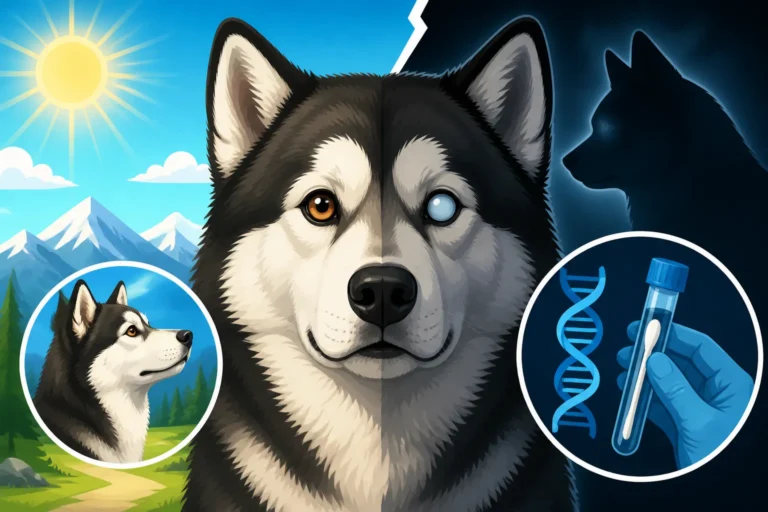
Whether a Malamute Needs Zinc for Life
It’s a common and incredibly frustrating scenario: you’ve noticed your beloved Alaskan Malamute developing some crusty, uncomfortable patches around their face or paws, and after a vet visit, you learn it’s related to zinc. You diligently follow the treatment plan, see improvement, and then a nagging question surfaces: is this a temporary fix, or will your Malamute need zinc support for the rest of their life? This guide will dive deep into the unique zinc needs of Alaskan Malamutes and clarify whether this supplementation is a lifelong commitment.
The Alaskan Malamute's Unique Zinc Conundrum
Alaskan Malamutes, along with a few other Nordic breeds, have a peculiar genetic predisposition that makes them more susceptible to zinc deficiency. It's not usually about not getting enough zinc in their diet; it's about their bodies struggling to absorb and utilize it effectively, even when it's present in adequate amounts in their food. This isn't a simple dietary oversight but a fundamental glitch in their metabolism that can lead to a condition known as Zinc Responsive Dermatosis.
Genetic Predisposition to Zinc Malabsorption
Many Malamute owners are baffled when their dog, eating a high-quality diet, suddenly develops skin issues linked to zinc. The truth is, for many, it's not a question of if there's zinc in their food, but how their body processes it. This genetic trait means that even a perfectly balanced meal might not translate into sufficient zinc availability at a cellular level. It’s like having a perfectly good fuel tank but a faulty fuel line – the fuel is there, but it’s not reaching the engine efficiently. This inherited issue is a significant factor in why a specific subset of the breed develops this condition, differentiating them from other dogs where dietary deficiency is the primary cause. Understanding this genetic link is crucial because it informs the approach to management and why it often needs to be a continuous effort.
The Difference Between Dietary Deficiency and Malabsorption
When we talk about zinc deficiency in dogs, most people think of a diet lacking this essential mineral. And while that can certainly happen, for an Alaskan Malamute, the story is often more complex. A dietary deficiency is usually easily corrected by switching to a zinc-rich food or adding a short-term supplement. However, with Malamutes, the issue frequently stems from malabsorption. Their digestive system might not efficiently transport zinc from the gut into the bloodstream, or their cells might not be able to process it correctly once it's absorbed. This fundamental difference means that simply adding more zinc to their diet might not be enough; they often need a specific form of zinc or a higher dose to overcome this inherent absorption barrier. This is why the condition is called Zinc Responsive Dermatosis in an Alaskan Malamute – because it responds to higher levels of zinc, bypassing the body's natural inefficiency.
Recognizing the Signs of Zinc Deficiency in Your Malamute
Before you even think about lifelong supplementation, it's critical to know what to look for. The symptoms of zinc deficiency in Malamutes can start subtly, and if you don't know what you're seeing, you might dismiss them as general skin irritation or allergies. Early detection can make a world of difference in your dog's comfort and the effectiveness of treatment.
Common Clinical Symptoms
The most characteristic signs of zinc deficiency in Alaskan Malamutes often appear around the eyes, muzzle, ears, and paw pads. You might notice areas of crusting, scaling, and hair loss. The skin can become thickened, red, and inflamed. Sometimes, these lesions can be itchy, leading your Malamute to scratch or rub, which can then lead to secondary bacterial or yeast infections. For instance, you might see small, dry flakes around their mouth, almost like dried food, or the edges of their eyelids might look a bit scaly. Their paw pads can become hard, cracked, and painful, making walking uncomfortable. It's a progressive condition, meaning if left untreated, these symptoms can worsen and spread, causing significant discomfort and impacting your Malamute's quality of life. Owners often wish they had known to start Reading a Malamute's Skin Before the Crusts Appear to catch these early, less severe indications.
How to Differentiate from Other Skin Conditions
This is where it gets tricky, and why a proper veterinary diagnosis is non-negotiable. Many skin conditions can present with similar symptoms, making zinc responsive dermatosis easy to misdiagnose. Allergies, bacterial infections, fungal infections, mites, and even hypothyroidism can cause skin irritation, hair loss, and scaling. For example, general itching and redness might point to environmental allergies, while localized pustules could suggest a bacterial infection. The key distinguishing factor for zinc responsive dermatosis is the location of the lesions (typically around orifices and pressure points) and its response to specific zinc supplementation. A vet might perform skin scrapings, cytology, or even a skin biopsy to rule out other causes. They might also suggest a trial of zinc supplementation to see if the symptoms improve, as this often confirms the diagnosis. It’s important to ask your vet Whether a Malamute's Skin Infections Are Secondary to the underlying zinc issue, as treating the secondary infection alone won't solve the root cause.
Dietary Factors Influencing Zinc Absorption
While the primary issue for many Malamutes is genetic malabsorption, what they eat can absolutely play a role in exacerbating or mitigating the problem. It's not just about getting enough zinc; it's also about avoiding ingredients that can actively hinder its absorption.
Foods That Can Impede Zinc Uptake
Certain ingredients found in common dog foods can act as antagonists to zinc absorption, making an already challenging situation even worse for a genetically predisposed Malamute. High levels of calcium, for instance, can interfere with zinc uptake in the gut. While calcium is essential for bone health, an excess can be detrimental. Phytates, found in some grains and legumes, are another common culprit. These compounds bind to minerals like zinc in the digestive tract, forming insoluble complexes that the body cannot absorb. This is a big reason why, even if a Malamute's kibble technically has sufficient zinc, it might not be bioavailable. Therefore, simply changing to a different "zinc-rich" food might not solve the problem if that food also contains high levels of these inhibiting factors. This is a common frustration for owners who diligently try to improve their dog's diet, only to see no change in their skin condition.
The Myth of "Zinc-Rich" Diets as a Sole Solution
Many well-meaning owners, upon learning their Malamute has a zinc issue, immediately seek out foods marketed as "zinc-rich." While this seems logical, it rarely solves the problem entirely for a genetically predisposed Malamute. As mentioned, if the underlying issue is malabsorption, simply increasing the amount of zinc in the diet through food alone often isn't enough to overcome the absorption barrier. Moreover, a food might be advertised as high in zinc, but if it also contains high levels of calcium or phytates, much of that zinc could be rendered unusable. It's a classic case of quantity versus quality of absorption. This is why for many Malamutes, addressing the issue successfully often goes beyond just diet; it requires targeted, absorbable supplementation under veterinary guidance. This understanding is key to grasping Whether Changing Food Fixes a Malamute's Zinc Deficiency, which in many cases, it simply does not on its own.
Zinc Supplementation: When, How Much, and What Type
Given the complex nature of zinc deficiency in Alaskan Malamutes, supplementation becomes a critical part of their care. However, it's not a one-size-fits-all solution, and understanding the nuances is important for effective, safe management.
The Importance of Veterinary Consultation and Diagnosis
Before you even consider reaching for a zinc supplement, it is absolutely paramount to consult your veterinarian. Self-diagnosing and self-treating can be dangerous. Zinc, while essential, can be toxic in excessively high doses, leading to symptoms like vomiting, diarrhea, anemia, and even liver damage. Your vet will perform the necessary diagnostics, which may include blood tests to check zinc levels (though these can sometimes be misleading as tissue levels are more relevant than serum levels), skin biopsies, and a thorough physical examination to rule out other conditions. Only with a confirmed diagnosis of zinc responsive dermatosis can a safe and effective supplementation plan be established. This initial consultation also helps rule out other serious health issues that might mimic zinc deficiency. The comprehensive health care costs associated with conditions requiring ongoing treatment, including specialist visits and long-term medication, can be substantial, making pet insurance providers like Healthy Paws a wise consideration for many Malamute families.
Types of Zinc Supplements and Dosages
When it comes to zinc supplements for Malamutes, not all forms are created equal. The most commonly recommended forms are chelated zinc compounds, such as zinc methionine, zinc picolinate, or zinc gluconate. These forms are typically more bioavailable, meaning the body can absorb and utilize them more efficiently than inorganic forms like zinc oxide. Your veterinarian will determine the appropriate dosage based on your Malamute's weight, the severity of their symptoms, and their individual response. It's often a process of trial and error to find the optimal dose that resolves the symptoms without causing adverse effects. For instance, a typical starting dose might be around 2-3 mg of elemental zinc per kg of body weight, given daily. However, this can vary widely, and precise guidance from your vet is essential. It is vital to follow their instructions carefully and never increase the dose without consulting them, as this is where issues of toxicity can arise. For a deeper dive into optimal forms, you might want to learn Which Zinc Supplement Suits a Malamute.
Long-Term Management and Monitoring
This is the core of the question: is it for life? For many, the answer is a resounding yes. Managing zinc responsive dermatosis in an Alaskan Malamute is typically a lifelong commitment to ensure their comfort and prevent recurrence of symptoms.
Why Ongoing Supplementation is Often Necessary
For most Malamutes diagnosed with zinc responsive dermatosis, the underlying issue is a genetic inability to properly absorb zinc, not a temporary dietary lapse. This means that once the initial symptoms are cleared with treatment, if supplementation is stopped, the symptoms will almost invariably return. It's akin to a person with diabetes needing insulin for life – their body simply doesn't produce it, or utilize it, correctly on its own. Therefore, zinc supplementation becomes a permanent part of their daily regimen. This isn't to say there won't be variations; dosages might be adjusted over time based on continued monitoring and the dog's overall health, but the need for some level of exogenous zinc usually remains. This consistent care is a testament to the dedication Malamute owners often show, ensuring their beloved companions live comfortably.
Monitoring and Adjusting Zinc Levels Over Time
Lifelong supplementation doesn't mean "set it and forget it." Regular monitoring is crucial. Your vet will likely recommend periodic check-ups to assess your Malamute's skin condition, look for any recurrence of symptoms, and potentially run blood tests to monitor overall health and zinc levels. While blood zinc levels aren't always a perfect indicator of tissue zinc availability, they can provide some guidance. More importantly, your vet will be looking at the clinical picture – how your dog's skin looks and how they feel. If symptoms start to reappear, it might indicate a need to adjust the dosage or explore other factors that could be interfering with absorption. Similarly, if your Malamute experiences any gastrointestinal upset, the zinc dosage or form might need to be re-evaluated. Establishing this ongoing relationship with your veterinarian is key to successful long-term management. These regular vet visits, along with the consistent purchase of supplements, contribute to What Zinc Supplementation Costs Over a Malamute's Life. Pet insurance, such as plans offered by Healthy Paws, can certainly help offset these predictable yet significant expenses, providing financial predictability for managing chronic conditions.
Potential for Flare-Ups and Management Strategies
Even with consistent lifelong supplementation, some Malamutes might experience occasional flare-ups of their zinc deficiency symptoms. These can be triggered by various factors, including stress, changes in diet, other illnesses, or even seasonal changes. When a flare-up occurs, it's important not to panic. The first step is to consult your veterinarian. They might temporarily increase the zinc dosage, prescribe topical treatments for the skin lesions, or address any secondary infections that have developed. It's a reminder that even with careful management, living with a chronic condition means being prepared for occasional setbacks. Owners should also remember that other health issues can emerge as Malamutes age, making discussions around Caring for an Alaskan Malamute Past Eight pertinent for long-term health planning. Understanding How Poor Zinc Absorption Links a Malamute's Three Disorders can also help owners anticipate potential co-occurring conditions that might affect their dog's overall health and zinc needs.
Here's a quick reference for common zinc supplements and their considerations:
| Supplement Type | Bioavailability | Common Uses & Notes |
|---|---|---|
| Zinc Methionine | High | Often preferred for dogs with malabsorption issues due to its excellent bioavailability. Less likely to cause stomach upset. |
| Zinc Picolinate | High | Another highly absorbable form. Can be effective for chronic conditions. |
| Zinc Gluconate | Moderate | Widely available, good absorption, but sometimes less effective than chelated forms for severe malabsorption. |
| Zinc Sulfate | Moderate | Readily available, but absorption can be variable and it may cause gastrointestinal upset at higher doses. |
| Zinc Oxide | Low | Poorly absorbed by the body. Generally not recommended for internal supplementation, often used topically. Not suitable for addressing systemic zinc deficiency. |
Always consult your veterinarian for the appropriate form and dosage for your individual Malamute.
Distinguishing Zinc Responsive Dermatosis from Other Skin Issues
It's easy to jump to conclusions when your Malamute develops skin problems. However, accurately diagnosing zinc responsive dermatosis is crucial, as misdiagnosis can lead to ineffective treatments and prolonged discomfort for your dog. A responsible owner understands that Whether a Malamute's Zinc Problem Is Diet or Genetics is a key question that guides the treatment strategy.
Overlapping Symptoms with Allergies and Infections
The frustrating part about skin conditions in dogs, especially in a breed like the Alaskan Malamute with its dense coat, is how similar symptoms can appear across different ailments. Redness, itching, scaling, and hair loss are common to zinc deficiency, environmental allergies, food allergies, bacterial skin infections (pyoderma), and yeast infections. For example, a Malamute with seasonal allergies might chew at their paws, causing irritation that looks somewhat like the thickened pads of zinc deficiency. Similarly, a staph infection can cause crusting and pustules that could be mistaken for the initial stages of zinc dermatosis. This overlap highlights why a thorough diagnostic process, usually involving a vet, is so important. Without a proper diagnosis, you could be spending time and money on treatments that simply don't address the root cause, leading to ongoing frustration for both you and your Malamute.
The Role of Diagnostic Testing in Confirmation
To truly confirm zinc responsive dermatosis, your vet will likely employ a combination of diagnostics. Beyond the physical examination and assessment of clinical signs, skin scrapings are often performed to rule out parasites like mites. Cytology (examining skin cell samples under a microscope) helps identify secondary bacterial or yeast infections. A key diagnostic tool is often a skin biopsy, where a small piece of affected skin is surgically removed and sent to a veterinary pathologist. This can reveal characteristic cellular changes indicative of zinc deficiency, helping to distinguish it from other inflammatory skin conditions. In some cases, a therapeutic trial of zinc supplementation, carefully monitored by your vet, can also serve as a diagnostic tool – if the symptoms resolve dramatically with zinc, it strongly supports the diagnosis. Remember, this isn't a condition to guess at; definitive diagnosis is the pathway to effective and humane treatment. For those concerned about managing potential chronic illnesses, especially with breeds prone to specific conditions, it's worth exploring pet insurance options like Healthy Paws. Their comprehensive coverage can alleviate financial stress associated with frequent vet visits and specialized treatments, helping you focus on your Malamute's care without added worry.
The good news is that with accurate diagnosis and consistent, appropriate zinc supplementation, most Malamutes with zinc responsive dermatosis can lead comfortable, happy lives. It requires diligence and a close working relationship with your veterinarian, but the results are well worth the effort for your cherished companion.
Disclaimer
This article is intended for informational purposes only and does not constitute medical advice. Always consult with a qualified veterinarian for any health concerns or before making any decisions about your pet's health or treatment plan. Individual needs may vary.