How Poor Zinc Absorption Links a Malamute’s Three Disorders
It can be incredibly frustrating when your beloved Alaskan Malamute starts showing a range of seemingly unrelated symptoms – a dull coat, flaky skin, maybe even some limping or changes in their gait. You might visit the vet multiple times, chasing individual problems, without realizing they could all stem from one root cause: a genetic predisposition to poor zinc absorption. This guide will delve into how a Malamute's unique metabolic challenges can link three distinct disorders, offering a clearer path to understanding and managing these complex conditions.
The Malamute's Unique Zinc Absorption Predicament
Alaskan Malamutes, with their incredible lineage and robust build, carry a particular genetic quirk that can profoundly impact their health. Unlike many other breeds, a significant number of Malamutes struggle with efficiently absorbing zinc from their diet, even when the food itself contains adequate levels of this vital trace mineral. This isn't just a minor dietary hiccup; it's a fundamental issue rooted in their genetic makeup, making them prone to several serious health problems.
Why Zinc is So Crucial for Dogs
Zinc is an unsung hero in canine physiology. It's a fundamental mineral involved in literally hundreds of enzymatic processes throughout the body. Think of it as a tiny, indispensable wrench that helps all sorts of biological machinery function correctly. It plays a critical role in immune function, ensuring your Malamute can fight off infections effectively. It's essential for healthy skin and coat, helping maintain the integrity of their protective outer layers. Beyond that, zinc is vital for proper thyroid function, bone development, nerve signal transmission, and even reproductive health. When a Malamute can't absorb enough of this crucial nutrient, it's like trying to run an engine without enough oil – things start to grind to a halt in unexpected places. This is why when zinc absorption goes awry, the ripple effects can be widespread and devastating.
The Genetic Component of Malabsorption
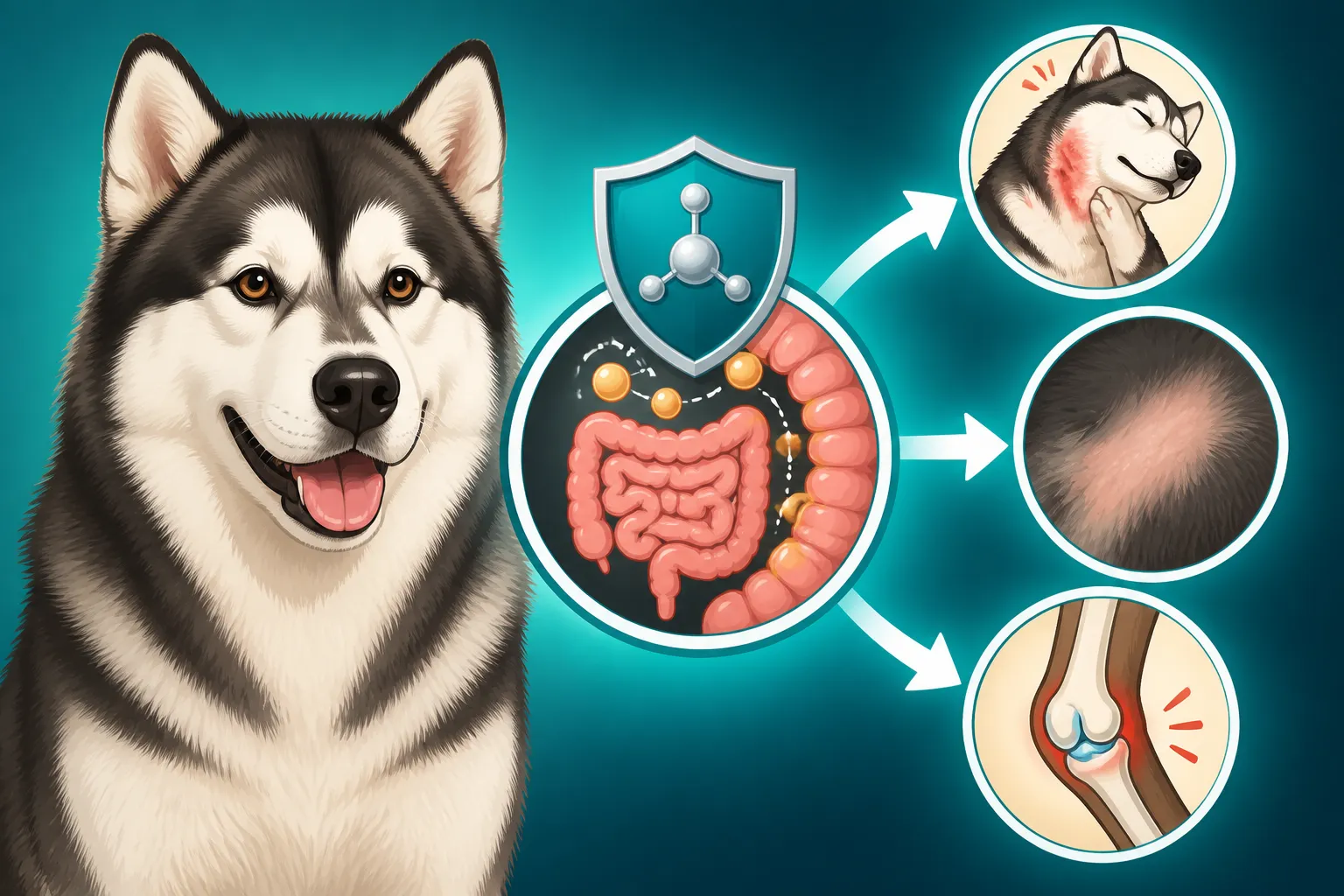
The underlying issue isn't typically that the Malamute's diet is deficient in zinc; rather, their bodies have a specific genetic predisposition that hinders their ability to uptake and utilize zinc from the gastrointestinal tract. This is a breed-specific characteristic that owners need to be acutely aware of. While research is ongoing, it's understood that certain genetic mutations interfere with the transport proteins responsible for moving zinc from the gut into the bloodstream and then to the cells that need it. This means that even if you're feeding a high-quality, zinc-rich diet, your Malamute might still be "starving" for zinc at a cellular level. This genetic hurdle explains why simply changing food often isn't enough to solve the problem and why lifelong management, sometimes including supplementation, is often necessary. Understanding Whether a Malamute's Zinc Problem Is Diet or Genetics is crucial for effective treatment.
Zinc Responsive Dermatosis: The Telltale Skin Troubles
Perhaps the most recognized and visibly distressing condition linked to poor zinc absorption in Alaskan Malamutes is Zinc Responsive Dermatosis (ZRD). This isn't just dry skin; it's a chronic, often painful skin disorder that arises directly from the body's inability to get enough zinc, despite adequate dietary intake. It's often the first and most obvious sign that a Malamute is struggling with zinc malabsorption.
What Zinc Responsive Dermatosis Looks Like
ZRD typically presents as distinctive skin lesions that can be quite alarming for an owner. You'll often notice crusty, scaly, and thickened skin, particularly around areas of friction and natural openings. The classic locations include the muzzle, around the eyes, on the elbows, hocks, and paw pads. The skin in these areas can become reddened and inflamed, sometimes developing secondary bacterial or yeast infections due to the compromised skin barrier. The hair coat may appear dull, brittle, and sparse in affected areas, and you might even see patches of hair loss. Owners often describe the skin as feeling rough and greasy to the touch, and it can be intensely itchy, leading to relentless scratching and further skin damage. This cycle of irritation and infection can be incredibly uncomfortable for your dog, and frustrating for you, the owner. If you're seeing signs like What a Malamute's Crusty Skin Means Zinc Deficiency, it's time to talk to your vet.
The Direct Link to Poor Zinc Absorption
The connection between ZRD and zinc malabsorption is direct and well-established. Without sufficient zinc, skin cells cannot properly mature and function, leading to hyperkeratosis (thickening of the outer layer of skin) and inflammation. Zinc is vital for cell division and the maintenance of healthy skin barriers. When this process is impaired, the skin becomes fragile, susceptible to environmental irritants, and prone to secondary infections. The lesions are a direct manifestation of this cellular-level zinc deficiency. Because the issue is absorption, not necessarily dietary intake, increasing zinc in the food alone often isn't enough. It requires a specific form of intervention, usually in the form of zinc supplementation, to bypass the absorption issue and deliver the much-needed mineral directly to the body. This is why conditions like Zinc Responsive Dermatosis in an Alaskan Malamute need dedicated management.
Chondrodysplasia: The Skeletal Anomaly
While ZRD is often the most visible, poor zinc absorption also plays a role in a more profound developmental disorder: Chondrodysplasia, sometimes referred to as dwarfism, in Alaskan Malamutes. This condition affects bone and cartilage development, leading to distinctive physical characteristics and potential lifelong challenges for affected dogs. The connection to zinc, while perhaps less intuitively obvious than with skin issues, is critical.
Understanding Malamute Dwarfism
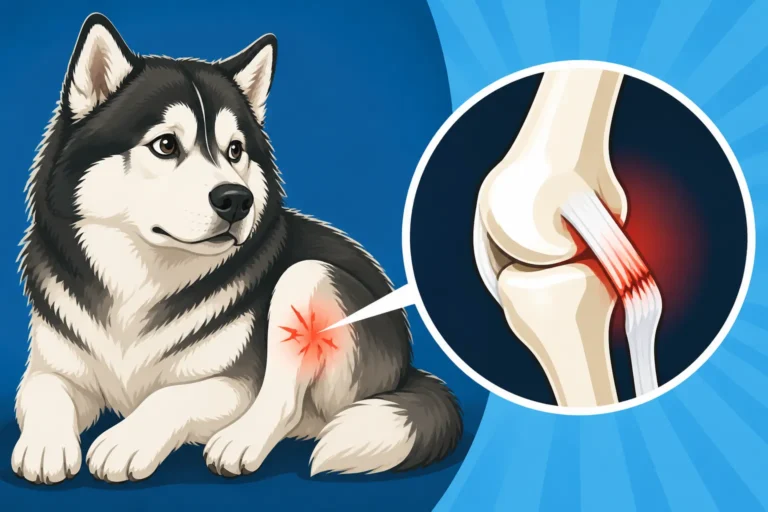
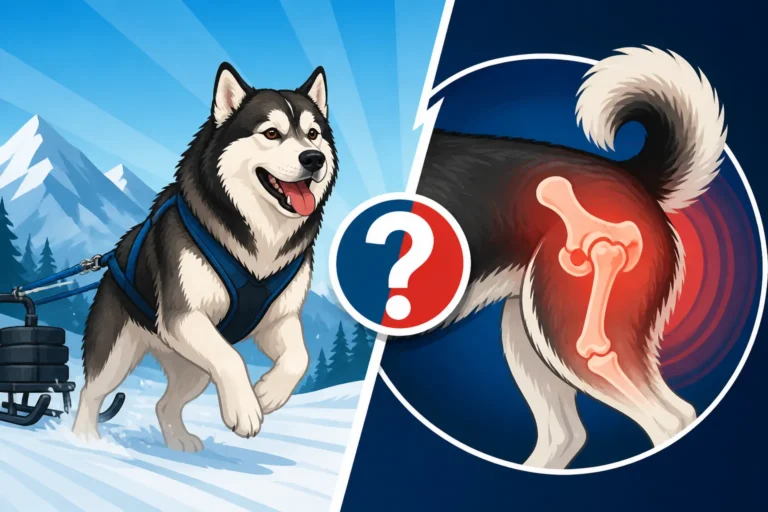
Chondrodysplasia in Malamutes is an inherited condition that impacts the normal growth of cartilage and bone, particularly in the long bones of the legs. Affected puppies will appear relatively normal at birth, but as they grow, their legs will begin to fall behind in development, becoming noticeably shorter and often bowed. The head and body size usually remain normal, creating a disproportionate appearance with short, thick limbs. This can lead to a clumsy gait, difficulty with strenuous exercise, and an increased risk of orthopedic problems like arthritis later in life. It's not just a cosmetic issue; the abnormal bone development can cause chronic pain and mobility limitations. Learning How Short a Dwarf Malamute's Legs Stay can help owners understand the long-term prognosis.
The Zinc-Chondrodysplasia Connection
The link between Chondrodysplasia and zinc in Alaskan Malamutes is quite specific. Research indicates that a particular form of Chondrodysplasia in the breed is associated with an inability to absorb zinc effectively from the intestines. In fact, studies have shown that affected Malamutes absorb significantly less zinc than their unaffected counterparts. This zinc deficiency directly impairs the function of growth cartilage, leading to the characteristic skeletal abnormalities. Zinc is essential for the activity of enzymes involved in collagen synthesis and bone mineralization – the very processes needed for healthy bone development. When these processes are compromised due to a lack of available zinc, normal growth cannot occur. This means that a Malamute diagnosed with Chondrodysplasia is almost certainly also struggling with severe zinc malabsorption, making the management of both conditions intertwined. Understanding How Much Zinc a Chondrodysplastic Malamute Absorbs highlights the severity of this particular genetic defect.
Inherited Polyneuropathy: The Neurological Impact
Beyond skin and bones, the pervasive issue of poor zinc absorption in Malamutes can also be linked, albeit more indirectly, to Inherited Polyneuropathy. This neurological disorder affects the peripheral nerves, leading to progressive muscle weakness, coordination problems, and sometimes even difficulty breathing. While the direct causal link to zinc isn't as clear-cut as with ZRD or Chondrodysplasia, the underlying genetic predisposition for inefficient zinc utilization is often present in lines affected by this condition, suggesting a complex interplay.
Signs of Neurological Decline
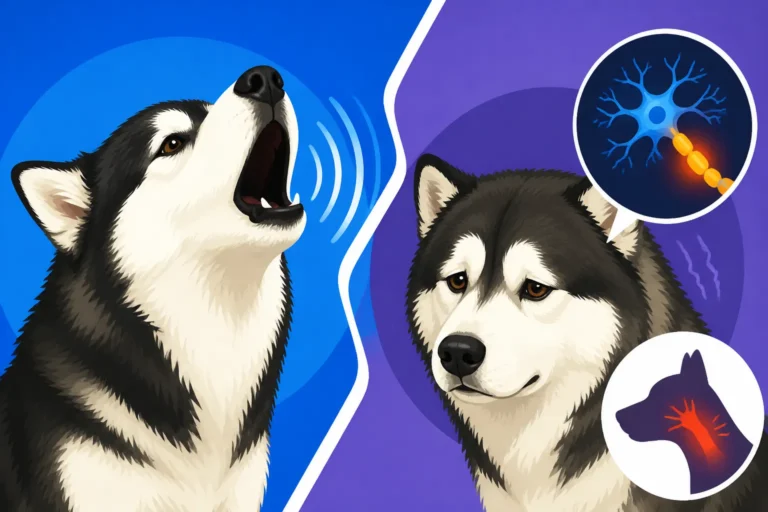
Inherited Polyneuropathy typically begins to manifest in Malamutes between 3 and 19 months of age, though symptoms can sometimes appear earlier or later. Owners might first notice subtle changes: a less energetic gait, a slight stumble, or a tendency for the dog to drag its paws. As the condition progresses, muscle weakness becomes more apparent, especially in the hind limbs, leading to a "bunny hopping" gait or difficulty climbing stairs. The dog might develop an exaggerated high-stepping front limb gait to compensate for weakness. A classic sign is a change in the dog's bark, becoming hoarse or whispered, which is due to laryngeal paralysis (weakness of the vocal cord muscles). In severe cases, the muscles involved in breathing can be affected, leading to respiratory distress, which is a life-threatening complication. This progressive nature is what makes What Inherited Polyneuropathy Does to a Malamute so devastating.
The Potential Indirect Zinc Link
While Inherited Polyneuropathy is primarily understood as a genetically inherited nerve disorder, the connection to zinc absorption comes from the observation that these three conditions – ZRD, Chondrodysplasia, and Polyneuropathy – often appear together or are known in the same genetic lines within the Malamute breed. This suggests a common underlying genetic fragility related to essential metabolic pathways. Zinc is crucial for nervous system health; it's involved in nerve signal transmission and protection against oxidative stress. If a Malamute has a systemic issue with zinc absorption due to their genetic makeup, even if it's not the direct cause of polyneuropathy, it could exacerbate the condition or contribute to its severity. The body's overall compromised state due to chronic zinc deficiency could weaken its ability to maintain optimal nerve function, making it more vulnerable to other inherited neurological defects. Therefore, while not a direct cause, addressing systemic zinc issues is a vital part of comprehensive care for Malamutes with this predisposition. Early diagnosis through The DNA Test That Finds Malamute Polyneuropathy is crucial.
The Interconnectedness and Diagnostic Journey
Understanding that these three seemingly disparate conditions can stem from a common thread of poor zinc absorption changes the diagnostic approach. Vets familiar with the Alaskan Malamute breed's genetic predispositions will often consider the possibility of zinc malabsorption when one or more of these symptoms present. It's a testament to the complex interplay of genetics, nutrition, and overall health.
Comprehensive Diagnostic Approach
Diagnosing these linked disorders requires a thorough veterinary investigation. For ZRD, a vet will typically perform a physical examination, looking for characteristic skin lesions. Skin biopsies can be taken to confirm the hyperkeratosis and parakeratosis (abnormal keratinization) typical of ZRD. Blood tests can measure serum zinc levels, though these might not always reflect the cellular availability of zinc due to the absorption problem. A trial of zinc supplementation is often a diagnostic tool itself – if the skin condition dramatically improves with supplementation, it strongly supports a diagnosis of ZRD due to malabsorption.
For Chondrodysplasia, diagnosis usually involves a physical exam noting the disproportionate dwarfism and characteristic bowed limbs, often confirmed with X-rays to visualize the bone abnormalities. Genetic testing is now available to identify carriers and affected individuals, allowing breeders to make informed decisions and pet owners to understand their dog's predisposition.
For Inherited Polyneuropathy, diagnosis is more complex. It involves neurological examinations to assess reflexes, gait, and muscle strength. Electromyography (EMG) and nerve conduction velocity (NCV) studies can identify nerve damage. Muscle and nerve biopsies might also be performed. Crucially, a specific DNA test is available for Inherited Polyneuropathy, which can confirm the genetic basis of the disease.
Why Holistic Management Matters
Because of the potential interconnectedness, a holistic approach to managing a Malamute with any of these conditions is paramount. Instead of treating each symptom in isolation, the focus shifts to addressing the underlying genetic predisposition for poor zinc absorption. This means looking at diet, supplementation, and environmental factors as a whole. Owners need to work closely with their veterinarians to develop a comprehensive plan. For instance, a dog diagnosed with ZRD might also benefit from monitoring for subtle signs of skeletal or neurological issues, even if they haven't fully manifested. Similarly, a Chondrodysplastic Malamute would inherently require careful zinc management. This integrative approach ensures that all potential facets of the genetic challenge are considered, promoting the best possible quality of life for your Malamute. Pet insurance can be incredibly helpful here; a robust plan from providers like Healthy Paws can cover the significant costs associated with diagnostics and ongoing specialized care.
Here’s a simplified comparison of these three conditions:
| Disorder Name | Primary System Affected | Key Symptoms | Zinc Absorption Link | Genetic Test Available |
|---|---|---|---|---|
| Zinc Responsive Dermatosis | Skin | Crusty, scaly skin; hair loss; itching (muzzle, eyes, elbows, paw pads) | Direct: Insufficient cellular zinc due to malabsorption impacts skin cell health | No (diagnosis by response to zinc) |
| Chondrodysplasia (Dwarfism) | Skeletal | Short, bowed limbs; disproportionate body; clumsy gait | Direct: Severe zinc malabsorption impairs cartilage and bone development | Yes |
| Inherited Polyneuropathy | Neurological | Progressive muscle weakness; stumbling; changes in bark; breathing difficulties | Indirect: Genetic predisposition to poor zinc absorption may exacerbate neurological fragility | Yes |
Managing Zinc Absorption Issues in Alaskan Malamutes
Once you understand that your Malamute might be struggling with zinc absorption, managing their health becomes a focused effort. It's about proactive care and consistent support to ensure they get the vital zinc their body needs, even if it can't absorb it efficiently on its own.
Dietary Adjustments and Supplementation
The first step in managing zinc absorption issues is often to review your Malamute's diet. While it's true that the problem is malabsorption, not necessarily deficiency in the food, selecting a high-quality diet that doesn't contain ingredients known to inhibit zinc absorption can be helpful. Foods high in phytates (found in some grains and legumes) or excessive calcium can interfere with zinc uptake. Your vet might recommend a specific therapeutic diet or suggest avoiding certain ingredients.
However, the cornerstone of treatment for zinc malabsorption is almost always direct zinc supplementation. This usually involves administering zinc in a highly bioavailable form, such as zinc methionine, zinc sulfate, or zinc gluconate. The exact dosage and type of supplement must be determined by your veterinarian, as too much zinc can also be harmful. It's a delicate balance to achieve, but with consistent, vet-guided supplementation, many Malamutes with ZRD show dramatic improvement in their skin condition. Remember, Whether a Malamute Needs Zinc for Life is a serious consideration, as it's typically a lifelong commitment.
Long-Term Care and Monitoring
Managing a Malamute with zinc absorption issues is a marathon, not a sprint. This condition, especially when it manifests as ZRD or is linked to Chondrodysplasia, often requires lifelong commitment to supplementation and vigilant monitoring. Regular veterinary check-ups are essential to adjust dosages, monitor zinc levels (though as mentioned, blood levels aren't always definitive), and assess overall health. Your vet will look for improvements in skin condition, coat quality, and overall energy levels. For dogs with Chondrodysplasia, ongoing orthopedic care to manage pain and mobility issues will be crucial. For those at risk of Inherited Polyneuropathy, or affected by it, neurological assessments will be part of routine care.
It's also important to be proactive with other health considerations. For example, a Malamute with compromised skin due to ZRD might be more prone to secondary skin infections, requiring prompt treatment. Maintaining a healthy weight and ensuring adequate exercise, tailored to any skeletal or neurological limitations, are also key components of long-term care. A comprehensive pet insurance plan, such as those offered by Healthy Paws, can be invaluable for covering the ongoing costs of veterinary visits, specialized supplements, and potential treatments for secondary conditions or flare-ups. This support allows you to focus on your dog's well-being without constant financial worry. You might also want to look into What Zinc Supplementation Costs Over a Malamute's Life to prepare financially.
Genetic Screening and Responsible Breeding
Given the inherited nature of these conditions, genetic screening and responsible breeding practices are absolutely critical for protecting the future health of the Alaskan Malamute breed. For prospective owners, understanding these tests is key to making an informed decision.
The Role of DNA Testing
For both Chondrodysplasia and Inherited Polyneuropathy, specific DNA tests are available. These tests can identify not only affected dogs but also carriers – dogs that carry one copy of the mutated gene and can pass it on to their offspring, even if they don't show symptoms themselves. This is incredibly powerful information for breeders, as it allows them to make informed pairing decisions to avoid producing affected puppies. A breeder can test their breeding stock and, by only breeding clear-to-clear or clear-to-carrier dogs (with careful consideration), dramatically reduce the incidence of these diseases. This is a cornerstone of ethical breeding and helps ensure puppies are born healthy. As an owner, always ask for health clearances and DNA test results for both parents.
Choosing a Reputable Breeder
When looking for an Alaskan Malamute puppy, asking about these specific conditions and the breeder's screening practices is non-negotiable. A reputable breeder will be transparent about the health history of their lines, willing to share DNA test results for their breeding stock for Chondrodysplasia and Polyneuropathy, and often provide information on how they manage zinc absorption issues within their breeding program. They will understand The Health Tests Both Alaskan Malamute Parents Should Have and prioritize the health and longevity of their puppies above all else. They should be able to discuss the nuances of Zinc Is the Thread Running Through Three Malamute Diseases and how they address it. Be wary of breeders who offer no health guarantees, can't provide documentation for health screenings, or claim their lines are "free" of these issues without proof. Investing in a puppy from health-tested parents is the best way to avoid the heartbreak and financial burden of managing these complex genetic disorders. Remember, a good breeder is not just selling a puppy; they are a resource and a partner in your Malamute's health journey.
Disclaimer
The information provided in this article is for educational and informational purposes only, and does not constitute veterinary advice. Always consult with a qualified veterinarian for any health concerns or before making any decisions about your pet's health or treatment plan.