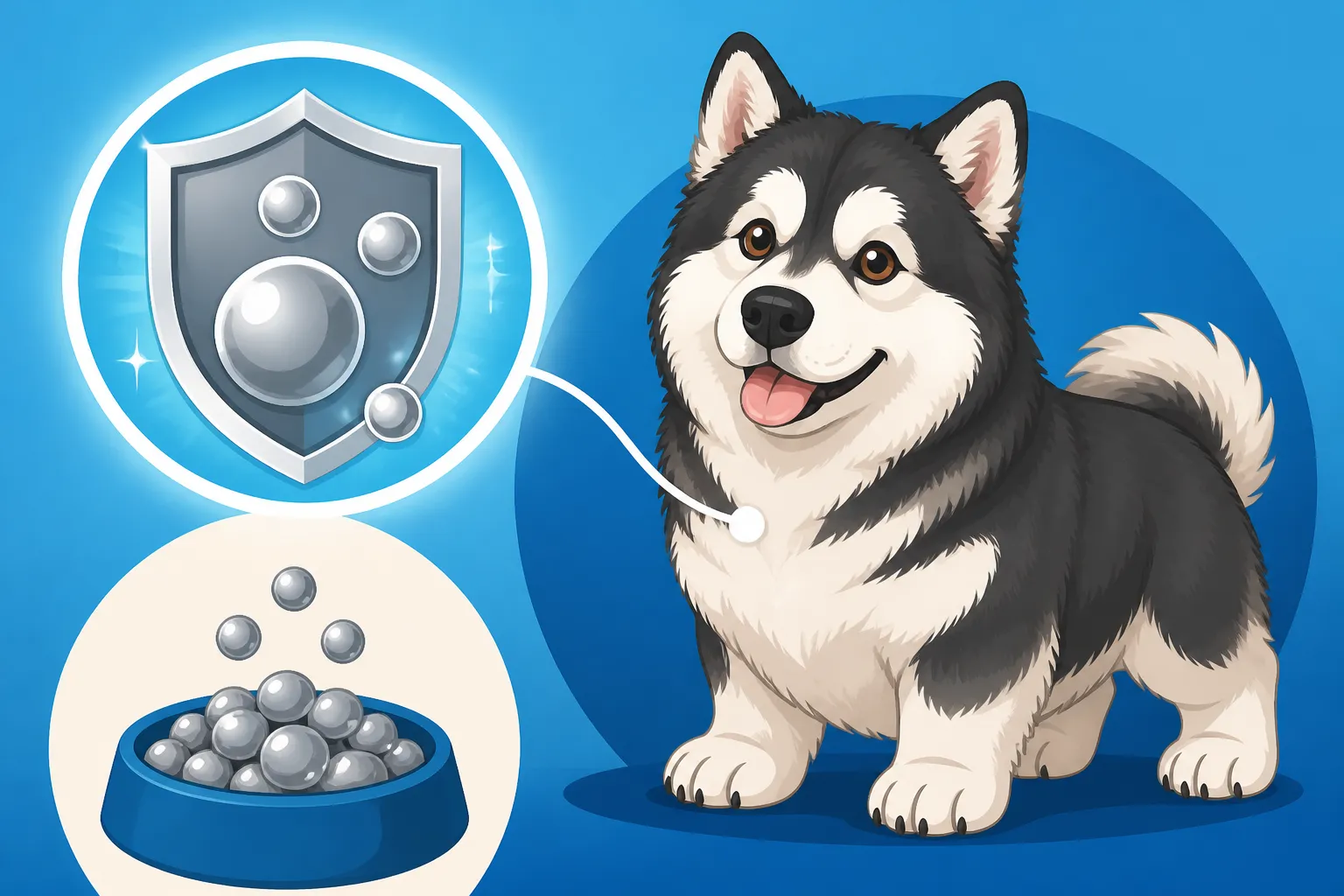
How Much Zinc a Chondrodysplastic Malamute Absorbs
One of the most heart-wrenching realities for Alaskan Malamute owners is discovering their beloved companion has chondrodysplasia, often known as dwarfism. This isn't just about shorter legs; it's a complex genetic condition that can bring a host of unexpected health challenges, with one of the most perplexing being an impact on how well their bodies utilize essential nutrients like zinc. This guide will explore the intricate relationship between chondrodysplasia and zinc absorption in Malamutes, helping you understand why these special dogs face unique dietary needs and how to best support their health.
Understanding Chondrodysplasia in Alaskan Malamutes
When we talk about chondrodysplasia in Alaskan Malamutes, it's easy to just picture a smaller version of the majestic breed. However, the reality is far more intricate than simply reduced stature. This inherited condition impacts the cartilage and bone development, leading to distinctive physical traits but also potentially systemic health challenges that extend well beyond their skeletal structure. It’s crucial for any Malamute owner, or prospective owner, to grasp the full scope of what this diagnosis means for their dog's well-being.
Beyond the Short Legs: A Systemic Condition
While the most obvious characteristic of a chondrodysplastic Malamute is its noticeably shorter limbs, particularly the front legs, the condition is not merely cosmetic. It’s a form of skeletal dysplasia where the normal growth and development of cartilage are disrupted. Cartilage is the precursor to bone in many parts of the body, and its improper formation affects more than just leg length. You might notice your dwarf Malamute puppy looks normal at birth, but then their legs start to fall behind in growth around a specific week, often becoming quite evident. This can lead to a dog that, despite its powerful Malamute build, struggles with certain types of movement or even develops secondary joint issues later in life due to the abnormal stress placed on their joints. The bone structure itself can be affected, sometimes resulting in bowed front legs, and these structural differences require careful consideration for their comfort and long-term mobility.
The Genetic Basis of Malamute Dwarfism
Chondrodysplasia in Alaskan Malamutes is an inherited condition, meaning it's passed down through generations. Specifically, it's considered an autosomal recessive trait. This means a puppy must inherit two copies of the defective gene – one from each parent – to be affected. Dogs that inherit only one copy are carriers; they don't show symptoms themselves but can pass the gene on to their offspring. This is why understanding the genetic background of your Malamute is so vital, and why responsible breeders undertake specific health tests. Ignoring the genetic aspect is how these conditions persist in the breed. If you're considering breeding, or even just wondering about your dog's heritage, investigating Whether Malamute Chondrodysplasia Is Recessive and how it impacts breeding decisions is incredibly important. The presence of carriers means that even seemingly healthy parents can produce affected puppies, highlighting the importance of genetic screening in breeding programs to help eradicate this condition.
Broader Health Implications
Beyond the skeletal issues, chondrodysplasia can unfortunately come hand-in-hand with other health concerns. It's not uncommon for affected Malamutes to experience issues with their internal organs, metabolic processes, or even their immune systems. This systemic impact can manifest in various ways, from subtle differences in their growth rate and energy levels to more pronounced vulnerabilities. For instance, some chondrodysplastic Malamutes might exhibit signs of anemia, requiring careful veterinary oversight and nutritional adjustments. Because their bodies are already working harder to compensate for skeletal abnormalities, any additional stress on their systems, such as compromised nutrient absorption, can become a significant hurdle. This complex interplay of conditions underscores why these dogs require a comprehensive approach to their care, not just focusing on their physical structure but their entire physiological health.
The Link Between Chondrodysplasia and Zinc Absorption
It might seem strange that a skeletal disorder could be so intimately connected with a trace mineral like zinc, but in chondrodysplastic Alaskan Malamutes, this connection is very real and often critical. These dogs often struggle with a particular challenge: their bodies simply don't absorb zinc as effectively as their non-affected counterparts. This isn't just a minor dietary tweak; it's a fundamental physiological issue that can lead to significant health problems if not properly addressed.
The Role of Zinc in Malamute Health
Zinc is an absolutely vital mineral for all dogs, playing a crucial role in countless bodily functions. It's a key player in immune system function, wound healing, protein synthesis, and proper skin and coat health. For a breed like the Alaskan Malamute, known for its dense double coat and robust nature, adequate zinc levels are particularly important. Zinc also impacts thyroid function and even reproductive health. When a dog, especially a growing puppy, doesn't get enough bioavailable zinc, their entire system can start to suffer. This is why Zinc Is the Thread Running Through Three Malamute Diseases, making it a mineral we should always keep an eye on, especially in predisposed breeds. A chronic deficiency can weaken their defenses, slow down recovery from injuries, and leave their skin and coat in a deplorable state, far from the healthy, vibrant appearance we expect from a well-cared-for Malamute.
Impaired Absorption Mechanisms
The unfortunate reality for many chondrodysplastic Malamutes is that their genetic predisposition to this form of dwarfism seems to come with an inherent difficulty in absorbing zinc from their diet. It's not necessarily that their food is lacking in zinc, but rather that their digestive system struggles to efficiently take up and utilize the zinc that is present. This is a form of malabsorption, where the mechanisms responsible for transporting zinc across the intestinal wall into the bloodstream are compromised. Think of it like a leaky bucket: even if you pour plenty of water (zinc) in, a lot of it just drains away before it can be truly held and used by the body. This is a distinct challenge from simple dietary deficiency, and it means that standard dog food, even high-quality formulas, may not be sufficient to meet their heightened needs. This issue highlights How Poor Zinc Absorption Links a Malamute's Three Disorders, stressing the interconnectedness of their health challenges.
Why Normal Diets Aren't Enough
Given this impaired absorption, feeding a chondrodysplastic Malamute a "normal" diet, even one formulated for large breeds, is often inadequate to prevent zinc deficiency. While a typical high-quality kibble might meet the general zinc requirements for most dogs, it won't cut it for a Malamute whose body is only absorbing a fraction of that amount. This means that a chondrodysplastic Malamute absorbs a quarter of its zinc, or even less, compared to a healthy dog. It's a situation where the problem isn't the amount of zinc in the food, but the bioavailability of that zinc to that specific dog. Factors like calcium and phytates in grains can further block zinc absorption, making the challenge even greater. Owners often mistakenly believe they're providing a balanced diet, only to find their dog exhibiting symptoms of zinc deficiency because of this underlying issue. This makes tailored nutritional strategies and vigilant monitoring absolutely essential for these dogs.
Symptoms and Diagnosis of Zinc Deficiency in Chondrodysplastic Malamutes
Recognizing the signs of zinc deficiency in a chondrodysplastic Malamute is paramount, as early intervention can make a significant difference in their comfort and long-term health. While some symptoms can be subtle, others are quite pronounced, often impacting the most visible aspects of their well-being: their skin and coat. It's a common frustration for owners to see their dog suffering and not immediately connect it to a mineral deficiency, which is why knowing what to look for is so important.
Recognizing the Dermatological Signs
The skin and coat are often the first places to show signs of a looming zinc deficiency in a Malamute. You might start noticing areas of crusty, scaly skin, especially around the face, eyes, ears, and paw pads. Often, a Malamute's muzzle crusts first, and the skin can appear thickened and inflamed. These lesions can be itchy and uncomfortable, leading your dog to scratch or rub, which can then lead to secondary bacterial or yeast infections. You might also observe hair loss, particularly around the eyes, snout, and joints like the elbows. This isn't just typical shedding; it's a patchy, often symmetrical hair loss that reveals the underlying compromised skin. The paw pads can become noticeably thickened, hard, and prone to cracking, making walking painful. If you're wondering What Zinc Responsive Dermatosis Looks Like on a Malamute, these are the classic indicators. It’s a tell-tale sign that their body isn't getting the zinc it desperately needs for proper skin cell turnover and repair.
Other Clinical Manifestations
Beyond the dermatological signs, zinc deficiency can manifest in a variety of other ways, impacting overall health and vitality. Chondrodysplastic Malamutes with zinc malabsorption may exhibit poor growth, even beyond their genetic dwarfism, struggling to gain weight and maintain muscle mass. Their immune system can be compromised, leading to increased susceptibility to infections, longer recovery times from illness, and a general lack of robustness. You might notice them being more lethargic than usual, or showing a dullness in their eyes and coat that just doesn't seem right. In severe cases, there can be gastrointestinal upset, joint pain, and even behavioral changes. It's a systemic problem, so while the skin is a common indicator, it's essential to consider the dog's overall demeanor and health.
Diagnostic Testing for Zinc Levels
Diagnosing zinc deficiency isn't always as straightforward as a single blood test. While blood zinc levels can be measured, they don't always accurately reflect the body's total zinc stores or its ability to utilize zinc effectively, especially in cases of malabsorption. Often, veterinarians will look at a combination of factors: the dog's clinical signs, their breed and genetic predisposition (knowing your Malamute is chondrodysplastic is a huge clue), and potentially a therapeutic trial. A therapeutic trial involves supplementing with zinc and observing if the symptoms improve. Skin biopsies can also be helpful in showing characteristic changes associated with zinc-responsive dermatosis. If you suspect your Malamute is struggling, a detailed discussion with your vet, potentially involving a dermatology specialist, is the best course of action. They might consider a full diagnostic panel, including ruling out other conditions with similar symptoms. Many owners also consider pet insurance plans like those offered by Healthy Paws to help manage the costs associated with these specialized diagnostic tests and ongoing treatments.
Managing Zinc Levels in Chondrodysplastic Malamutes
Effectively managing zinc levels in a chondrodysplastic Alaskan Malamute requires a proactive and consistent approach. It’s not a one-size-fits-all solution, as each dog's absorption capabilities can vary. The goal is to provide enough bioavailable zinc to overcome their inherent malabsorption without risking zinc toxicity, which can also be dangerous. This often means a careful balance of dietary adjustments and, almost inevitably, specific supplementation tailored to their unique needs.
Dietary Considerations and Food Choices
While supplementation is often necessary, the foundation of good health always starts with diet. For a chondrodysplastic Malamute, choosing the right food is crucial, though it may not be enough on its own. It's often recommended to select a high-quality, easily digestible kibble that ideally avoids high levels of ingredients known to inhibit zinc absorption, such as excessive calcium or phytates found in certain grains. While a Malamute's Kibble Contains Enough Zinc for most dogs, it likely won't for these special cases. Some owners opt for fresh food or raw diets, believing they offer more naturally available zinc, but careful formulation is still required, and even then, supplementation might still be needed. The key is consistency and monitoring how your dog responds to their food. Avoid frequent changes and discuss any major dietary shifts with your veterinarian to ensure you're not inadvertently worsening the problem.
Supplementation Protocols and Types of Zinc
For most chondrodysplastic Malamutes struggling with zinc absorption, dietary changes alone won't be sufficient. Zinc supplementation becomes a necessary, lifelong part of their care. The most commonly recommended forms are zinc methionine or zinc sulfate, as these are generally well-absorbed. Zinc methionine, often chelated, is usually preferred due to its higher bioavailability. The dosage is critical – too little won't help, and too much can be harmful. Your vet will prescribe a specific dose based on your dog's weight, symptoms, and response to treatment. It's important to remember that Whether a Malamute Needs Zinc for Life is often the case for these dogs. This is not a temporary fix; it's ongoing management. Administering supplements on an empty stomach can sometimes improve absorption, but if it causes stomach upset, giving it with a small amount of food might be necessary. Always follow your vet's precise instructions regarding dosage and frequency.
Monitoring and Adjusting Treatment
Managing zinc deficiency is an ongoing process that requires diligent monitoring and potential adjustments to the treatment plan. You'll need to keep a close eye on your Malamute's skin, coat, energy levels, and overall well-being. Are the crusts diminishing? Is their hair growing back? Are they less itchy? Regular veterinary check-ups are essential, and your vet may recommend periodic blood tests to monitor zinc levels, although clinical improvement is often the most reliable indicator. Sometimes, as a dog ages or if their diet changes, their zinc needs might shift, requiring a dosage adjustment. It's a partnership between you and your vet to ensure your chondrodysplastic Malamute is receiving the optimal amount of zinc. Be patient, consistent, and always communicate any concerns or observations to your veterinary team. They are your best resource for navigating these complexities.
| Aspect | General Malamute Zinc Absorption | Chondrodysplastic Malamute Zinc Absorption |
|---|---|---|
| Dietary Requirement | Standard | Significantly Higher (or more bioavailable) |
| Absorption Efficiency | Normal | Impaired (often less than 25%) |
| Risk of Deficiency | Low (with balanced diet) | High |
| Typical Symptoms | Rare | Dermatological (crusts, hair loss), systemic |
| Dietary Intervention Alone | Usually sufficient | Rarely sufficient |
| Supplementation Needs | Uncommon | Often lifelong and specific |
| Monitoring Frequency | General check-ups | Regular, targeted check-ups |
Long-Term Outlook and Quality of Life for Chondrodysplastic Malamutes with Zinc Issues
Caring for a chondrodysplastic Malamute with zinc absorption issues can feel like a significant responsibility, but with the right approach, these dogs can lead full, happy lives. The key lies in understanding their specific needs, committing to consistent care, and maintaining a strong partnership with your veterinary team. While challenges exist, the rewards of seeing these unique and loving dogs thrive are immense.
Proactive Care and Veterinary Partnership
The most crucial element in ensuring a good quality of life for your chondrodysplastic Malamute is proactive care. This means not waiting for severe symptoms to appear but being vigilant from the start, especially if you know your dog's genetic background. Establishing a strong, trusting relationship with a veterinarian who understands the nuances of Malamute health, and specifically chondrodysplasia and zinc malabsorption, is invaluable. Regular check-ups, even when your dog seems fine, allow your vet to monitor their progress, address any subtle changes, and make timely adjustments to their zinc supplementation. Pet insurance, such as policies from Healthy Paws, can also be an incredibly helpful tool here, assisting with the costs of ongoing vet visits, diagnostic tests, and necessary medications, allowing you to focus on your dog's health without the added financial strain. This partnership ensures that your Malamute receives continuous, informed care, catching potential issues before they escalate.
Potential Complications and Management
Despite best efforts, complications can sometimes arise. Even with supplementation, there might be periods where zinc deficiency symptoms flare up, perhaps due to stress, changes in diet, or other concurrent health issues. Secondary skin infections are a common complication, and these will need targeted treatment, often with antibiotics or antifungals, alongside continued zinc therapy. It's also important to be aware of the potential for Whether Too Much Zinc Harms a Malamute. While zinc is essential, excessive amounts can lead to toxicity, which is why precise dosing and veterinary guidance are non-negotiable. Other health issues associated with chondrodysplasia, like joint problems or anemia, will also need careful management. Being prepared for these possibilities and having a plan in place with your vet will help you navigate them smoothly, keeping your Malamute as comfortable and healthy as possible.
Ensuring a Happy, Healthy Life
Ultimately, the goal is to provide your chondrodysplastic Malamute with the best possible life. This means not just managing their physical health but also enriching their daily experiences. While their dwarfism might mean they can't quite pull a sled like their larger counterparts, they can certainly still enjoy activities like leisurely walks, engaging playtime, and mental stimulation. Adapting your home environment to accommodate their shorter stature, such as providing ramps or steps for furniture, can also significantly improve their comfort and independence. Consistent, loving attention, appropriate exercise, and a well-managed zinc protocol will go a long way in ensuring these special Malamutes thrive. With dedicated care, these resilient and affectionate dogs can truly flourish, bringing immense joy to their families for many years.
Disclaimer
This article is for general informational purposes only and does not constitute professional advice. Laws, prices and regulations vary by location and change over time. Consult a qualified professional for guidance on your specific situation.