Whether a Malamute Gets Progressive Retinal Atrophy
It's truly unsettling when you start noticing subtle changes in your beloved Alaskan Malamute's vision, especially as they get a little older, or if you're a new owner wondering about potential inherited conditions. The fear of your dog losing their sight is a valid and heartbreaking concern. This comprehensive guide will walk you through everything you need to know about Progressive Retinal Atrophy (PRA) in Alaskan Malamutes, helping you understand what it is, how to spot it, and what steps you can take.
Understanding Progressive Retinal Atrophy in Alaskan Malamutes
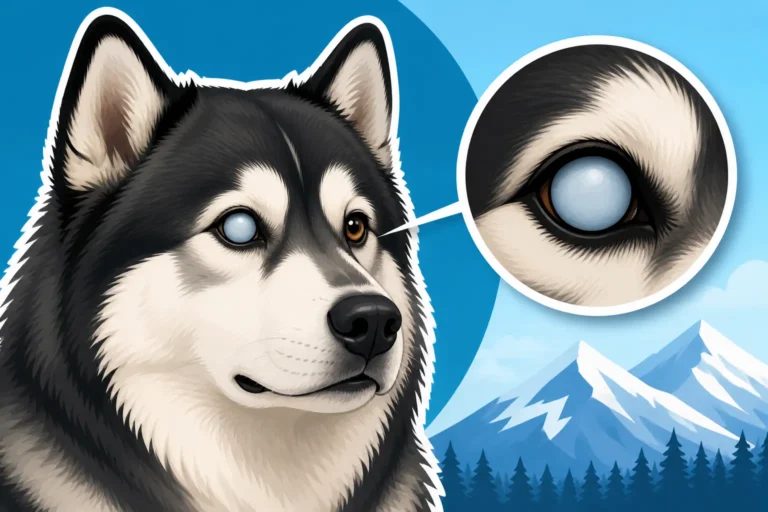
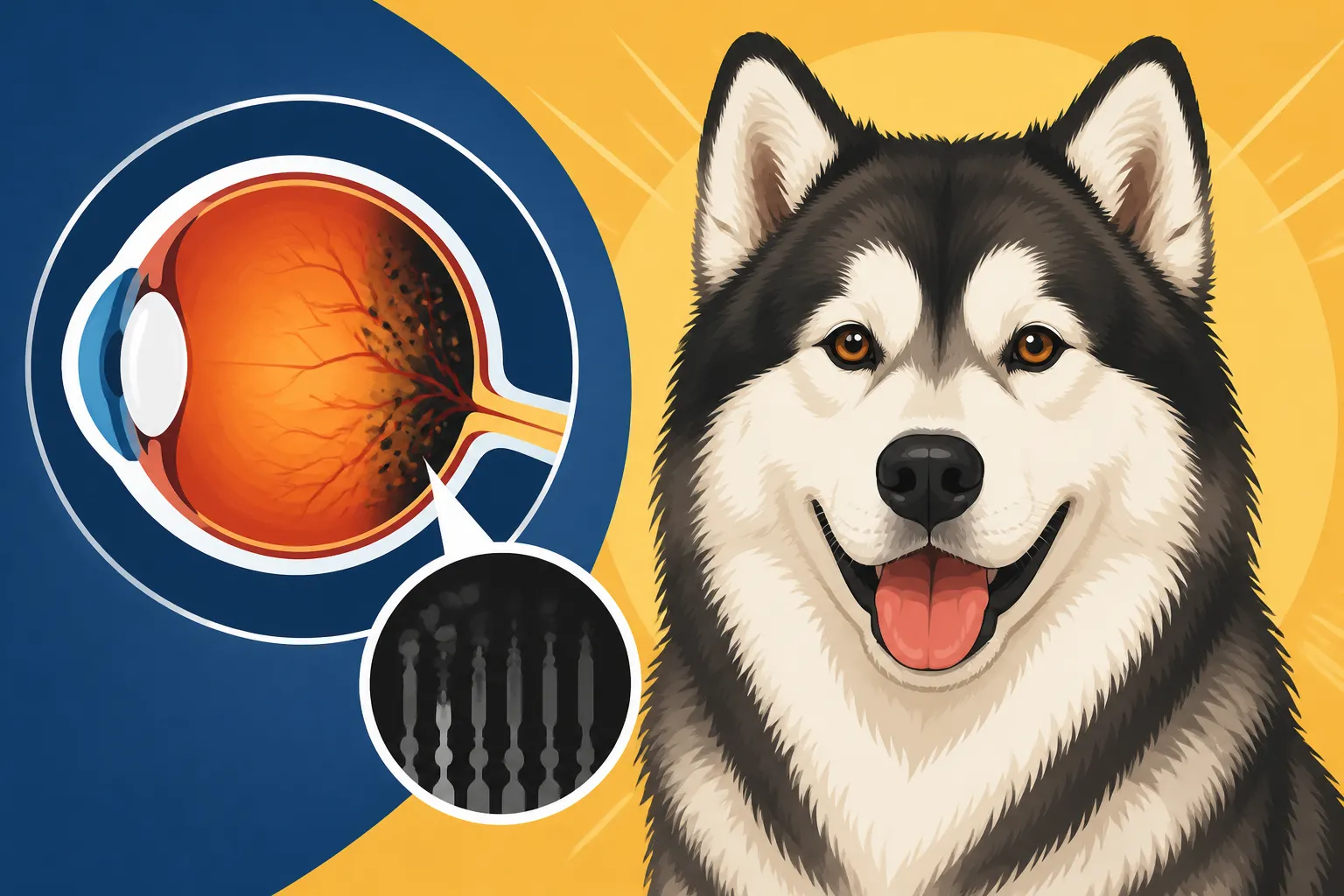
Progressive Retinal Atrophy, often simply called PRA, is a blanket term for a group of inherited eye disorders that lead to gradual vision loss and ultimately, blindness, in many dog breeds, including our magnificent Malamutes. It's a condition that affects the retina, the light-sensitive tissue at the back of the eye, similar to the film in an old-fashioned camera.
What is Progressive Retinal Atrophy?
Imagine the retina as a complex mini-city within your dog's eye, bustling with specialized cells called photoreceptors. These photoreceptors, rods and cones, are responsible for detecting light and sending signals to the brain, allowing your Malamute to see the world around them. Rods handle vision in low light and detect motion, while cones are all about bright light, color, and detailed vision.
With PRA, these crucial photoreceptor cells begin to degenerate, or waste away, over time. It's a progressive disease, meaning it gets worse as the dog ages. In most forms of PRA, the rods are affected first, leading to difficulties seeing in dim light. This is why "night blindness" is often the first symptom owners notice. As the disease advances, the cone cells also become affected, eventually leading to complete blindness, even in bright light. It's not a painful condition, but it's certainly disorienting and challenging for both the dog and their human family.
The Genetic Link to PRA in Malamutes
The most frustrating thing about PRA is that it's an inherited condition. This means it's passed down from parents to their offspring through specific genes. In Alaskan Malamutes, like many purebred dogs, certain genetic mutations are known to cause specific forms of PRA. This isn't just a random occurrence; it's written in their genetic code.
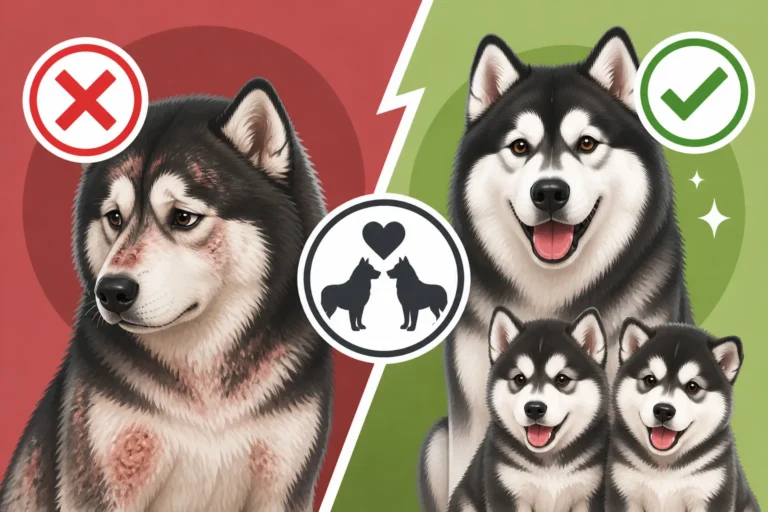
For many forms of PRA, the inheritance pattern is autosomal recessive. This means a puppy must inherit two copies of the defective gene – one from each parent – to be affected by the disease. If a dog inherits only one copy of the defective gene and one normal gene, they are considered a "carrier." Carriers typically do not show any symptoms of PRA themselves, but they can pass the faulty gene on to their puppies. This is a huge reason why careful screening of breeding dogs is so vital, and something responsible breeders are deeply committed to. Understanding how genetic diseases like this are inherited helps us appreciate the importance of transparency in breeding, much like breeders work to ensure a Malamute's pedigree Shows Dwarfism Carriers.
Differentiating PRA from Other Malamute Eye Issues
It's easy for an owner to jump to conclusions when they see their Malamute struggling with their vision. However, not all eye problems leading to vision impairment are PRA. For instance, another inherited eye condition in Alaskan Malamutes is day blindness, clinically known as cone degeneration. This is quite different from PRA.
What is Day Blindness Does to a Malamute? A dog with day blindness typically struggles to see in bright light but sees quite well in dim light or at dusk. This is the opposite of the initial stages of most PRA forms, where night blindness is prominent. Day blindness is caused by a defect in the cone photoreceptor cells, while PRA usually starts with rod degeneration. While both are genetic and impact vision, their symptoms, progression, and the specific genetic tests required are distinct. Knowing the difference is crucial for accurate diagnosis and management, and thankfully, advancements like The CNGB3 Test for Malamute Day Blindness have made it possible to screen for this specific condition. It's reassuring to know that screening has nearly eliminated these specific concerns, prompting us to ask Whether Day Blindness Still Occurs in Malamutes.
Recognizing the Signs and Symptoms of PRA
Spotting PRA can be tricky because it's a slow-progressing condition. Our Malamutes are incredibly adaptable and often mask their vision loss until it's quite advanced. However, by being observant and knowing what to look for, you can catch the early indicators.
Early Indicators: Night Blindness and Behavioral Changes
The hallmark first sign of most forms of PRA is night blindness. Because the rod cells, which are responsible for low-light vision, are usually affected first, you might notice your Malamute becoming hesitant or bumping into things in dimly lit rooms, at dusk, or when going outside in the dark. They might be reluctant to go down stairs in low light or might walk more cautiously than usual.
Beyond outright bumping, watch for subtle behavioral shifts. Is your Malamute suddenly more clingy in the evenings? Do they seem startled by unexpected movements in low light? Perhaps they’re bumping into furniture that's been in the same spot for years, or they're having trouble catching a ball thrown in the yard as the sun sets. These small changes, especially when consistent, are red flags that warrant a closer look at their eye health. It's often an insidious onset, making it hard to pinpoint exactly when things started to change.
Progression to Full Vision Loss
As PRA progresses, the degeneration doesn't stop. The cone cells eventually become affected, and your Malamute's vision will deteriorate further, leading to complete blindness even in normal daylight. This can take months or even years, depending on the specific type of PRA and the individual dog. During this phase, you'll notice more obvious signs:
- Dilated Pupils: Your Malamute's pupils might appear larger than normal, even in bright light, as their eyes try to gather more light to compensate for the failing retina.
- "Tapetum Lucidum" Glow: You might observe a more pronounced "eye shine" or reflection when light hits their eyes. This is due to the tapetum lucidum, a reflective layer behind the retina, becoming more visible as the retinal tissue thins.
- Complete Disorientation: They will start bumping into things more frequently, even in familiar environments. They might hesitate to move around, especially if objects have been rearranged, and their confidence outdoors will likely diminish significantly.
It's a gradual process, but the impact on their quality of life can be significant without proper care and adaptation. Many owners realize too late, wishing they had caught it sooner.
How a Blind Malamute Adapts
It's incredible how resilient dogs are, and a blind Malamute is no exception. While the initial diagnosis can feel devastating, dogs adapt remarkably well, especially if their vision loss is gradual. They rely heavily on their other senses: hearing, smell, and touch. Their powerful noses, in particular, become their guides.
You'll see them mapping their environment through scent and sound, navigating familiar spaces with surprising ease. They learn to memorize layouts and use tactile cues from the floor or walls. Owners play a huge role in this adaptation process. Maintaining a consistent routine, keeping furniture in the same place, and providing safe, predictable environments are key. Many blind Malamutes continue to enjoy walks (on a leash, of course!), playtime, and all the things that make them happy. Their bond with their human family often deepens as they rely more on trust and communication. It's a journey, but one filled with love and mutual understanding.
Diagnosis, Management, and Prevention of PRA
Dealing with PRA can feel overwhelming, but modern veterinary medicine offers ways to diagnose it accurately, manage its impact, and even prevent its spread through responsible breeding.
Veterinary Diagnosis and Specialized Testing
If you suspect your Malamute is showing signs of vision loss, the first step is always a visit to your veterinarian. They will conduct a thorough ophthalmic examination, which might include looking at the back of the eye with an ophthalmoscope. However, definitive diagnosis of PRA often requires more specialized tests:
- Ophthalmologist Referral: Your vet might refer you to a veterinary ophthalmologist, a specialist in animal eye health. They can perform advanced diagnostics.
- Electroretinography (ERG): This test measures the electrical activity of the retinal cells in response to light. It's non-invasive and can detect retinal degeneration even before clinical signs are obvious. It's like an EKG for the eye.
- Genetic DNA Testing: This is the most crucial tool for definitive diagnosis and prevention. Many forms of PRA have specific genetic tests available. A simple cheek swab or blood sample can identify if a dog is clear, a carrier, or affected by the specific PRA mutation. For example, labs like OptiGen offer panels for various forms of PRA in many breeds. This is one of The Three DNA Tests Behind an Alaskan Malamute's Price that responsible breeders consider vital.
These tests allow for early detection, which is invaluable. For breeding dogs, DNA testing is paramount to ensure they don't unknowingly pass on the defective gene.
Living with a Malamute with PRA
Receiving a PRA diagnosis for your Malamute can be disheartening, but it's not the end of the world for your dog. With some adjustments, they can continue to live a full and happy life.
Here are some practical tips for managing a Malamute with PRA:
- Maintain Consistency: Keep furniture and belongings in the same places. A stable environment helps your dog create a mental map of their surroundings.
- Safe Environment: Block off stairs with gates, pad sharp corners, and always supervise them outdoors. A securely fenced yard is a must, and walks should always be on a leash.
- Verbal Cues: Use verbal cues consistently for obstacles ("step up," "watch out," "stop") and for praise. Your voice becomes their guiding light.
- Scent Trails: Some owners use distinct scents (like vanilla extract or essential oils diluted in water) dabbed on corners or obstacles to help their dog navigate.
- Interactive Toys: Engage their other senses with squeaky toys, scent games, and puzzle toys. Keep their minds active and stimulated.
- "Halo" Devices: For some dogs, a halo vest can protect them from bumping into objects, especially during the initial stages of vision loss.
- Emotional Support: Give them extra love and reassurance. They might feel more vulnerable, and your presence is key to their confidence.
When it comes to the financial side of these visits and potential specialized testing, it's wise to consider pet insurance. Providers like Healthy Paws often cover diagnostic tests and specialist consultations related to conditions like PRA, provided the condition isn't pre-existing before coverage begins. This can significantly ease the burden of veterinary costs as you navigate your Malamute's changing needs.
The Importance of Responsible Breeding and Genetic Screening
The most powerful tool we have against inherited diseases like PRA is responsible breeding. This isn't just about producing beautiful dogs; it's about safeguarding the health and future of the Alaskan Malamute breed.
Responsible breeders are diligent about:
- Genetic Testing: They will DNA test all breeding dogs for known PRA mutations specific to the breed. If a dog is a carrier, they will only be bred to a clear dog, ensuring no affected puppies are produced. This also applies to other genetic concerns, such as how DNA tests help identify carriers for Inherited Polyneuropathy and Day Blindness.
- OFA/CERF Examinations: Beyond DNA, breeders should have their breeding stock undergo regular eye examinations by a board-certified veterinary ophthalmologist (OFA Eye Certification Registry, previously CERF). These exams can detect other non-genetic eye conditions and assess the overall health of the eyes. We should ask Whether a Malamute Needs a Yearly Eye Exam.
- Transparency: Reputable breeders are transparent about their health testing results and are happy to share them with prospective puppy buyers. Don't hesitate to ask for copies of DNA test results for both parents.
By supporting breeders who prioritize health testing and transparency, we collectively help reduce the incidence of PRA and ensure future generations of Alaskan Malamutes are as healthy as possible. While pet insurance like Healthy Paws can assist with unexpected health costs, it's always better to prevent these conditions where possible through informed breeding practices. It’s important to clarify whether an Insurer Excludes Malamute Inherited Disease when choosing a plan, to understand what support you can expect for genetic conditions.
Here's a quick overview of testing statuses:
| Status | Genetic Code | Breeding Recommendation | Outcome for Offspring (with a Clear mate) |
|---|---|---|---|
| Clear | Homozygous Normal | Can be bred to any dog (Clear, Carrier, Affected) | All offspring will be Clear or Carriers |
| Carrier | Heterozygous | Should only be bred to a Clear mate | 50% Clear, 50% Carrier |
| Affected | Homozygous Affected | Should not be used for breeding | All offspring will be Carriers |
This table illustrates why knowing the genetic status of potential breeding dogs is so critical. By following these guidelines, breeders can effectively manage and eventually eliminate PRA from their lines, ensuring that The Ten to Fourteen Years an Alaskan Malamute Lives are as healthy and happy as possible.
Disclaimer
The information provided in this guide is for general educational purposes only and should not be considered a substitute for professional veterinary advice. Always consult with a qualified veterinarian or veterinary ophthalmologist for any health concerns or before making any decisions about your Alaskan Malamute's care, treatment, or breeding.