Whether a Malamute Should Rest After Eating
It's a fear that lurks in the back of every Alaskan Malamute owner's mind: bloat. We worry constantly about doing everything right for our magnificent, deep-chested companions, and a common question that swirls around is whether they should be kept quiet after a meal. This guide will dive deep into the real risks, clarify what "rest" truly means for a Malamute, and offer practical, actionable steps to help protect your beloved dog from this terrifying condition.
Understanding Bloat in Alaskan Malamutes
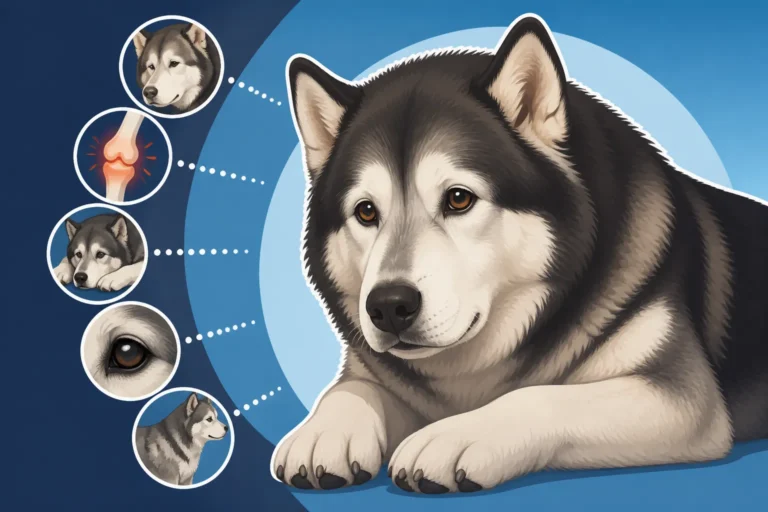
Bloat, medically known as Gastric Dilatation-Volvulus (GDV), is one of the most frightening and rapidly progressive emergencies a large dog owner can face. It's not just a bad case of indigestion; it's a life-threatening condition where your Malamute's stomach fills with gas and then, critically, often twists upon itself, cutting off blood flow and trapping everything inside. The speed at which it can strike and escalate from seemingly minor discomfort to a critical emergency is truly terrifying for any owner.
What Bloat (GDV) Really Means for Our Mals
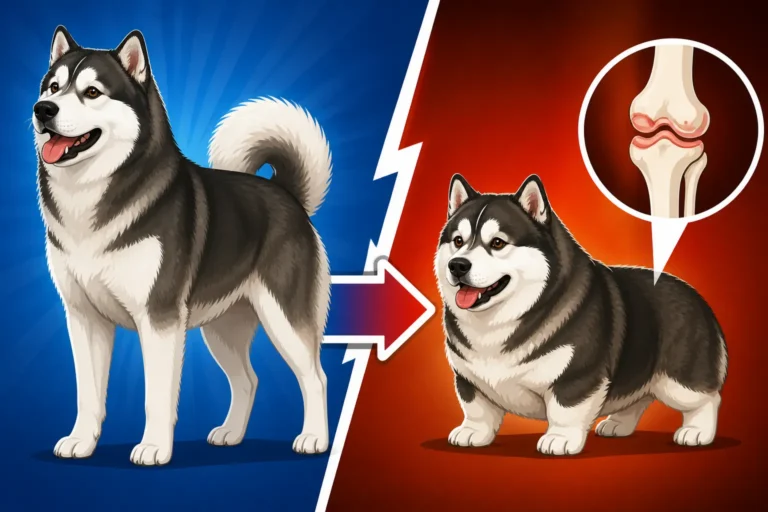
Imagine your Malamute's stomach as a balloon. In simple bloat (gastric dilatation), the balloon fills with gas, expanding dramatically. This alone is painful and can put pressure on other organs, making breathing difficult. But the volvulus part is what makes GDV so deadly. The gas-filled stomach literally rotates, typically clockwise, pinching off both the entry (esophagus) and exit (duodenum) points. This twisting traps the gas, food, and fluids inside, preventing anything from moving. It also cuts off the blood supply to the stomach wall, leading to tissue death, and can severely impact blood flow to the rest of the body, rapidly leading to shock and organ failure.
The signs can be subtle at first: a little restlessness, perhaps some pacing. But within a frighteningly short timeframe – sometimes just minutes to a couple of hours – your otherwise healthy Malamute can go into severe distress. They might try to vomit but only bring up foamy saliva or nothing at all, a classic symptom known as "non-productive retching." Their abdomen might start to swell rapidly, becoming tight and painful to the touch. This isn't just discomfort; it's an emergency that demands immediate veterinary intervention. There's no waiting it out with GDV; every minute counts.
Why Malamutes Are at Higher Risk
Alaskan Malamutes, like many other large and giant breeds with deep chests, are unfortunately predisposed to GDV. It's not just their size; it's the specific conformation of their bodies. Breeds with a high chest-to-width ratio, meaning their chest is deep but relatively narrow, create more space for the stomach to shift and twist. Think of a deep laundry basket – there's more room for things to slosh around in there compared to a shallow, wide one.
Beyond their physical build, there are other factors that researchers believe contribute to a Malamute's risk. Eating too quickly, for instance, can lead to gulping air along with food, increasing the amount of gas in the stomach. Stress, anxiety, or even vigorous exercise immediately before or after eating are also frequently cited risk factors. While the exact interplay of all these elements isn't fully understood, we do know that a combination of genetic predisposition and environmental triggers plays a significant role. If you have a Malamute, understanding Signs a Malamute Is Bloating is crucial, as is recognizing that even well-cared-for dogs can be susceptible. It's why we, as owners, need to be hyper-vigilant about their routines and any changes in their behavior, especially around meal times.
The Link Between Activity and Bloat: Fact vs. Fiction
It's natural to wonder if allowing your Malamute to play or run right after eating is setting them up for disaster. The connection between activity and bloat has been a topic of much discussion and research, and while some myths persist, there's a strong consensus on certain practices that can help minimize risk.
The Scientific Consensus on Post-Meal Activity
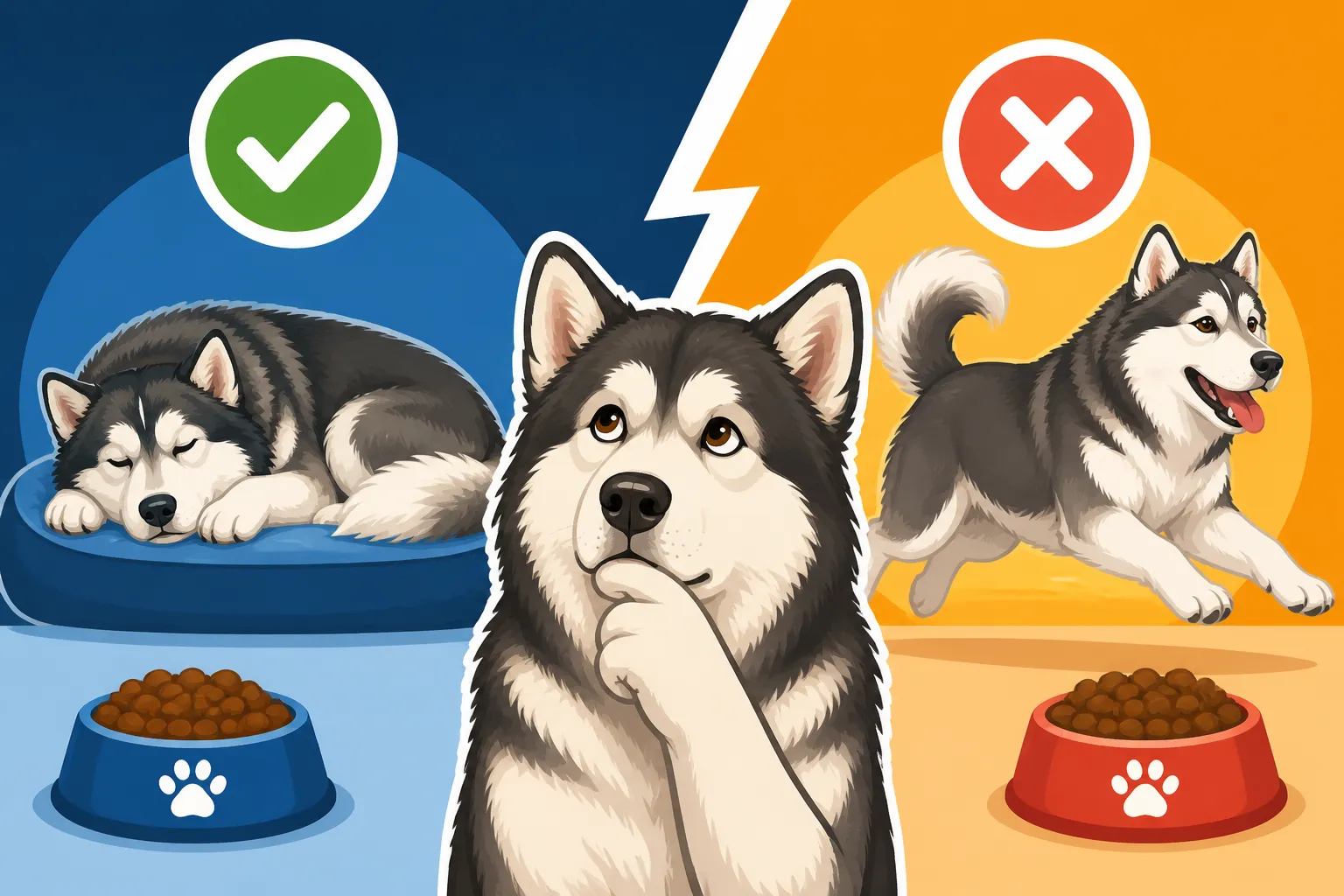
The veterinary community generally agrees that vigorous exercise immediately before or after eating significantly increases the risk of bloat. This isn't just an old wives' tale; studies have shown a correlation. The precise reason isn't entirely clear, but theories include increased stomach movement, gulping of air during panting, and changes in blood flow during intense physical activity that could affect gastric motility. The key word here is "vigorous." This means no hard running, no intense fetch sessions, no agility training, and definitely no pulling a sled right after breakfast or dinner.
However, "resting" doesn't mean your Malamute needs to be completely sedentary, lying still for hours like they're recovering from surgery. A gentle stroll in the yard for a potty break, a leisurely stretch, or quietly observing the world from their bed are perfectly acceptable. The goal is to avoid anything that would cause their stomach to slosh or twist, or to gulp excessive air. It's about reducing mechanical stress and physiological changes that might make them more vulnerable. Understanding this nuance is important; you don't need to create a sterile, motionless environment, but rather a calm, low-impact period.
Defining "Rest" for a High-Energy Malamute
So, what does this practical "rest" look like for an Alaskan Malamute, a breed known for its boundless energy? After they've finished their meal, you should aim for a period of at least 60-90 minutes of calm activity. Ideally, this extends to 2 hours, especially for puppies or highly excitable individuals.
During this time, "rest" for a Malamute means:
- No running or chasing: This includes zoomies around the house or yard.
- No jumping: Keep them from jumping off furniture, out of the car, or up to greet you.
- No roughhousing: Avoid play fights with other dogs or people.
- No strenuous walks or training sessions: Save the long hikes or serious obedience drills for well before meals or several hours after.
- Quiet pottering: A calm wander in a securely fenced yard for a bathroom break is fine.
- Relaxing indoors: Encourage them to lie down on their bed, chew on a safe, low-value toy (not something that encourages frantic chewing or gulping), or just snooze.
The idea is to keep their core body and stomach stable. Think of it as allowing their meal to settle undisturbed. This period is a prime opportunity for some quiet bonding, gentle petting, or simply letting them enjoy a peaceful digestion. While it might seem challenging to keep an energetic Malamute quiet, it’s a crucial preventative measure. Many owners find success with providing a designated "quiet zone" or crate time after meals, where their Malamute can safely unwind. Remember, the peace of mind knowing you've minimized the risk is invaluable.
Practical Strategies for Preventing Bloat in Your Malamute
Beyond managing post-meal activity, there are several other important strategies you can implement to reduce your Alaskan Malamute's risk of bloat. These practices integrate into their daily routine, providing a comprehensive approach to their well-being.
Optimizing Mealtime Habits
How and what your Malamute eats can make a significant difference in preventing bloat. It’s not just about the food itself, but the entire feeding experience.
- Slow Feeders: These bowls are designed with ridges or obstacles that force your Malamute to eat more slowly, preventing them from gulping down their food and, crucially, inhaling excessive air. There are many types available, from simple insert designs to more complex mazes. Brands like Outward Hound and Neater Feeder offer various options that can effectively slow down even the most enthusiastic eater. Using a slow feeder can significantly reduce the risk associated with rapid ingestion.
- Multiple Smaller Meals: Instead of feeding one large meal a day, consider breaking their daily ration into two or even three smaller meals. This reduces the sheer volume of food and gas in the stomach at any one time, lessening the risk of over-distension. This is a common and highly recommended practice for large breed dogs. For instance, if your Malamute needs 4 cups of kibble a day, provide 2 cups in the morning and 2 cups in the evening, rather than all 4 at once. You can learn more about How Many Meals a Day an Alaskan Malamute Needs for different life stages.
- Hydration, Mindfully: Ensure your Malamute always has access to fresh water. However, it's generally advised to monitor water intake immediately after a meal. While they shouldn't be deprived, chugging a huge amount of water right after eating a large meal can add to stomach volume. Offer smaller, frequent sips, or wait about 15-30 minutes after their meal for free access.
- Food Elevation: The idea of raised food bowls has been debated. Some older studies suggested they increased bloat risk, while newer perspectives often recommend them for dogs with orthopedic issues or megaesophagus. The scientific consensus for bloat prevention specifically is mixed, with some vets advising against it for high-risk breeds. Given the conflicting information, it's often safer to feed on the ground unless your vet specifically recommends an elevated bowl for other health reasons.
- Stress Reduction: A calm environment during mealtime can prevent anxiety-induced rapid eating. Ensure your Malamute eats in a quiet, undisturbed area away from other pets or household commotion. This helps them focus on their food without feeling rushed or stressed.
Beyond Mealtime: Holistic Bloat Prevention
Preventing bloat extends beyond just mealtime. A holistic approach considers genetics, medical interventions, and continuous monitoring.
- Gastropexy: For high-risk breeds like the Alaskan Malamute, a preventative surgery called a gastropexy is often recommended. This procedure involves permanently tacking the stomach to the abdominal wall, preventing it from twisting. While it doesn't prevent the stomach from dilating with gas, it almost entirely eliminates the deadly volvulus component. This surgery can often be performed at the same time as spaying or neutering, reducing the number of anesthetic events for your dog. It's a significant preventative measure that many owners of deep-chested breeds consider. If you're weighing this option, you might want to look into Whether a Malamute Should Have a Gastropexy.
- Monitoring and Early Signs: Even with all precautions, bloat can still occur. This is why vigilance is paramount. Knowing the subtle early signs – restlessness, pacing, abdominal discomfort, trying to vomit without success – can be the difference between life and death. Don't dismiss unusual behavior. If something feels off, trust your gut. Remember, How Long a Bloating Malamute Has Before Surgery is often measured in very short windows.
- Genetic Factors: Responsible breeding practices play a role. While bloat isn't strictly genetic in the way some other diseases are, a family history of GDV in close relatives can indicate a higher risk for a Malamute puppy. Discussing this with your breeder is always a good idea.
- Regular Vet Check-ups: Maintaining good overall health with regular veterinary visits is always important. Your vet can provide tailored advice and assess your Malamute's individual risk factors. In the unfortunate event of an emergency like bloat, having pet insurance like Healthy Paws can provide immense peace of mind, helping to cover the often exorbitant costs of emergency surgery and follow-up care, allowing you to focus on your Malamute's recovery without added financial stress. Healthy Paws is known for its comprehensive coverage for accidents and illnesses, including emergency procedures.
When to Seek Veterinary Attention
Recognizing the symptoms of bloat and acting quickly is the single most critical factor in your Malamute's survival. This is not a "wait and see" situation.
Recognizing the Red Flags of Bloat
Every Malamute owner needs to be intimately familiar with the signs of GDV. The speed at which this condition can progress means that identifying symptoms early and seeking immediate veterinary help is paramount. Do not delay if you observe any of the following:
- Retching without Vomiting: This is perhaps the most classic and alarming sign. Your Malamute will look like they're trying to throw up, often convulsing and gagging, but nothing (or only foamy saliva) comes out. This indicates that the stomach's exits are blocked.
- Distended or Swollen Abdomen: The belly may appear visibly larger, especially on the left side, and feel hard and taut to the touch. This can happen very rapidly.
- Restlessness and Pacing: Your Malamute may be unable to get comfortable, pacing, trying to lie down and then immediately getting back up. They might seem anxious or distressed.
- Drooling and Excessive Salivation: Due to discomfort and nausea, they may drool more than usual.
- Pain and Discomfort: They might moan, whine, or appear hunched over. When you gently touch their abdomen, they may react with pain.
- Rapid, Shallow Breathing or Difficulty Breathing: The enlarged stomach presses on the diaphragm and lungs, making it harder for them to breathe.
- Pale Gums: A sign of shock, indicating poor blood circulation.
- Weakness or Collapse: As the condition progresses, your Malamute may become weak, lethargic, and eventually collapse.
If you observe even one of these symptoms, especially the non-productive retching or a distended abdomen, consider it an immediate emergency. It's always better to be safe and have your Malamute checked by a vet than to regret waiting.
Emergency Protocols for Malamute Owners
Time is literally of the essence when it comes to bloat. A Malamute with GDV can deteriorate from stable to critical in a matter of hours, or even minutes.
- Call Your Vet Immediately: As soon as you suspect bloat, call your veterinarian or the nearest emergency veterinary clinic. Tell them you suspect GDV and you are on your way. This allows them to prepare for your arrival, gather necessary equipment, and streamline the intake process, saving precious minutes.
- Head Straight to the Clinic: Do not try to treat it at home. Do not wait to see if it improves. Every second counts. Get your Malamute into the car and drive carefully but quickly to the clinic.
- Know Your Emergency Vet: It's a good practice to have the number and address of your nearest 24/7 emergency veterinary clinic saved in your phone and perhaps even posted on your fridge. In a panic, you don't want to be fumbling for contact details.
- Financial Preparedness: Bloat surgery is a major emergency procedure and can be incredibly expensive, often running into thousands of dollars. Having pet insurance can be a literal lifesaver, ensuring you can make decisions based on your Malamute's health rather than financial constraints. Companies like Healthy Paws offer robust coverage for emergency situations such as bloat, alleviating the burden of high veterinary bills during an incredibly stressful time. Their quick claims processing can be a huge relief. Discussing What Bloat Surgery Costs on an Alaskan Malamute with your vet or checking your insurance policy proactively is a wise step for any Malamute owner. Investing in a good pet insurance plan from Healthy Paws can offer significant peace of mind knowing that you're prepared for the unexpected, allowing you to say "yes" to critical treatments without hesitation.
| Activity/Habit | Recommended Action for Bloat Prevention | Explanation |
|---|---|---|
| Eating Speed | Use a slow feeder or puzzle bowl | Prevents gulping air and food too quickly, reducing gas build-up. |
| Meal Frequency | Feed 2-3 smaller meals per day | Reduces stomach distension at any one time, easier to digest. |
| Post-Meal Activity | 60-90 minutes of calm rest (no vigorous play) | Minimizes stomach movement and sloshing that could lead to twisting. |
| Pre-Meal Activity | Avoid strenuous exercise 1 hour before eating | Similar to post-meal, avoids stress on a filling stomach. |
| Water Intake | Provide fresh water; monitor large gulps after eating | Good hydration is vital, but excessive chugging immediately post-meal can add to stomach volume. |
| Feeding Location | Feed in a quiet, low-stress environment | Reduces anxiety-driven rapid eating and promotes calm digestion. |
| Preventative Surgery | Discuss gastropexy with your vet for high-risk Malamutes | Permanently tacks the stomach to the abdominal wall, preventing twisting (volvulus). |
| Monitoring | Know the early signs of bloat and act immediately | Early detection is critical for survival; every minute counts. |
Disclaimer
The information provided in this article is for educational purposes only and is not a substitute for professional veterinary advice. Always consult with a qualified veterinarian for any health concerns or before making any decisions about your pet's health or treatment.