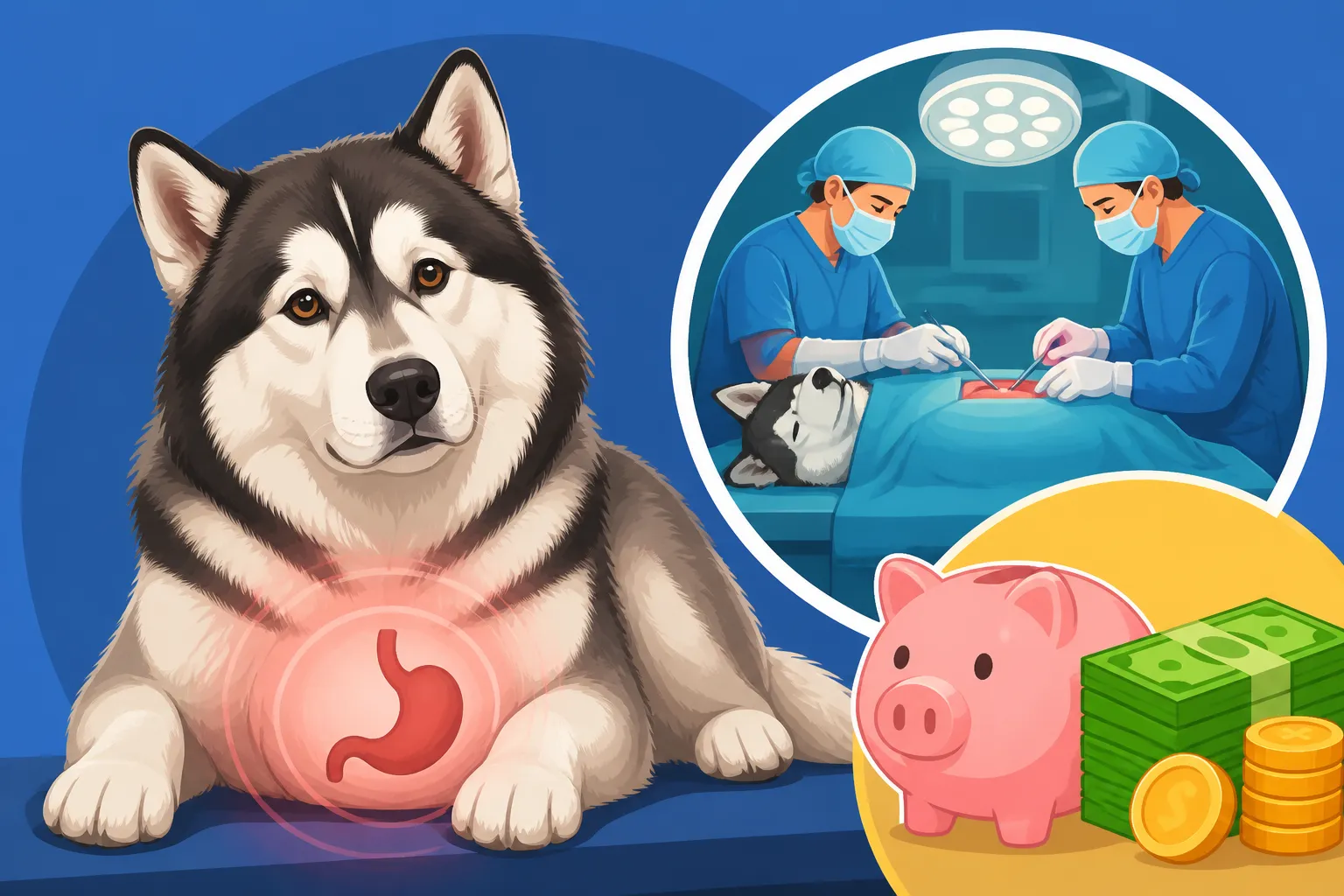
What Bloat Surgery Costs on an Alaskan Malamute
Finding out your beloved Alaskan Malamute is experiencing bloat – or Gastric Dilatation-Volvulus (GDV) – is one of the most terrifying moments a dog owner can face. It’s a sudden, life-threatening emergency, and the immediate panic is often compounded by the realization that saving your dog will likely involve emergency surgery, which comes with a significant and often unexpected financial burden. This guide aims to shed light on what bloat surgery entails for an Alaskan Malamute and what you can realistically expect in terms of cost, so you're better prepared should this nightmare scenario ever arise.
The Terrifying Reality of Bloat in Alaskan Malamutes
Bloat is not just an upset stomach; it's a critical condition where the stomach fills with gas and often twists, cutting off blood supply and trapping the gas. For large, deep-chested breeds like our magnificent Alaskan Malamutes, the risk is tragically higher. One moment your dog is fine, and the next, they can be fighting for their life. This isn't a condition that waits for business hours or a convenient time; it strikes fast, and every minute counts.
Why Bloat is a Malamute Owner's Nightmare
As a Malamute owner, you know these dogs are robust and resilient. But bloat is a silent, swift predator. The stomach expands rapidly, putting immense pressure on other organs and restricting blood flow. If it twists, it's called volvulus, and it’s a race against time to prevent organ damage, shock, and ultimately, death. The speed at which it can progress is what makes it so terrifying. You might notice subtle signs that quickly escalate to severe distress. Understanding Signs a Malamute Is Bloating can literally be the difference between life and death. The sheer panic of seeing your typically stoic Malamute in such pain, knowing you have mere hours, sometimes minutes, to act, is a profound and awful experience.
The profound fear isn't just for their immediate well-being, but for the potential long-term complications even if they survive the initial surgery. Some dogs may face cardiac issues, tissue necrosis, or other systemic problems as a result of the shock their bodies endure. It's a full-body crisis, not just a stomach problem, and the veterinary team will be addressing multiple failing systems simultaneously during the emergency.
Recognising the Signs and Acting Fast
Spotting bloat early is absolutely crucial. Your Malamute might start pacing restlessly, attempt to vomit but nothing comes up (dry heaving), or exhibit visible abdominal distension – their belly might look swollen and hard, like a drum. They might drool excessively, show signs of pain when you gently press their abdomen, or become weak and collapse. Their gums might appear pale, and their breathing might become rapid and shallow.
If you suspect bloat, you do not wait to see if it gets better. This is not a "monitor at home" situation. You drop everything and head straight to the nearest emergency veterinary clinic. Call ahead if you can, so they're prepared for your arrival, but do not delay. The clock is ticking, and delays can drastically worsen the prognosis and, consequently, increase the complexity and cost of treatment. This is a situation where every minute truly matters for your Malamute's survival and recovery.
Understanding the Components of Bloat Surgery Costs
When we talk about the cost of bloat surgery, it’s not just one single fee. It's a complex bill made up of many different parts, reflecting the intensive, round-the-clock care and specialized equipment required for such a critical emergency. You’re paying for expertise, speed, and advanced medical intervention that isn't typically needed for a routine vet visit.
Emergency Vet Visit and Diagnostics
Before any surgery can even begin, your Malamute will undergo a battery of diagnostic tests. This initial phase can be surprisingly costly because it's urgent and often happens outside of normal clinic hours, requiring immediate staff attention. When you rush in, the veterinary team's first priority is stabilizing your dog and confirming the diagnosis.
This usually involves a physical examination, often including measuring the dog’s heart rate, respiratory rate, and blood pressure. Crucially, X-rays will be taken to confirm if the stomach is dilated and, more importantly, whether it has twisted. Blood tests are also vital to assess your Malamute's overall health, check for signs of shock, electrolyte imbalances, and organ damage. They might also need IV fluids immediately to combat dehydration and stabilize blood pressure. All these steps are essential, and each one adds to the initial bill before the surgical team even scrubs in. This initial stabilization and diagnostic phase can easily be a significant portion of the total cost, given the urgency and advanced equipment involved.
The Surgical Procedure Itself
Once bloat with volvulus is confirmed, surgery is the only option. This is a major abdominal surgery that involves untwisting the stomach, assessing the viability of the stomach tissue (meaning checking if any parts have died due to lack of blood flow), and if necessary, removing any compromised tissue. In many cases, the surgeon will perform a gastropexy, a procedure where the stomach is surgically attached to the abdominal wall. Whether a Malamute Should Have a Gastropexy is a crucial consideration for prevention, and it’s often done concurrently with emergency bloat surgery to significantly reduce the chance of future bloat episodes.
The surgical fees encompass the surgeon's time and expertise, the anesthesiologist's monitoring, the surgical nurses, the use of the operating room, and all the specialized surgical equipment and supplies. The complexity of the surgery can vary greatly: a simple untwisting is one thing, but if parts of the stomach are necrotic and need to be removed, or if there's extensive damage to the spleen (which is often affected), the procedure becomes far more involved and takes much longer, directly impacting the cost. This is the core of the bloat treatment, and it represents a substantial portion of the overall expense.
Post-Operative Care and Recovery
The journey doesn't end when the surgeon closes the incision. The post-operative period is just as critical, and often just as costly, especially for a Malamute recovering from the shock and trauma of GDV. Your dog will likely spend several days in an intensive care unit (ICU) under constant supervision. This involves continuous monitoring of vital signs, pain management through medication, intravenous fluids, and gradual reintroduction of food and water. They’ll also need regular bandage changes and wound care.
The cost here reflects the 24/7 specialized nursing care, the use of advanced monitoring equipment, and all the medications – pain relievers, antibiotics, anti-nausea drugs – needed to support their recovery. Complications like irregular heart rhythms, kidney issues, or further infections can arise, requiring additional treatments and extending their stay. It’s a period of intense vigilance, and every extra day in the ICU, while vital for recovery, adds significantly to the final bill.
Factors Influencing the Final Bill
Just like no two Malamutes are exactly alike, no two bloat surgeries will cost precisely the same. Several critical factors can dramatically sway the final amount you're asked to pay, highlighting why it’s so hard to give a single, definitive number.
Geographic Location and Clinic Type
Where you live, and the type of veterinary facility you visit, play a massive role in the cost of emergency care. Veterinary prices, much like human healthcare, vary considerably by region. Clinics in large metropolitan areas or affluent suburbs tend to have higher overheads, leading to higher prices for services compared to those in more rural or less expensive locales.
Furthermore, a specialized 24-hour emergency veterinary hospital or a veterinary university teaching hospital will typically charge more than a general practice clinic, even if that general practice offers emergency services. These specialized facilities have more advanced equipment, more highly trained staff (including board-certified surgeons and critical care specialists), and the capacity for continuous, complex care that a smaller clinic might not. When you're in a bloat emergency, you go where you can get immediate, best-possible care, and that's often these more expensive, specialized centers. For instance, an emergency visit might start with a baseline fee, but then escalate rapidly depending on the diagnostics and interventions needed, as outlined in What an Emergency Vet Visit Costs for a Malamute.
Severity of the Bloat and Complications
The extent of the gastric torsion and any resulting complications are major determinants of the total cost. If your Malamute’s stomach is only partially twisted or caught early, the surgery might be less complex. However, if the stomach has rotated multiple times, or if significant portions of the stomach wall or spleen have become necrotic (tissue death due to lack of blood flow), the surgery becomes far more extensive.
Removing dead tissue or a damaged spleen adds considerable time and complexity to the operation, requiring more surgical supplies, more anesthetic time, and more intensive post-operative care. Any subsequent complications, such as sepsis, pneumonia, or cardiac arrhythmias, will require further diagnostic tests, medications, and prolonged hospitalization, spiraling the cost upwards. The longer your Malamute is in critical condition, and the more interventions are required to stabilize them, the higher the bill will climb.
Time of Day and Staffing Needs
Emergency veterinary clinics operate on a 24/7 basis, and that extended availability often comes with premium pricing, especially for after-hours care. If your Malamute experiences bloat in the middle of the night, on a weekend, or during a holiday, you should anticipate higher fees. This isn't just because of convenience; it’s because staffing an emergency clinic around the clock with skilled veterinarians, veterinary technicians, and support staff is expensive. These specialists are often paid higher wages for working unsociable hours.
The additional cost covers the immediate availability of a full surgical team, anesthesiologists, and critical care specialists who are on call or present during these less common hours. You're essentially paying for the guarantee that expert medical help is always ready, regardless of when disaster strikes. These surcharges are a standard part of emergency veterinary medicine and are often unavoidable in a life-or-death situation like bloat.
Mitigating the Financial Impact of Bloat Surgery
While the costs associated with bloat surgery can be daunting, there are strategies and preparations you can make to soften the financial blow. Being prepared financially, just like being prepared to recognize the symptoms, can save your Malamute’s life without completely bankrupting you.
Pet Insurance: A Lifeline in a Crisis
Pet insurance can be an absolute lifesaver when faced with an unexpected emergency like bloat surgery. Policies vary, but many comprehensive plans will cover a significant portion of emergency medical treatments, including diagnostics, surgery, and post-operative care for conditions like GDV. It's often the difference between being able to afford life-saving treatment and having to make unthinkable decisions based on cost.
For example, a provider like Healthy Paws is known for comprehensive coverage that can kick in when you need it most. While it won't cover pre-existing conditions, getting a policy when your Malamute is young and healthy means you're covered for future unexpected illnesses or accidents. Knowing that you could be reimbursed for 70%, 80%, or even 90% of a multi-thousand-dollar bill can provide immense peace of mind during a terrifying time. It's worth researching different plans and understanding The Month a Malamute Owner Should Buy Insurance to ensure coverage is in place long before any emergency arises. Even if Whether Insurance Excludes a Malamute's Inherited Diseases is a concern for other conditions, bloat is generally covered as an unexpected illness.
Emergency Funds and Payment Plans
Even with pet insurance, you’ll typically need to pay a deductible and a percentage of the bill upfront. Having a dedicated emergency fund specifically for your Malamute's health needs is a smart financial move. Setting aside a certain amount each month, even if it's small, can build up over time to cover unexpected vet costs. You might be surprised by The Full Cost of Twelve Years With an Alaskan Malamute, and an emergency fund is a key part of managing that long-term commitment.
Many veterinary clinics also understand the financial strain of emergencies and offer payment options. This might include in-house payment plans (though these are less common for large, unexpected bills) or working with third-party medical credit services that offer deferred interest periods. Don't be afraid to discuss financial options with the veterinary staff; they often have resources or suggestions to help you manage the costs. Exploring these avenues can help ensure your Malamute gets the care they need without you having to come up with the entire sum immediately.
Proactive Measures: Gastropexy
While bloat can never be entirely prevented, reducing the risk is paramount for Malamute owners. One of the most significant proactive measures you can take is a prophylactic gastropexy. This elective surgery permanently tacks the stomach to the abdominal wall, preventing it from twisting if it ever dilates. While it doesn't stop the initial gas accumulation, it dramatically reduces the life-threatening volvulus component. Whether a Malamute Should Have a Gastropexy is a serious discussion to have with your vet, especially if your Malamute is at higher risk or has close relatives who have bloated.
This procedure can often be done concurrently with spay or neuter surgery, minimizing the overall recovery time and cost compared to doing it as a standalone procedure later. The cost of a prophylactic gastropexy is significantly less than emergency bloat surgery, and it offers invaluable peace of mind. Beyond surgery, careful feeding practices, such as using slow-feeder bowls available on sites like Chewy, feeding smaller, more frequent meals, and ensuring your Malamute rests after eating, can also help reduce the risk. Even with high-quality diets like those offered by Ollie, the way you feed is as important as what you feed when it comes to bloat prevention. Whether a Slow Feeder Reduces a Malamute's Bloat Risk is a question worth exploring, and the answer is usually a resounding yes. These preventative steps can be a small investment that saves a huge one later on, and potentially your Malamute’s life.
Navigating the Financial Labyrinth of Bloat Surgery
The journey through a bloat emergency is emotionally and financially draining. The costs can vary wildly, depending on the specifics of the case, the clinic, and your geographic location. To give you a clearer picture, here's a general breakdown of what you might encounter in terms of cost components, though remember, these are broad categories and not specific figures.
| Cost Component | Description | Impact on Total Bill |
|---|---|---|
| Emergency Exam & Triage | Initial assessment by veterinary staff, stabilization, and prioritization of care. | Foundational cost, can vary by clinic and time of day (e.g., after-hours surcharge). |
| Diagnostics | X-rays (to confirm GDV), bloodwork (to assess organ function, shock), ECG (heart monitoring), ultrasound. | Significant component, especially if multiple tests are run or repeated. Essential for accurate diagnosis and monitoring. |
| Pre-Surgical Stabilization | IV fluids, pain medication, anti-shock medications, gastric decompression (stomach tubing). | Can add up quickly, particularly for Malamutes in severe shock. |
| Surgical Fees | Surgeon's time and expertise, anesthesia, surgical support staff, operating room use, all surgical supplies (sutures, instruments). Includes untwisting and gastropexy. | This is often the largest single component. Varies with complexity (e.g., removing necrotic tissue, spleen removal adds to cost). |
| Post-Operative ICU/Hospitalization | 24/7 monitoring, IV fluid therapy, pain management, antibiotics, anti-nausea meds, wound care, repeated diagnostics if needed. | Can be substantial, especially for prolonged stays (multiple days). Each day in ICU adds to the bill. |
| Medications (Take-Home) | Pain relief, antibiotics, stomach protectants, special diet if recommended for home recovery. | Relatively smaller but necessary additions. |
| Follow-up Visits | Recheck appointments, suture removal, ongoing monitoring for complications. | Important for ensuring full recovery, often includes additional exam fees. |
The key takeaway here is that while the numbers can feel overwhelming, understanding what contributes to the cost can help you prepare. This isn't just about saving money; it’s about providing the best possible chance for your cherished Malamute to recover from one of the most frightening health crises they can face. Being informed, having a plan, and acting swiftly are your best defenses against the devastating impact of bloat.
Disclaimer
This article is for general informational purposes only and does not constitute professional advice. Laws, prices and regulations vary by location and change over time. Consult a qualified professional for guidance on your specific situation.