Signs an Alaskan Malamute Is Getting Old
Watching your magnificent Alaskan Malamute, once a boundless ball of energy, start to slow down can be incredibly tough. It’s a bittersweet journey, filled with nostalgia for their younger days and a deep desire to ensure their comfort as they age. This comprehensive guide is here to walk you through the subtle and not-so-subtle signs that your Malamute is entering their senior years, helping you recognize these changes early so you can provide the best possible care and cherish every moment.
Subtle Behavioral Shifts in an Aging Malamute
As our beloved Malamutes mature, their internal clocks don't just affect their bodies; they profoundly influence their behavior and personality. These changes can be gradual, sometimes so much so that we might not even notice them until they’ve become quite pronounced. It's not about them becoming "less" of themselves, but rather evolving into a gentler, perhaps more introspective version.
Changes in Activity Levels and Play
One of the first things many Malamute owners observe is a noticeable dip in their dog's boundless energy. Remember those days of endless tug-of-war, or hour-long romps in the snow where they seemed to defy fatigue? As they age, that enthusiasm often wanes. Your Malamute might still enjoy a good walk, but it's likely to be shorter, slower, and perhaps less frequent. They might show less interest in chasing a ball or initiating play, preferring instead to simply observe or enjoy a quiet cuddle.
It’s not uncommon to see them choosing a comfortable spot for a nap rather than joining the family chaos. They might take longer to get up after lying down, or hesitate before jumping into the car, something they once did with unbridled joy. This isn't laziness; it's often a sign that their joints ache or their stamina simply isn't what it once was. You might notice they're perfectly happy with a gentle stroll around the block instead of the challenging hikes they once adored. Understanding this shift allows you to adjust their routine, offering enrichment that suits their reduced physical capacity without making them feel left out. If you're wondering at what age these changes become significant, you might find our guide on The Age an Alaskan Malamute Counts as a Senior particularly insightful.
Altered Social Interactions
An aging Malamute's social world can also undergo a transformation. Some become more aloof, preferring solitude or perhaps showing less patience for boisterous puppies or overly energetic children. They might retreat to a quiet corner rather than engaging in the usual greetings. This can be due to discomfort, pain, or simply a reduced tolerance for stimulation. On the flip side, some Malamutes become incredibly clingy, seeking out their human companions more frequently for comfort and reassurance. They might follow you from room to room, leaning on you more often, as if drawing strength from your presence.
It’s crucial to pay attention to these changes in their social cues. A Malamute who once loved the dog park might now find it overwhelming, potentially reacting with irritability or fear. Similarly, a dog who always tolerated playful nips from a younger housemate might now snap or growl. These aren't necessarily signs of aggression, but rather indicators that their threshold for stress or pain has lowered. It’s our job to create a safe, calm environment that respects their evolving needs.
Cognitive Decline and Confusion
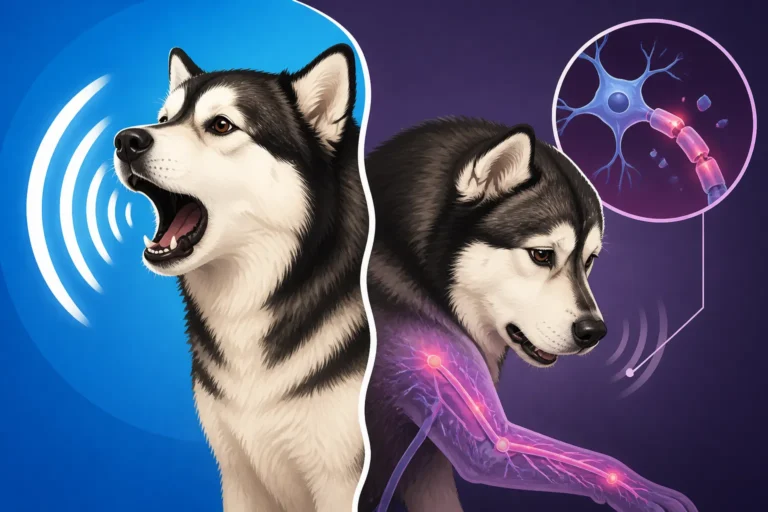
Just like humans, some Malamutes can experience cognitive decline as they age, often referred to as Canine Cognitive Dysfunction (CCD). This can manifest in a variety of ways, from subtle forgetfulness to profound disorientation. You might notice your Malamute staring blankly at walls, getting stuck in corners, or appearing confused in familiar environments. They might forget house training rules they've known their entire lives, leading to accidents indoors.
Sleep patterns can also be disrupted; they might pace restlessly at night and sleep excessively during the day. Their responsiveness to commands might decrease, not because they're being stubborn, but because they genuinely can't remember or process the information as quickly. These moments can be heartbreaking, but they're important signs that your Malamute needs extra patience, routine, and perhaps even veterinary intervention to manage symptoms. Our article on Whether an Old Malamute Gets Confused dives deeper into this challenging aspect of aging.
Physical Indicators of Seniority
Beyond the behavioral shifts, the physical signs of aging are often more apparent. These indicators are essentially your Malamute’s body telling you that things are changing internally and externally. Keeping a close eye on these physical cues allows you to address potential health issues promptly and improve their quality of life.
Coat and Skin Changes
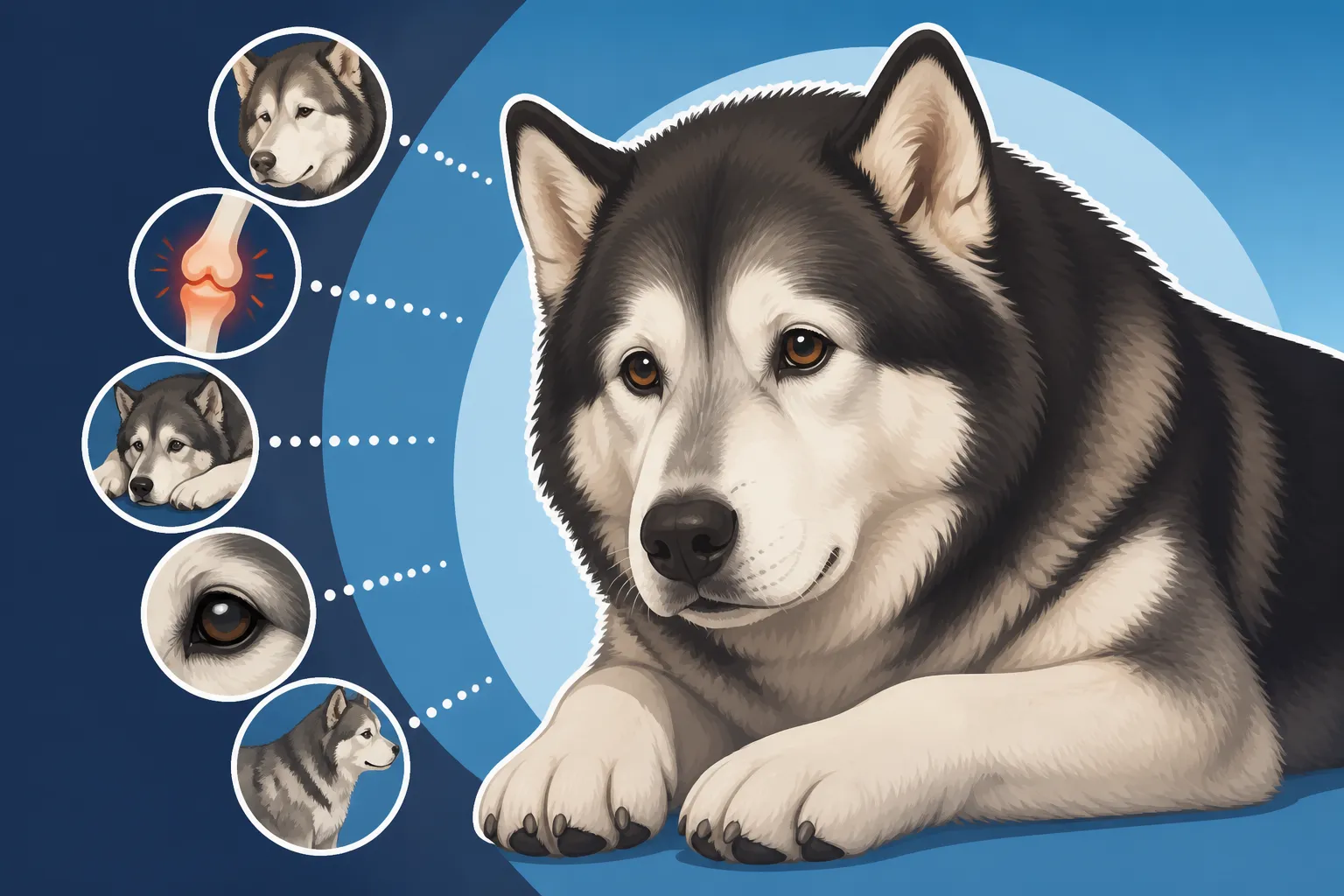
One of the most universally recognized signs of an aging Malamute is the greying of their muzzle, often extending to their eyebrows and other facial areas. It's like a distinguished badge of wisdom they earn over the years. However, changes go beyond just color. You might notice their luxurious double coat, once thick and vibrant, starts to thin out, especially over their hips or flanks. This thinning can make them more susceptible to cold, so consider if Whether an Old Alaskan Malamute Feels the Cold differently now.
Their skin might also become drier, less elastic, and you may start to discover more lumps and bumps. While many of these are benign fatty tumors (lipomas), any new lump should always be checked by a vet. Keep an eye out for flaky skin, increased dandruff, or any hot spots that could be signs of underlying issues. Regular grooming becomes even more important, not just for aesthetics, but for monitoring their skin health and distributing natural oils. You may have also noticed Whether a Malamute's Coat Silvers With Age as a very prominent sign.
Mobility and Joint Issues
This is perhaps one of the most common and distressing physical changes. Years of pulling, playing, and simply being a large, active dog take their toll on a Malamute's joints. You might observe a stiffness, particularly after they've been lying down for a while. They may limp occasionally, struggle with stairs, or hesitate before jumping into the car or onto furniture. Muscle loss, especially over the hindquarters, is also common, making them appear less "filled out" than they once were.
Arthritis is a significant concern for aging Malamutes, leading to chronic pain and reduced mobility. They might move slower, become less eager for walks, or even yelp in pain when touched in certain areas. Providing orthopedic beds, ramps, and non-slip surfaces can make a huge difference to their comfort. Discussion of treatments and management for joint pain can be found in our article on Arthritis in an Older Alaskan Malamute, and you may also want to consider Joint Supplements for an Alaskan Malamute as part of their care regimen.
Sensory Decline
Just as our own senses can dim with age, so too can our Malamutes'. Vision changes are common; their eyes might develop a cloudy appearance due to nuclear sclerosis, which is a normal aging change that usually doesn't significantly impair vision. However, true cataracts can also develop, leading to more substantial vision loss. You might notice them bumping into furniture, especially in dimly lit rooms, or being more hesitant in unfamiliar environments.
Hearing loss is another frequent sensory change. Your Malamute might stop responding to their name, not come when called, or seem startled when approached from behind. They might not react to familiar sounds like the doorbell or the treat jar rattling. It's easy to mistake this for stubbornness, but it’s crucial to rule out hearing impairment. Adjusting your communication methods to include more hand signals or ensuring you approach them gently can help them navigate a world with less sensory input. Cataracts in an Alaskan Malamute can be a significant concern for their vision as they age.
Dental Health and Appetite
Dental health often deteriorates with age, even with good care. Plaque and tartar buildup can lead to gum disease, tooth decay, and infections, causing significant pain and making eating difficult. You might notice bad breath, pawing at their mouth, or a reluctance to eat hard kibble. Regular dental check-ups and professional cleanings are vital for senior Malamutes.
Appetite can also fluctuate. Some older Malamutes lose interest in food, while others might gain weight if their activity levels drop but their food intake doesn't adjust. An increased thirst and more frequent urination can be a sign of kidney disease or diabetes, which are more common in older dogs. It's important to monitor these changes and discuss them with your vet. For more specific advice on nutrition, consider reading Feeding an Old Alaskan Malamute.
Here's a quick overview of some common signs and what they might indicate:
| Sign of Aging | Possible Indication | What to Watch For |
|---|---|---|
| Reduced Activity/Energy | Joint pain, muscle loss, general fatigue | Slower walks, less interest in play, longer naps, hesitation to move |
| Increased Stiffness/Limping | Arthritis, hip/elbow dysplasia, muscle soreness | Difficulty rising, slower on stairs, favoritism of a limb |
| Greying Muzzle/Thinning Coat | Normal aging, hormonal changes, nutritional deficiency | Prominent white hairs on face, dull or sparse fur, skin flakes |
| Cloudy Eyes/Vision Loss | Nuclear sclerosis, cataracts, glaucoma | Bumping into objects, hesitation in new places, pupils appear hazy |
| Hearing Loss | Normal aging | Not responding to name, increased startling, difficulty locating sounds |
| Increased Lumps & Bumps | Lipomas (benign), cysts, or potentially tumors | Any new growth; monitor size, texture, and tenderness |
| Changes in Appetite/Thirst | Dental pain, kidney disease, diabetes, metabolic issues | Eating less, difficulty chewing, increased water intake, more urination |
| Confusion/Disorientation | Canine Cognitive Dysfunction (CCD) | Staring at walls, getting stuck, house-soiling, altered sleep cycles |
| Altered Social Behavior | Pain, sensory loss, fear, irritability | Retreating from interaction, increased clinginess, snapping at others |
| Weight Changes (Loss/Gain) | Metabolic issues, muscle atrophy, dietary needs | Visible ribs/spine, decreased muscle mass, or a rounder body shape |
When to Consult Your Veterinarian
Recognizing the signs of aging is the first step, but knowing when to seek professional help is equally vital. Your veterinarian is your best partner in ensuring your Malamute's senior years are as comfortable and healthy as possible. Don't hesitate to reach out to them; they’ve seen countless older dogs and can offer tailored advice and treatment.
Regular Senior Check-ups
Just as we humans have more frequent health screenings as we age, your senior Malamute benefits greatly from regular, comprehensive veterinary check-ups. These visits, often recommended every six months for dogs over seven or eight years old, are crucial for early detection of age-related conditions. During these appointments, your vet will perform a thorough physical exam, often including blood work and urinalysis to check organ function, hormone levels, and rule out conditions like thyroid issues, kidney disease, or diabetes.
These proactive check-ups allow your vet to catch subtle changes that you might miss at home. For example, slight increases in kidney enzymes can be addressed with dietary changes long before your dog shows overt symptoms. Discussing your observations, no matter how minor they seem, is key. Tell your vet about changes in thirst, appetite, mobility, or behavior. This collaborative approach ensures that potential problems are identified and managed as early as possible. Investing in pet insurance, such as through a provider like Healthy Paws, can also provide peace of mind for these increasingly important and potentially more frequent veterinary visits as your Malamute ages.
Specific Symptoms Warranting Immediate Attention
While many aging signs are gradual, some symptoms require immediate veterinary attention. These are red flags that could indicate a serious or rapidly progressing condition. If you notice any of the following, contact your vet without delay:
- Sudden onset lameness or inability to bear weight: This could indicate a severe injury, a stroke, or an acute joint issue.
- Difficulty breathing or persistent coughing: Can be a sign of heart disease, lung issues, or even a foreign object.
- Significant changes in appetite (refusing to eat for more than 24 hours) or excessive vomiting/diarrhea: These can lead to rapid dehydration and indicate serious gastrointestinal or systemic illness.
- Extreme lethargy or weakness: A sudden drop in energy that goes beyond normal aging can signal an underlying health crisis.
- Severe disorientation or seizures: While some confusion is age-related, sudden or severe episodes warrant immediate investigation.
- Uncontrolled pain: If your Malamute is vocalizing pain, struggling excessively, or showing signs of distress that you can't alleviate.
These symptoms aren't just part of "getting old"; they are cries for help that need a prompt medical response.
Proactive Care and Support for Older Malamutes
Beyond veterinary interventions, there's so much you can do at home to support your aging Malamute. Adjusting their diet to a senior formula can provide appropriate nutrition for their changing metabolism and activity levels. Many senior diets are lower in calories to prevent weight gain and often include joint-supporting supplements like glucosamine and chondroitin. You can also discuss specific Joint Supplements for an Alaskan Malamute with your vet.
Comfort is paramount. Provide soft, orthopedic bedding to cushion their aching joints. Ensure their living space is easy to navigate, perhaps by adding ramps for stairs or elevated feeding bowls to reduce neck strain. Maintain mental stimulation with puzzle toys or gentle training sessions using positive reinforcement. Just because they’re old doesn’t mean they don’t still enjoy learning or engaging their minds. Simple, consistent routines can help those with cognitive decline feel more secure. For a holistic view, remember to check out our extensive guide on Caring for an Alaskan Malamute Past Eight, which covers many aspects of keeping your senior dog happy and healthy. Ultimately, Knowing When an Old Alaskan Malamute Has Had Enough is the hardest part, but by being observant and proactive, you ensure their journey is filled with love and comfort until that time comes.
Disclaimer
The information provided in this article is for general informational purposes only and is not a substitute for professional veterinary advice. Always consult with a qualified veterinarian for any health concerns or before making any decisions about your pet's medical care.