Whether a Working Malamute Lives Longer
It's a common thought among Malamute owners, isn't it? We look at these magnificent, powerful dogs and wonder if all that incredible strength and drive, when put to work, might just contribute to a longer, healthier life. Many people believe that a working dog, especially one bred for such demanding tasks as the Alaskan Malamute, will naturally outlive their couch-potato counterparts. This guide will dive deep into this fascinating question, exploring the nuances of what "working" really means for a Malamute and how different factors truly influence their lifespan.
What Defines a "Working" Alaskan Malamute?
Before we can even begin to discuss whether a working Malamute lives longer, we need to clarify what we mean by "working." It's not always about pulling a sled across the Alaskan tundra anymore, though that remains the breed's historical purpose. The definition has evolved, and it's important to understand the various forms of "work" a Malamute might engage in today.
Traditional Sledding and Freighting
Historically, the Alaskan Malamute was the powerhouse of the Arctic. They weren't bred for speed like their Siberian Husky cousins, but for strength, endurance, and their ability to haul heavy loads over long distances at a steady pace. This is true freighting work. These dogs lived a life of rigorous physical activity, often in extreme cold, consuming a diet specifically formulated to meet their high energy demands. For these dogs, "work" was their existence, a demanding job that kept their bodies incredibly conditioned and their minds engaged. It wasn't just a hobby; it was survival for both dog and human.
Even today, some Malamutes are still involved in traditional freighting, albeit often for sport or recreation rather than pure survival. They might participate in long-distance expeditions, recreational sledding, or competitive weight pull events. This kind of work demands immense physical conditioning, careful nutrition, and a deep bond with their human handler. A dog in a true working kennel often benefits from excellent veterinary care, tailored diets, and a life structured around their physical capabilities. However, this intense lifestyle also comes with risks, such as injuries, overexertion, or specific dietary needs, like understanding when to give a Malamute more fat in winter.
Modern-Day "Jobs" for Malamutes
Beyond the traditional, many Malamutes thrive when given a "job" that taps into their instincts and intelligence, even if it's not pulling heavy freight. This can include activities like skijoring, canicross, bikejoring, or even competitive obedience and rally. While these might not replicate the sheer physical demands of a true freighting dog, they still provide significant mental and physical stimulation. A Malamute engaged in such activities is typically well-exercised, mentally stimulated, and maintains a healthy body weight.
Consider a Malamute that regularly participates in canicross with its owner. This dog is likely running several miles a week, burning off energy, and using its powerful build. Such consistent exercise helps maintain muscle mass, keep joints flexible, and support cardiovascular health. The mental engagement of learning new commands or navigating trails also contributes to their overall well-being. These dogs are less likely to become bored, destructive, or overweight, all factors that can indirectly impact their health. We often find that a bored Malamute destroys the house, which indicates a lack of mental and physical outlet.
The "Working Dog" as a State of Mind
Sometimes, "working" refers less to a specific task and more to a Malamute's overall lifestyle and mental engagement. An Alaskan Malamute who is deeply bonded with its owner, regularly exercises, participates in dog sports, and has clear boundaries and training, is effectively a "working" dog in spirit, even if they never touch a sled. These dogs are usually well-adjusted, confident, and receive consistent care. They are often given varied activities like long hikes, puzzle toys, and regular training sessions that challenge their intelligence.
This engagement fosters a healthy mind-body connection. A dog with a strong purpose and connection to its owner often exhibits less stress and anxiety, which can have long-term benefits for their immune system and overall health. Owners who are deeply invested in providing this "working" state of mind are also often hyper-vigilant about their dog's health, diet, and veterinary care, catching potential issues early. This type of owner might also be more inclined to research topics like The Age an Alaskan Malamute Counts as a Senior to understand their dog's life stages.
Factors Influencing Longevity in Alaskan Malamutes
Regardless of whether a Malamute is a dedicated working dog or a beloved companion, several key factors profoundly influence how long they will live. Understanding these can help any owner maximize their furry friend's time with them. The average lifespan for an Alaskan Malamute is typically between 10 and 14 years.
Genetics and Responsible Breeding
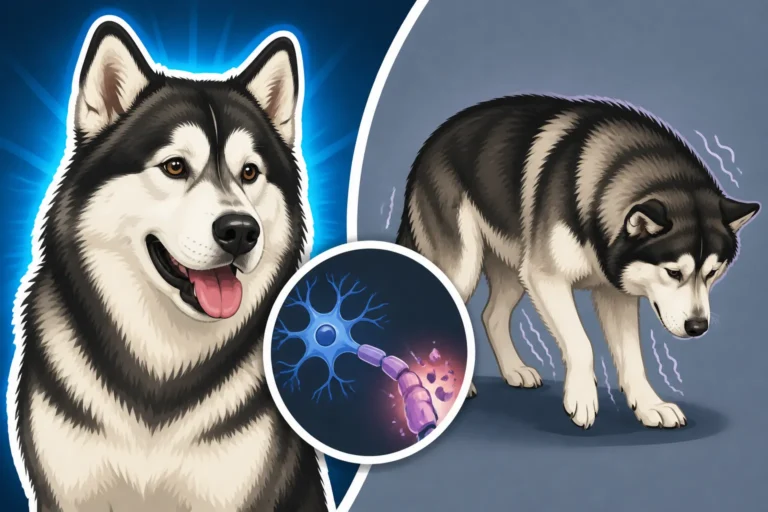
This is perhaps the single most crucial factor. A Malamute's genetic blueprint largely dictates its predisposition to certain diseases. Responsible breeders prioritize health testing to screen for inherited conditions common in the breed, such as hip dysplasia, inherited polyneuropathy, day blindness, and chondrodysplasia. For instance, parents should undergo genetic testing for The DNA Test That Finds Malamute Polyneuropathy and the CNGB3 Test for Malamute Day Blindness to prevent passing these debilitating conditions to their offspring.
A puppy from a breeder who thoroughly screens their breeding stock for these conditions has a much higher chance of living a long, healthy life free from the genetic burdens that can shorten lifespans or severely impact quality of life. Conversely, puppies from backyard breeders or puppy mills, where health testing is often ignored, are at a significantly higher risk of developing these genetic ailments, regardless of their future lifestyle. Such inherited conditions can require extensive veterinary care and, in some cases, lead to an early decline.
Nutrition and Diet
What you feed your Malamute directly impacts its health, energy levels, and long-term well-being. A high-quality, balanced diet appropriate for their age, activity level, and any specific health needs is essential. For instance, Malamutes are known to have issues with zinc absorption, making a diet rich in bioavailable zinc crucial to prevent conditions like Zinc Responsive Dermatosis in an Alaskan Malamute. Without proper nutrition, even a genetically robust dog can suffer from deficiencies or obesity, both of which can shorten its life.
Overfeeding, especially with low-quality food, leads to obesity, which is a significant health risk. Overweight dogs are prone to joint problems, heart disease, diabetes, and a reduced quality of life. Conversely, underfeeding or providing an inadequate diet, particularly for a working dog with high energy output, can lead to nutrient deficiencies, muscle loss, and a weakened immune system. It's a delicate balance to strike, especially given that an Alaskan Malamute eats less than expected due to their efficient metabolism.
Veterinary Care and Preventative Measures
Regular veterinary check-ups are non-negotiable for a long and healthy Malamute life. Preventative care, including vaccinations, parasite control (fleas, ticks, heartworm), and routine dental care, plays a massive role in preventing serious illnesses. Your vet can catch potential health issues early, often before they become major problems. Blood tests can monitor organ function, and regular physical exams can detect lumps, changes in gait, or other subtle signs that might indicate an underlying condition.
Early detection and intervention for conditions like hypothyroidism, cataracts, or even certain cancers can significantly extend a Malamute's lifespan and improve their quality of life. For example, if your Malamute starts showing signs like a thinning coat, weight gain, or lethargy, it might be Signs a Malamute's Thyroid Has Failed, a condition that's highly manageable with medication but detrimental if left untreated. Regular screening and proactive care, often supported by pet insurance providers like Healthy Paws, allow owners to address health concerns promptly, giving their Malamute the best chance at a full life.
Environment and Lifestyle
A Malamute's environment significantly influences its health and happiness. Access to a safe, spacious yard, opportunities for exercise, and a stimulating home environment are all crucial. Given their thick double coat, living in an appropriate climate is also vital. Summer Is the Season That Kills Alaskan Malamutes if they are not properly managed in hot weather. Providing shade, cool water, and air conditioning when temperatures rise can literally be life-saving.
Beyond the physical environment, the social and emotional environment matters too. Malamutes thrive on companionship and being part of the family. Isolation and lack of attention can lead to behavioral issues and stress, which can manifest as physical health problems over time. A stimulating environment also means plenty of opportunities for walks, playtime, and training to keep their intelligent minds sharp. Just being an "inside" dog doesn't mean they aren't engaged; it's about the quality of that engagement.
The Impact of a Working Lifestyle on Health and Longevity
Now, let's get to the heart of the matter: does actually working make a Malamute live longer? The answer isn't a simple yes or no, but rather a nuanced look at the pros and cons.
Benefits of a Physically Active Lifestyle
A working Malamute, or one with a highly active lifestyle, generally enjoys superior physical conditioning. This translates to stronger muscles, healthier joints, better cardiovascular fitness, and a more efficient metabolism. Regular, appropriate exercise helps maintain a healthy weight, which significantly reduces the risk of obesity-related illnesses like diabetes, heart disease, and joint problems, including the ever-present threat of Hip Dysplasia in an Alaskan Malamute.
Furthermore, a working life often provides immense mental stimulation. Malamutes are intelligent dogs, and when their minds are challenged with tasks, training, and problem-solving, they are happier and more well-adjusted. This mental engagement can reduce stress, anxiety, and boredom-induced destructive behaviors. A mentally stimulated dog is often more resilient and less prone to developing stress-related health issues. This combination of physical and mental well-being undeniably contributes to a higher quality of life, and potentially, a longer one.
| Factor | Working Malamute (Freighting/Sports) | Pet Malamute (Active Companion) | Pet Malamute (Sedentary) |
|---|---|---|---|
| Physical Condition | Excellent, highly muscled | Good, well-exercised | Poor, prone to obesity |
| Mental Stimulation | High, task-oriented | Moderate to High, varied activities | Low, potential for boredom |
| Joint Health Risk | Moderate (due to intensity) | Low to Moderate | High (due to weight) |
| Cardiovascular Health | Excellent | Good | Poor |
| Weight Management | Easier (high calorie burn) | Requires vigilance | Difficult |
| Injury Risk | Higher (due to rigorous activity) | Low | Low |
| Overall Stress Level | Low (purpose-driven) | Low to Moderate | Moderate to High (boredom/anxiety) |
Potential Risks and Wear and Tear
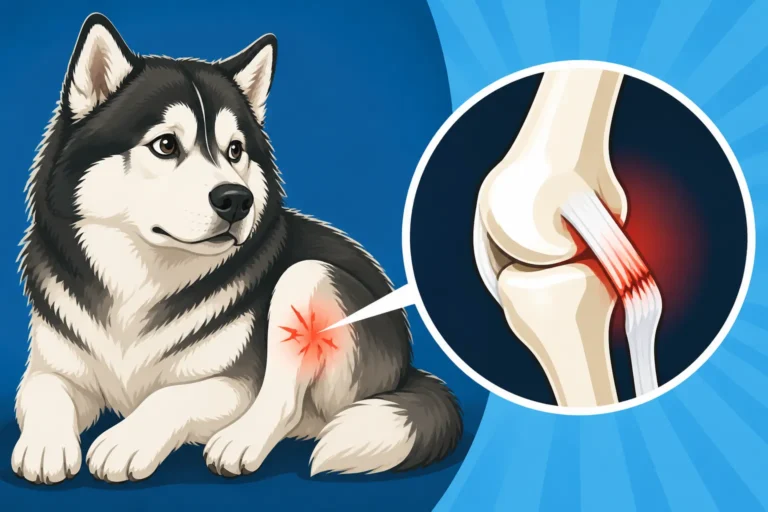
However, an intensely active, working lifestyle also comes with its own set of risks. Just like human athletes, working dogs are more susceptible to certain injuries. Muscle strains, ligament tears (like a cruciate ligament tear), and joint issues can arise from repetitive stress or acute trauma. While strong muscles can protect joints to a degree, the constant impact and strain of pulling heavy loads or running long distances can accelerate wear and tear on hips and elbows, potentially exacerbating conditions like hip or elbow dysplasia.
Overexertion, especially in extreme conditions, is another concern. In the past, the motto "Why a Malamute Shows Nothing Until It Cannot Work" reflected their incredible stoicism, but it also meant injuries could be severe before symptoms were obvious. Dehydration, heatstroke, or frostbite are real dangers depending on the climate and intensity of work. These dogs require vigilant monitoring and immediate intervention if any signs of distress appear. Also, their diet must be carefully calibrated; a working Malamute needs a performance formula that meets their heightened energy requirements, often with a higher fat content.
The True Equation: Quality of Life vs. Quantity
Ultimately, the question isn't just about raw years, but the quality of those years. A Malamute who lives a shorter life but is deeply fulfilled by its work, consistently exercised, well-cared for, and mentally engaged, arguably lives a richer life than one who lives longer but is bored, overweight, and neglected. A working lifestyle, when managed responsibly, typically provides this profound sense of purpose and physical well-being.
The key phrase here is "managed responsibly." A working Malamute benefits from owners who understand the demands of their chosen activity, provide excellent nutrition, offer appropriate veterinary care, and allow for adequate rest and recovery. This includes regular health checks, perhaps even more frequent than a pet Malamute, to catch potential issues like Arthritis in an Older Alaskan Malamute developing from years of work. If all these elements are in place, a working Malamute has every chance of living a full and healthy life, potentially reaching the higher end of the breed's typical lifespan.
Maximizing Your Alaskan Malamute's Lifespan
Regardless of whether your Malamute is a competitive freighting dog or a cherished family companion, there are universal steps you can take to help them live the longest, happiest life possible.
Prioritizing Preventative Health and Diet
This cannot be stressed enough. Schedule annual vet check-ups, and don't skip them, even if your dog seems perfectly healthy. These visits are crucial for early detection of problems and for maintaining up-to-date vaccinations and parasite prevention. Discuss your dog's diet with your vet, ensuring it's appropriate for their age, activity level, and any specific health concerns. Remember that Malamutes are prone to certain genetic conditions, so be aware of the signs of issues like What Inherited Polyneuropathy Does to a Malamute or What Day Blindness Does to a Malamute so you can seek veterinary help immediately if symptoms arise.
Invest in high-quality food, and consider supplements like fish oil for joint health, especially as they age or if they are actively working. Many owners find value in pet insurance, such as Healthy Paws, which can significantly ease the financial burden of unexpected illnesses or injuries, allowing you to pursue the best possible care without hesitation. Regular dental care, either at home with brushing or professional cleanings at the vet, also prevents periodontal disease, which can lead to other systemic health issues.
Consistent and Appropriate Exercise
Every Malamute needs regular exercise, but the type and amount should be tailored to the individual dog. A working Malamute might thrive on hours of pulling or running, while a pet Malamute might be perfectly content with long, brisk walks, hikes, and active playtime in a securely fenced yard. The important thing is consistency and appropriateness. Avoid over-exercising young puppies while their growth plates are still open, and be mindful of your senior Malamute's changing needs as they age.
Always be aware of the weather. Malamutes are built for cold, not heat. On warm days, exercise should be limited to early mornings or late evenings, and always watch for signs of overheating. Activities like swimming (if your Malamute enjoys it) or playtime in a sprinkler can be great ways to stay active while staying cool. A Malamute who is physically fit is generally healthier, has better muscle tone, and maintains a healthier weight.
Mental Stimulation and Engagement
A bored Malamute is often a destructive Malamute, and an unhappy Malamute can be a less healthy one. Provide plenty of mental challenges through training, puzzle toys, sniff games, and interactive play. Even if your Malamute isn't "working" in a traditional sense, daily training sessions where they learn new commands or refresh old ones are invaluable. This strengthens your bond, builds their confidence, and keeps their intelligent minds active.
Consider enrolling in a dog sport like obedience, rally, or even beginner agility. These activities provide structure, challenge, and social interaction, which are all vital for a Malamute's well-being. A dog that feels useful and engaged is less likely to suffer from anxiety or stress, which can indirectly impact their physical health. Remember, The Adolescent Malamute That Rewrites the Rules at Fourteen Months needs consistent guidance and mental engagement to prevent behavioral issues.
Safety and Environmental Considerations
Ensure your home and yard are safe and secure. Malamutes are notorious escape artists and can easily get into trouble if left unsupervised or in an unsecured area. A robust, dig-proof fence is essential. If you live in a hot climate, ensure your home has adequate air conditioning and that your Malamute always has access to shade and fresh, cool water outdoors. Consider cooling mats or elevated beds during warmer months.
Be diligent about protecting them from hazards like toxic plants, chemicals, or small objects they might ingest. Always walk your Malamute on a leash, as Why an Alaskan Malamute Will Never Have a Reliable Recall is a hard truth many owners learn the hard way. A lost or injured dog can face serious health consequences. By proactively managing their environment, you protect them from preventable accidents and exposures that could shorten their lives. Many pet parents choose to carry comprehensive pet insurance like Healthy Paws for peace of mind against unforeseen accidents.
Final Thoughts on Longevity
So, does a working Malamute live longer? It's not the work itself that guarantees a longer life, but rather the comprehensive care, genetics, and appropriate lifestyle that often accompany a working dog's routine. A Malamute who is consistently exercised, mentally stimulated, fed a high-quality diet, and receives excellent veterinary care – whether they're pulling a sled or just enjoying vigorous hikes with their family – has the best chance at living a long, healthy, and fulfilling life. The key is to commit to providing all these elements, ensuring your magnificent Malamute thrives for as many years as possible.
Disclaimer
This article is intended for informational purposes only and does not constitute veterinary advice. Always consult with a qualified veterinarian for any health concerns or before making any decisions about your pet's health or treatment.