Summer Is the Season That Kills Alaskan Malamutes
If you're a proud Alaskan Malamute owner, summer isn't just a season; it's a silent, ever-present threat. The warm months bring a unique and terrifying challenge, turning what should be a time for outdoor fun into a period of constant vigilance, as the very coat that protected your beloved companion in the Arctic can become a deadly liability in the heat. This guide is here to walk you through the harsh realities of summer with a Malamute, arming you with the knowledge and strategies to keep them safe and thriving when the temperatures climb.
The Unforgiving Truth: Why Summer is a Malamute Owner's Worst Nightmare
Let's be brutally honest: owning an Alaskan Malamute in anything but a perpetually cool climate can feel like a battle against nature itself when summer rolls around. These magnificent dogs were literally built for the brutal cold of the Arctic, not the sweltering humidity of a summer day. While other breeds might happily bask in the sun, your Malamute is likely struggling, and that struggle can turn fatal shockingly fast. It's not about being overprotective; it's about understanding the inherent design of your dog and respecting its limitations. The frustration of seeing your normally boisterous companion panting heavily, refusing walks, and seeking out the coolest tile in the house is a common one among Malamute parents. You want them to be happy and active, but the environment conspires against them.
The Inherent Challenge of a Cold-Weather Breed in Heat
Imagine wearing a thick, insulated winter coat in the middle of a scorching July afternoon. That's essentially what your Alaskan Malamute experiences when the mercury rises. Their entire physiology is geared towards retaining heat, not dissipating it. Their deep chests, dense bone structure, and, of course, that legendary double coat, are all masterful adaptations for survival in sub-zero temperatures. In their ancestral lands of the Arctic, where the Mahlemut people developed them for freighting, overheating was rarely an issue. They would trot for miles, hauling heavy loads across frozen tundra, their bodies perfectly designed for the task.
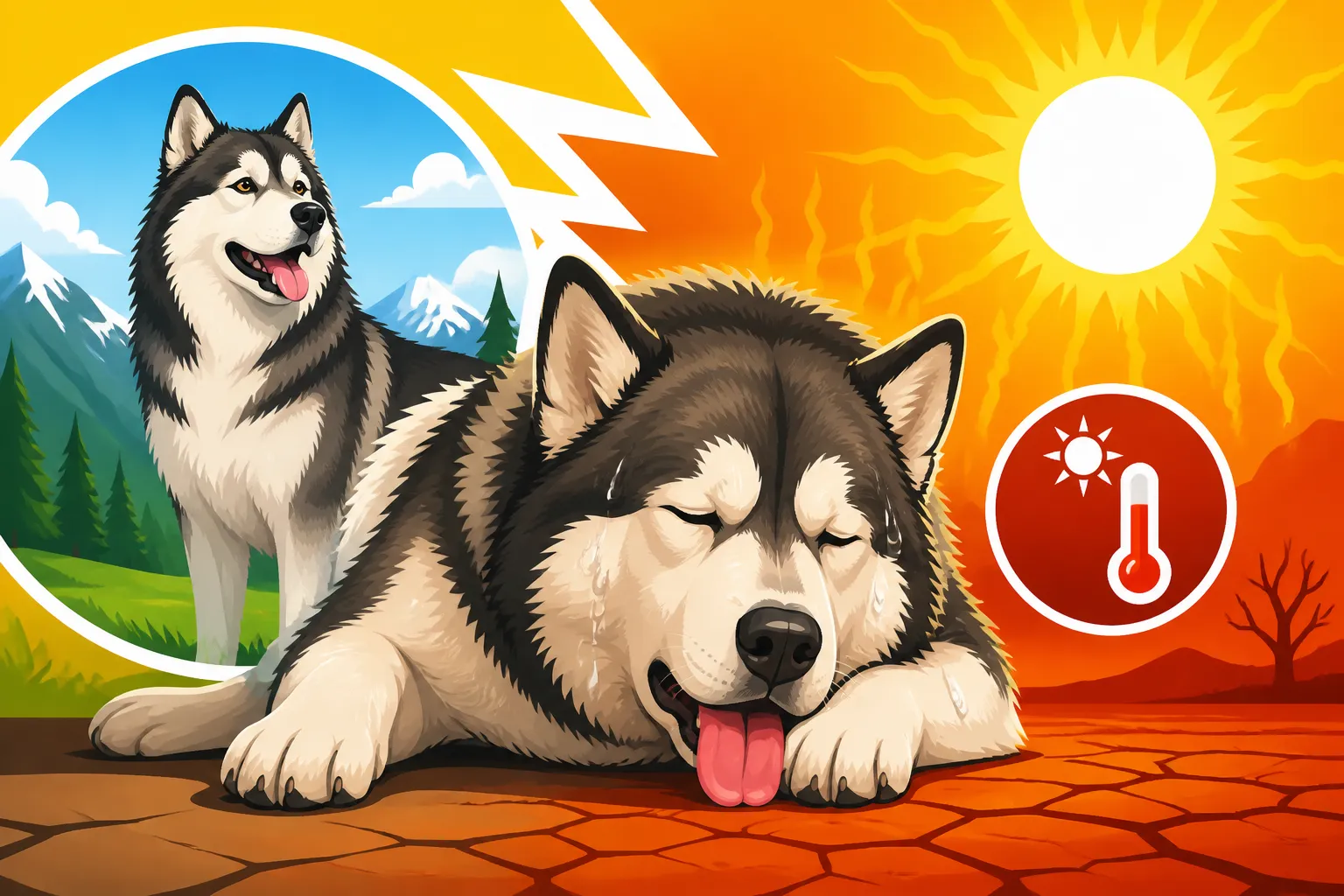
However, in our modern world, far from the Kotzebue Sound, these same traits become significant disadvantages. A dog bred to withstand -50°F simply isn't equipped for +80°F, let alone higher. Their efficient metabolism, which allows them to conserve energy and survive on less food in harsh conditions, also means they generate internal heat even with minimal activity. This isn't a flaw in the breed; it's a fundamental aspect of their being, and it's our responsibility as their guardians to recognize and mitigate the risks posed by environments they were never meant to inhabit in summer.
The Silent and Rapid Progression of Heatstroke
One of the most terrifying aspects of heat stress in an Alaskan Malamute is how quickly it can escalate from discomfort to a life-threatening emergency. They often mask their discomfort until they're already in a critical state, a trait common in many stoic, working breeds. What might start as a bit of heavy panting after a short walk can, within minutes, spiral into full-blown heatstroke, a condition where the dog's internal temperature rises to dangerous levels, causing organ damage and, tragically, death if not addressed immediately.
The signs can be deceptively subtle at first. A little more drool than usual, a slightly slower pace, a preference for lying on a cool surface – these are easily dismissed as minor inconveniences of summer. But beneath that thick coat, your Malamute's core temperature could be steadily climbing. Their large muscle mass also generates a lot of heat, and once they start to overheat, their body's natural cooling mechanisms, like panting, become less effective. The thick, insulating undercoat traps heat close to their body, preventing efficient heat exchange with the environment. This rapid progression means there's a very narrow window for intervention, and missing those early cues can have devastating consequences.
Understanding Your Malamute's Built-In Winter Suit
Your Alaskan Malamute's glorious, fluffy coat is often the first thing people admire. It's a marvel of natural engineering, perfectly designed for the extreme cold. But this "winter suit" is also the primary reason why summer is such a dangerous season for them. Understanding how their coat works – and how it doesn't work in the heat – is crucial for responsible ownership. It's not just fur; it's a complex system that can be either their best friend or their worst enemy, depending on the temperature outside. Many owners, especially those new to the breed, often misunderstand its function, leading to potentially dangerous decisions.
The Double Coat: Insulation for Both Cold and (Surprisingly) Heat
The Malamute's coat is a true double coat, consisting of two distinct layers:
- The Outer Guard Hairs: These are coarser, longer, and somewhat stiff hairs that are water-repellent and snow-shedding. They form a protective barrier against external elements like rain, snow, and wind. Crucially, they also offer protection from the sun's harsh UV rays, acting like a natural parasol.
- The Undercoat: This is where the real insulation magic happens. It's incredibly dense, soft, and woolly, varying in thickness depending on the climate and season. In winter, this undercoat traps a layer of warm air close to the dog's body, preventing heat loss. In summer, if properly maintained and allowed to "breathe," this same undercoat can also help regulate temperature by providing a barrier against ambient heat and allowing air circulation.
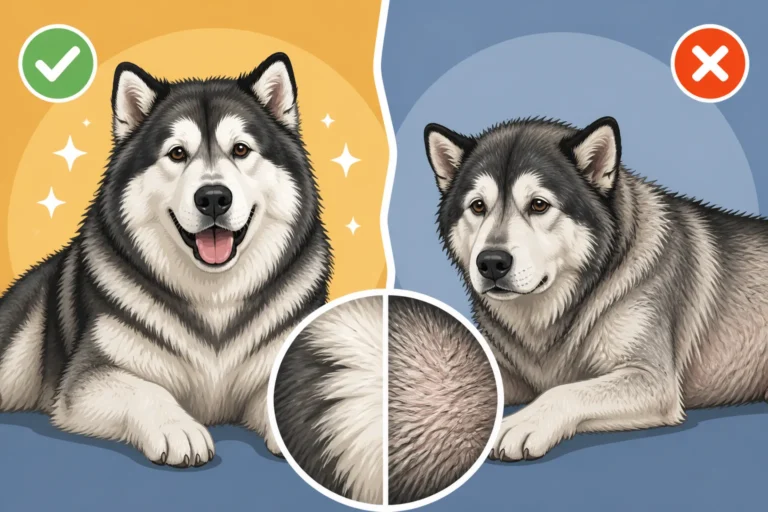
The key phrase here is "properly maintained and allowed to breathe." When the undercoat is shedding (known as "blowing coat"), it needs to be thoroughly removed. If this dead undercoat remains packed in, it stops air from circulating close to the skin, effectively turning their coat into a stifling blanket that traps heat rather than regulating it. This is why consistent and effective grooming is not just about aesthetics; it's a vital health component, particularly when preparing for or during warmer weather.
Why Shaving is a Dangerous Myth
It's a common, heartbreaking misconception: "My Malamute is hot, I should shave them to cool them down." Please, resist this urge with every fiber of your being. Shaving an Alaskan Malamute's double coat is not only ineffective for cooling them but can actually make them more susceptible to overheating and other serious problems. It's a decision born of good intentions but deeply flawed understanding.
When you shave a Malamute, you remove both layers of their protective coat. You strip away the guard hairs that shield their skin from the sun's powerful UV radiation, making them prone to sunburn and increasing their risk of skin cancer. More importantly, you disrupt the natural insulation system. That dense undercoat, when healthy and well-groomed, creates an air pocket that acts as both a cold barrier and a heat barrier. By shaving it off, you expose their skin directly to the sun and heat, robbing them of their natural defense mechanism. The skin, suddenly exposed, can't regulate temperature as effectively. Furthermore, shaved Malamute coats often grow back incorrectly, becoming coarse, patchy, or developing "clipper alopecia," where the hair simply doesn't grow back normally or at all. This can lead to permanent damage and future coat health issues. Instead of shaving, focus on proper grooming to remove dead undercoat, which does allow for better air circulation and cooling.
The Silent Killers: Recognizing the Signs of Overheating
Knowing the signs of overheating isn't just helpful; it's absolutely critical for every Malamute owner. These dogs, with their stoic nature and thick coats, can go from seeming fine to being in grave danger shockingly fast. You can't rely on them to dramatically signal their distress until it's often too late. Early detection is your best weapon against heatstroke, so learn to spot the subtle cues before they escalate into a full-blown emergency. Don't assume they'll let you know; assume they won't, and be proactive in monitoring their comfort and behavior.
Early Warning Signals: Catching Trouble Before it Escalates
Catching overheating in its initial stages can literally save your Malamute's life. These early signs might seem minor, but for a Malamute, they are red flags demanding immediate attention. Think of it as a smoke detector for their internal temperature:
- Excessive Panting: While all dogs pant to cool down, an overheated Malamute will pant more rapidly and intensely than usual, often with a wide-open mouth and a very loud, labored sound. It might sound like they're struggling to catch their breath.
- Heavy Drooling: Increased salivation accompanies the heavy panting, and you might notice thick, ropey drool around their mouth.
- Seeking Shade or Cool Surfaces: Your Malamute will instinctively try to find relief. This might mean lying flat on cool tile or concrete, or constantly moving into the shadiest part of the yard.
- Lethargy or Reluctance to Move: They might become unusually subdued, unwilling to play, or refuse to go for a walk they'd normally love. A noticeable decrease in energy is a major warning.
- Bright Red Gums or Tongue: Check their gums. If they are significantly redder than their usual healthy pink, it indicates increased blood flow as the body tries to cool itself, but also a precursor to more severe circulatory issues.
- Increased Heart Rate: You might feel their heart beating faster than normal if you place your hand on their chest.
- Skin Hot to the Touch: While their coat can mask this, feeling their skin on their belly or inner thighs might reveal it's unusually warm.
If you observe any of these Signs an Alaskan Malamute Is Too Hot, your immediate action should be to get them to a cooler environment and start cooling them down. Don't wait to see if it gets worse; assume it will get worse without intervention.
Critical Symptoms: When Every Second Counts
When an Alaskan Malamute progresses beyond the early warning signs, they are entering a life-threatening crisis. At this stage, heatstroke is likely in full effect, and time is absolutely of the essence. These symptoms indicate severe internal distress and demand immediate emergency veterinary attention. Do not hesitate, do not try to "wait and see."
- Stumbling, Weakness, or Collapse: Their coordination will falter. They might stagger, sway, or completely collapse, unable to stand. This indicates neurological impact from the high body temperature.
- Vomiting and Diarrhea (often bloody): As internal organs begin to shut down, gastrointestinal distress is common and extremely serious. Bloody vomit or diarrhea signals severe damage.
- Seizures or Tremors: Uncontrolled muscle twitching or full-blown seizures are a terrifying sign that their brain is being affected by the extreme heat.
- Dark Red or Purple Gums: Beyond just bright red, gums that appear deep red, almost purple, or even bluish, indicate oxygen deprivation and circulatory collapse.
- Glassed-Over Eyes: Their eyes may appear unfocused, glazed, or unresponsive, a clear sign of severe distress.
- Unconsciousness: In the most severe cases, your Malamute may lose consciousness.
If your Malamute displays any of these critical symptoms, they are in a dire emergency. You need to start cooling them down while simultaneously getting them to the nearest emergency veterinary clinic. Every minute counts, and prompt, aggressive treatment is often the only thing that can save their life.
Immediate Action: What to Do When Your Malamute is Overheating
Finding your Malamute struggling with the heat is terrifying, but panicking won't help. What you do in those first crucial minutes can make all the difference between recovery and tragedy. Having a plan in place and acting decisively is paramount. Remember, these are first aid steps to stabilize your dog before or during transport to professional veterinary care. Unless the overheating is very mild and reversible, a vet visit is almost always necessary to assess for internal damage.
First Aid Steps: Cooling Your Malamute Safely and Quickly
When you suspect your Malamute is overheating, immediate action is non-negotiable. Here's what you need to do, step-by-step, focusing on safe and effective cooling:
- Move to a Cooler Environment: Get your Malamute out of the sun and into the coolest possible location immediately. This could be an air-conditioned room, a shady spot, or even in front of a powerful fan.
- Offer Water (But Don't Force It): Provide fresh, cool water, but don't try to force your dog to drink, especially if they are disoriented or unconscious, as they could aspirate it. If they drink willingly, that's great. Adding ice cubes to the water might make it more appealing.
- Apply Cool Water Strategically: This is the most effective cooling method you can do at home. Use cool (not ice-cold!) water to wet down their body, focusing on areas with less fur and high blood flow.
- Paws: Thoroughly wet their paw pads. Dogs sweat a little through their paws, and cooling these areas helps cool the blood circulating through them.
- Belly and Inner Thighs: These areas have large blood vessels close to the surface of the skin. Applying cool water here helps to cool the blood as it circulates.
- Neck and Armpits: Similar to the belly, these are key areas for heat exchange.
- Head: You can gently wet their head, being careful not to get water in their nose.
- Do NOT submerse them in ice-cold water: While it seems intuitive, shocking their system with ice water can cause blood vessels to constrict, actually trapping heat inside their body and potentially leading to other complications. Stick to cool tap water.
- Use Air Movement: If you have a fan available, direct it at your Malamute while applying water. Evaporation of the water off their coat will further aid in cooling. You can even use a hair dryer on a "cool" setting if you don't have a dedicated fan.
- Monitor Temperature (If You Can): If you have a rectal thermometer, monitor their temperature. The goal is to bring their temperature down to around 103°F (39.4°C). Once it reaches this point, stop active cooling to prevent hypothermia. Keep monitoring it, as it can rise again.
These actions, when applied quickly, can significantly improve your Malamute's chances. For more detailed instructions, always refer to a guide on How to Cool an Overheated Alaskan Malamute.
When to Seek Emergency Veterinary Care
Even if your Malamute seems to be recovering after initial cooling efforts, a trip to the emergency veterinarian is often crucial, especially if they displayed anything beyond very mild symptoms (like light panting that quickly resolved). Heatstroke can cause insidious internal damage that isn't immediately apparent.
Think of it this way: heatstroke isn't just about a high body temperature; it's about the cascade of systemic effects that high temperature has on the body. Organs like the kidneys, liver, brain, and gastrointestinal tract can suffer damage, leading to complications like acute kidney failure, disseminated intravascular coagulation (DIC), or brain swelling. These issues might not show up for hours or even a day or two after the initial incident.
Here's why you should head to the vet:
- Any Severe Symptoms: If your Malamute collapsed, had seizures, vomited, or had bloody diarrhea, there's no question – go to the vet immediately.
- Persistent Lethargy or Weakness: Even if cooled, if they remain unusually sluggish, disoriented, or weak, they need professional assessment.
- Temperature Not Dropping: If you can't get their temperature down with your at-home methods, or if it immediately starts rising again after you stop cooling, veterinary intervention is required.
- Uncertainty: When in doubt, always err on the side of caution. A vet can run blood tests to check for organ damage, administer IV fluids to combat dehydration and kidney stress, and provide other supportive care. Call your vet or the nearest emergency clinic while you are on your way so they can prepare for your arrival. Being prepared can shave off precious minutes when every second matters.
Proactive Measures: Creating a Summer-Safe Environment
Prevention is always better than cure, especially when it comes to the dangers of summer for your Alaskan Malamute. You can't change their genetics or their glorious coat, but you can control their environment. Creating a cool, safe haven for them during the warmer months isn't just a suggestion; it's a fundamental responsibility. This involves careful planning both inside and outside your home to minimize their exposure to heat and maximize their comfort. It’s about building a fortress against the summer sun.
Indoor Climate Control: Keeping Your Home a Haven
Your home should become your Malamute's primary sanctuary during the summer, especially during the hottest parts of the day. Relying on an open window or a small fan simply isn't enough for a breed designed for sub-zero temperatures.
- Air Conditioning is Essential: This is non-negotiable in most climates for an Alaskan Malamute in summer. Your home needs to be consistently cool. If you have central air, keep it running. If not, consider window units in the rooms your Malamute frequents. Don't try to save a few dollars on electricity when your dog's life could be at stake. Understanding What Cooling a House for a Malamute Costs in Summer is part of responsible ownership.
- Strategic Fan Use: While not a substitute for AC, fans can help create air circulation and aid in evaporative cooling. Place them at floor level where your Malamute typically rests.
- Cooling Mats and Elevated Beds: Invest in cooling mats (many are available on Amazon and Chewy) that absorb and dissipate body heat or use elevated dog beds that allow air to circulate underneath, keeping them off hot floors. These aren't magic bullets, but they add layers of comfort.
- Block Direct Sunlight: Close curtains or blinds on windows that receive direct sunlight, especially during the hottest parts of the day. Sunlight streaming in can significantly raise the indoor temperature. Consider reflective window films for south and west-facing windows.
- Limit Indoor Activity: Even inside, discourage vigorous play or running around during the peak heat. Save those zoomies for cooler evenings or mornings.
Remember, if you feel uncomfortably warm inside, your Malamute is likely suffering significantly more. Their tolerance for heat is vastly different from yours.
Outdoor Safety: Shade, Water, and Restricted Activity
While your Malamute might love the outdoors, summer demands a strict reassessment of their outdoor access and activities. Leaving them unattended, even for short periods, can be disastrous.
- Abundant, Cool Water: Always have multiple bowls of fresh, cool water available outdoors, placed in shady spots. You might even freeze large blocks of ice in plastic bowls for them to lick, or add ice cubes to their water. Check and refill frequently, as water can heat up quickly in the sun.
- Shade, Shade, Shade: Ensure there is always ample, deep shade available. Trees are great, but also consider tarps, shade sails, or a covered kennel run. The shade moves throughout the day, so ensure coverage is constant. Never leave a Malamute tied out in direct sunlight.
- Kiddie Pools for Splashing: Many Malamutes adore splashing in shallow water. A small, sturdy kiddie pool filled with cool water can provide immense relief and fun. You can find these at most big-box stores or through pet retailers like Chewy. Make sure the water is refreshed regularly.
- Avoid Hot Surfaces: Pavement, asphalt, and even concrete can reach scorching temperatures, burning your Malamute's paw pads. If it's too hot for you to comfortably hold your hand on for five seconds, it's too hot for their paws. This is why Whether Pavement Burns an Alaskan Malamute's Pads is a critical question every owner should understand. Stick to grassy areas or walk during the coolest parts of the day.
- Strict Activity Restrictions: No long walks, no strenuous play, and absolutely no running or pulling during the heat of the day. Limit outdoor time to short potty breaks. Your Malamute might seem keen to go outside, but their judgment isn't based on heat tolerance.
- Timing of Walks: Schedule any necessary walks for the very early morning, before the sun has a chance to heat everything up, or very late in the evening, after sunset, when temperatures have significantly dropped. Even then, keep them short and constantly monitor your dog. Understanding How Early a Malamute Should Be Walked in Summer is key to safety.
Your vigilance outdoors is their best defense. A few minutes of oversight can be life-threatening for a Malamute in summer.
Diet, Hydration, and Exercise: Tailoring Care for Summer
Summer isn't just about managing temperature; it's about adjusting your entire care routine to support your Malamute's well-being in challenging conditions. Their diet, hydration, and exercise regimen all need to be re-evaluated and adapted to the realities of heat. What works perfectly in winter for a powerful working dog can become counterproductive or even dangerous when the sun is blazing. It’s a holistic approach to summer survival.
Hydration Strategies: Ensuring Constant Access to Water
Keeping your Malamute adequately hydrated is paramount. Dehydration quickly exacerbates the risk of overheating and heatstroke. Don't just put a bowl down; actively manage their water intake:
- Multiple Water Sources: Have water bowls in every room your Malamute frequents indoors, and several accessible locations outdoors. This ensures they always have an option without having to seek it out.
- Cool Water, Not Just Tap Temperature: Add ice cubes to their water bowls throughout the day to keep the water refreshingly cool. Many Malamutes prefer this.
- Add Water to Food: If your Malamute eats kibble, consider adding water or a low-sodium broth to their meals. This subtly increases their fluid intake. Some owners find fresh food options, like those from Ollie, naturally contain higher moisture content, which can be beneficial.
- Hydration on the Go: If you absolutely must take your Malamute out for a short trip, always carry a portable water bottle and collapsible bowl. Offer water frequently, even if it's just a few sips.
- Water-Rich Treats: Offer frozen treats like ice cubes, frozen low-sodium broth, or even frozen slices of safe fruits and vegetables (like watermelon, in moderation, without seeds). These act as both a treat and a hydration booster.
- Cooling Spritzes: While not a primary hydration method, a gentle misting of cool water can provide temporary relief, especially on their belly and legs. However, be careful not to create a damp, heavy coat that traps heat. Sometimes Whether an Alaskan Malamute Should Be Wet Down in Heat depends on how it's done and if they can dry properly.
Adjusting Exercise Routines and Feeding Schedules
The traditional "walk the dog" routine needs a complete overhaul for summer. Pushing a Malamute in heat is incredibly dangerous.
- Redefine "Exercise": During peak summer days, exercise for a Malamute might simply mean a few minutes of quiet sniffing in a cool, shaded yard, or gentle indoor puzzle games that stimulate their mind without raising their body temperature. Forget strenuous activities like running, hiking, or certainly weight pulling when it's warm. The question of Why a Malamute Should Not Walk at Midday is not just about discomfort, but about critical danger.
- Timing is Everything: As discussed, shift all outdoor activities to the coolest parts of the day – dawn or late dusk. And even then, keep them brief and constantly observe your dog for any signs of distress. If they're lagging or panting excessively, turn back immediately.
- Mental Stimulation Over Physical: Since physical exercise is limited, lean heavily into mental enrichment. Puzzle toys, training sessions indoors in the AC, or hide-and-seek with treats can burn mental energy without overheating.
- Feeding Adjustments: Some Malamutes' appetites decrease in the heat. Instead of trying to force them to eat a large meal, consider splitting their daily ration into smaller, more frequent meals offered during the cooler parts of the day. This can reduce the metabolic heat generated from digestion at one time. If your Malamute is prone to bloat, which is a concern in the breed, this smaller meal approach can also be beneficial, regardless of the season. Always ensure they have rested before and after eating, a crucial aspect covered in Whether a Malamute Should Rest After Eating.
Maintaining Coat Health Through Grooming
Ironically, while the coat is the problem, proper coat care is also part of the solution. A well-maintained coat, free of dead undercoat, functions much better in regulating temperature.
- Frequent Brushing: This is your most powerful tool. During spring and early summer when your Malamute is blowing its coat, daily brushing with a good undercoat rake and slicker brush is essential. Removing that thick, shedding undercoat allows air to circulate closer to the skin, which is vital for cooling. You'll be amazed at how much fur comes off, and it really drives home the message of The Malamute Coat Blow That Fills a Vacuum in an Afternoon.
- Professional Deshedding: Consider professional grooming services that offer deshedding treatments. These typically involve special shampoos, conditioners, and high-velocity dryers that help blast out loose undercoat without damaging the guard hairs. This can significantly reduce the amount of trapped heat. For example, some specialized tools from brands found on Amazon can help at home, but a professional has the expertise and equipment to get deep into the coat.
- Check for Mats: Even with regular brushing, mats can form, especially behind the ears, in the "armpits," and around the tail. Mats further trap heat and can pull on the skin, causing discomfort. Keep an eye out for these.
- No Shaving! This bears repeating. Do not shave your Malamute. It removes their natural insulation and sun protection, doing more harm than good. Focus on removing dead undercoat, not healthy fur. Understanding How Long a Malamute Coat Blow Takes to Brush Out is key to managing this seasonal process effectively.
By adjusting these fundamental aspects of their care, you create a much safer and more comfortable summer experience for your Alaskan Malamute.
Dispelling Myths and Dangerous Practices
There are many well-intentioned but dangerously misinformed ideas circulating about how to manage dogs, especially cold-weather breeds, in summer. As a Malamute owner, it's crucial to cut through the noise and understand what truly keeps your dog safe. Ignoring the specific needs of your breed and falling for common myths can have fatal consequences. Let's debunk some of these persistent and hazardous notions.
The Folly of Assuming "They'll Be Fine"
This is perhaps the most insidious and dangerous myth of all. The idea that "dogs are resilient" or "they're tough, they'll be fine" is a perilous assumption for an Alaskan Malamute in warm weather. While Malamutes are indeed incredibly tough and robust in their native environment, that toughness does not extend to handling heat. Their physical adaptations work against them when temperatures rise.
A Malamute is not a Labrador or a Golden Retriever, breeds that generally have a higher tolerance for warmer temperatures. To treat them as such is to fundamentally misunderstand their physiology and ancestry. Their stoicism, a trait that allowed them to endure harsh conditions in the Arctic without complaint, can actually work against them in the heat. They often won't vocalize discomfort until they are already in a crisis. You might see them panting heavily, looking lethargic, and refusing to move, but you might rationalize it as them "just being lazy" or "getting used to it." This rationalization is a slippery slope. The consequences of assuming they'll be fine can be swift and irreversible, leading to severe heatstroke and organ damage before you even realize the true gravity of the situation. Always err on the side of caution; if you have any doubt about their comfort, intervene.
Why Forced Exercise in Heat is Abuse
This goes hand-in-hand with the "they'll be fine" myth. Some owners, either out of ignorance or a misguided belief that their dog "needs" a certain amount of exercise regardless of weather, continue with regular walking, running, or even pulling activities when it's hot. This is not just ill-advised; it is outright dangerous and, frankly, borders on abuse for a Malamute.
An Alaskan Malamute's primary job, historically, was to pull. This instinct is deep-seated, and many Mals will try to pull or continue a walk even when they are clearly overheating, simply because they are conditioned to please or have an incredible work ethic. They are prone to pushing themselves beyond their physical limits, especially if they are motivated by a task or by their human. But doing so in warm weather puts their lives at extreme risk.
The exertion involved in any form of pulling, running, or even a brisk walk significantly raises their core body temperature. When the ambient temperature is already high, and their body can't efficiently dissipate that heat due to their coat, their temperature can spike rapidly to dangerous levels. Whether a Malamute Should Pull in Warm Weather needs to be answered with a resounding "No" for anything beyond very brief, light activities in genuinely cool conditions. If you insist on physical activity in warmer climates, invest in equipment for activities like bikejoring or canicross only if you are in a location with extended periods of genuinely cold weather. For most, summer means a complete hiatus from such strenuous work. Prioritize their life over your exercise schedule or their perceived "need" to work.
Misconceptions About Cooling Products
The market is flooded with various cooling products, and while some can be helpful, it's important to understand their limitations and avoid falling for marketing hype or dangerous advice.
- Cooling Vests/Bandanas: These can provide some evaporative cooling, especially if they are designed to cover key blood flow areas and are kept wet. However, they are not a substitute for proper environmental management and will not prevent heatstroke if your Malamute is left in direct sun or forced to exercise in high temperatures. Think of them as an accessory, not a primary defense.
- Ice Baths: Never, ever put an actively overheating Malamute into an ice bath. While it seems logical to cool them down quickly, the extreme cold can cause vasoconstriction (the narrowing of blood vessels), which actually traps heat inside the body and prevents effective cooling of the core. It can also cause shock and lead to further complications. Stick to cool (not freezing) water, as outlined in the first aid section.
- Shaving for Cooling: This is a myth we've already thoroughly debunked, but it bears repeating in the context of cooling products. Shaving removes their natural insulation and sun protection, making them more vulnerable to heat and sunburn, not less.
Always remember that no product can fully counteract the biological realities of an Alaskan Malamute in summer heat. These tools are supplementary to a comprehensive strategy of environmental control, limited activity, and constant vigilance.
Long-Term Resilience: Building Your Malamute's Heat Tolerance
While Malamutes will never be desert dwellers, there are responsible ways to help them cope better with changing seasons and build overall resilience. This isn't about transforming them into heat-resistant dogs, which is impossible, but about optimizing their health, conditioning, and environment so they are as prepared as they can be for the inevitable warmer days. It's about proactive care that extends beyond just the immediate threat of a hot afternoon.
Gradual Acclimation and Conditioning
Just like human athletes, dogs can, to a limited extent, acclimate to changes in temperature. This doesn't mean they'll ever love 90-degree weather, but a gradual transition can make a difference compared to a sudden shock.
- Spring Transition: As spring turns into summer, gradually adjust your activity levels. Don't go from long winter hikes straight into moderate spring walks on a warm day. Slowly shorten walk times, shift to earlier or later hours, and introduce more rest breaks. This helps their body adjust incrementally.
- Year-Round Fitness: A Malamute who is physically fit and at a healthy weight will generally cope better with stress, including heat stress, than one who is overweight and out of condition. Maintain a consistent, appropriate exercise routine during the cooler months to build stamina and muscle, which can indirectly aid in resilience. However, always ensure this fitness is maintained safely – never push them in the heat to achieve fitness goals.
- Listen to Your Dog (and the Weather): This is the most important part of acclimation. Pay close attention to your Malamute's cues. If they are panting heavily on a day you consider "mild," it's a sign they are already near their limit. Adjust accordingly. Always check the weather forecast, including humidity and UV index, before planning any outdoor time.
True "heat tolerance" for a Malamute means recognizing their limits and actively preventing them from ever reaching a dangerous state.
Regular Vet Checks and Health Considerations
A Malamute's overall health plays a huge role in their ability to cope with environmental stressors like heat. Underlying health conditions can significantly reduce their margin of safety.
- Annual Veterinary Exams: Regular check-ups are essential. Your vet can identify any underlying health issues that might make your Malamute more vulnerable to heat.
- Cardiac Health: Dogs with heart conditions may struggle more with the increased demands on their circulatory system in the heat.
- Respiratory Issues: Brachycephalic (short-nosed) breeds are famously vulnerable to heat, but even Malamutes can have minor respiratory anomalies that make breathing (and thus cooling) less efficient.
- Obesity: An overweight Malamute has an extra layer of insulation (fat) that traps heat and can put extra strain on their heart and lungs. Keeping them at a lean, healthy weight is vital. Learning How to Spot a Heavy Malamute Under Its Coat is a skill every Malamute owner should master, as their thick fur can hide weight gain.
- Hydration Education: Discuss hydration needs with your vet, especially if your Malamute is older or has any health conditions.
- Bloat Prevention: Alaskan Malamutes, like many deep-chested breeds, are susceptible to bloat (gastric dilatation-volvulus). While not directly caused by heat, stressful situations can be a trigger. Ensure you're following best practices for feeding and post-meal rest, as detailed in Whether a Malamute Should Rest After Eating, year-round to mitigate this risk.
- Medication Review: If your Malamute is on any medications, discuss with your vet whether those drugs could affect their heat tolerance or hydration needs.
Building a long-term strategy for your Malamute's well-being means addressing all aspects of their health, ensuring they are as robust and healthy as possible to navigate the challenges that summer inevitably brings. It's a continuous commitment to their unique needs and vulnerabilities.
Disclaimer
This article is for general informational purposes only and does not constitute professional advice. Laws, prices and regulations vary by location and change over time. Consult a qualified professional for guidance on your specific situation.