Whether an Alaskan Malamute Should Be Wet Down in Heat
Owning an Alaskan Malamute means navigating a very specific set of challenges, and few are as critical as keeping these magnificent, thick-coated dogs comfortable and safe when the temperatures climb. It's natural to wonder if simply drenching them with water is the quick fix for summer heat, but the truth is far more nuanced, and getting it wrong can actually make things worse. This comprehensive guide will take a deep dive into your Malamute's unique physiology and arm you with the knowledge and actionable strategies to help them beat the heat effectively and safely, avoiding the dangers of overheating.
The Malamute's Built-In Climate Control: A Deep Dive into Their Double Coat
When you look at an Alaskan Malamute, their opulent, dense coat is the first thing that often captures attention. It's a hallmark of the breed, a testament to their Arctic origins, but it's also the source of much confusion and concern for owners in warmer climates. Understanding how this coat truly works is the first step in proper heat management.
Understanding the Arctic Double Coat: More Than Just Fluff
Your Malamute's coat isn't just one layer; it's a sophisticated, multi-purpose system designed by nature to protect them from extreme environments. You have the outer guard hairs, which are coarse, stiff, and somewhat waterproof. These act like a shield, shedding snow, rain, and crucially, deflecting the sun's harsh UV rays away from the skin. Think of it as a natural sunscreen and an outer shell against the elements.
Beneath this protective layer lies the true marvel: the undercoat. This is an incredibly dense, soft, and woolly layer that provides unparalleled insulation. In winter, it traps warm air close to the body, keeping them toasty even in sub-zero temperatures. However, this insulation also works in reverse. In summer, a healthy, well-maintained undercoat actually helps to prevent external heat from reaching the skin, creating a barrier against the sun's scorching rays. It's like having a well-insulated attic in a house – it keeps the heat out in summer as much as it keeps it in during winter. This natural defense mechanism is truly fascinating once you understand its dual purpose.
Because of this unique design, many well-meaning owners make the critical mistake of thinking that shaving their Malamute will keep them cooler. Nothing could be further from the truth. Shaving removes both layers of this vital coat. Without the guard hairs, your Malamute's delicate skin is exposed directly to the sun, leading to sunburn and increasing their risk of skin cancer. Without the insulating undercoat, their natural barrier against heat is gone, making them more susceptible to overheating, not less. The coat is their natural air conditioning system, and removing it disrupts their entire thermoregulation.
The Role of Grooming in Heat Management
Given the intricate nature of their double coat, it becomes abundantly clear that proper grooming is not just about aesthetics; it's a crucial component of heat management for your Alaskan Malamute. When the weather warms up, and especially during their infamous "coat blow" seasons, removing the dead undercoat is paramount. This dense, fluffy material can become matted and compacted, essentially creating a thick, suffocating blanket that traps heat against their body.
Imagine trying to cool down a car with a radiator packed full of debris. It simply can't function efficiently. Similarly, a Malamute with a heavy, unmanaged undercoat cannot effectively regulate its body temperature. Brushing, particularly with a good undercoat rake, helps to shed this dead fur, allowing air to circulate freely down to the skin. This airflow is vital for the evaporative cooling process that occurs on their skin, even if it's minimal. Without that space, the coat becomes a heat trap, intensifying the risk of overheating.
Many owners find themselves overwhelmed by the sheer volume of fur that comes out during a coat blow. It feels like an endless task, filling vacuum cleaners and covering every surface. This is where investing in quality grooming tools, or even a professional groomer specializing in double-coated breeds, can be invaluable. Tools like force dryers, often used by professional groomers and available for home use through retailers like Chewy or Amazon, can blast out incredible amounts of loose undercoat, significantly improving air circulation and comfort for your dog. Remember, a healthy, well-groomed coat is a functional coat, acting as an ally against the heat, not a burden. The Malamute Coat Blow That Fills a Vacuum in an Afternoon
How Panting Really Cools a Malamute
Since Malamutes don't sweat all over their bodies like humans do (they do have sweat glands in their paw pads, but this contributes little to overall cooling), their primary method of cooling down is panting. This isn't just a noisy habit; it's a sophisticated physiological process known as evaporative cooling. When your Malamute pants, they rapidly draw air over the moist surfaces of their tongue, mouth, and respiratory tract.
As this air passes over these wet surfaces, it causes moisture to evaporate, carrying heat away from the body. Think of it like a natural swamp cooler. The faster they pant, the more air moves, and the more evaporation occurs, thus increasing the cooling effect. This is why a Malamute's panting can become quite vigorous when they're hot, almost like they're trying to hyperventilate. It's a normal and necessary response to rising body temperature.
However, it's crucial for owners to differentiate between normal, healthy panting and panting that signals distress or overheating. Normal panting is usually rhythmic, and while it might be heavy, the dog often appears alert and responsive. The gums remain a healthy pink, and while they might be tired, they aren't disoriented. Distressed panting, on the other hand, is often rapid, shallow, and appears labored. The gums may become bright red or even purplish, and the dog might seem agitated, disoriented, or lethargic. Excessive drooling, stumbling, or seeking immediate shade are all serious red flags. Understanding this distinction is vital for intervening before a dangerous situation, like heat stroke, develops. Signs an Alaskan Malamute Is Overheating
The Wetting Down Debate: When to Do It and When to Hold Back
The instinct to drench a hot dog with water is strong, and it can be a useful tool, but with a Malamute's unique coat, it's a strategy that requires careful consideration. It’s not as simple as "wet equals cool."
The Science Behind Evaporative Cooling with Water
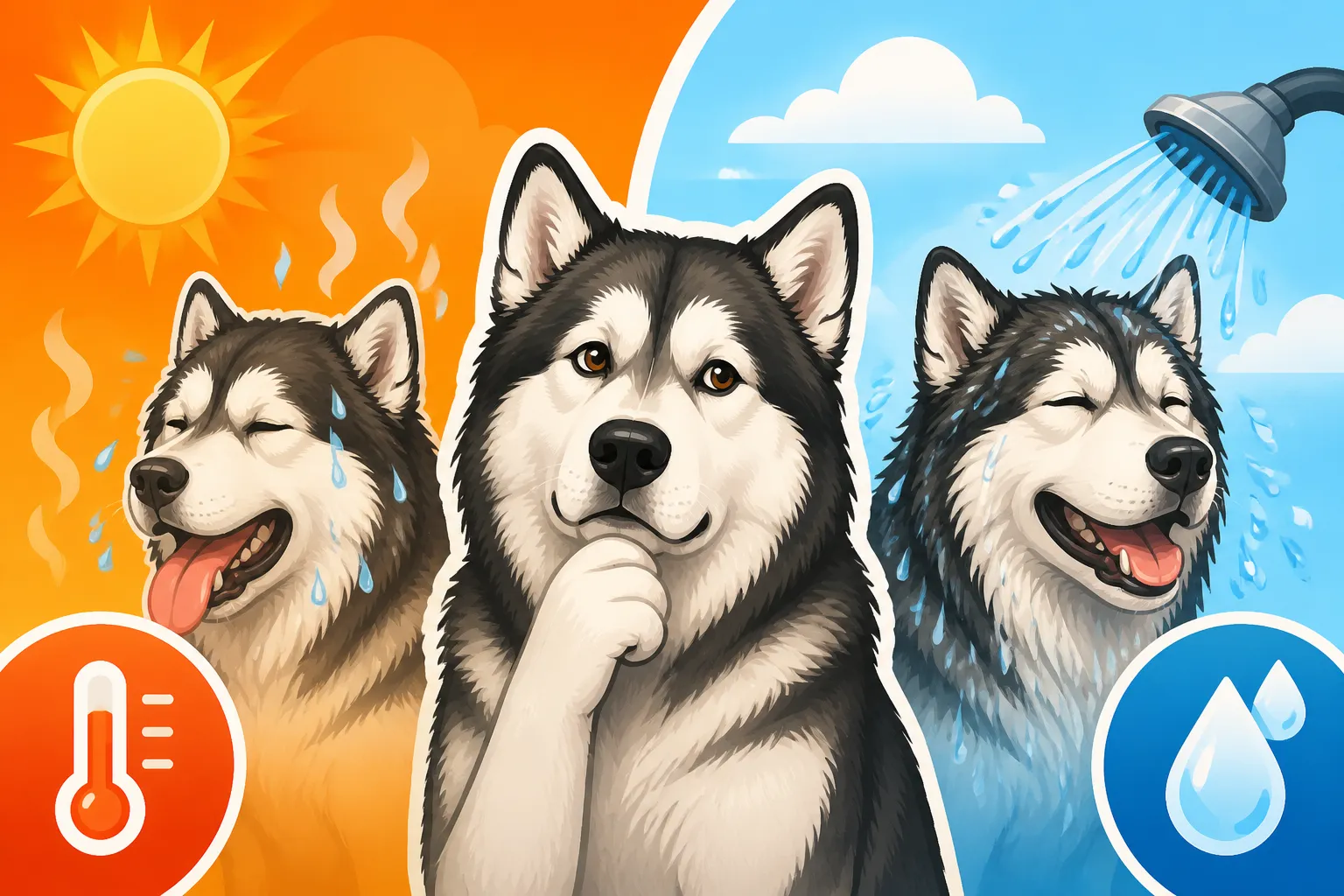
Applying water to your Malamute's coat can indeed aid in cooling through evaporation, but only if that water can actually reach the skin and evaporate effectively. When water evaporates from a surface, it takes heat energy with it, leading to a cooling effect. For a Malamute, targeting areas where their coat is thinner or where blood vessels are close to the surface will yield the best results. The belly, armpits, inner thighs, and paw pads are prime locations for this type of spot-cooling.
However, the efficacy of wetting down is heavily influenced by environmental humidity. If you live in a dry climate, water you apply to your dog's coat will evaporate relatively quickly, providing a noticeable cooling sensation. But if you're in a high-humidity area – think a sticky summer day in the South – the air is already saturated with moisture. In such conditions, water on your Malamute's fur struggles to evaporate. Instead of cooling, the water can become trapped within their dense double coat, actually acting as a thermal blanket and holding heat in rather than letting it escape. This is a critical point that many owners overlook.
Therefore, when contemplating wetting down your Malamute, you need to consider the "wetness" and the "evaporation" as two sides of the same coin. The goal isn't just to make them wet; it's to facilitate the evaporation of that water from areas where it can have a direct impact on their core body temperature. A damp cloth on the belly might be more effective than a full hose-down on a humid day.
The Risks of Over-Wetting and Trapped Moisture
While the idea of dousing a hot Malamute in water might seem like a humane and instant solution, there are genuine risks, especially if not done correctly or in the right conditions. The primary concern with an Alaskan Malamute's dense double coat is that it can easily become waterlogged. When the undercoat becomes soaked and cannot dry efficiently, it loses its insulating properties in a detrimental way. Instead of providing a protective barrier, it can create a heavy, damp layer that traps heat against the dog's skin, much like a wet suit. This "oven effect" can quickly elevate their body temperature rather than lowering it.
Beyond overheating, trapped moisture in a Malamute's thick coat creates a perfect breeding ground for various skin issues. Hot spots, bacterial infections, and fungal growth are common culprits when the skin remains damp for prolonged periods, especially in warmer weather. These can be incredibly uncomfortable for your dog, leading to incessant scratching, pain, and requiring veterinary intervention. Imagine wearing perpetually damp, heavy clothing against your skin in humid conditions; it's not only uncomfortable but can lead to skin irritation and rashes.
Furthermore, if the water you use is very cold, it can cause the blood vessels on the skin surface to constrict. While this might feel cold initially, it can actually impede the body's ability to release heat from the core, making the overall cooling process less effective. The shock of ice-cold water can also be distressing for some dogs. Always prioritize cool, not freezing, water to avoid any adverse reactions and ensure effective, safe cooling for your beloved Malamute.
Practical and Safe Wetting Down Techniques
If you decide to use water to help cool your Malamute, the key is to be strategic and gentle. Forget the full blast from the garden hose; we're aiming for targeted relief. Start with cool, never ice-cold, water. Extreme cold can cause peripheral blood vessels to constrict, which paradoxically can slow down the overall cooling process by limiting heat exchange. A cool, refreshing temperature is much more effective and less shocking for your dog.
Focus your efforts on the areas where cooling will be most effective – those with less fur or where major blood vessels are close to the surface. These include the belly, the inner thighs, the armpits, and the paw pads. Gently soak these areas with a damp cloth or sponge, or use a very low-pressure mist from a hose nozzle. You can also lightly dampen the ear flaps, which have many capillaries close to the surface. The idea is to get water where it can evaporate directly off the skin, rather than getting trapped in the dense fur.
After applying water, ensure there's good air circulation. A fan, even a small portable one, can greatly assist in the evaporation process, which is what actually provides the cooling. If you're outdoors, make sure your Malamute is in a shaded, breezy spot. Never leave a wet Malamute lying directly in the sun; the water on their coat can heat up and create that "oven effect" we discussed earlier. Think of how a wet towel left in the sun becomes scorching hot. By being mindful of these techniques, you can turn a simple wetting down into a truly effective and safe cooling measure for your furry companion.
Holistic Strategies for Malamute Summer Safety (Beyond Just Water)
While targeted wetting down can be a helpful tool, a truly effective summer safety plan for your Malamute extends far beyond just water. It requires a holistic approach that considers their environment, their activity levels, and constant vigilance.
Environmental Modifications for a Cool Home and Yard
The easiest and most effective way to keep your Alaskan Malamute cool is to control their environment. Indoors, this means a comfortably air-conditioned space when temperatures soar. If central air isn't an option, strategically placed fans can make a significant difference, creating air movement that aids in evaporation (including from panting) and makes the air feel cooler. Keeping curtains or blinds drawn during the hottest parts of the day will also help block solar radiation, keeping your home's interior temperature down. Nobody wants to pay sky-high energy bills, but for a Malamute, a cool home isn't a luxury; it's a necessity. What Cooling a House for a Malamute Costs in Summer
For Malamutes who spend time outdoors, providing ample, inescapable shade is non-negotiable. This isn't just a small patch under a tree; it should be a large, constantly shaded area that moves with the sun. Tarps, shade sails, or even a well-ventilated dog house (ensure it's not an insulated structure that might trap heat) can offer crucial refuge. Remember, direct sunlight on a Malamute's double coat, even for short periods, can cause their body temperature to rise quickly.
Most importantly, fresh, cool water must be available at all times, both indoors and out. Large, tip-proof bowls are essential, and for outdoor use, consider multiple water stations. You might even float ice cubes in their water bowls to keep the water cooler longer, encouraging them to drink more. Keeping them well-hydrated helps their internal cooling mechanisms work more efficiently.
Smart Scheduling and Activity Adjustment
One of the most critical adjustments you can make for your Alaskan Malamute during warm weather is to drastically alter their exercise schedule. Trying to maintain a typical routine during a heatwave is a recipe for disaster. Summer Is the Season That Kills Alaskan Malamutes teaches us that heat is a serious threat. Instead of daytime walks, shift all strenuous activity to the very early morning hours, typically before 7 or 8 AM, or late in the evening once the sun has set and temperatures have significantly dropped. Even then, keep these outings short and focused, perhaps a quick potty break and a sniff around rather than a long hike.
Pay close attention to the ground temperature, not just the air temperature. Asphalt and concrete can become incredibly hot, burning sensitive paw pads long before the air feels unbearable. If it's too hot for your bare feet, it's too hot for your Malamute's paws. Why a Malamute Should Not Walk at Midday is a mantra to live by during the summer months. During the peak heat of the day, mental stimulation becomes paramount. Instead of physical exertion, engage their minds with puzzle toys, scent work indoors, or short training sessions in a cool environment. These activities can tire them out without risking overheating.
Every Malamute is an individual, and their heat tolerance can vary based on age, health, and weight. An older Malamute, or one carrying a few extra pounds, will struggle significantly more than a lean, young adult. Pay attention to your specific dog's cues and don't push them beyond their comfort zone. It's far better to err on the side of caution and keep them comfortably cool and rested than to risk a life-threatening emergency.
Cooling Gear and Hydration Aids
Beyond environmental changes, there's a fantastic array of specialized gear available that can offer your Malamute additional relief in the heat. Cooling vests, which often work by evaporating water from the fabric, can be incredibly effective. You simply wet the vest, wring it out, and put it on your dog. As the water evaporates, it draws heat away from their body. Brands available through retailers like Chewy or Amazon offer various styles and sizes. Just be mindful of humidity: in very high humidity, these vests may become less effective, similar to wetting down the coat directly.
Cooling mats are another excellent option, especially for indoor use. Many contain a gel that activates with pressure, absorbing and dissipating body heat. Others simply offer a cool surface that your Malamute can choose to lie on, helping to draw heat away from their belly and chest. Elevated dog beds, often made with mesh fabric, allow air to circulate underneath, preventing heat from building up on the ground and providing a much cooler resting spot than a traditional dog bed. Which Cooling Gear Reaches a Malamute Through Its Coat covers how these work.
Hydration is always critical, and specialized products can help. Portable water bottles with attached bowls are invaluable for walks or car rides, ensuring you can always offer fresh water. Consider adding water or ice cubes to their regular meals or making frozen treats – like ice cubes made from diluted broth or even pureed fruit. Some owners even freeze portions of their dog's regular food, perhaps from a brand like Ollie, into silicone molds for a refreshing, hydrating snack. These little extras can encourage fluid intake and provide a welcome internal cool-down, making a significant difference in their overall comfort and safety.
Recognizing and Responding to Heat Distress
Even with the most diligent preventative measures, accidents can happen, or conditions can change rapidly. Knowing how to spot the early warning signs of overheating and how to respond immediately can literally be life-saving for your Alaskan Malamute.
Early Warning Signs of Overheating
Your Malamute can't tell you in words that they're too hot, so it's up to you to be a keen observer of their body language and physiological signs. The earliest and most common sign of a Malamute struggling with heat is excessive panting. While panting is normal for cooling, when it becomes rapid, shallow, and seems desperate, it’s a red flag. Their mouth might be wide open, and their tongue might look excessively long or broad. Check their gums: if they are bright red or even purplish, rather than a healthy pink, it indicates an issue with blood circulation and oxygenation.
Other early warning signs include lethargy or unusual sluggishness. A Malamute that's normally active might suddenly appear reluctant to move, lie down frequently, or seem disoriented. They might frantically seek out any available shade, even if they've been resistant to it before. Excessive drooling, particularly thick, ropey saliva, is another worrying symptom, as it indicates their body is trying to dump heat too rapidly through their mouth. Their heart rate may increase significantly, and you might even feel their ears or paws are unusually hot to the touch. It’s crucial to understand that these behaviors are distinct from their normal summer laziness or moderate panting after a short burst of activity. Ignoring these subtle but critical cues is the quickest path to a serious emergency. Signs an Alaskan Malamute Is Overheating is a great resource to learn more about specific indicators.
Action Steps for a Seriously Overheated Malamute
If you suspect your Malamute is seriously overheating or showing signs of heat stroke, every second counts. This is an emergency, and immediate action is required, followed by veterinary care. Your first step is to get them out of the heat source immediately. Move them into an air-conditioned car, a cool house, or at the very least, deep shade.
Once in a cooler environment, begin active cooling. This means applying cool (not ice-cold) water to their body. Focus on the belly, armpits, inner thighs, and paw pads. You can use a hose on a gentle setting, wet towels, or even just your hands to soak these areas. The goal is to get the water to the skin where it can evaporate and cool the blood flowing through those vessels. Gently fan them, or turn on a fan, to help facilitate this evaporation. Do not cover them in wet towels or blankets, as this can trap heat.
Offer small amounts of cool water to drink, but don't force it. If they are disoriented or struggling to swallow, attempting to force water can lead to aspiration. Even if your Malamute seems to perk up and recover, a visit to the emergency veterinarian is non-negotiable. Heat stroke can cause internal organ damage that may not be immediately apparent, leading to delayed complications like kidney failure or neurological issues. Always assume the worst and seek professional medical attention. They will need to be monitored for several hours, and potentially days, to ensure there are no lasting effects. How to Cool an Overheated Alaskan Malamute offers more detailed emergency steps.
Prevention is Always Best
Ultimately, the best approach to ensuring your Alaskan Malamute's well-being in warmer temperatures is through proactive prevention. Waiting until you see signs of distress means you're already in a dangerous territory. It's the responsibility of every Malamute owner, especially those living in climates that aren't naturally suited for these Arctic marvels, to implement a robust heat safety plan.
This means consistently providing a cool, safe environment, adjusting exercise routines to avoid peak heat, ensuring constant access to fresh water, and leveraging appropriate cooling aids. Think ahead: if you're planning a trip, consider how your Malamute will cope. If you live in a perpetually warm climate, it might even be worth asking Whether an Alaskan Malamute Should Live in the South before committing to the breed. The costs of cooling, the constant vigilance, and the potential health risks are significant considerations. By prioritizing prevention, you're not just keeping your Malamute comfortable; you're safeguarding their health and ensuring they can enjoy many more happy, healthy years by your side.
Here's a quick summary of essential do's and don'ts for keeping your Malamute safe and cool:
| Action | Do | Don't |
|---|---|---|
| Wetting Down | Apply cool water to belly, paw pads, inner thighs. Encourage evaporation with air circulation. | Soak the entire coat if humid; leave wet in direct sun; use ice-cold water. |
| Grooming | Brush regularly, especially during coat blow, to remove dead undercoat. | Shave your Malamute's coat (it removes their natural insulation); neglect brushing when it's hot. |
| Exercise | Walk early morning/late evening; provide indoor mental stimulation. | Strenuous exercise during midday heat; long walks on hot pavement. |
| Environment | Provide ample shade and cool indoor access; offer plenty of fresh, cool water. | Leave outside without shade; rely solely on outdoor water bowls that heat up. |
| Monitoring | Watch for excessive panting, lethargy, bright red gums, disorientation. | Assume heavy panting is always normal; ignore subtle signs of discomfort. |
Disclaimer
This article is for general informational purposes only and does not constitute professional advice. Laws, prices and regulations vary by location and change over time. Consult a qualified professional for guidance on your specific situation.