Why a Malamute Should Not Walk at Midday
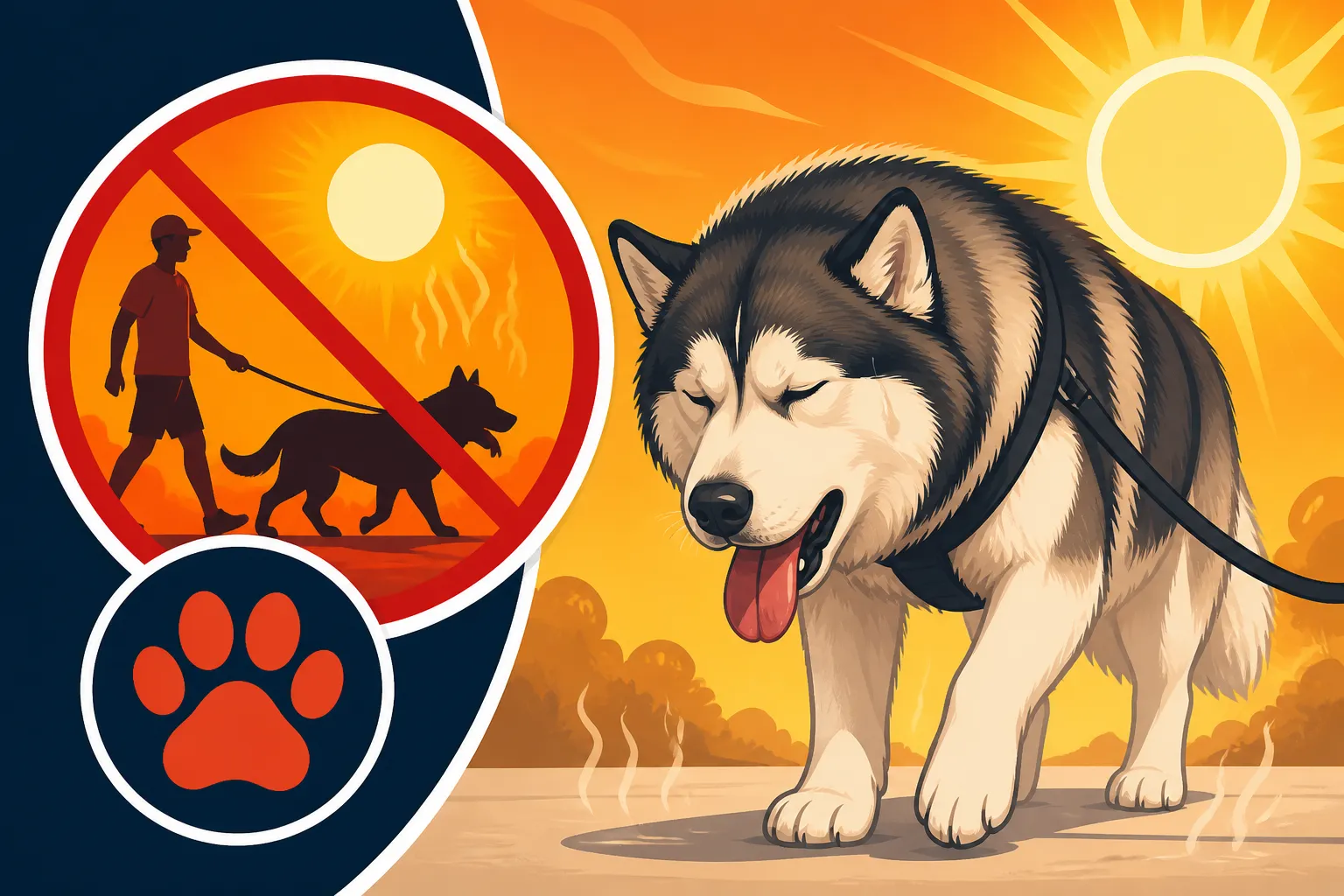
The scorching midday sun, that bright and cheerful beacon for many, poses a truly insidious threat to our beloved Alaskan Malamutes. Owners often grapple with the heartbreaking reality that their majestic, cold-weather companions are simply not built for sweltering temperatures, and a seemingly innocent walk during the hottest part of the day can quickly turn into a life-threatening emergency. This guide will meticulously unpack why midday walks are so dangerous for Malamutes and provide actionable strategies to ensure your furry friend stays safe and comfortable, even when the mercury rises.
Understanding the Alaskan Malamute's Natural Climate and Adaptations
Our Alaskan Malamutes hail from the harsh, unforgiving Arctic. Their entire physiological makeup is designed to thrive in freezing temperatures, not to tolerate oppressive heat. It's a critical distinction that sometimes gets lost when we bring these incredible dogs into warmer climates, or even just face an unexpected heatwave. Their bodies are masterpieces of cold-weather survival, but these same adaptations become serious liabilities when the temperature climbs.
The Double Coat: A Thermal Masterpiece and Trap
One of the most defining features of an Alaskan Malamute is their magnificent double coat. This isn't just fluffy hair; it's a sophisticated insulation system. There's a dense, oily outer guard coat that repels water and snow, and underneath, a thick, woolly undercoat that acts like a built-in down parka. In the Arctic, this system is a lifesaver, trapping a layer of warm air close to their body, insulating them from the bitter cold. Think of it as wearing a heavy winter coat, even in summer.
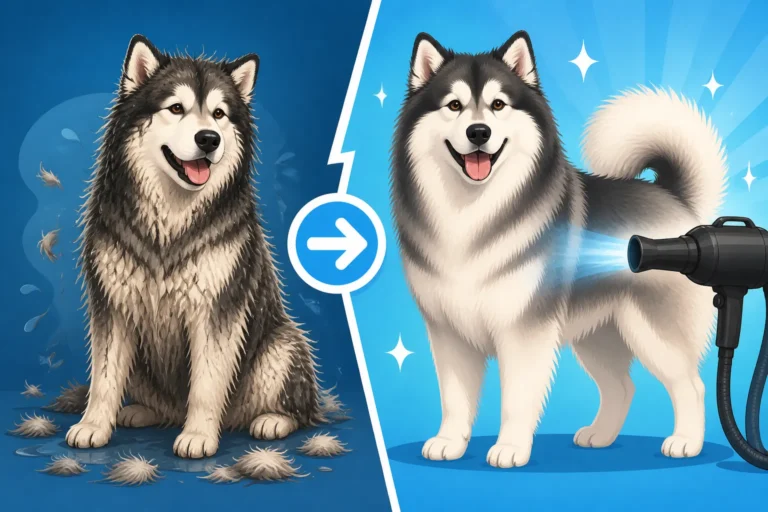
However, when the weather turns warm, this incredible coat becomes a major heat trap. Unlike many other breeds with single coats or less dense fur, a Malamute's coat doesn't allow heat to dissipate easily. Imagine trying to run a marathon in a winter parka – it would be incredibly uncomfortable and quickly lead to overheating. This is precisely what happens to a Malamute exposed to midday heat. Their body struggles to release the excess heat generated by metabolism and physical activity, making them incredibly vulnerable. You might think about shaving them to help, but that's a dangerous misconception we'll tackle later, as shaving actually worsens their ability to regulate temperature by removing the insulating layer that also protects from sun, and interferes with the natural cooling process. When your Malamute is blowing its coat, the amount of fur they shed can be staggering, truly The Malamute Coat Blow That Fills a Vacuum in an Afternoon, but even with less undercoat, the remaining fur is still a heavy insulator.
Efficient Metabolism and Heat Production
Alaskan Malamutes also possess an incredibly efficient metabolism, honed over millennia to conserve energy and generate heat in sub-zero environments. They were bred to pull heavy loads over vast distances in extreme cold, meaning their bodies are constantly working to produce and retain warmth. This is why many Malamute owners are often surprised by Why an Alaskan Malamute Eats Less Than Expected compared to other large breeds – their bodies are just so good at converting food into sustained energy and warmth.
This metabolic efficiency, a boon in the Arctic, becomes another challenge in the heat. Their bodies are predisposed to creating internal warmth, and when combined with a coat that prevents heat from escaping, they essentially become internal furnaces with poor ventilation. Any exertion, even a leisurely walk, ramps up this heat production, pushing them closer to a dangerous overheating state much faster than other dogs. This is why even a moderate summer day can feel like an oven to them, and a midday walk is simply an unfair, potentially fatal, ask.
When They Thrive: Cold Weather Physiology
To truly grasp the danger of midday walks, it's helpful to consider when Malamutes are at their absolute happiest and healthiest: in the cold. Watch a Malamute frolic in fresh snow; they come alive. They'll roll in it, dig in it, and sometimes even choose to sleep outside, curled up peacefully even when temperatures are well below freezing. This isn't just a preference; it's a physiological imperative. Their thick paw pads are designed for icy terrain, their circulatory system helps maintain core temperature, and their fur provides unparalleled protection.
In these conditions, their bodies function optimally, easily managing activity and maintaining a stable internal temperature. But flip the environment, put them on hot pavement under a blazing sun, and their physiological advantages turn into severe disadvantages. They lack the cooling mechanisms of breeds developed in warmer climates, such as short coats, less dense skin, or different panting efficiencies. For a Malamute, winter truly is Winter Is When an Alaskan Malamute Comes Alive, and summer, sadly, can be the season of greatest peril.
The Dangers of Midday Walks for Malamutes
Ignoring the Malamute's natural inclination and genetic hardwiring for cold weather and attempting a midday walk is not just uncomfortable for them; it's genuinely perilous. The risks are severe and can escalate frighteningly quickly, often before an owner even fully realizes the gravity of the situation.
Heatstroke: A Silent and Swift Killer
Heatstroke is arguably the most terrifying and immediate danger of a midday walk for an Alaskan Malamute. Unlike humans who sweat profusely over most of our bodies, dogs primarily cool themselves through panting and through the pads of their feet. For a Malamute, with its dense coat trapping heat and an efficient metabolism generating it, panting often isn't enough to counteract the combined external heat and internal exertion.
When a Malamute's core body temperature rises rapidly and uncontrollably, its organs begin to shut down. This isn't a gradual decline; it can happen with alarming speed. Early signs like excessive panting, drooling, and a glazed look can quickly progress to staggering, disorientation, vomiting, diarrhea, seizures, and ultimately, organ failure and death. The worst part is that by the time you notice severe symptoms, you're already in a race against time, and permanent damage might have occurred. It's truly a situation where Summer Is the Season That Kills Alaskan Malamutes, and a midday walk is a primary culprit. The key is prevention, because treatment is often challenging and not always successful.
Paw Pad Burns: An Overlooked Threat
While heatstroke rightfully gets a lot of attention, another painful and serious danger of midday walks is often underestimated: burnt paw pads. Think about walking barefoot on asphalt or concrete during the summer. It's unbearable, right? If you can't hold the back of your hand to the pavement for five seconds, it's too hot for your dog's paws. Pavement, sidewalks, and even dark-colored artificial turf absorb and retain heat from the sun, reaching incredibly high temperatures—far hotter than the ambient air temperature.
A Malamute's paw pads, while sturdy, are not impervious to these extreme surface temperatures. Walking on hot surfaces can cause severe burns, leading to blisters, peeling, pain, and infection. These injuries are excruciating for your dog, require extensive veterinary care, and can significantly impact their mobility and quality of life for weeks or even months. A dog with burnt pads often won't want to walk at all, struggling with every step. This specific risk highlights Whether Pavement Burns an Alaskan Malamute's Pads, and it's something every owner must consider. Even if your Malamute isn't showing signs of full-blown heatstroke, those hot surfaces are causing invisible damage.
Long-Term Health Consequences of Chronic Overheating
Beyond the immediate, life-threatening dangers, consistent exposure to excessive heat and repeated instances of overheating can have cumulative, long-term negative effects on your Malamute's health. Their bodies are simply not designed to operate under such thermal stress. Chronic overheating can strain their cardiovascular system, leading to heart issues over time. It can also exacerbate underlying health conditions, stress their kidneys, and generally contribute to a shorter lifespan and reduced quality of life.
Moreover, the psychological toll on a dog that is constantly uncomfortable or suffering from heat stress shouldn't be overlooked. A Malamute who is overheated is miserable, lethargic, and unable to enjoy life or engage in activities. They might become irritable or withdrawn, which is a stark contrast to their usual playful, affectionate nature. While it's not always direct and obvious like a sudden heatstroke, the constant battle against heat takes a toll on their robust constitution, leading to subtle declines that accumulate over their lifetime.
Practical Strategies for Safe Summer Exercise
Recognizing the inherent risks is the first step, but the next is implementing proactive, practical strategies to ensure your Malamute remains healthy and happy during warmer months. It's about adapting our routines and environment to suit their unique needs, rather than forcing them to adapt to conditions that are fundamentally harmful.
Adjusting Your Walking Schedule
The simplest, yet most effective, strategy is to completely overhaul your walking schedule during warm weather. Midday walks are a definite no-go. Instead, aim for the coolest parts of the day: early mornings and late evenings.
- Sunrise Strolls: Waking up with the sun might not be your ideal, but for your Malamute, it can be a lifesaver. The pavement will still be cool from the night, and the air temperature will be at its lowest point. This allows for a good, brisk walk before the heat begins to build. Think pre-7 AM in most places during summer. This aligns with advice on How Early a Malamute Should Be Walked in Summer.
- Twilight Treks: As the sun dips below the horizon and the heat of the day starts to fade, another opportunity for a safe walk arises. Wait until after sunset, when the pavement has had a chance to cool down and the air is noticeably crisper. This often means walking well into the evening, sometimes as late as 8 or 9 PM, depending on your local climate.
- Short and Sweet: Even during these cooler times, keep walks shorter and focused on exercise, not extended meandering. A 20-30 minute brisk walk is far better than an hour-long wander in marginal temperatures. If your Malamute is still full of energy, consider breaking up their exercise into several shorter sessions rather than one long one. Remember, How Much Exercise an Alaskan Malamute Needs is important, but quality over quantity is crucial in the heat.
Alternative Cooling Activities and Gear
Since traditional walks are limited, get creative with alternative ways to provide mental and physical stimulation for your Malamute.
- Water Play: Many Malamutes adore water! A shallow kiddie pool in the backyard can be a fantastic way for them to cool down and play. Supervised swimming in a safe, calm body of water (like a lake or a dog-friendly pool) can also be excellent exercise, as long as you're mindful of their comfort in and around the water. Always ensure they can easily get in and out and are never left unsupervised.
- Enrichment Indoors: Mental stimulation is just as important as physical. Engage their intelligent minds with puzzle toys, scent work games (hiding treats around the house), or training sessions in an air-conditioned environment. Chewy and Amazon offer a wide variety of interactive toys and snuffle mats that can keep their brains busy without overheating their bodies.
- Cooling Gear: Invest in good quality cooling equipment. Cooling vests or bandanas, often available on Amazon or through pet specialty stores, can help regulate their body temperature. They usually work by evaporation, so ensure they stay wet. Cooling mats, which contain a gel that activates with pressure, can provide a comfortable, cool spot for them to lie on indoors. Remember, Which Cooling Gear Reaches a Malamute Through Its Coat needs to be effective given their dense fur.
- Consider a Raw or Fresh Diet: While not a direct cooling method, some owners find that certain diets, like fresh dog food options from brands like Ollie, can contribute to overall health and vitality, which might indirectly aid in better heat management through improved internal functions. Always consult your vet before making significant dietary changes.
Recognizing and Responding to Heat Stress
Even with the best precautions, it's vital to be vigilant and know the signs of heat stress. Early detection can make all the difference in preventing full-blown heatstroke.
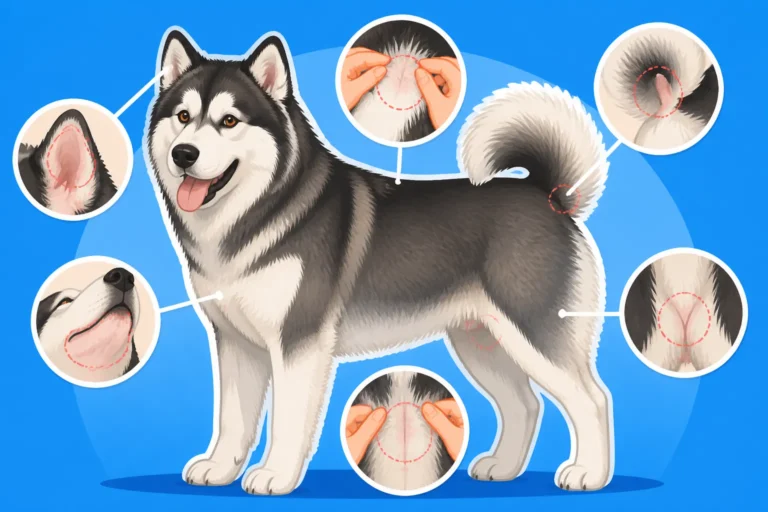
- Know the Symptoms: Be familiar with Signs an Alaskan Malamute Is Too Hot. These include:
- Excessive Panting: Much heavier and faster than normal, with a wide-open mouth.
- Increased Drooling: Thick, ropey saliva.
- Bright Red Gums/Tongue: Indicates increased blood flow to cool down.
- Lethargy or Weakness: Unwillingness to move, stumbling.
- Disorientation: Confusion, glassy eyes.
- Vomiting or Diarrhea: Especially with blood in severe cases.
- Rapid Heart Rate: You might feel their pulse racing.
- Seizures or Collapse: An emergency situation requiring immediate action.
- Immediate Action: If you suspect your Malamute is overheating, every second counts.
- Move to a Cooler Area: Get them out of the sun and into air conditioning or at least deep shade immediately.
- Apply Cool Water: Wet their fur, especially on the belly, armpits, and groin area, with cool (not ice cold) water. Do not submerge them in very cold water, as this can cause blood vessels to constrict, trapping heat.
- Offer Small Amounts of Water: Don't let them gulp large amounts, which can cause vomiting.
- Fan Them: Use a fan if available to help evaporation.
- Seek Veterinary Care: Even if they seem to recover, it's crucial to get them to a vet as soon as possible. Heatstroke can cause internal damage that isn't immediately visible, and they may need IV fluids or further treatment. Knowing How to Cool an Overheated Alaskan Malamute effectively is paramount.
Here's a quick comparison of safe versus unsafe walking conditions for your Malamute:
| Factor | Unsafe Midday Walk | Safe Walk (Early Morning/Late Evening) |
|---|---|---|
| Time of Day | 10 AM – 4 PM (or later in very hot climates) | Before 8 AM, After 7 PM (adjust based on season/location) |
| Air Temperature | Above 75°F (24°C) with humidity | Below 70°F (21°C) with low humidity |
| Pavement Temp | Too hot to hold hand for 5 seconds | Cool to the touch |
| Sun Exposure | Direct, intense sunlight | Shady, indirect light or after sunset |
| Activity Level | Any exertion, even light walking | Moderate, brisk walking with frequent breaks |
| Hydration | Often inadequate for rapid heat loss | Adequate pre- and post-walk hydration; water carried |
| Malamute State | Heavy panting, drooling, seeking shade | Relaxed panting, engaged, comfortable |
Conclusion
The bond we share with our Alaskan Malamutes is built on trust and our commitment to their well-being. Understanding their unique needs, particularly when it comes to extreme weather, is a fundamental part of responsible ownership. Midday walks are a significant risk, almost universally dangerous for this incredible breed, and should be avoided at all costs. By adjusting your schedule, exploring alternative activities, investing in appropriate cooling gear, and staying vigilant for signs of heat stress, you can ensure your Malamute remains healthy, happy, and thrives through all seasons. It's about respecting their Arctic heritage and making choices that truly serve their best interests, keeping them safe from the often-underestimated dangers of a hot climate. This dedication is part of What an Alaskan Malamute Needs Every Day to live a full and vibrant life.
Disclaimer
This article is for general informational purposes only and does not constitute professional advice. Laws, prices and regulations vary by location and change over time. Consult a qualified professional for guidance on your specific situation.