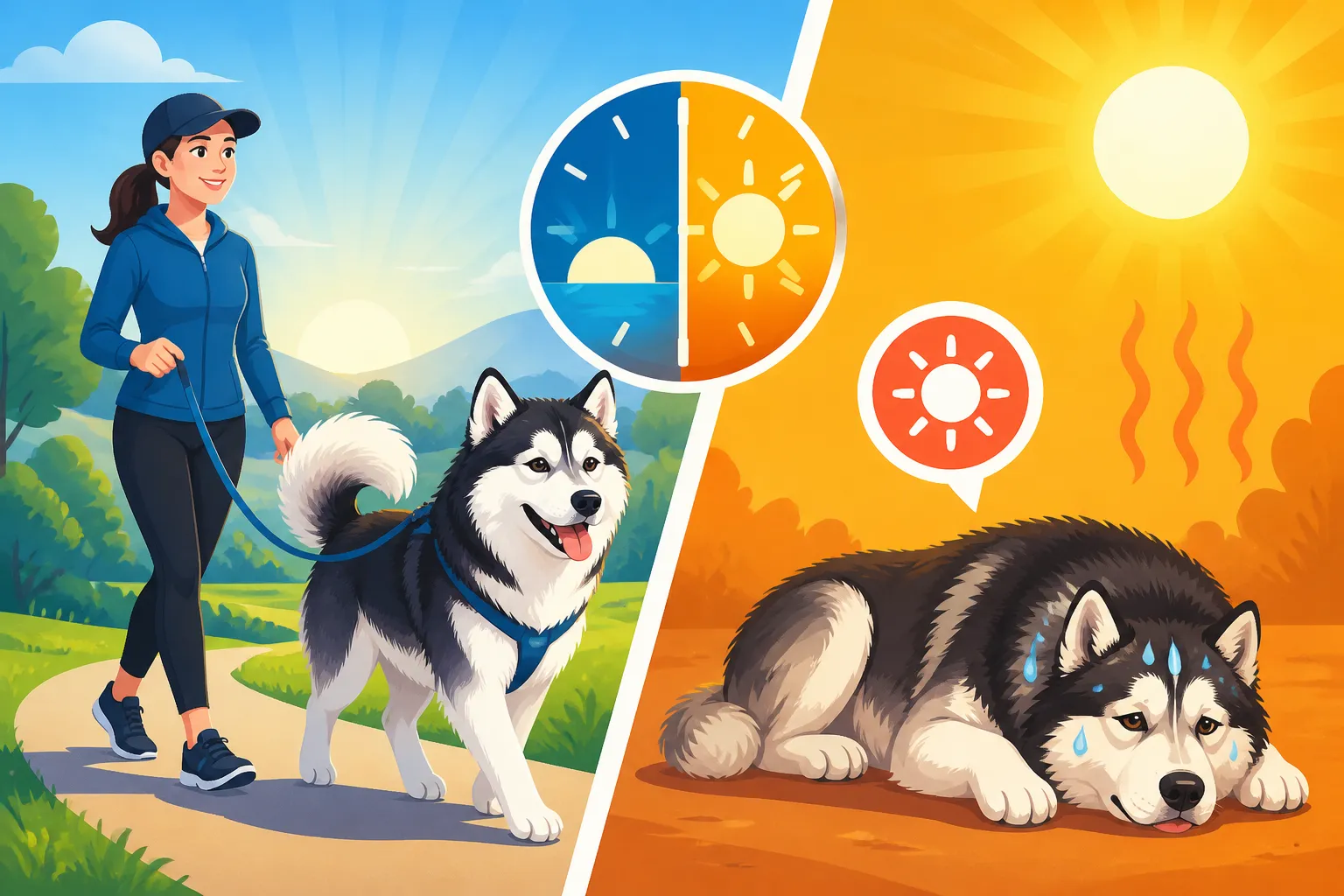
How Early a Malamute Should Be Walked in Summer
Oh, the summer! If you're a Malamute owner, you know this season brings a unique set of challenges and anxieties. The thought of those glorious winter romps becomes a distant, wistful memory, replaced by the constant worry about the heat. Finding the right time to walk your beloved fluffy giant without putting them in danger can feel like a high-stakes game of roulette, leaving many of us feeling utterly frustrated and guilty when our dogs aren't getting enough outdoor time. This guide is here to cut through that worry and give you clear, actionable advice on how early your Malamute really needs to be walked in summer to keep them safe and happy.
The Brutal Reality of Summer for an Alaskan Malamute
Let's face it: our Alaskan Malamutes are magnificent, but they are genetically programmed for an entirely different climate. They hail from the Arctic, where snow and ice are the norm, not sweltering humidity and scorching pavement. Understanding this fundamental truth is crucial to navigating summer safely. It's not just about them being "fluffy"; it's about their entire physiological setup.
Why Their Magnificent Coat Becomes a Hazard
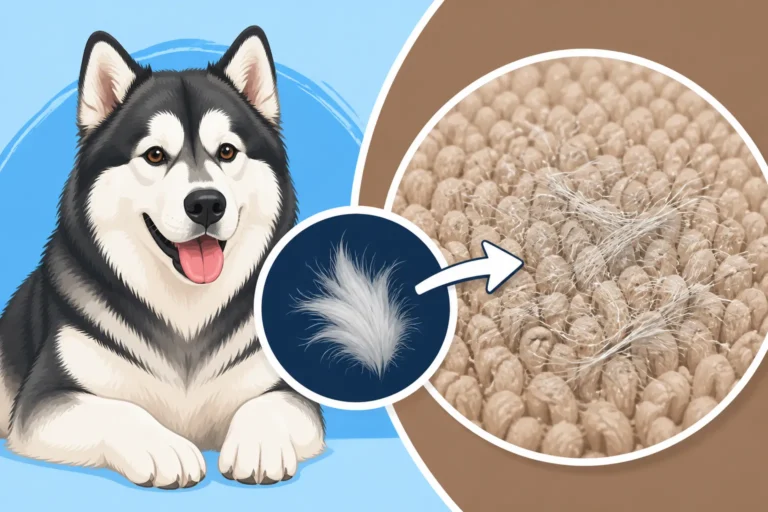
You love that thick, luxurious double coat, don't you? It's what makes a Malamute instantly recognizable and so incredibly beautiful. But in summer, that very coat, designed by nature to insulate against brutal cold, becomes a significant liability. It's like wearing a heavy wool blanket in a sauna. The dense undercoat traps air, keeping warmth in, which is fantastic when temperatures dip below freezing, but absolutely dangerous when the mercury climbs.
Many people mistakenly believe that their Malamute "gets used to" the heat, or that shaving them will help. Neither is true. Their coat is their primary defense against both cold and sun. Shaving actually removes that protection, exposing their sensitive skin to sunburn and hindering their natural cooling mechanisms by removing the insulative barrier that helps keep them cooler than direct skin exposure. It’s a vicious cycle where their best feature becomes their biggest challenge, and it's a common frustration to see people struggle with this, often with the best intentions.
The Silent Threat of Heat Stroke
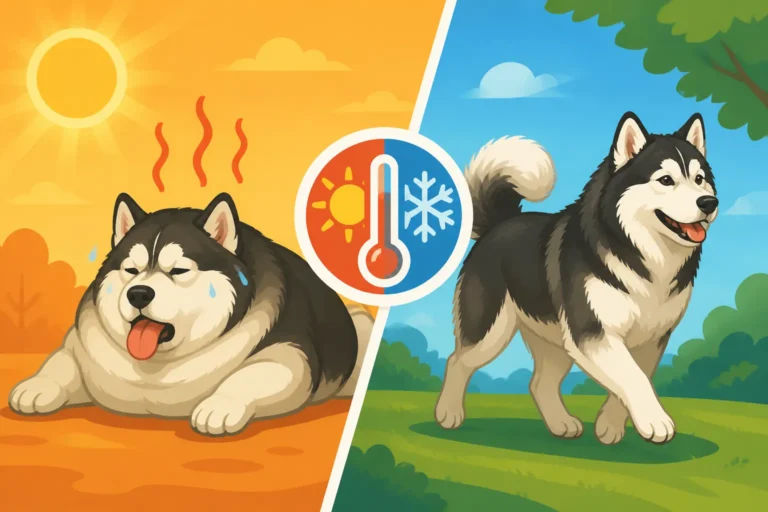
The most terrifying aspect of summer for a Malamute owner is the ever-present danger of heat stroke. Unlike us, dogs don't sweat efficiently through their skin; they primarily cool themselves by panting. A Malamute's deep chest and thick coat make this process less effective in high heat and humidity. What starts as heavy panting can quickly spiral into a life-threatening emergency.
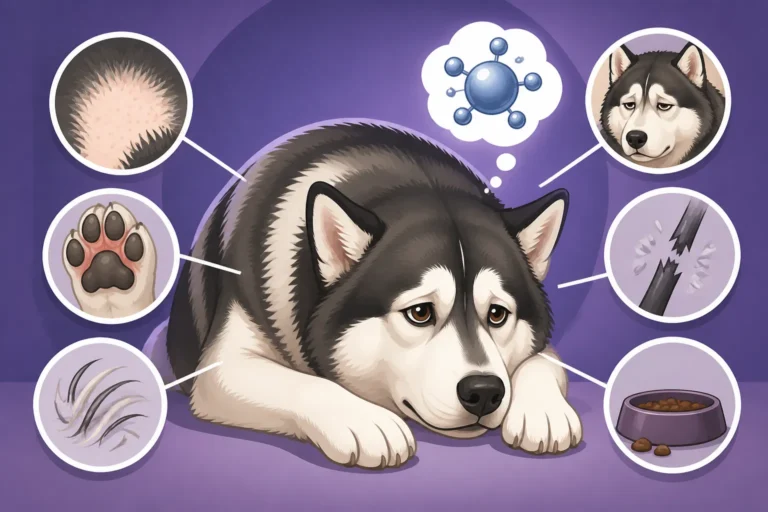
The scary part is how rapidly it can escalate, often without easily discernible early warning signs to an inexperienced owner. One minute your Malamute seems a bit warm, the next they could be collapsing. Their stoic nature, a trait bred into them for survival in harsh environments, also means they often won't show obvious distress until they are already in serious trouble. This puts an immense burden on us as owners to be hyper-vigilant and proactive, which can feel incredibly stressful. It's not just about preventing discomfort; it's about preventing a fatal incident. Understanding Summer Is the Season That Kills Alaskan Malamutes is not meant to scare you, but to underscore the gravity of the situation.
Timing is Everything: When to Walk Your Malamute Safely
When it comes to walking your Malamute in summer, the phrase "early bird gets the worm" should be changed to "early bird saves the Malamute." Seriously, timing is the most critical factor. Forget those leisurely mid-morning strolls you enjoy in spring or fall; summer demands a completely different schedule.
The Golden Hours of Early Morning
The absolute best, safest window for walking your Alaskan Malamute in summer is undoubtedly the early morning. And by "early," I mean really early. We're talking before the sun has fully broken over the horizon, or at least before its rays start beating down with any intensity. Ideally, this means heading out between 5 AM and 7 AM. In some very hot climates, 5 AM might even be pushing it, and 4:30 AM could be safer.
Why so early? Because this is when ambient temperatures are at their lowest point in the 24-hour cycle. More importantly, it's when the pavement and ground surfaces have had the longest time to cool down overnight. Asphalt, concrete, and even compacted dirt can retain heat for hours after the sun goes down, becoming blistering hot traps for delicate paw pads. Imagine walking barefoot on a grill – that's what hot pavement feels like to your dog.
Always do the "seven-second rule" before stepping out: place the back of your hand flat on the pavement. If you can't comfortably keep it there for seven seconds, it's too hot for your Malamute's paws. Even if the air feels mild to you, the ground can be dangerously hot. This simple test is a lifesaver, and it might just mean you need to set that alarm even earlier.
The Peril of Midday and Afternoon Walks
This should go without saying, but midday and afternoon walks in summer are a definite no-go for Alaskan Malamutes. From roughly 9 AM or 10 AM until late afternoon or early evening, temperatures can soar, and the ground will be radiating intense heat. Even walking in shaded areas isn't a guaranteed safe bet, as the ambient air temperature can still be dangerously high, and heat rises, circulating everywhere.
It's tempting to think a quick trip around the block won't hurt, especially if your Malamute is giving you those soulful "walk me" eyes. But it's precisely these brief, seemingly innocent excursions that can lead to rapid overheating. The cumulative effect of just a few minutes in intense heat can be devastating. For more on this, you might find Why a Malamute Should Not Walk at Midday eye-opening. Your dog relies on your judgment to keep them safe, and during these hours, that judgment means staying indoors.
Evening Strolls: Are They Truly Safe?
Many owners hope to compensate for missed morning walks with an evening stroll. And while evening walks are generally safer than midday ones, they still come with caveats, especially for a Malamute. The key consideration is that the ground, particularly pavement, retains heat for a long time. Even after the sun has set and the air starts to cool, the asphalt can still be scorching.
If you plan an evening walk, it needs to be late. Think 9 PM, 10 PM, or even later, depending on how hot the day was and how quickly things cool down in your area. Again, perform the seven-second pavement test religiously. If you can wait until after a summer shower, even better, as the rain will help cool down surfaces. Just be mindful of humidity levels, which can remain stubbornly high and still make breathing difficult for your Malamute even if the temperature drops a bit.
Beyond Timing: Essential Summer Walking Strategies
Even when you nail the timing, there's more to summer safety than just avoiding the hottest parts of the day. A comprehensive approach involves several other critical strategies to ensure your Malamute stays healthy and comfortable.
Prioritizing Hydration and Cool-Downs
Hydration is paramount. Always carry plenty of fresh water for your Malamute, even on short walks. A collapsible bowl that you can pick up from Chewy or Amazon is an absolute must-have. Offer water frequently, not just when you're done. Just like a human athlete, they need to rehydrate continuously.
Consider using cooling gear. Cooling vests or bandanas, which you can soak in cold water, can make a noticeable difference by helping to draw heat away from their body. You can find a good selection of these on Amazon or other pet supply retailers like Chewy. These aren't magic bullets, but they can provide an extra layer of protection during necessary outings. After a walk, even an early morning one, provide immediate access to a cool spot and fresh water. A shaded patch of grass, a cool tiled floor, or even a shallow kiddie pool can help them regulate their body temperature further. For more on what to do if they get too hot, check out How to Cool an Overheated Alaskan Malamute.
Short and Sweet: Modifying Exercise Intensity
Summer is not the time for long, strenuous hikes or intense pulling sessions. Your Malamute might have boundless energy and a deep desire to pull, but their body just can't handle it in the heat. Keep walks short, focused, and low-intensity. A brisk 15-20 minute walk is far better than a prolonged, risky excursion. The goal is to allow them to stretch their legs, sniff around, and do their business, not to burn off all their energy.
For their mental and physical well-being, shift their activity focus indoors. Puzzle toys, scent work games, obedience training in an air-conditioned space, or even just playing fetch in a cool basement can provide valuable mental stimulation without the heat risk. Remember, a bored Malamute finds its own (often destructive) entertainment, so keeping their minds active is vital. If you're wondering how much they really need, How Much Exercise an Alaskan Malamute Needs has some great insights.
Foot Protection and Surface Awareness
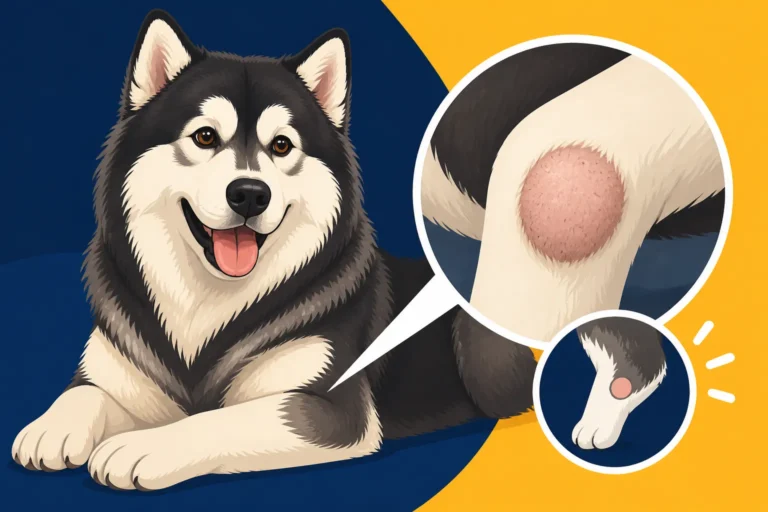
We've touched on hot pavement, but it bears repeating: paw pad burns are excruciating and can lead to serious infections. Beyond the seven-second test, be extremely mindful of the surfaces your Malamute walks on. Grass is always preferable to asphalt or concrete. Dirt trails can be better, but even they absorb and radiate heat.
Consider dog booties, especially if you live in an area where hot pavement is unavoidable for even short distances. While some Malamutes take time to adjust to them, booties provide a critical barrier against blistering surfaces. There are many options available on Chewy and Amazon, so you can find a pair that fits your Malamute's paws well. Don't underestimate the potential for injury; Whether Pavement Burns an Alaskan Malamute's Pads is a real concern.
Recognizing the Red Flags of Overheating
Knowing the signs of overheating is critical for immediate intervention. Your Malamute's stoicism can make early detection challenging, so you need to be observant.
Here are some red flags to watch for:
- Excessive Panting: While all dogs pant, excessive, rapid, or labored panting, especially if it seems out of proportion to their activity level, is a major warning sign. Whether an Alaskan Malamute Pants Constantly in Summer is a good indicator of distress.
- Dark Red Gums: Healthy gums are usually pink. Dark red or even bluish gums indicate poor oxygenation and are a severe sign.
- Thick, Ropy Saliva: Saliva that becomes thick, sticky, and excessive is a sign their body is struggling to cool down.
- Wobbly or Disoriented Gait: If they start to stumble, look confused, or have trouble walking in a straight line, they are in serious trouble.
- Vomiting or Diarrhea: These are often later signs of heatstroke and indicate systemic distress.
- Glassy Eyes: Their eyes might appear unfocused or glazed over.
- Collapse or Seizures: These are emergency situations requiring immediate veterinary attention.
If you see any of these signs, particularly the later ones, it's an emergency. Get them to a cool place immediately, offer water, apply cool (not icy) water to their body, especially paws and groin, and call your vet while you're doing this. Do not wait. This is a life-or-death situation. For a deeper dive into this, refer to Signs an Alaskan Malamute Is Too Hot.
Alternative Summer Activities to Keep Them Happy
Since long walks are largely off the table during the hottest months, finding alternative ways to keep your Malamute engaged and exercised is key. This prevents boredom, which, as we know, can lead to destructive behaviors.
Water-Based Fun
Many Malamutes surprisingly enjoy water, especially when it helps them cool down. A simple kiddie pool filled with a few inches of water can be a fantastic way for them to chill out (literally!) and play. You'll often find them lying in it for hours, just soaking up the cool. Why a Malamute Lies in a Kiddie Pool for Hours is a common sight in summer. Just make sure the water isn't too cold initially and they can easily get in and out. Supervise them closely, and make sure they don't ingest too much water.
If you have access to a shallow, safe stream or lake, that can also be a great option. Always ensure the water is clean and still relatively cool. Some Malamutes even enjoy swimming, though not all are natural water dogs due to their heavy coats. If yours does, it's a wonderful way to get exercise without overheating. You might be surprised to learn Whether an Alaskan Malamute Can Swim.
Indoor Enrichment and Training
When outdoor activity is limited, mental stimulation becomes even more vital. Engage your Malamute with indoor games and training sessions.
- Puzzle Toys: Fill puzzle toys with their kibble or special treats. This makes them work for their food and keeps their minds active. Brands like Kong and other treat-dispensing toys are fantastic for this.
- Scent Work: Hide treats or their favorite toys around the house and let them use their incredible sense of smell to find them. This is mentally exhausting in a good way.
- Obedience Training: Use the cooler indoor environment to practice commands, learn new tricks, or refine their manners. Short, positive reinforcement sessions can be very effective.
- Chew Toys: Provide appropriate, durable chew toys to satisfy their natural urge to chew. This can help prevent them from turning their attention to your furniture.
Even feeding time can be an enrichment opportunity. Instead of just putting a bowl down, use a slow feeder or distribute their meal into several smaller portions around the house for them to "hunt." Some owners use high-quality, fresh food options like Ollie as special treats during training or for enrichment, adding excitement to meal times. The goal is to make every interaction count towards keeping their big, intelligent brains occupied.
By being proactive, understanding their unique needs, and adapting your routine, you can help your Alaskan Malamute not just survive, but thrive during the summer months.
| Aspect of Walk | Safe Summer Practice | Unsafe Summer Practice |
|---|---|---|
| Time of Day | Pre-dawn (5-7 AM) or late night (9 PM onwards) | Midday (9 AM – 6 PM) |
| Pavement Test | Hand on pavement for 7 seconds, if too hot, stay home | Assuming air temp is cool enough, ignoring pavement heat |
| Duration | Short (15-20 min), focused on potty breaks & sniffing | Long hikes or runs |
| Intensity | Low-impact, leisurely pace | High-intensity pulling, running, or strenuous play |
| Hydration | Carry water, offer frequently | Relying on water at home, no water on walk |
| Gear | Cooling vest/bandana, booties for paws | Standard harness, no paw protection |
| Symptoms | Vigilant for excessive panting, dark gums | Waiting for clear distress like stumbling or collapse |
| Alternatives | Indoor games, puzzle toys, kiddie pool fun | No alternative stimulation, leading to boredom |
Disclaimer
This article is for general informational purposes only and does not constitute professional advice. Laws, prices and regulations vary by location and change over time. Consult a qualified professional for guidance on your specific situation.