Whether an Alaskan Malamute Pants Constantly in Summer
It’s summer, the sun is blazing, and you look at your magnificent Alaskan Malamute, often finding them panting. This sight can spark a real worry: is this normal for such a heavy-coated breed, or is your furry friend struggling with the heat? This guide will dive deep into understanding Malamute physiology, distinguishing healthy panting from signs of distress, and equipping you with practical strategies to keep your beloved companion comfortable and safe when the temperatures rise.
The Malamute's Natural Air Conditioning System and Its Limits
Alaskan Malamutes are truly remarkable dogs, built by centuries of Arctic life alongside the Mahlemut people for hauling heavy loads across vast, frozen landscapes. Their entire physiology is geared towards thriving in cold climates, which naturally means they face significant challenges when the mercury rises. Understanding how their bodies cope, and where those mechanisms fall short, is crucial for their well-being in summer.
The Double Coat: Friend or Foe in the Heat?
One of the most defining features of an Alaskan Malamute is their incredibly dense double coat. This coat consists of a harsh, long outer guard coat and a thick, woolly undercoat. It’s a masterpiece of natural engineering, designed primarily for insulation – to keep them incredibly warm in sub-zero temperatures. In winter, this coat traps a layer of warm air close to their body, shielding them from the biting cold. But what about summer?
There’s a common misconception that this thick coat must be suffocating in the heat, and that shaving it off will provide relief. This couldn't be further from the truth, and in fact, shaving a Malamute is one of the worst things you can do for them. Why an Alaskan Malamute Must Never Be Shaved Their double coat actually acts as insulation against the heat as well, trapping a cooler layer of air close to the skin, much like the insulation in a house helps keep it cool in summer. When shaved, this natural protective barrier is removed, exposing their delicate skin to direct sunlight, which can lead to sunburn and even increase the risk of skin cancer.
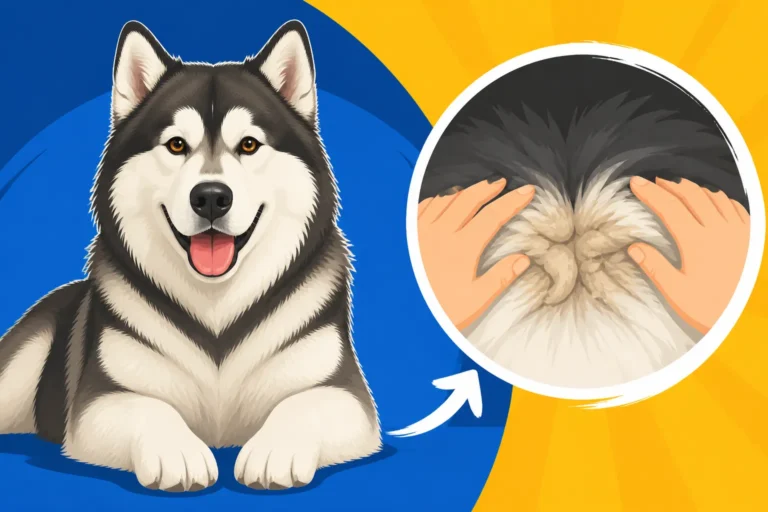
The key to their coat working for them in warmer weather is proper grooming. A healthy, well-maintained coat, free of mats and excessive dead undercoat, allows for proper air circulation. During their "coat blow" seasons, usually spring and fall, they shed vast amounts of their dense undercoat. If this dead undercoat isn't thoroughly brushed out, it becomes matted and compacted, preventing air from flowing through and essentially turning their coat into a heavy, heat-trapping blanket. The Malamute Coat Blow That Fills a Vacuum in an Afternoon Diligent and frequent brushing during these periods is essential to help them thermoregulate more effectively.
Think of it like wearing a high-quality, breathable technical jacket: it protects you from the elements while allowing your body to manage its temperature. A Malamute's coat, when properly cared for, works similarly, offering some buffer against external temperature changes. However, it has its limits, and it cannot perform miracles when faced with truly oppressive heat.
How Malamutes Regulate Body Temperature
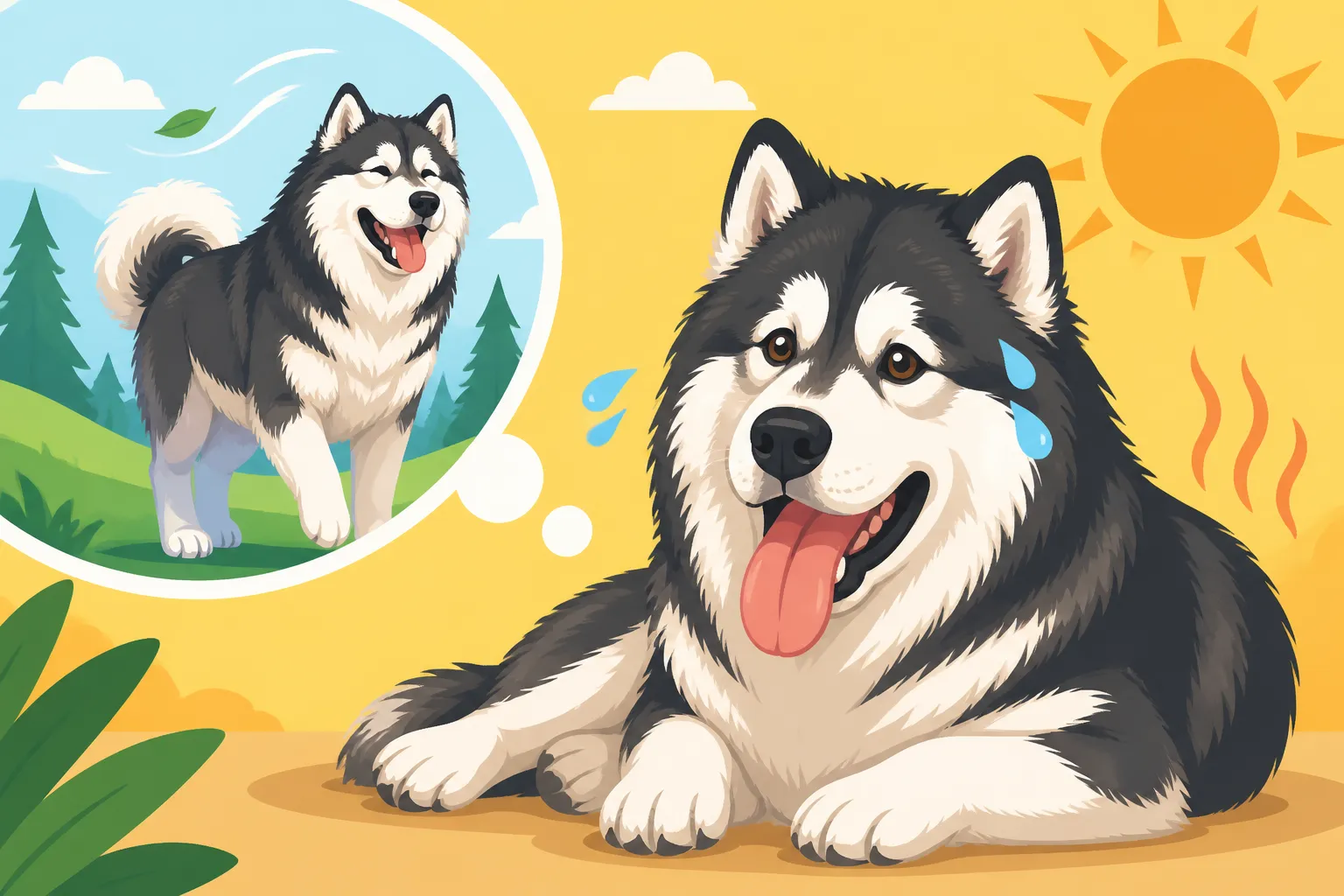
Unlike humans who have millions of sweat glands across their skin, Alaskan Malamutes, like most dogs, don't sweat to cool down in the same way. Their primary mechanism for dissipating heat is panting. When a Malamute pants, they take rapid, shallow breaths. This action increases airflow over the moist surfaces of their tongue, mouth, and upper respiratory tract. As water evaporates from these surfaces, it carries heat away from the body, providing a cooling effect.
Other, less significant ways Malamutes try to cool themselves include vasodilation, which is the widening of blood vessels. This happens in areas with less fur, like their ears and paw pads. When these blood vessels dilate, more blood flows close to the surface of the skin, allowing heat to radiate away from the body. You might notice their paw pads feel warmer than usual after they've been exerting themselves or in warm weather.
The inherent challenge for Malamutes is that they are large, muscular dogs designed for intense physical activity, meaning they produce a significant amount of metabolic heat. Combine this internal heat generation with their incredibly insulating coat and an environment where external temperatures are already high, and their panting mechanism can quickly become overwhelmed. They have a smaller surface area to mass ratio compared to, say, a Greyhound, making it harder for them to shed heat.
Humidity further complicates matters. Evaporative cooling relies on the air being able to absorb moisture. If the air is already saturated with moisture – in other words, if it's very humid – then evaporation from panting becomes much less efficient. This means your Malamute has to work much harder to cool down, and their internal temperature can rise dangerously fast, even if the air temperature doesn't feel extreme to a human. This is why a Malamute owner must always be aware of both temperature and humidity.
Decoding Your Malamute's Panting: Normal vs. Concerning
As a Malamute owner, one of your most important jobs in summer is to become an expert in distinguishing normal, healthy panting from the frantic, alarming panting that signals serious distress. Your dog can't tell you in words that they're overheating, so you need to learn to read their body language and physical cues.
What "Normal" Panting Looks Like
When your Malamute is engaging in normal panting, it's typically a rhythmic, steady process. You might see this after a good run around the yard in the morning, a brisk walk, or simply after they've been lounging in a sunny spot for a little while on a moderately warm day. Their tongue might be out, but not excessively, and it should be a healthy pink color. Their breathing will be increased, but not labored or desperate.
During normal panting, your Malamute generally appears relaxed and in control. They might lie down to rest, perhaps seeking out a cooler patch of floor or shade. They're still alert and responsive, their eyes bright. Their gums should remain a normal healthy pink and feel moist, not dry or sticky. The sound of their panting will be consistent and not strained or raspy. If they move to a cooler spot or get a drink of water, their panting should gradually subside and return to a normal breathing rate. This is just their body's efficient system working to keep them comfortable.
It's important to remember that "normal" panting will vary from one Malamute to another. A younger, fitter dog might tolerate more activity before panting heavily than an older, less conditioned Malamute. Also, a dog that has just finished a game of fetch will pant more vigorously than one who has only just come in from a short walk. Context is everything here; observe their overall demeanor and the circumstances surrounding their panting to gauge if it's within a healthy range.
Red Flags: Signs of Overheating and Heatstroke
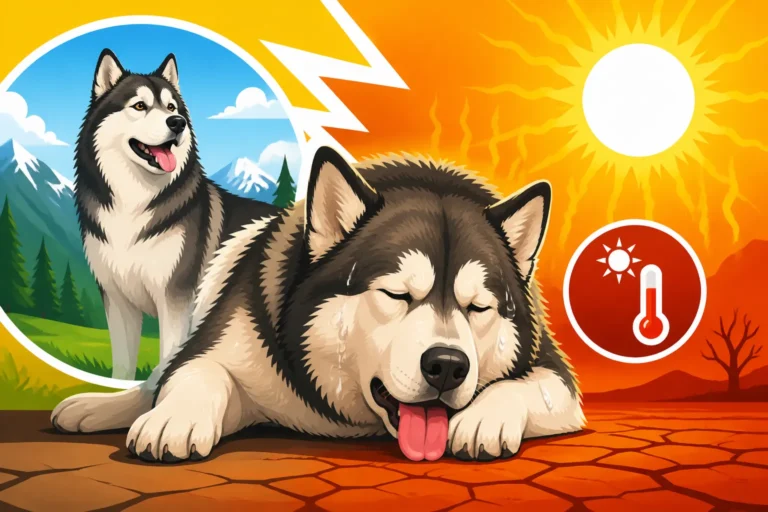
This is where your vigilance becomes absolutely critical. If you notice your Malamute panting excessively, frantically, and without let-up, especially in warm or humid conditions, consider it a major red flag. This kind of panting often sounds labored, raspy, or like they are struggling desperately to draw breath. Their body language will also betray their distress – they might be restless, pacing anxiously, or conversely, extremely lethargic, weak, and unwilling to move. Signs an Alaskan Malamute Is Too Hot
Beyond the panting, pay close attention to their gums and tongue. Instead of a healthy pink, they might turn a shocking bright cherry red, a dark brick red, or even a purple or bluish hue, indicating a lack of oxygen. Their saliva can become thick, ropy, and excessive, often forming foamy strings around their mouth. This isn't just drool; it's a sign of serious dehydration and an alarming struggle to cool their core body temperature.
Other critical symptoms of overheating and potential heatstroke include disorientation, staggering, wobbliness, uncoordinated movements, or even collapsing. They might seem confused or unresponsive. Vomiting and diarrhea, sometimes bloody, can also occur as their internal organs begin to shut down. In the most severe and life-threatening cases, muscle tremors, seizures, or loss of consciousness are possible. Summer Is the Season That Kills Alaskan Malamutes If you observe any of these signs, particularly in combination, it is an immediate veterinary emergency.
The key distinction between normal panting and dangerous panting is that normal panting resolves with rest and a cooler environment, whereas heatstroke symptoms rapidly escalate. Do not wait to see if your Malamute "gets better." Immediate action is required to prevent irreversible organ damage and potential death. Your quick response can literally save their life.
| Symptom | Normal Panting (Mild Heat/Exertion) | Concerning Panting (Overheating/Heatstroke Risk) |
|---|---|---|
| Panting Rate | Increased, but steady and rhythmic | Rapid, shallow, frantic, often struggling |
| Sound | Relaxed, audible breaths | Raspy, loud, forced, distressed, hoarse |
| Tongue Color | Pink | Bright red, dark red, purple, or bluish |
| Gums | Pink, moist | Bright red, dark pink, dry, tacky |
| Energy Level | Alert, may seek rest | Lethargic, wobbly, stumbling, collapsing, disoriented |
| Saliva | Normal | Thick, ropy, excessive drooling, foamy |
| Other Signs | None | Vomiting, diarrhea, muscle tremors, seizures, confusion |
Practical Strategies for a Cooler Summer
Keeping an Alaskan Malamute comfortable and safe in summer requires proactive planning and a commitment to their well-being. You can’t just hope for the best; you need to implement strategies that actively mitigate the risks of overheating. It’s all about creating an environment where their natural cooling mechanisms aren't pushed to their breaking point.
Managing Exercise and Outdoor Time
The single most important rule for Malamute owners in warm weather is to drastically adjust their exercise routine. Strenuous activity during hot or even warm parts of the day is an absolute no-go. Restrict all walks and vigorous play to the coolest parts of the day – this typically means very early morning, often before sunrise, and late evening after the sun has set and temperatures have truly dropped. Even on a seemingly mild day, remember that asphalt and concrete can retain immense heat, becoming dangerously hot surfaces that can burn paw pads and radiate heat back up to your Malamute's body. Why a Malamute Should Not Walk at Midday How Early a Malamute Should Be Walked in Summer
You need to become incredibly attuned to your individual dog's limits. An energetic two-year-old might handle a slightly longer, cooler walk than an older, more sedate ten-year-old Malamute. Keep walks short and purposeful: a quick potty break on grass, a sniff around the shaded perimeter of the yard. Forget about long hikes or intense games of fetch for several months. For a deeper dive into extreme temperatures, consider How Long an Alaskan Malamute Can Be Outside at Ninety Degrees.
Consider alternative activities that provide mental stimulation without the physical exertion. Puzzle toys, training sessions indoors in an air-conditioned space, or even simply letting them explore a cool, shaded yard for short periods can satisfy their needs. If you have access to a safe, shallow body of water like a stream or pond, a brief supervised dip can be a wonderful way for them to cool off, but always be mindful of water quality and safety. Dog parks, with their high excitement levels and potential for uncontrolled play, are generally best avoided during any warm weather, as a Malamute can quickly overheat without you realizing it.
Hydration and Cooling Tools
Constant access to fresh, cool water is non-negotiable. Have multiple water bowls around the house and outside in shaded areas. Adding ice cubes to their water can encourage them to drink more and help keep the water cool for longer. For outings, always carry a portable water bottle and collapsible bowl. There are many excellent options available on Chewy and Amazon. Some Malamutes might even enjoy a few ice chips as a treat.
Investing in specific cooling gear can make a significant difference. Cooling mats, often filled with a gel that activates with pressure, provide a cool surface for your Malamute to lie on. Elevated cooling beds, made with breathable mesh fabric, allow air to circulate underneath your dog, preventing heat from radiating up from the ground. Many Malamutes also adore a small, shallow kiddie pool filled with a few inches of cool water in a shaded part of the yard. They love to lie in it, splash, and cool their bellies.
Cooling vests or bandanas, soaked in cool water, can also offer temporary relief by cooling the large blood vessels close to the skin. Remember these are aids to cooling, not magic bullets. Ensure the vest isn't too heavy or constricting once wet, and always monitor your dog. You can explore Which Cooling Gear Reaches a Malamute Through Its Coat for more specific product types. Also, it's worth knowing Whether an Alaskan Malamute Should Be Wet Down in Heat and how to do it safely to maximize cooling.
Creating a Cool Indoor Environment
Your home should be your Malamute's safe haven from the heat. Air conditioning is a huge asset, if available, and ideally, you should keep your home at a comfortable, cool temperature during summer. If central AC isn't an option, strategically placed fans can create airflow, but ensure cords are out of reach. Keeping blinds and curtains closed during the hottest parts of the day will block direct sunlight, significantly reducing heat buildup indoors.
Identify and designate "cool zones" in your house. These are often areas with tiled floors, like bathrooms or kitchens, which naturally stay cooler than carpeted areas. Many Malamutes will instinctively seek out these spots to stretch out on. Ensure these cool zones are always accessible to them. Sometimes, just lying directly in front of a running fan can provide enough relief for them to recover.
Consider the role of humidity in your indoor environment. If you live in a particularly humid region, a dehumidifier can make the air feel much cooler and assist your Malamute's evaporative cooling process through panting. For those living in climates where summer is relentlessly hot and humid, it might be worth considering if Whether an Alaskan Malamute Should Live in the South is truly sustainable for the breed's long-term health and comfort.
Finally, review their sleeping arrangements. While a thick, plush bed is wonderful in winter, it can trap an immense amount of heat in summer. Switch to lighter, breathable bedding, or encourage them to use their cooling mat or elevated bed instead. Anything that allows air to circulate around them and provides a cool surface will be beneficial.
When to Call the Vet: Emergency Situations
Despite all your best efforts, sometimes things can go wrong, and your Malamute might still experience an emergency. Knowing precisely when to call the vet, and what to do in those critical moments, is paramount. Preparedness is your best defense against the devastating effects of heatstroke.
Recognizing a Heat Emergency
I cannot emphasize this enough: if you suspect your Malamute is suffering from heatstroke, you are in a race against time. The severe signs we detailed earlier – frantic, labored panting, gums that are bright red or even purple, thick and ropy drool, staggering, disorientation, vomiting, diarrhea, or collapse – are not symptoms you can afford to "wait and see" about. These are clear indicators of a life-threatening situation demanding immediate, decisive action.
As soon as you observe these critical signs, initiate immediate first aid steps while simultaneously preparing for urgent transport to the nearest veterinary emergency clinic. Get your Malamute out of the heat and into a shaded, cool area immediately. If they are conscious and able to swallow, offer small amounts of cool (not ice-cold) water. Do not force water on them if they are weak or disoriented, as it could lead to aspiration.
Begin the process of cooling them down gently. Use cool (again, not ice-cold) water to wet their fur, focusing on areas with less fur and where large blood vessels are close to the surface, such as their paw pads, belly, and inner thighs. You can use cool, damp towels, but be careful not to cover them completely with wet towels, as this can trap heat. Do NOT use ice water or immerse them in icy baths, as this can cause their blood vessels to constrict, hindering heat dissipation, or even induce shock. You can learn more specifics about effective cooling in How to Cool an Overheated Alaskan Malamute.
Critically, call ahead to the veterinary clinic while you are en route. Inform them of your emergency and your estimated arrival time. This allows them to prepare a team and equipment for your Malamute's immediate treatment upon arrival, shaving precious minutes off their response time. Every second counts in preventing irreversible organ damage and ensuring the best possible outcome.
Proactive Veterinary Discussions
Even before summer truly settles in, or especially if you're a new Malamute owner, it’s a brilliant idea to have a frank conversation with your veterinarian about your dog's individual heat tolerance. Discuss their age, their general health status, any pre-existing conditions (such as heart or respiratory issues), and any medications they might be taking. All of these factors can significantly impact how well your Malamute is able to cope with warmer temperatures.
Your vet can offer personalized advice tailored to your specific climate, your Malamute's lifestyle, and their unique health profile. They might suggest particular hydration strategies, recommend specific cooling aids, or even advise on pre-summer baseline bloodwork to ensure your Malamute is in optimal health to face the warmer months. Don't hesitate to ask every question you have; an informed and prepared owner is truly the best advocate for their Malamute's health and safety.
By being proactive and engaging in these discussions, you empower yourself with the knowledge and resources necessary to make the best decisions for your Malamute's well-being. It's about preventative care, creating a robust plan, and understanding the real dangers, rather than simply reacting to an emergency once it has already unfolded. This foresight can make all the difference in ensuring your majestic companion enjoys a safe and comfortable summer.
Disclaimer
This article is for general informational purposes only and does not constitute professional advice. Laws, prices and regulations vary by location and change over time. Consult a qualified professional for guidance on your specific situation.