Whether Too Much Zinc Poisons an Alaskan Malamute
Oh, the ever-present zinc question for our beloved Alaskan Malamutes! It’s one that keeps so many of us owners up at night, especially when we know how crucial zinc is for their health, yet how tricky it can be to get just right. You've heard all the stories about Malamutes needing extra zinc, but what happens if you accidentally go too far? The worry about giving your gentle giant too much of a good thing, potentially causing more harm than good, is a very real and valid concern. This guide will walk you through why Malamutes are so sensitive to zinc levels, the real risks of zinc poisoning, how to spot the signs, and most importantly, how to ensure your furry family member gets exactly what they need without going overboard.
Understanding the Malamute's Unique Relationship with Zinc
When you own an Alaskan Malamute, you quickly learn that they're not just any dog. They are a breed steeped in history and purpose, and along with their incredible strength and intelligence, they come with certain physiological quirks. One of the most significant, and often frustrating, is their unique relationship with zinc. It’s a delicate balance, and understanding it is key to their overall well-being.
Why Zinc is Critical for Alaskan Malamutes
Zinc isn't just a fancy mineral; it's a vital micronutrient that plays a role in hundreds of bodily functions in all dogs, and especially in Malamutes. Think of it as the unsung hero behind the scenes. It's essential for a healthy immune system, making sure your Malamute can fight off infections and stay robust. Without adequate zinc, their ability to heal wounds can be severely compromised, turning a minor scrape into a prolonged ordeal. Moreover, zinc is a cornerstone for healthy skin and a luxurious coat – that beautiful, thick double coat we all adore. It also supports proper thyroid function, which regulates metabolism and energy levels, and is critical for normal growth and development in puppies. When you consider all these interconnected systems, it’s clear why zinc deficiency can manifest in so many different, often confusing, ways.
Zinc’s role extends to their digestive system, nerve function, and even their reproductive health. When your Malamute has the right amount of zinc, they thrive. Their energy levels are steady, their eyes are bright, and their skin is clear. It’s when this balance is disrupted that we start seeing problems, often leading owners down a frustrating path of trying to figure out what’s wrong.
The Genetic Predisposition to Zinc Deficiency
Here’s where it gets really specific to our beloved breed. Alaskan Malamutes, along with a few other Nordic breeds like Siberian Huskies and Samoyeds, have a genetic predisposition to a condition called Zinc Responsive Dermatosis (ZRD). This isn't just about not getting enough zinc in their diet; it's about their body's inability to properly absorb and utilize the zinc they do consume. You could be feeding the most expensive, zinc-rich food on the market, but if their gut isn't pulling that zinc into their system effectively, it's almost as if they're not getting any at all.
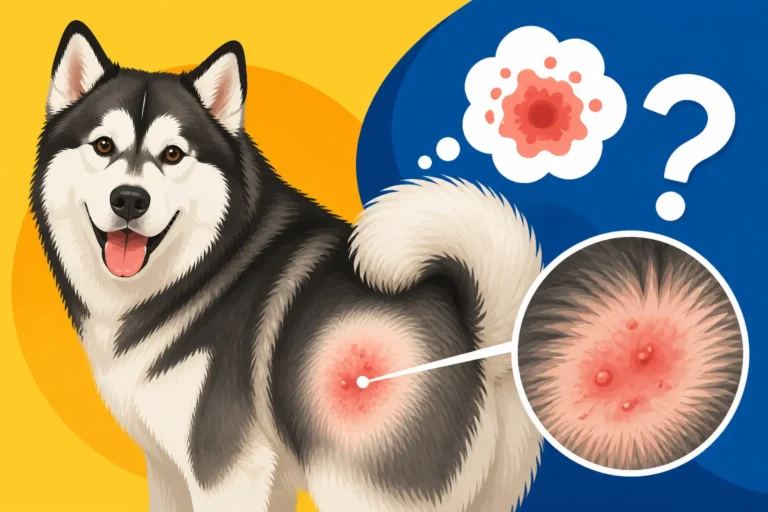
This genetic quirk means that even a diet that would be perfectly adequate for another breed might leave a Malamute zinc deficient. The condition typically presents as skin lesions, often crusty, flaky patches around the eyes, muzzle, ears, and pressure points like elbows and hocks. It can be incredibly uncomfortable and itchy for them, leading to secondary skin infections. This inherited metabolic issue is why many Malamute owners find themselves needing to supplement zinc, often for the dog's entire life. Understanding that their bodies are just built differently is crucial. It’s not your fault if your Malamute develops ZRD; it's just part of their unique genetic makeup. For more on this, you might find Zinc Responsive Dermatosis in an Alaskan Malamute incredibly helpful. We also delve deeper into how their bodies uniquely handle zinc in How Poor Zinc Absorption Links a Malamute's Three Disorders.
The Dangers of Excessive Zinc Supplementation
Given their propensity for zinc deficiency, it's tempting for well-meaning owners to think "more is better" when it comes to zinc. We want to protect our Malamutes, to prevent those nasty skin issues, and ensure they're healthy. However, this mindset can, unfortunately, lead to another serious problem: zinc toxicity, or zinc poisoning. While less common than deficiency in Malamutes, it's a genuine risk that every owner needs to be aware of.
How Zinc Overload Occurs in Malamutes
Zinc overload usually happens in one of two ways. The first, and arguably most dangerous, is accidental ingestion of zinc-containing items. This isn't about giving too many supplements; it's about your curious Malamute getting into something they shouldn't. Common culprits include pennies (especially those minted after 1982, which are mostly zinc), certain types of hardware like nuts, bolts, and even some zippers, board game pieces, medicated creams, some diaper rash ointments, and even certain dietary supplements meant for humans. Our Malamutes are masters of sniffing out interesting things, and if it's small enough to swallow and shiny enough to catch their eye, it might end up in their stomach. The stomach acids then begin to dissolve the zinc, allowing a massive amount to be absorbed into the bloodstream very quickly.
The second way, which is more relevant to the initial concern, is over-supplementation. While less acute, giving excessively high doses of zinc supplements for prolonged periods, especially without proper veterinary guidance or without a confirmed diagnosis of ZRD, can lead to a buildup of zinc in their system. This is often an innocent mistake, driven by the desire to help, but it underscores the importance of precise dosing and regular monitoring. It's a fine line we walk, trying to provide enough zinc without tipping the scales too far.
The Mechanisms of Zinc Toxicity in Dogs
When too much zinc enters a dog's body, it wreaks havoc in several ways. One of the primary targets is the red blood cells. Zinc interferes with the enzymes involved in red blood cell metabolism, leading to oxidative damage and subsequent destruction of these cells. This condition is called hemolytic anemia, and it's incredibly dangerous. Essentially, your Malamute's body starts attacking and breaking down its own red blood cells, which are responsible for carrying oxygen throughout the body. Without enough oxygen, organs start to suffer.
Beyond red blood cells, excessive zinc can also directly damage internal organs. The kidneys are particularly vulnerable, as they work hard to filter substances from the blood. High levels of zinc can cause acute kidney injury. The liver, another vital organ for detoxification, can also be severely affected, leading to liver damage. The gastrointestinal tract is often the first to show signs of distress because it's where the zinc is initially absorbed and where it can cause direct irritation to the lining of the stomach and intestines. Pancreatic damage, leading to pancreatitis, is also a potential, painful complication. In essence, zinc overload doesn't just affect one system; it can cascade into a multi-organ crisis, making it a medical emergency.
Recognizing the Signs of Zinc Toxicity
Spotting the signs of zinc poisoning can be tricky because some of the initial symptoms might mimic other less severe illnesses. However, knowing what to look for, especially if you suspect your Malamute has ingested something metallic or if you've been supplementing heavily, can be life-saving. Don't ever hesitate to call your vet if you have even the slightest concern.
Gastrointestinal Upset and Other Immediate Symptoms
The first signs of zinc toxicity often manifest in the gastrointestinal system, and they can appear relatively quickly, especially after acute ingestion of a zinc object. You might notice your Malamute is suddenly:
- Vomiting: This is a very common initial symptom, as the stomach tries to expel the irritant. The vomit might contain blood or appear coffee-ground-like if there's significant irritation or bleeding in the stomach.
- Diarrhea: Again, the body's attempt to get rid of the toxin. This can range from soft stools to watery, bloody diarrhea.
- Loss of Appetite (Anorexia): Your normally food-motivated Malamute might suddenly refuse meals, which is a big red flag.
- Lethargy/Weakness: They might appear unusually tired, reluctant to move, or just generally "off." This can be a sign of discomfort or the onset of anemia.
- Abdominal Pain: You might notice your Malamute guarding their belly, or showing discomfort when touched in that area.
Beyond digestive upset, other early indicators can include jaundice (a yellowish tint to the gums, skin, or whites of the eyes), which signals liver involvement, or pale gums due to anemia. If you see any of these signs, particularly after a suspected ingestion, time is absolutely of the essence. Get to your emergency vet immediately.
Long-Term and Severe Complications
If zinc toxicity goes untreated, or if the exposure is prolonged, the effects become much more severe and life-threatening. The most critical long-term complication is severe hemolytic anemia. This means the destruction of red blood cells progresses to a point where the body cannot deliver enough oxygen to its tissues. Your Malamute might exhibit:
- Profound Weakness and Collapse: Due to the lack of oxygen, they may be unable to stand or move.
- Rapid Breathing and Heart Rate: Their body tries desperately to compensate for the lack of oxygen-carrying red blood cells.
- Worsening Jaundice: As more red blood cells are destroyed, the byproduct (bilirubin) builds up, making the yellowing more pronounced.
- Dark Urine: The breakdown products of red blood cells can be excreted through the urine, giving it a dark orange, brown, or even red appearance.
Beyond anemia, kidney failure is another devastating outcome. Signs might include increased thirst and urination, or conversely, a complete cessation of urine production. Liver failure can lead to further systemic issues, including clotting problems and neurological symptoms. In the worst cases, zinc poisoning can lead to disseminated intravascular coagulation (DIC), a severe and often fatal bleeding disorder, or even death. This is not a condition to monitor at home; it requires immediate, aggressive veterinary intervention. When you're dealing with supplements for conditions like Zinc Responsive Dermatosis in an Alaskan Malamute, always remember that while deficiency is bad, too much is equally, if not more, dangerous.
Here's a quick comparison of zinc deficiency versus toxicity:
| Symptom | Zinc Deficiency (ZRD) | Zinc Toxicity (Poisoning) |
|---|---|---|
| Skin/Coat | Crusty lesions, hair loss, thickened pads | Usually normal, unless long-term effects |
| Appetite | Can be reduced | Often severely reduced/anorexia |
| Energy Level | Can be lower, lethargy due to general illness | Severe lethargy, weakness, collapse |
| Gastrointestinal | Occasional mild upset, poor growth in pups | Severe vomiting, diarrhea (often bloody) |
| Gums/Mucous Membr. | Normal or pale (if anemic from other cause) | Pale (anemia), yellowish (jaundice) |
| Urine Color | Normal | Dark, red, or brown |
| Cause | Genetic malabsorption, dietary lack | Accidental ingestion, over-supplementation |
| Onset | Gradual, chronic | Acute (ingestion) or subacute (over-supp.) |
Safe Zinc Practices for Your Alaskan Malamute
Navigating the world of zinc for your Alaskan Malamute can feel like walking a tightrope. On one side is deficiency, which can cause miserable skin issues and more. On the other is toxicity, a life-threatening emergency. The key to success is careful management, professional guidance, and vigilance. We want our Mals to be healthy, happy, and free from preventable suffering.
Working with Your Veterinarian for Proper Diagnosis
This is perhaps the most critical step. Never, ever self-diagnose or self-prescribe zinc supplements for your Malamute without a thorough veterinary examination and diagnosis. If you suspect your Malamute has zinc deficiency (perhaps they are showing signs like those described in What Zinc Responsive Dermatosis Looks Like on a Malamute), your vet will perform tests. These might include blood tests to check zinc levels, but often a definitive diagnosis of Zinc Responsive Dermatosis requires a skin biopsy. The biopsy is important because skin issues can stem from many causes, including allergies, infections, or even thyroid problems, all of which require different treatments.
If your vet confirms ZRD, they will prescribe the appropriate form and dosage of zinc. This isn't a one-size-fits-all situation; the exact amount can vary based on your Malamute's weight, severity of symptoms, and their individual response. Your vet will monitor their progress and may adjust the dosage over time. Remember, the goal is to bring their zinc levels into a healthy range, not to blast them with high doses. Regular follow-ups are essential to ensure the treatment is effective and not causing any adverse effects.
On the flip side, if you suspect accidental zinc ingestion, your vet is your first and only call. They can guide you on immediate steps and determine if emergency care is needed. They might induce vomiting if appropriate, administer activated charcoal, or proceed with other treatments to stabilize your Malamute and remove the zinc source. Don’t wait to see if things improve on their own – with zinc poisoning, every minute counts.
Choosing the Right Zinc Supplementation
If your veterinarian determines that your Malamute needs zinc supplementation, they will usually recommend a specific type and dosage. Not all zinc supplements are created equal, and the form of zinc can impact how well it's absorbed and utilized by your Malamute's body. Common forms include zinc sulfate, zinc picolinate, or zinc methionine. Zinc methionine is often favored for its bioavailability and because it's less likely to cause gastrointestinal upset. However, your vet will make the best recommendation based on your dog's specific needs and tolerance. You can often find these recommended supplements through reputable pet retailers like Chewy or Amazon, but always ensure they match your vet's specific instructions.
It's also important to understand that zinc can interact with other minerals, particularly calcium and copper. High levels of calcium, for instance, can sometimes interfere with zinc absorption, which is something your vet will consider when formulating a treatment plan. This is why just "adding more zinc" to a diet without professional guidance can be counterproductive or even harmful. For a deeper dive into this, check out Whether Calcium Blocks a Malamute's Zinc Absorption. Once your Malamute is on a supplement, it’s not usually a short-term fix; many Malamutes with ZRD need zinc for life to keep their symptoms at bay, as discussed in Whether a Malamute Needs Zinc for Life.
Dietary Considerations and Zinc Absorption
While supplements are often necessary for Malamutes with ZRD, diet still plays a supportive role. For all Malamutes, ensuring a balanced, high-quality diet is fundamental. Look for dog foods that list zinc as a chelated mineral (e.g., zinc proteinate or zinc methionine complex) in their ingredients, as these forms are generally more easily absorbed than inorganic zinc salts. Brands like Ollie often focus on high-quality, digestible ingredients which can generally support better nutrient absorption.
However, remember the core issue: for Malamutes with ZRD, it's not just about the amount of zinc in the food, but their ability to absorb it. So, even a premium food might not be enough on its own. Avoid feeding your Malamute excessive amounts of calcium, as we mentioned, as it can hinder zinc absorption. Also, certain plant compounds called phytates, found in grains and legumes, can bind to zinc and make it less available. While grain-free diets aren't universally recommended or a cure-all, it's a factor that some vets consider in severe ZRD cases.
The best approach is always a partnership with your veterinarian. They can help you evaluate your Malamute's diet in conjunction with any necessary supplementation. Keeping dangerous zinc-containing items out of reach, carefully measuring supplements, and maintaining open communication with your vet are your strongest tools in preventing both zinc deficiency and the serious, often fatal, consequences of zinc poisoning. It’s a dedicated effort, but your Malamute's health is worth every bit of it.
Disclaimer
This article is for general informational purposes only and does not constitute professional advice. Laws, prices and regulations vary by location and change over time. Consult a qualified professional for guidance on your specific situation.