Whether an Alaskan Malamute Gets Hot Spots Under Its Coat
It’s a truly frustrating experience for any Alaskan Malamute owner: you know something is bothering your furry companion, perhaps they're licking a spot more than usual, but trying to find anything concrete under that magnificent, thick coat feels like searching for a needle in a haystack. Many of us worry about those hidden skin issues, especially the notorious "hot spot." This guide will help you understand what hot spots are, how to spot them early in a Malamute, and the best ways to treat and prevent these pesky, painful skin irritations.
Understanding Hot Spots and Why Malamutes Are Prone
That incredibly dense, luxurious double coat that makes our Malamutes so resilient in cold weather can, unfortunately, be a double-edged sword when it comes to skin health. It's a fantastic insulator, but it can also become a perfect breeding ground for moisture and bacteria, leading to uncomfortable skin conditions.
What Exactly Is a Hot Spot?
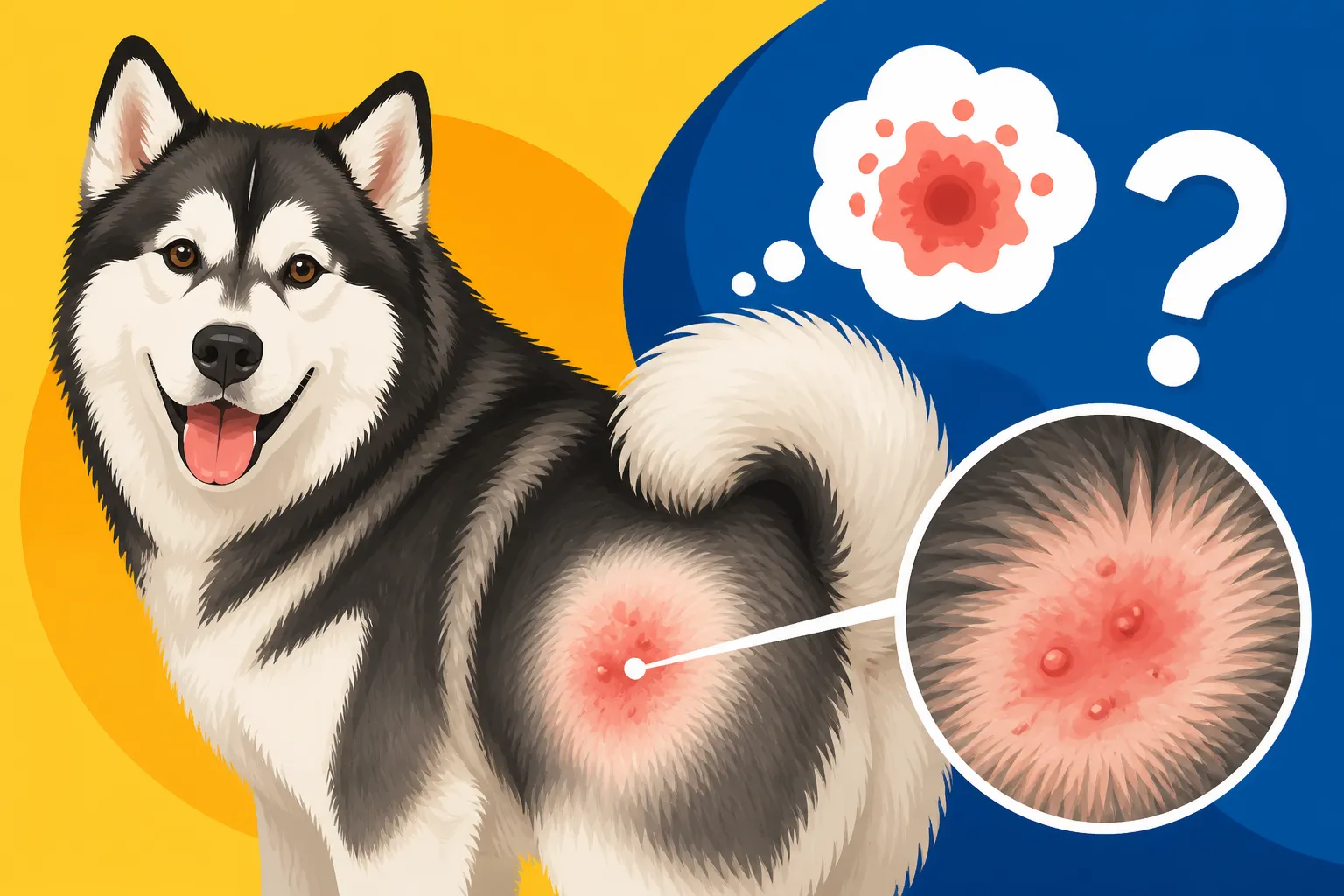
A hot spot, medically known as acute moist dermatitis, isn't just a simple rash; it's a rapidly developing, intensely itchy, inflamed skin infection. Picture this: your Malamute gets a small itch, perhaps from a bug bite, or just a stray piece of debris caught in their fur. They start licking it. Because their coat is so thick, that licking introduces moisture to the area, which then gets trapped against the skin by the surrounding fur. This creates a warm, damp environment that bacteria absolutely love, and boom – within hours, that tiny itch can explode into a red, oozing, painful lesion that can spread surprisingly quickly. The skin becomes raw, often with matted, sticky fur over it, and it's incredibly uncomfortable for your dog.
The key frustration for Malamute owners is that these lesions start under the fur. By the time you notice the symptoms – the constant licking, the matted hair – the hot spot is usually already quite advanced and very painful. It’s not like a visible rash on a short-haired dog that you can spot immediately. The sheer volume of hair works against early detection, allowing the problem to fester unnoticed for a crucial period.
Common Triggers for Malamutes
Malamutes, with their specific coat type and genetic predispositions, face certain triggers more acutely than some other breeds. One of the most common culprits is anything that causes them to start licking or chewing excessively in a localized area.
Allergies are a huge player here. Our Mals can suffer from environmental allergies, reacting to pollen, grass, or dust mites, which can make their skin itchy all over, prompting them to focus on one particular spot. Food allergies can also manifest as skin issues. Then there are the parasites – a single flea bite can set off a chain reaction in a sensitive Malamute, leading to relentless scratching and chewing. Mites, while less common, can also be deeply irritating.
Beyond irritants, moisture is a massive problem. If your Malamute enjoys a swim, gets caught in a downpour, or even just comes in from a very humid day, and their dense undercoat isn't dried thoroughly, that trapped moisture is a prime hot spot catalyst. It's like wearing a wet wool sweater all day; eventually, your skin would protest. For a Malamute, that protest can be a hot spot. We also need to be aware of underlying skin conditions. For instance, some Malamutes struggle with Zinc Responsive Dermatosis in an Alaskan Malamute, a condition where they don't absorb zinc properly, leading to dry, flaky, irritated skin that can easily turn into a hot spot if scratched or licked excessively. Even boredom or stress can lead to obsessive licking, creating a hot spot out of sheer habit. Their incredible fur is truly a gift, but it demands our vigilance.
Recognizing Hot Spots Under That Glorious Coat
Because hot spots develop so quickly and are hidden by that magnificent fur, early detection in a Malamute is incredibly challenging but absolutely critical. It requires you to know your dog's habits and conduct regular, thorough checks.
The Early, Subtle Signs
Before you see any raw skin, there are often subtle behavioral clues that something isn't right. Your Malamute might start licking or chewing at a specific area more than usual, almost obsessively. It might not seem like much at first—just a bit more grooming—but if it becomes persistent, pay attention. They might also become restless, shifting uncomfortably, or scratching a particular spot with their hind leg far more frequently than normal. You might notice their fur in that area looks a bit matted or clumped together, perhaps even a little greasy. This is often the first visual cue that moisture is accumulating.
Another sign, which can be difficult to pinpoint but important, is a change in smell. A hot spot often has a distinctive, unpleasant odor—sometimes musty, sometimes yeasty, almost sweet, or even like stale bread. This smell comes from the bacterial overgrowth on the skin. Your Malamute might also show discomfort when you try to touch the suspected area, perhaps flinching, growling softly, or pulling away, indicating that the area is already painful to the touch. Don't dismiss these small shifts in behavior; they're your Malamute's way of telling you they're in distress. Early intervention can stop a minor irritation from becoming a full-blown crisis.
How to Conduct a Home Check
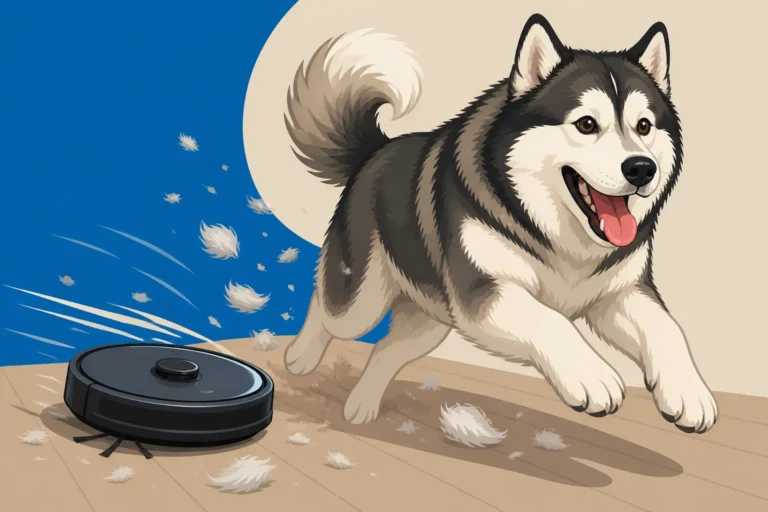
Performing regular, diligent home checks is your best defense against hidden hot spots in your Malamute. This isn't just a quick pat-down; it's a dedicated inspection. I always advise my fellow Malamute owners to incorporate a full skin check into their regular grooming routine, especially during those intense shedding periods known as a The Malamute Coat Blow That Fills a Vacuum in an Afternoon. It's not just about brushing out the loose fur; it's about seeing what's underneath.
To check, you'll need to systematically part your Malamute's fur down to the skin. You can use your fingers or a wide-toothed comb to do this. Start at the head and work your way down, paying close attention to areas where hot spots are common: behind the ears, on the neck (especially where collars might rub), along the back, at the base of the tail, and on the hindquarters. Feel for any bumps, scabs, tenderness, or patches of wet, sticky fur. The skin itself should look clear and healthy, not red or inflamed. If you find a matted area, gently try to untangle the fur and expose the skin beneath. Often, a hot spot will be revealed as a red, oozing, circular lesion. If you have a particularly fluffy Malamute, remember that you might need to really get your fingers down to the skin layer. It might take a bit of effort, but it's crucial for early detection.
Here’s a quick guide to common hot spot locations and why they occur:
| Location | Common Triggers | Why It's Prone |
|---|---|---|
| Base of Tail | Fleas, allergies, anal gland issues | Easy for dog to reach and lick persistently. |
| Behind Ears/Neck | Ear infections, collar irritation, allergies | Traps moisture; common scratching/licking target. |
| Hindquarters/Thighs | Fleas, skin fold dermatitis, allergies | Often damp after lying down; easily licked. |
| Side of Body/Chest | Insect bites, minor abrasions, constant licking | Large, flat areas can hold moisture. |
| Paws/Between Toes | Allergies, foreign bodies (burrs), moisture, anxiety | Constant licking due to irritation; moisture trap. |
First Aid and Management for Malamute Hot Spots
Once you've identified a hot spot, it's natural to feel a bit panicked, but swift and appropriate action can make a huge difference in your Malamute's comfort and recovery. While home care can provide immediate relief, remember that these are infections, and veterinary advice is almost always recommended.
Immediate Steps at Home
The absolute first step, and it might seem counter-intuitive because it involves their beautiful fur, is to carefully and gently clip the fur around the hot spot. I know, I know, it’s painful to think about, but this is critical. You need to expose the actual skin lesion to the air. Leaving the thick fur over it will only continue to trap moisture and heat, making the infection worse and hindering healing. Use a small, quiet clipper with a clean blade (like a #10 blade). Be incredibly careful not to nick the skin, as it's likely already very sensitive and inflamed. Clip a wide margin around the lesion – at least an inch or two of clear skin – so that you can properly clean and treat the area, and allow it to breathe.
After clipping, the next step is gentle cleansing. Use a mild antiseptic solution. A diluted povidone-iodine solution (it should look like weak tea) or chlorhexidine wipes are excellent choices. Gently dab the area to clean away any pus, crust, or debris. Avoid harsh scrubbing. The goal is to remove surface bacteria and allow the skin to dry. Crucially, do not apply heavy creams, thick ointments, or bandages. These will only trap more moisture and prevent the skin from drying out, which is exactly what a hot spot needs to heal. Finally, your Malamute will want to lick the area. This is a natural instinct, but it's detrimental to healing. You absolutely must prevent them from licking, chewing, or scratching the hot spot. An Elizabethan collar (e-collar, cone of shame) is usually necessary. They might hate it, but it’s for their own good. If the hot spot doesn't show significant improvement within 24-48 hours, or if it appears to be spreading, growing deeper, or is intensely painful, a vet visit is imperative.
Veterinary Treatment and Long-Term Prevention
When a hot spot is severe, spreading, or simply not improving with initial home care, it's time to see your veterinarian. They can properly diagnose the extent of the infection, rule out other underlying skin conditions, and provide targeted treatment. Often, the vet will prescribe topical steroids to reduce inflammation and itch, and oral antibiotics to combat the bacterial infection. In some cases, oral anti-itch medications might also be given to provide relief and break the cycle of scratching and licking.
The true long-term solution lies in addressing the underlying cause of the hot spot. If fleas are the culprit, your vet will recommend a robust flea prevention program. If allergies are suspected, they might suggest allergy testing, antihistamines, or even specialized prescription diets (brands like Ollie offer tailored fresh food options that might help with food sensitivities) or immunotherapy. Proper drying after any water exposure is non-negotiable for Malamutes. Invest in a high-velocity force dryer; you can find excellent options on online retailers like Chewy or Amazon. These are crucial for getting their thick undercoat completely dry after baths or swims. Regular grooming is also key: keeping their coat free of mats and removing dead undercoat with tools like an undercoat rake helps with air circulation. If stress or boredom is contributing to obsessive licking, discuss enrichment strategies or behavioral modification with your vet or a professional trainer. Remember, prevention is always easier (and less painful) than treatment.
The Role of Grooming in Preventing Hot Spots
For Alaskan Malamutes, grooming isn't just about aesthetics; it's a vital component of their health and well-being, especially in preventing skin issues like hot spots. Their magnificent coat is a gift that requires diligent care.
Regular Brushing and Undercoat Management
Our Malamutes are renowned for their incredible double coats: a soft, dense undercoat for insulation and a coarser, protective outer coat. This design is perfect for Arctic conditions, but in a domestic setting, it needs our help to stay healthy. Regular brushing is paramount. During shedding season, often referred to as a "coat blow," daily brushing is almost mandatory to remove the massive amounts of dead undercoat. Even outside of these intense periods, brushing a few times a week is incredibly beneficial. This isn't just to reduce shedding around your house; it's about preventing mats and tangles that can trap moisture and debris against the skin, creating prime conditions for hot spots.
When you brush, make sure you're getting down to the skin. A good undercoat rake is an indispensable tool for any Malamute owner. It helps pull out the loose, dead undercoat that would otherwise become impacted, preventing air circulation and forming mats. If you're wondering How Often an Alaskan Malamute Needs Brushing, the answer is: often! The more dead hair you remove, the better the air circulation to the skin, which helps keep it dry and healthy. Think of it as aerating a very thick lawn; it allows everything underneath to breathe. Without proper undercoat management, your Malamute’s coat can become a heavy, damp blanket against their skin, making them incredibly vulnerable to hot spots and other skin infections.
Drying Techniques and Environmental Control
Leaving an Alaskan Malamute damp after a bath, a swim, or even a walk in the rain is practically an invitation for a hot spot. Their thick undercoat can take an astonishingly long time to air dry, and during that time, it's creating the ideal moist, warm environment for bacteria to flourish. This is why standard towel drying just won't cut it for a Malamute.
You need to invest in a high-velocity force dryer. These dryers, specifically designed for pets, blast air at a high speed (without heat, or with very low heat to avoid burning) to physically push water out of the coat. They are incredibly effective at drying the undercoat right down to the skin. You can find excellent, powerful models on platforms like Chewy or Amazon. It's a time investment, for sure, but far less time than dealing with a hot spot. When giving your Malamute a bath, remember How Often an Alaskan Malamute Should Be Bathed – not too frequently, to protect their natural skin oils, but when you do, ensure a proper, full dry. Beyond drying, consider their environment. In warmer, humid climates, you need to be extra vigilant. Ensure your Malamute has access to cool, dry spots in your home. Air conditioning can be a lifesaver, as Summer Is the Season That Kills Alaskan Malamutes due to heat exhaustion, but also consider what prolonged humidity does to their skin. Avoid strenuous exercise or long walks during the hottest, most humid parts of the day, as sweating can also contribute to skin dampness. Proper drying and thoughtful environmental management are truly crucial for preventing those insidious, hidden hot spots.
Disclaimer
This article is for general informational purposes only and does not constitute professional advice. Laws, prices and regulations vary by location and change over time. Consult a qualified professional for guidance on your specific situation.