How Often an Alaskan Malamute Should Be Bathed
One of the most common questions new Alaskan Malamute owners grapple with, often after a muddy adventure or a particularly enthusiastic roll in something questionable, is "how often should I actually bathe this magnificent beast?" It's a valid concern, because while a clean dog sounds appealing, the unique, dense double coat of an Alaskan Malamute means their bathing needs are vastly different from many other breeds, and getting it wrong can actually do more harm than good. This guide will help you understand the intricacies of your Malamute's coat and when, and how, to approach bath time.
Understanding the Malamute's Incredible Coat
The Alaskan Malamute's coat isn't just fur; it's a marvel of natural engineering, specifically designed for survival in some of the harshest, coldest environments on Earth. Understanding its structure and function is absolutely key to knowing how to care for it properly, especially when it comes to bathing. You wouldn't put a down jacket through a harsh wash cycle every week, and your Malamute's coat deserves similar respect.
The Double-Layered Wonder: Why It's Unique
Imagine wearing two distinct coats at all times, each with its own job. That's essentially what your Malamute has. The inner layer, often called the undercoat, is soft, dense, and woolly, almost like cashmere. Its primary purpose is insulation, trapping a layer of warm air close to the body, protecting the dog from extreme cold. This undercoat can be incredibly thick, sometimes an inch or two deep, and it's what truly allows a Malamute to thrive in freezing temperatures.
Above this plush undercoat lies the outer layer, known as the guard hairs. These hairs are coarser, longer, and straight, and they are incredibly resilient. Their job is to protect the delicate undercoat and the skin from external elements like snow, ice, rain, and dirt. They also provide a protective barrier against minor abrasions. These guard hairs are naturally water-repellent, causing moisture to bead up and roll off, much like a well-waxed car. This ingenious two-part system means dirt often doesn't penetrate all the way to the skin easily, and water struggles to soak through to the undercoat.
Natural Oils: Their Crucial Role in Coat Health
Beneath those impressive layers of fur, your Malamute's skin is constantly producing natural oils and sebum. These aren't just there for lubrication; they are absolutely vital for the integrity and function of the coat. These oils coat both the undercoat and the guard hairs, enhancing their waterproofing capabilities and contributing to their insulating properties. They also keep the skin supple and healthy, preventing dryness and flakiness.
When you bathe a Malamute, especially with harsh shampoos or too frequently, you risk stripping away these essential natural oils. This leaves the coat vulnerable, compromising its ability to repel water and insulate effectively. The skin can become dry, itchy, and irritated, potentially leading to a host of problems including excessive shedding, dull fur, or even secondary skin infections. This is why the common wisdom for Malamutes often leans towards a "less is more" approach when it comes to wet baths. This delicate balance of oil and fur is what gives the Malamute its characteristic self-cleaning (Whether an Alaskan Malamute's Coat Is Self Cleaning) quality, repelling grime naturally.
How Often is "Enough" for an Alaskan Malamute?
Given the Malamute's unique coat, the answer to "how often" is likely far less frequent than you might assume for other dog breeds. Many new owners are surprised by this, expecting a weekly or bi-weekly routine, only to find their Malamute thrives on a much more relaxed schedule.
The "Less is More" Philosophy
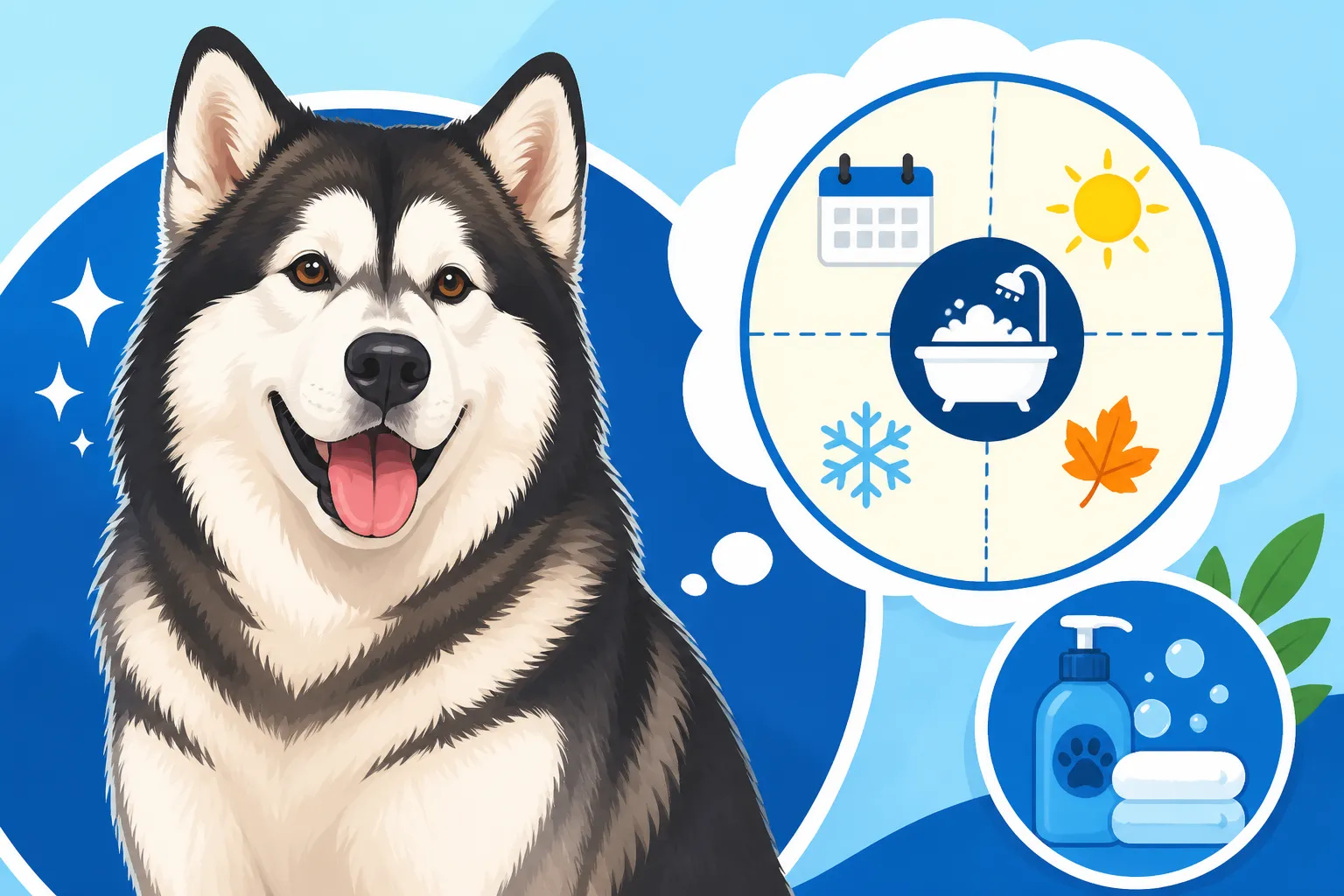
For most Alaskan Malamutes, a full wet bath is a fairly rare event, often only necessary a few times a year. Some owners find that once every three to six months is perfectly adequate, while others might stretch it to once a year if their dog isn't getting particularly dirty. The idea is to intervene only when absolutely necessary, allowing the coat's natural mechanisms to do their job. Frequent bathing strips those protective oils, making the coat less effective and potentially causing skin issues.
Instead of thinking in terms of a strict schedule, think of bathing as a reactive measure rather than a preventative one. Is your Malamute visibly dirty? Does he smell genuinely unpleasant, rather than just having a faint "doggy" odor? Has he rolled in something truly offensive? These are the cues, not the calendar. Contrast this with breeds like poodles or schnauzers who might need grooming every few weeks; the Malamute is a low-bath, high-brushing breed.
Factors That Dictate Bathing Frequency
While the general rule is "less is more," there are definitely variables that can shift the bathing frequency for your individual Malamute. Every dog, and every living situation, is a little different, and what works for one might not be ideal for another.
For instance, a Malamute that spends its days lounging on the couch and only goes out for leashed walks on pavement will naturally get less dirty than a working Malamute that is frequently pulling a sled through varied terrain, or one that has free run of a large, muddy backyard. If your dog loves to dig, roll in puddles, or explore dense undergrowth, you'll likely find yourself needing to clean them more often. Environment plays a huge role; living near a dusty construction site is different from a pristine suburban park.
Beyond dirt, skin health is a major factor. If your Malamute is prone to allergies, hot spots, or specific skin conditions like What Zinc Responsive Dermatosis Looks Like on a Malamute, your veterinarian might prescribe medicated baths on a more frequent schedule. In these cases, the bath is part of a therapeutic treatment, not just a cleanliness routine. Always follow your vet's advice for medicated baths, as they are specifically formulated to address underlying issues without excessively drying the skin or stripping oils. Similarly, if your Malamute has a Whether a Malamute's Zinc Problem Is Diet or Genetics and requires a special shampoo, those baths would be prescribed.
| Factor | Impact on Bathing Frequency |
|---|---|
| Lifestyle | |
| Couch Potato | Less frequent (1-2 times/year) |
| Active/Working Dog | Potentially more frequent (2-4 times/year, or as needed) |
| Show Dog | More frequent, but specialized products & techniques |
| Environment | |
| Urban/Paved | Less frequent (less access to mud/dirt) |
| Rural/Wooded | More frequent (mud, burrs, animal droppings) |
| Dusty/Dry Climate | May need more brushing, occasional bath for dust |
| Coat & Skin Health | |
| Healthy, Normal Skin | Minimal bathing to preserve oils |
| Allergies/Skin Conditions | Vet-prescribed medicated baths, as needed |
| Excessive Shedding | Brushing is primary, bath can help loosen undercoat |
| Odor/Dirt Level | |
| Mild Doggy Odor | Often handled by brushing, spot cleaning |
| Strong Odor/Visible Dirt | Indicates need for a full bath |
When a Bath Truly Becomes Necessary
Despite the general recommendation for infrequent bathing, there are definite times when putting your Malamute in the tub (or, more likely, a professional grooming tub or outdoor wash station) is absolutely unavoidable. These are the moments when letting nature take its course simply isn't an option.
The Unmistakable Funk: Odor and Excessive Dirt
You know it when you smell it. That distinct, undeniable aroma that transcends "dog smell" and ventures into "something died and my dog rolled in it" territory. Perhaps they found a particularly enticing patch of mud, or decided that a deceased critter was the perfect cologne. When your Malamute comes back from an outdoor adventure resembling a walking mud pie, or emitting an odor that clears a room, it's time for a bath. This isn't about cosmetic cleanliness; it's about hygiene and your own sanity.
Even if there's no specific "incident," sometimes persistent dirt can build up, particularly on legs, belly, and under the tail. While their coat is designed to shed dirt, some things just stick. If brushing isn't cutting it, and you're finding mud embedded deep in the undercoat, a thorough bath is the most effective way to restore cleanliness. Remember, the goal isn't to make them smell like a field of flowers, but to remove genuinely offensive odors and grime that could irritate their skin if left too long.
Addressing Skin Conditions with Medicated Baths
This is a completely different scenario from routine cleaning. If your Malamute is diagnosed with a specific skin condition by a veterinarian, such as bacterial or yeast infections, seborrhea, or even the aforementioned zinc responsive dermatosis, medicated shampoos and specific bathing protocols may become a regular part of their treatment plan. These baths are not about getting clean in the traditional sense, but rather about delivering therapeutic agents to the skin and coat.
In these instances, your vet will provide precise instructions on the type of shampoo to use, how frequently to bathe, and how long the shampoo needs to remain on the coat before rinsing. It's crucial to follow these guidelines carefully, as the effectiveness of the treatment depends on it. These specialized shampoos are formulated to address the underlying issue while minimizing harsh effects on the coat and skin, unlike general-purpose dog shampoos. Always confirm with your vet if a specific shampoo Which Shampoo Suits a Malamute's Zinc Prone Skin is best for any diagnosed condition.
The Alaskan Malamute Bathing Process: A Mini-Odyssey
Bathing an Alaskan Malamute isn't a quick splash-and-dash affair. It's an undertaking, a commitment, and if you're not prepared, it can feel like a wrestling match in a swamp. Their dense coat, combined with their strong will, means you need a strategy and the right tools.
Pre-Bath Prep: Brushing is Non-Negotiable
Before a single drop of water touches your Malamute, you must commit to a thorough brushing session. This isn't optional; it's absolutely critical. Their double coat can easily form mats and tangles, especially when wet. Trying to wash a matted coat will only tighten the mats, making them incredibly difficult, if not impossible, to remove without resorting to shaving, which is a big no-no for a Malamute.
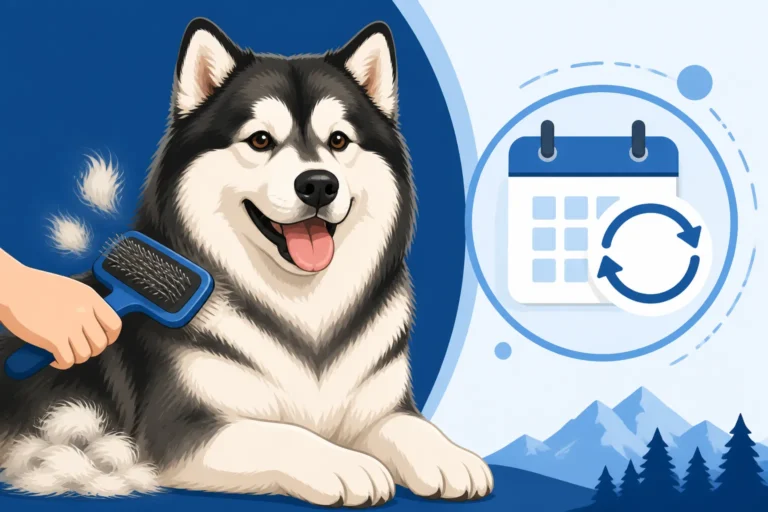
Use a sturdy slicker brush and an undercoat rake to systematically work through their entire coat, removing as much loose hair and any existing tangles as possible. Pay special attention to areas prone to matting: behind the ears, under the armpits, around the tail, and their "pants" (the fur on their hind legs). The goal is to get rid of every bit of loose undercoat. You'll be amazed at the sheer volume of fur that comes off – enough to build another small Malamute, probably! This process is essential because water will only exacerbate tangles. This kind of preparation is especially important during The Malamute Coat Blow That Fills a Vacuum in an Afternoon, when they shed profusely.
Choosing the Right Shampoo and Conditioner
Once you've brushed your Malamute extensively, it's time to choose your cleaning products. Avoid harsh, detergent-based shampoos designed for human use, as these can strip the natural oils and irritate your dog's skin. Look for a high-quality, pH-balanced dog shampoo that is specifically formulated for sensitive skin or double coats. Hypoallergenic or oatmeal-based shampoos are often good choices. You can find excellent options on platforms like Chewy or Amazon, with many brands offering products tailored for different coat types and sensitivities.
A good conditioner is also a wise investment, especially for Malamutes. It helps to restore moisture to the skin and coat, makes the fur softer and more manageable, and can aid in detangling post-bath. Apply it thoroughly after shampooing, ensuring it penetrates through the dense guard hairs to the undercoat, and let it sit for a few minutes before rinsing. Look for conditioners that are leave-in friendly or easily rinsed out, but always follow the product's directions.
The Washing and Rinsing Marathon
Getting the shampoo all the way through a Malamute's dense coat to the skin is a challenge. You'll need plenty of shampoo, warm water, and patience. Start by thoroughly wetting the entire dog, making sure the water penetrates to the skin. This can take longer than you think, as their guard hairs are so water-repellent. A hose with a spray nozzle or a strong showerhead can be helpful.
Apply shampoo and work it into a lather, massaging it deeply into the coat. Don't be shy; you'll need to really get your hands in there. Pay attention to all areas, including the belly, legs, and under the tail. Once you're confident the shampoo has reached every inch of skin and fur, the rinsing begins. This is arguably the most crucial step and where many owners fall short. You must rinse, and then rinse again, and then rinse some more. Any shampoo residue left behind can cause skin irritation, itching, dryness, and lead to flakes or even infections. Keep rinsing until the water running off your Malamute is completely clear and you can no longer feel any slipperiness in the fur.
The Drying Saga: Why It Takes Forever
Once the rinsing is complete, the true test of patience begins: drying. Because of their incredibly thick double coat, Malamutes take an exceptionally long time to air dry. Allowing them to air dry completely, especially indoors, can take many hours, potentially even a full day. During this time, the damp undercoat creates a breeding ground for bacteria and yeast, which can lead to skin issues like hot spots or a musty odor.
This is why a high-velocity force dryer is an absolute game-changer, and almost a necessity, for Malamute owners. These powerful dryers blow air at high speed, pushing water out of the coat and separating the fur, significantly reducing drying time. They also help to blow out any remaining loose undercoat that you might have missed during pre-bath brushing. If you don't have a force dryer, use multiple absorbent towels and squeeze the water out of the coat as much as possible. You can then use a regular hairdryer on a cool or low-heat setting, making sure to keep it moving to prevent skin burns. Never use high heat on your Malamute's skin. A good force dryer not only speeds up the process but also contributes to coat health by ensuring thorough drying, as discussed in What a Force Dryer Does for a Malamute's Coat Blow.
Alternatives to Full Baths for Maintaining Cleanliness
Since full wet baths are an infrequent necessity for Alaskan Malamutes, it's important to have a repertoire of alternative grooming strategies to keep them looking and smelling fresh between major wash days. These methods are less stressful for both you and your dog and often much more efficient.
Spot Cleaning and Dry Shampoos
For localized messes – perhaps a muddy paw print on their side, a questionable smear on their rump, or a bit of drool near their muzzle – spot cleaning is your best friend. Instead of subjecting your entire Malamute to a full bath, simply target the dirty area. Use a damp cloth with a mild, dog-safe shampoo diluted in water, or a specialized pet stain remover spray. Gently work it into the dirty spot, rinse thoroughly with another damp cloth, and then dry the area with a towel.
Dry shampoos, available in powder or spray form, are also fantastic for quick deodorizing and refreshing. You can find these easily on Chewy or Amazon. Sprinkle or spray the product onto your Malamute's coat, allow it to sit for a few minutes (as per product instructions), and then brush it out. The dry shampoo absorbs excess oils and odors, leaving the coat feeling cleaner and smelling fresher. This is particularly useful if your dog has a mild "doggy" smell but isn't overtly dirty.
Regular Brushing: The Ultimate Grooming Tool
This cannot be emphasized enough: regular, thorough brushing is the cornerstone of Malamute coat care and your primary defense against dirt and odor. Daily or at least weekly brushing, using a good undercoat rake and slicker brush, achieves several things: it removes loose hair (preventing mats and reducing shedding in your home), distributes the natural oils evenly across the coat (enhancing its protective qualities), and physically removes dirt, dust, and debris.
Think of brushing as a dry cleaning for their coat. It helps to "air out" the undercoat, prevents compacted fur, and stimulates the skin. During seasonal How Much Undercoat Comes Off an Alaskan Malamute shedding periods, you'll need to brush even more frequently to keep up with the sheer volume of dead fur. A well-brushed Malamute will naturally look and smell cleaner, often eliminating the need for a wet bath except for the most egregious messes. You can learn more about this essential routine in How Often an Alaskan Malamute Needs Brushing.
Paw Wipes and Grooming Wipes
For everyday clean-ups after walks, especially in damp or dusty conditions, pet-specific grooming wipes are incredibly convenient. Keep a pack by the door and wipe down your Malamute's paws, legs, and even their belly if they've picked up some grime. These wipes are typically moistened with gentle cleansers and deodorizers, making them perfect for removing surface dirt without affecting the coat's natural oils.
They're also great for cleaning faces, ears (the outer pinna, not inside the ear canal), and around the eyes if there's any discharge. Just ensure they are formulated for pets and free of harsh chemicals or strong perfumes that could cause irritation. While they don't replace brushing or full baths, they're excellent for maintaining a general level of cleanliness and keeping your home tidier.
Common Bathing Mistakes to Avoid
When it comes to bathing your Alaskan Malamute, there are several pitfalls that even well-meaning owners can fall into. Avoiding these mistakes is crucial for preserving the health and integrity of your dog's magnificent coat and skin.
Over-Bathing and Stripping Natural Oils
The most common mistake is bathing too frequently. As we've discussed, the Malamute's coat relies on natural oils for its waterproofing and insulating properties. Each time you use shampoo, you run the risk of stripping these essential oils. If you bathe your Malamute more often than truly necessary – say, once a month or every few weeks – you'll likely see adverse effects.
The consequences of over-bathing can include dry, flaky, and itchy skin, which can lead to excessive scratching and potential secondary infections. Their coat might lose its natural sheen, becoming dull and brittle. It also compromises their natural protection against the elements, making them more susceptible to cold and damp. Remember, a Malamute isn't meant to smell like perfume; a healthy Malamute will have a clean, natural scent. Think about it: How Rarely an Alaskan Malamute Needs a Bath is a testament to their incredible design.
Not Rinsing Thoroughly Enough
This mistake often goes hand-in-hand with the dense Malamute coat. It's incredibly difficult to rinse all the shampoo out of their thick undercoat, and many owners simply don't spend enough time on this critical step. Any shampoo residue left behind can become a significant irritant to the skin.
Residue can cause persistent itching, leading your Malamute to scratch, lick, and chew at themselves, potentially creating raw spots or hot spots. It can also dry out the skin and coat, leading to dandruff and a dull appearance. In severe cases, it can trap moisture and create a breeding ground for bacterial or yeast infections. Always assume you need to rinse for at least twice as long as you think you do, focusing on getting every last trace of suds and slipperiness out of that deep fur.
Shaving Your Malamute (Never, Ever!)
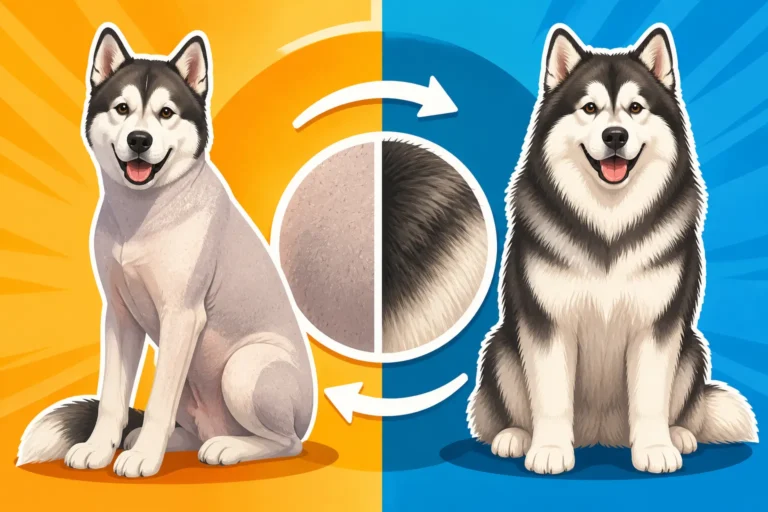
This is perhaps the most egregious and harmful mistake an owner can make. While it might seem logical to shave a Malamute in summer to help them stay cool, or to deal with excessive shedding, it is unequivocally detrimental to their health and coat. Why an Alaskan Malamute Must Never Be Shaved is a topic that can't be stressed enough.
Shaving a Malamute's double coat destroys its natural ability to regulate temperature. The double coat acts as insulation against both cold and heat. In summer, it creates a protective barrier that traps cooler air against the body and shields the skin from harmful UV rays. When you shave it off, you remove this natural air conditioning system, making them more susceptible to overheating and severe sunburn. The guard hairs, once cut, may also not grow back correctly, potentially leading to a "wool-like" texture that mats easily, offers poor protection, and compromises the coat's natural function indefinitely. Plus, it can take months, sometimes years, for the coat to fully recover, if it ever does. Instead of shaving, focus on meticulous brushing to remove the dead undercoat and provide plenty of shade and water.
Disclaimer
This article is for general informational purposes only and does not constitute professional advice. Laws, prices and regulations vary by location and change over time. Consult a qualified professional for guidance on your specific situation.