Whether a Malamute Needs More Fat in Winter
It’s a common question that swirls through the minds of Alaskan Malamute owners as soon as the leaves start to turn and the first frost nips at the air: does my Malamute need more fat in winter? You instinctively feel like the answer should be a resounding "yes" – after all, these majestic dogs are built for arctic conditions! But the truth, as with most things canine nutrition, is a little more nuanced than simply piling on the calories. This guide will walk you through the specifics of adjusting your Malamute's diet for colder weather, focusing on their unique physiology and individual needs to ensure they stay healthy and happy all winter long.
The Alaskan Malamute's Unique Metabolism and Winter Needs
Your Malamute isn't just any dog; they are a marvel of evolutionary engineering, built for sustained work in brutally cold environments. Understanding their core metabolism is the first step to properly adjusting their winter diet.
Built for the Cold: Understanding Their Ancestral Diet
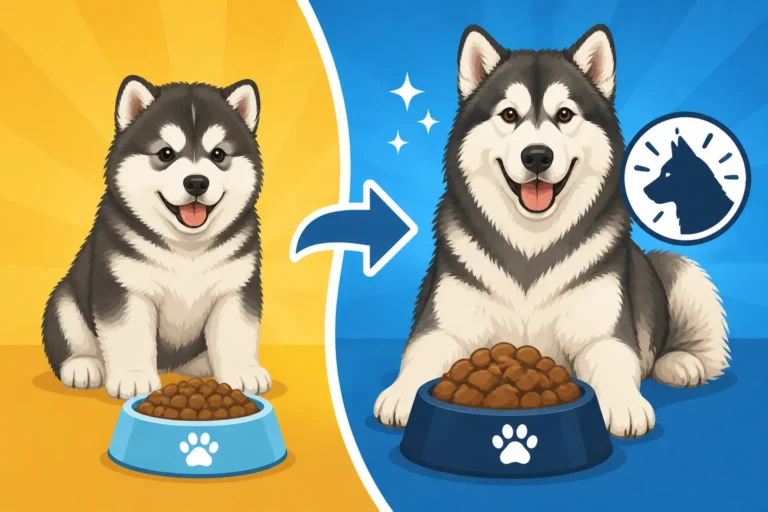
Imagine the ancient Mahlemut people of Alaska, their lives intertwined with these powerful dogs. Their Malamutes weren't feasting on unlimited kibble; they were working hard, often on sparse rations, pulling heavy loads for long distances. Their bodies adapted to be incredibly efficient, capable of extracting maximum energy from what they ate and storing it effectively. This isn't a breed that evolved to burn through calories quickly like a high-strung racing dog. Instead, their metabolism is designed for endurance, making them remarkably efficient eaters. You might even find yourself wondering Why an Alaskan Malamute Eats Less Than Expected compared to other breeds of similar size.
This efficient metabolism means they don't necessarily need a massive surge in food quantity just because it's cold. Instead, it’s about adjusting the quality and density of the calories, especially if their activity level changes. A sedentary Malamute living in a climate-controlled home won't have the same winter nutritional demands as one that's out mushing through snowdrifts for hours every day.
The Energy Demands of Staying Warm
While your Malamute has that incredible double coat – a dense, oily undercoat and a coarser guard coat – that helps them shrug off most cold temperatures, staying warm still requires energy. In sustained cold, their body has to work a little harder to maintain core temperature. This is where dietary fat comes into play. Fat is a much denser source of energy than protein or carbohydrates, providing more calories per gram. For a Malamute that truly lives in the cold, or one that is actively engaged in strenuous winter activities like sledding or weight pulling, that extra caloric burn for warmth combined with physical exertion means their energy requirements will definitely increase.
Think about the difference between a brisk walk around the block and an hour-long romp in knee-deep snow. The latter will naturally burn more calories and require more fuel to recover and stay warm. For a working Malamute, or one that spends significant time outdoors in genuinely freezing temperatures, a dietary adjustment is often beneficial. However, for the typical family pet that enjoys shorter walks and spends most of its time indoors, the increase might be far more subtle, if needed at all. It's really about matching the fuel to the furnace and the work it's doing.
Fat as Fuel: Why It Matters for Malamutes in Winter
When we talk about increasing calories for winter, particularly for a breed like the Malamute, fat quickly becomes the star of the show. But let's break down why it's so important and how to approach it.
The Role of Fat in a Malamute's Diet
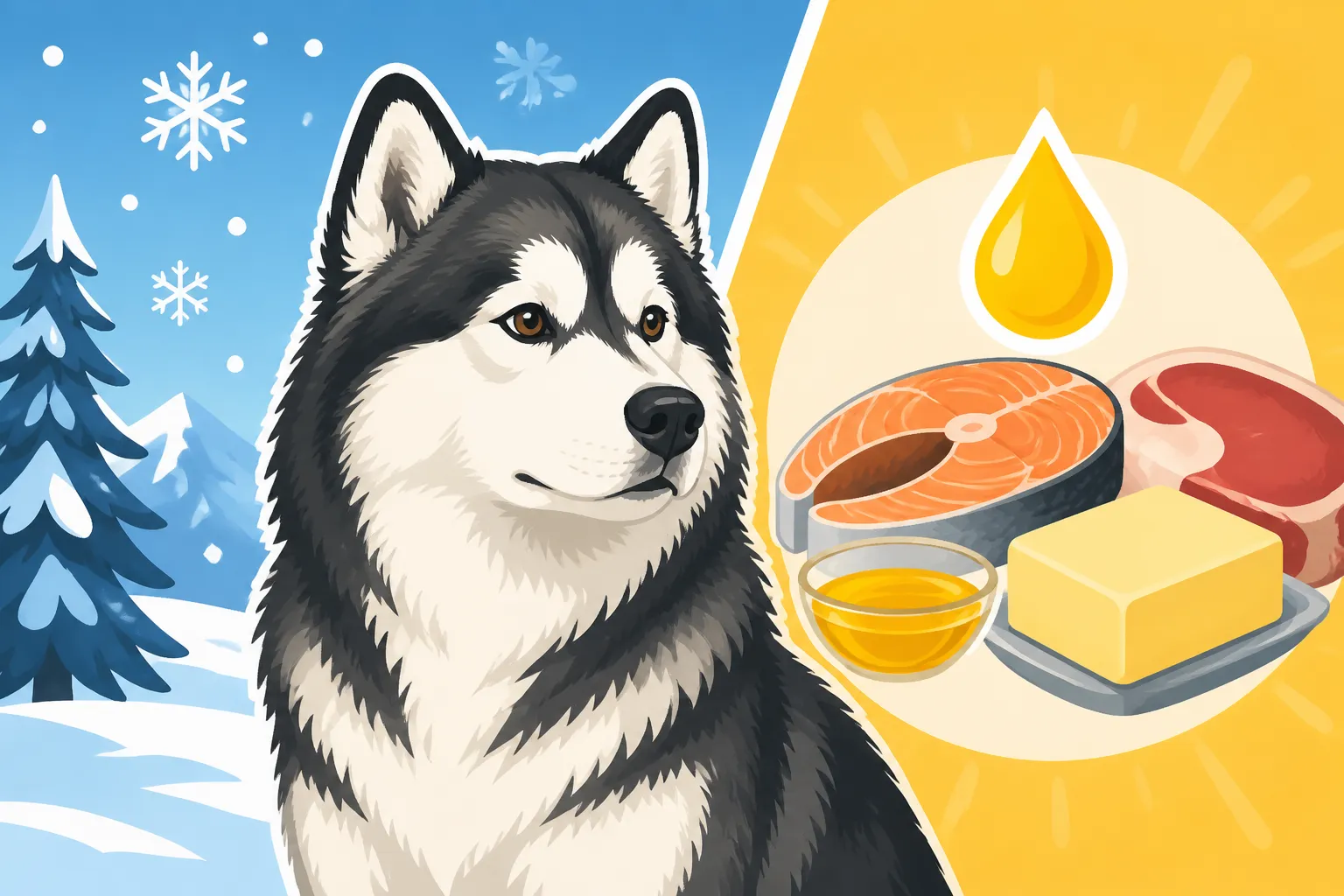
Fat isn't just about weight gain; it's a vital nutrient that serves multiple critical roles in your Malamute's body. First and foremost, as mentioned, it’s a powerhouse of energy. Per gram, fat provides roughly twice the calories of protein or carbohydrates, making it an incredibly efficient fuel source for sustained activity and maintaining body heat. For a Malamute, whose ancestors relied on long-distance travel and endurance, this energy density is paramount.
Beyond pure energy, dietary fats are essential for absorbing fat-soluble vitamins (A, D, E, K), maintaining healthy skin and a lustrous coat, and supporting cellular function. They also contribute to the palatability of food, which can be a bonus for picky eaters. For a Malamute spending more time outdoors in the harsh winter air, the healthy fats in their diet contribute to the integrity of their skin barrier, which is crucial for overall health, not just appearance.
Assessing Activity Levels and Environmental Factors
This is where the blanket statement of "more fat in winter" gets tricky. The biggest factor dictating whether your Malamute needs more fat isn't just the calendar, but their activity level and the actual environmental conditions. A Malamute enjoying short, leisurely walks and then cuddling on the couch in a heated home needs a very different dietary approach than one that's training for a weight pull competition in sub-zero temperatures.
Consider these scenarios:
- The Couch Potato Malamute: If your Malamute's winter routine consists of shorter walks due to weather and more time indoors, they likely don't need a significant caloric increase. In fact, increasing their fat intake without a corresponding increase in exercise could lead to unhealthy weight gain. Taking Weight Off a Malamute That Is Not Working can be a challenge, especially with their dense coat masking early signs of excess weight.
- The Weekend Warrior Malamute: For a Malamute who enjoys vigorous weekend hikes, snowshoeing with you, or regular bursts of pulling, a moderate increase in fat might be appropriate on those active days. The extra energy will fuel their adventures and help with recovery.
- The Working Malamute: This is where increased fat truly shines. If your Malamute is regularly engaged in activities like skijoring, serious sledding, or daily long-distance freighting, their caloric needs skyrocket. Their body is constantly burning fuel to sustain activity and combat the cold. For these dogs, a significant boost in high-quality fats is essential. This is precisely the kind of situation where you might consider Whether a Freight Malamute Needs a Performance Formula.
Monitoring your dog’s weight and energy levels is crucial. You want them to maintain a lean, athletic physique, not pack on unnecessary pounds. Pay attention to how they look and feel.
Practical Adjustments to Your Malamute's Winter Diet
Making changes to your Malamute's diet requires a thoughtful and gradual approach. You don't want to upset their digestive system or inadvertently cause health issues.
Gradual Increases and Monitoring Your Malamute's Condition
When you decide to increase fat or calorie intake, do it slowly. A sudden change can lead to digestive upset, including diarrhea or vomiting. Start by adding a small amount of a high-quality fat source or gradually transitioning to a food with a slightly higher fat content over several days to a week.
More importantly, become a detective about your Malamute's body condition. Their thick double coat can be deceptive, making it hard to see weight changes. You might look at your Malamute and think they're doing great, but under all that fluff, they could be gaining weight. This is where learning How to Spot a Heavy Malamute Under Its Coat becomes invaluable. Regularly run your hands over their rib cage. You should be able to feel their ribs without seeing them, feeling like the back of your hand rather than your knuckles (too thin) or your palm (too heavy). You should also be able to feel a clear waistline tuck when viewed from above and from the side, even if it's subtle beneath their fur. If you notice them getting a bit "barrel-chested" or struggling to feel those ribs, it’s a sign to dial back the fat.
High-Quality Fat Sources and Supplementation
The type of fat you add matters. You want healthy, digestible fats, not fillers. Many high-quality commercial dog foods already have a good balance of fats. If you're looking to boost the fat content, consider options like:
- Performance Dog Foods: Many brands, like those found on Chewy, offer "performance" or "active dog" formulas that naturally contain higher fat percentages. Look for ingredients like chicken fat, salmon oil, or flaxseed oil.
- Added Animal Fats: Small amounts of cooked, lean meat trimmings (without excessive seasoning), or adding a tablespoon or two of quality fat from cooking (like beef fat or bacon grease sparingly and cooled) can be an option for highly active dogs. Be very careful with this, as too much can cause pancreatitis.
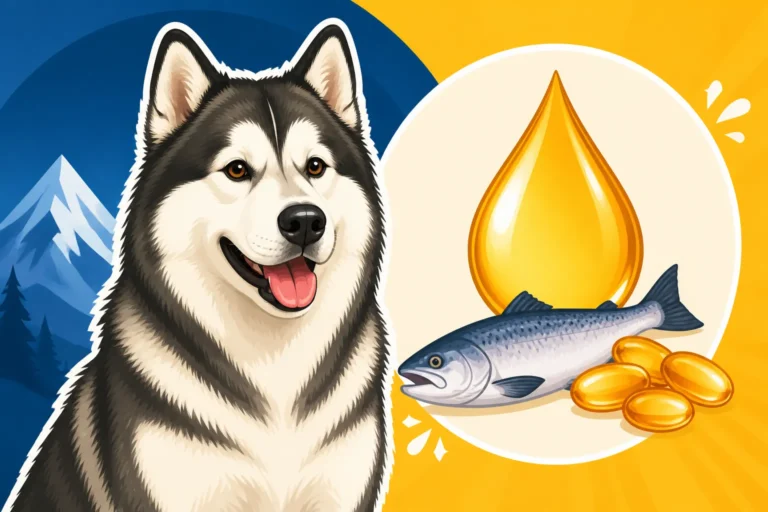
- Fish Oil: This is often a great choice as a supplement. Fish oils, rich in Omega-3 fatty acids, not only provide healthy fats but also support skin, coat, and joint health. Brands like Nordic Naturals or Zesty Paws, often available on Amazon, are popular choices. A daily dose of fish oil can contribute to their overall fat intake without overloading them on processed fats. You might wonder Whether an Alaskan Malamute Needs Fish Oil, and for winter coat and skin health, it can be a fantastic addition.
- Fresh Food Options: Services like Ollie offer fresh, human-grade food that can be customized. If you're concerned about processed fats, a fresh food diet might provide more natural, easily digestible fat sources.
Remember, the goal is quality over quantity, especially for dogs who aren't engaging in extreme activity. Always check with your vet before making significant changes or adding new supplements, especially if your Malamute has any pre-existing health conditions.
Balancing Fat with Other Nutrients
While fat is crucial, it's not the only thing your Malamute needs. A balanced diet remains paramount. Increasing fat shouldn't come at the expense of adequate protein, which is essential for muscle maintenance and repair, or carbohydrates, which provide quick energy for bursts of activity.
Think of it as adjusting the ratios within a complete nutritional profile. If you're switching to a higher-fat performance food, ensure it still offers a robust protein content. If you're adding fat supplements, make sure their base diet is already well-balanced. Overloading on fat without sufficient other nutrients can lead to deficiencies elsewhere or make their diet less balanced overall. Your Malamute still needs all the vitamins and minerals that come from a varied and complete diet.
For example, when considering What an Alaskan Malamute Needs Every Day, it's not just about calories. They need a full spectrum of nutrients to support their immune system, joint health, and overall vitality, especially when facing the rigors of winter.
Common Misconceptions and What to Avoid
It’s easy to fall into traps when it comes to feeding our beloved Malamutes in winter. Let’s debunk some common myths and ensure you avoid potential pitfalls.
The "More is Better" Trap
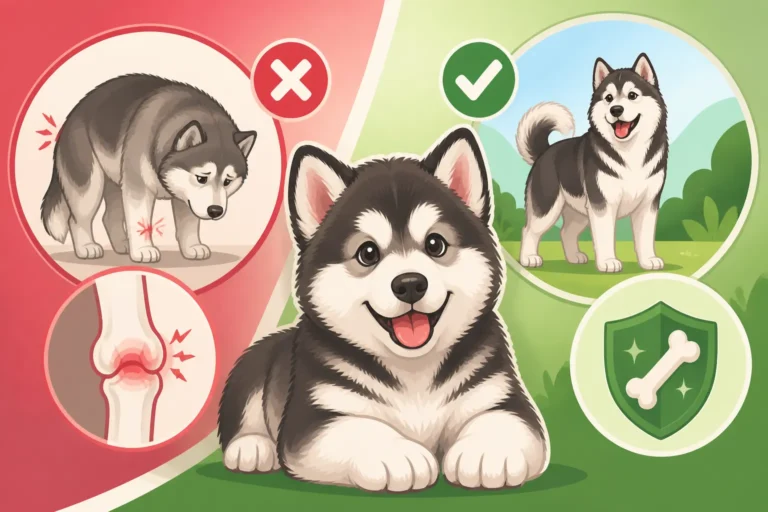
The biggest mistake owners make is assuming that because it's cold, their Malamute automatically needs a lot more food, or simply more fat. This "more is better" mentality can quickly lead to an overweight dog, which brings its own host of problems. An overweight Malamute is at higher risk for joint issues, heart strain, diabetes, and can even be less tolerant to heat in warmer months because that extra insulation works against them. Whether an Overweight Malamute Overheats Faster is a very real concern.
Unless your Malamute is actively working for hours in freezing temperatures, a slight adjustment to their regular, high-quality food, or a targeted supplement, is often all that's needed. For many pet Malamutes, simply ensuring they maintain a healthy weight and continue their regular exercise routine is more important than a drastic dietary overhaul. Remember their efficient metabolism – they don't need as much food as you might think. The Efficient Metabolism That Surprises Every New Malamute Owner often means they can gain weight even on seemingly moderate portions if their activity drops.
Not All Fats Are Created Equal
Just as you wouldn't eat a diet solely of fast food and expect to be healthy, not all fats are beneficial for your Malamute. Cheap dog foods often rely on rendered fats of questionable origin or excessive amounts of less beneficial saturated fats. These can be harder to digest and offer less nutritional value.
When selecting a food or supplement, look for clearly named fat sources like chicken fat, beef fat, salmon oil, flaxseed oil, or sunflower oil. Avoid ambiguous terms like "animal fat" unless the brand explicitly states its quality and origin. If you’re considering fresh food, services like Ollie are transparent about their ingredients, ensuring your Malamute gets high-quality, digestible fats. For those buying kibble, take the time to read ingredient lists carefully. A truly high-quality kibble, often found on platforms like Chewy, will proudly list its fat sources. Poor quality fats can not only be hard on the digestive system but also fail to provide the essential fatty acids needed for skin, coat, and overall health.
| Activity Level | Winter Diet Recommendation | Key Considerations |
|---|---|---|
| Indoor Pet (Low Activity) | Maintain current high-quality diet; minimal or no increase in fat. | Monitor weight carefully. Ensure they still get regular, even if shorter, walks. Focus on feeling for ribs. |
| Moderate Activity (Regular walks/play) | Slight increase in overall calories/fat (e.g., small portion increase or fish oil supplement). | Watch for signs of weight gain. Adjust based on actual outdoor time and temperature. A good quality kibble, perhaps with an added Omega-3 supplement, might suffice. |
| Active/Working (Sledding, weight pull, long hikes) | Significant increase in fat/calories; consider performance formulas or targeted fat supplements. | Crucial for energy, warmth, and recovery. Monitor energy levels and muscle mass. May need a "performance" or "high-energy" kibble. Brands on Amazon and Chewy often have these options. |
| Senior Malamutes | Consult vet; often need easily digestible fats and joint support, not necessarily more fat. | Metabolism slows with age. Focus on quality over quantity. Keep them warm and comfortable. Caring for an Old Alaskan Malamute involves more than just diet. |
Ultimately, the decision of whether your Malamute needs more fat in winter boils down to individual assessment. By understanding their unique physiology, accurately gauging their activity level, and making informed choices about the quality of their food, you can ensure your magnificent Malamute thrives through the coldest months, whether they're pulling a sled or just warming your feet by the fire.
Disclaimer
This article is for general informational purposes only and does not constitute professional advice. Laws, prices and regulations vary by location and change over time. Consult a qualified professional for guidance on your specific situation.