Whether an Overweight Malamute Overheats Faster
It’s a heartbreaking sight to see an Alaskan Malamute struggling in the heat, panting excessively, or even collapsing. Many of us worry about our big, beautiful dogs in warmer weather, and a common question that pops up in our Malamute parent circles is whether extra weight makes them even more vulnerable to overheating. This guide will dive deep into why an overweight Malamute absolutely does overheat faster, the science behind it, and practical steps you can take to keep your beloved companion safe and healthy.
The Undeniable Link: Why Extra Weight Means Extra Heat for Your Malamute
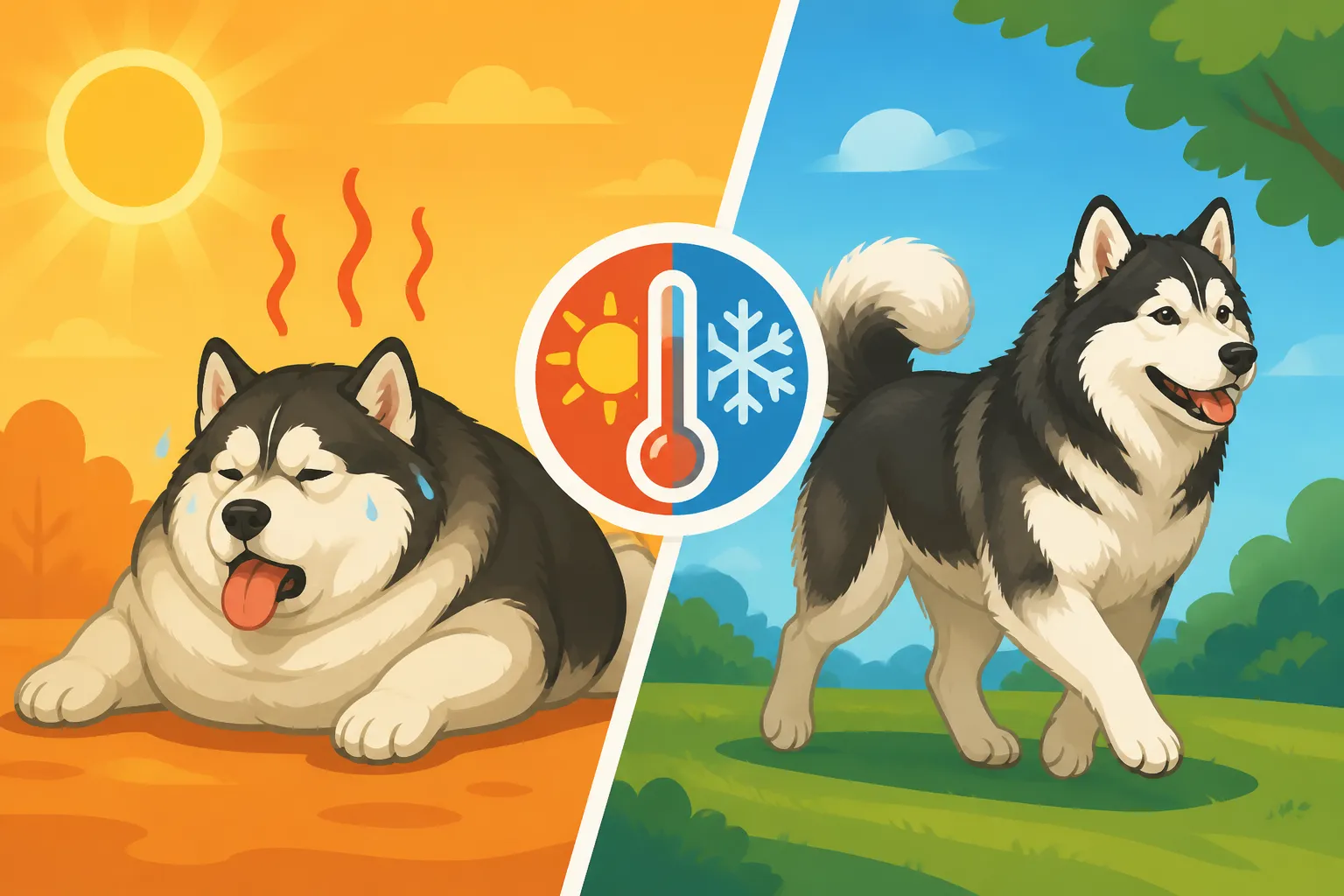
Let's be blunt: if your Alaskan Malamute is carrying extra pounds, they are at a significantly higher risk of overheating than their lean, healthy counterparts. This isn't just an anecdotal observation; it's rooted deeply in their physiology and the very nature of what makes a Malamute, well, a Malamute. These dogs were literally built for the Arctic, designed with layers of insulation to retain heat, not shed it. When you add excess body fat to that equation, you’re creating a perfect storm for heatstroke.
The Malamute's Natural Insulation: A Double-Edged Sword
Think about the Malamute's magnificent coat. It’s dense, double-layered, and incredibly effective at trapping warmth. This was essential for their original role as freighting dogs in the frozen north, protecting them from sub-zero temperatures. Their thick undercoat acts like a thermal blanket, while the coarser guard hairs repel snow and ice. However, in warmer climates or during periods of high activity, this incredible insulation becomes a serious disadvantage. Unlike us, dogs don't sweat efficiently through their skin; they primarily rely on panting to cool down, which involves evaporating moisture from their respiratory tract.
Now, imagine this already highly insulated dog with an additional layer of fat under its skin. This fat isn't just stored energy; it's another thermal barrier. It further impedes the release of heat from their body, making it harder for them to regulate their internal temperature. Even on a moderately warm day, a lean Malamute might be comfortable, but an overweight one will be struggling significantly more. It's like wearing a heavy winter coat, then putting on a second, even thicker coat, and trying to go for a jog in the sun. The body just can't dissipate the heat fast enough.
How Adipose Tissue (Fat) Traps Heat
Adipose tissue, or body fat, is a remarkable insulator. It's fantastic for keeping animals warm in cold environments, but it works against a Malamute trying to cool down. When your Malamute has extra fat deposits, especially around their core, it acts as an internal blanket, trapping metabolic heat that their body is constantly producing. This means their core temperature starts higher and rises faster during exertion or in warm conditions.
Consider a hot summer day. A healthy-weight Malamute's body can work to push heat out through its skin and respiration. But for an overweight Malamute, that extra layer of fat impedes this process. The heat produced by their muscles during even light activity, combined with ambient heat, gets trapped. Their cardiovascular system has to work harder to circulate blood, further increasing their internal temperature. This creates a vicious cycle where the body struggles to keep cool, increasing the risk of overheating. It’s crucial to understand this connection, especially if you live in an area that experiences significant warm weather. Summer Is the Season That Kills Alaskan Malamutes is a stark reminder of these dangers.
Understanding the Physiological Impact of Obesity on Malamute Thermoregulation
Beyond the insulating effect of fat, being overweight places immense strain on a Malamute's entire physiological system, directly impairing its ability to manage heat. It’s not just about looking chunky; it’s about how every bodily function is compromised, making them less resilient to temperature stress.
Increased Metabolic Load and Organ Strain
An overweight Malamute's body is constantly under a higher metabolic load. This means that even at rest, their heart, lungs, and other organs are working harder to support the extra body mass. Their heart has to pump blood through more tissue, requiring more effort and generating more internal heat. Their lungs might not be able to expand as fully, leading to less efficient oxygen exchange and heat release through panting. This chronic strain reduces their physiological reserve, meaning they have less capacity to cope when environmental temperatures rise or they engage in physical activity.
When a lean Malamute goes for a walk, its body can efficiently dissipate the heat generated by muscle activity. An overweight Malamute, however, starts with a higher baseline workload. The additional effort required to move its heavier body, combined with the decreased efficiency of its cooling mechanisms, means its internal temperature skyrockets much faster. This isn't just uncomfortable; it pushes their organs closer to their limits, making them far more susceptible to the catastrophic effects of heatstroke, where organs begin to shut down.
Restricted Airway and Breathing Challenges
Some overweight Malamutes can develop fat deposits around their neck and chest area, which can subtly restrict their airways. While Malamutes aren't typically a brachycephalic (short-nosed) breed, excess fat can still make breathing more labored. Panting is a dog's primary method of cooling, and if their breathing is already compromised, their ability to efficiently move air and evaporate moisture from their lungs and mouth is severely diminished.
Imagine trying to cool yourself down by breathing through a partially blocked straw. That's a bit what it can be like for an overweight Malamute with compromised airways. They have to work harder to pant effectively, and that extra effort generates even more heat, trapping them in a dangerous loop. This is why you might notice an overweight Malamute panting heavily even after minimal exertion or in temperatures that a fit Malamute would barely notice. This struggle to breathe effectively is a critical factor in their increased risk of overheating. Understanding Signs an Alaskan Malamute Is Too Hot can help you recognize distress signals quickly.
Practical Strategies for Weight Management and Heatstroke Prevention
If you suspect your Malamute is overweight, or you simply want to be proactive about preventing overheating, there are concrete steps you can take. It’s about a holistic approach that combines diet, appropriate exercise, and smart environmental management. We, as Malamute owners, have a deep responsibility to ensure our dogs are kept at a healthy weight to mitigate these risks.
Tailoring Diet for Weight Loss and Maintenance
The first, and arguably most critical, step in preventing overheating in an overweight Malamute is addressing their diet. It's often too easy to overfeed these majestic dogs, especially since The Efficient Metabolism That Surprises Every New Malamute Owner means they don't always need as much food as their size might suggest. Portion control is key. Work with your veterinarian to determine an ideal target weight and calculate a daily caloric intake to achieve gradual, healthy weight loss. Crash diets are not good for any dog, and certainly not for a Malamute.
- High-Quality, Calorie-Controlled Food: Choose a reputable dog food formulated for weight management or senior dogs if appropriate. These often have a higher fiber content to help your Malamute feel full without excess calories. Brands like Orijen, Acana, or even specific veterinary diets available through pet suppliers like Chewy can be excellent choices. Some owners find success with fresh food options like Ollie, which can be precisely portioned and are often very palatable, helping to avoid picky eating during a diet.
- Measure Everything: Don't eyeball it. Use a measuring cup for kibble and account for every treat. Those little extras add up fast!
- Slow Down Mealtime: Consider using a slow feeder bowl or puzzle toy to make mealtime an activity. This can help prevent them from gobbling their food too quickly, which can contribute to bloat, and also makes them feel more satisfied. You can find many options on Amazon.
- Healthy Treats: Swap out high-calorie treats for healthier alternatives like baby carrots, green beans, or small pieces of apple (without seeds).
It can be a bit tricky to really tell if your Malamute is carrying too much weight under all that fluff. Learning How to Spot a Heavy Malamute Under Its Coat is an invaluable skill that all Malamute owners should master.
Safe Exercise in Warm Weather
While diet is paramount, appropriate exercise is also vital for weight loss and overall health. However, this must be approached with extreme caution, especially for an overweight Malamute in warm conditions. You cannot simply take an overweight Malamute out for a long run in the afternoon sun and expect them to be fine; that's a recipe for disaster. Taking Weight Off a Malamute That Is Not Working requires a mindful approach to activity.
- Timing is Everything: Restrict outdoor exercise to the coolest parts of the day – early morning and late evening. Avoid walks, playtime, or any strenuous activity during the midday heat. Why a Malamute Should Not Walk at Midday cannot be stressed enough. Even on cloudy days, pavement can retain heat, burning paw pads and radiating heat back up to your dog.
- Short, Frequent Sessions: Instead of one long walk, opt for several shorter walks throughout the cooler parts of the day. This helps burn calories without overstressing their system.
- Water Activities: If your Malamute enjoys water, swimming can be an excellent, low-impact exercise that helps keep them cool. Just ensure it's a safe, clean body of water and always supervise them closely.
- Listen to Your Dog: Pay close attention to your Malamute's signals. Excessive panting, lagging behind, seeking shade, or stumbling are all signs they are overheating and need to stop immediately. Push them too hard, and you risk heatstroke. This is especially true when working towards Keeping an Alaskan Malamute at a Working Weight.
Environmental Management to Keep Your Malamute Cool
Beyond diet and exercise, proactively managing your Malamute's environment is critical for preventing overheating, especially for those carrying extra weight. These dogs are built for cold, and we need to help them adapt to our often warmer homes.
- Cool Indoors: During warm months, your Malamute needs access to a cool, air-conditioned space. This isn't a luxury; it's a necessity. If you don't have central AC, consider window units, fans, or even a dedicated cool room. The Temperature at Which a Malamute Should Stay Indoors is a topic many owners grapple with, but ultimately, comfort for a Malamute in heat means cool air.
- Cooling Products: Invest in cooling mats, elevated cots (which allow air circulation underneath), or even a small kiddie pool with cool water for them to lounge in outdoors. There are also cooling vests and bandanas available, often made with evaporative materials, which can be found on sites like Amazon. Always ensure these products are safe and don't restrict breathing.
- Hydration: Always provide fresh, cool water. Add ice cubes to their water bowl to keep it appealing. Multiple water bowls around the house and yard ensure easy access.
- No Cars: Never, ever leave your Malamute in a car, even for a few minutes with the windows cracked. The temperature inside a car can rise to deadly levels incredibly quickly, regardless of the outside temperature.
- Grooming: While you should never shave a Malamute (their coat actually helps insulate them from heat as well as cold, and protects their skin from sunburn), regular brushing is essential to remove loose undercoat. A deshedding tool can help thin out their insulating layer, allowing better air circulation. This is especially important during their seasonal The Malamute Coat Blow That Fills a Vacuum in an Afternoon.
Long-Term Health Risks Beyond Overheating
The immediate danger of overheating is severe, but carrying excess weight also predisposes your Malamute to a host of other serious health issues over their lifespan. It's a compounding problem, where one issue leads to another, diminishing their quality of life and potentially shortening it.
Joint Stress and Mobility Issues
Alaskan Malamutes are a large, powerful breed, and their joints, particularly hips and elbows, already bear a significant load. Conditions like hip and elbow dysplasia are unfortunately common in the breed. When you add extra weight, you multiply the stress on these joints. Every step, every jump, every movement for an overweight Malamute places undue strain on their cartilage and bones, accelerating the onset and progression of arthritis.
An overweight Malamute might move less, not because they are lazy, but because they are in pain. This reduced activity then makes it even harder to lose weight, creating a frustrating cycle. It can lead to a decreased willingness to engage in the activities they were bred for, like pulling or long walks, which are so essential for their mental and physical well-being. Over time, this can severely impact their mobility, requiring pain management medications or even complex surgeries. Owners need to be mindful of What an Alaskan Malamute Needs Every Day to stay healthy and active.
Compounding Health Problems and Lifespan
Obesity in Malamutes is a gateway to a myriad of other health problems. It's not just about joint issues; it significantly increases the risk of metabolic diseases, cardiovascular strain, and even certain types of cancer. The extra fat tissue itself is metabolically active, releasing hormones and inflammatory compounds that can negatively impact the entire body.
An overweight Malamute is more likely to develop:
- Diabetes: The body's ability to regulate blood sugar can be impaired.
- Heart Disease: The heart works harder, leading to enlargement and eventual failure.
- Respiratory Problems: As mentioned, fat around the chest and neck can make breathing difficult, especially when exercising or in heat.
- Skin Issues: Skin folds can develop, trapping moisture and leading to infections (pyoderma), which can be uncomfortable and challenging to treat under a dense coat.
- Decreased Immune Function: Chronic inflammation associated with obesity can weaken the immune system.
Ultimately, carrying excess weight doesn't just make your Malamute more prone to overheating; it chips away at their overall health, vitality, and ultimately, their lifespan. A commitment to maintaining a healthy weight through proper diet, like understanding How Much an Adult Alaskan Malamute Should Eat, and appropriate exercise is one of the most loving and impactful things you can do for your majestic companion.
Disclaimer
This article is for general informational purposes only and does not constitute professional advice. Laws, prices and regulations vary by location and change over time. Consult a qualified professional for guidance on your specific situation.