Whether an Alaskan Malamute’s Pads Crack in Winter
The harsh bite of winter can bring a special set of worries for those of us who share our lives with an Alaskan Malamute. We know these magnificent dogs thrive in the cold, their thick coats making them seem impervious to the elements, but many owners still find themselves wondering about the often-overlooked yet incredibly vital part of their dog’s anatomy: their paw pads. It’s a real concern, seeing your big, powerful dog hesitate or limp because their pads are dry, cracked, or sore. This guide will walk you through everything you need to know about keeping your Malamute's paws healthy and happy, even when the snow flies and the temperatures plummet.
Understanding Alaskan Malamute Paw Pads in Winter
It’s easy to assume that because Alaskan Malamutes are built for arctic conditions, their paw pads are automatically indestructible. While they are certainly more robust than many breeds, especially those tiny, delicate breeds often found bundled up indoors, it's a misconception to think they're completely immune to winter's challenges. Their pads, like our skin, can suffer from exposure and dryness, leading to discomfort and even injury.
The Natural Resilience of Malamute Paws
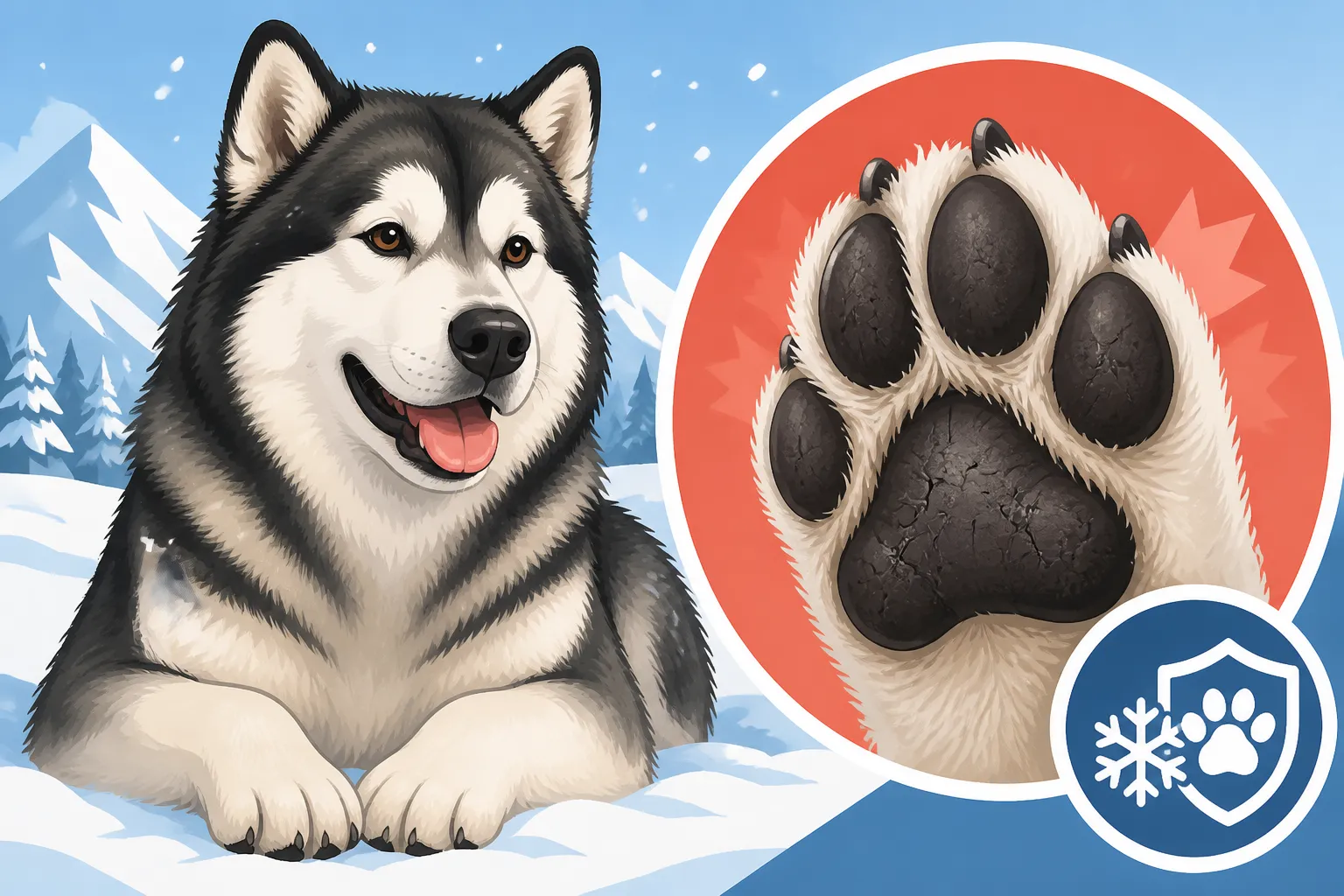
Think about the Mahlemut people, who originally developed these dogs for freighting heavy loads across vast, icy landscapes. Their dogs needed paws that could withstand brutal cold, rough terrain, and constant impact. Malamute paw pads are naturally thick, leathery, and well-cushioned, designed to provide traction and insulation. They have a remarkable network of blood vessels that help regulate temperature, preventing frostbite in extreme cold. Furthermore, dense fur grows between their toes, acting like natural snowshoes and providing an extra layer of protection and grip. This is why you often see them sleeping in the snow by choice (Whether a Malamute Sleeps in the Snow by Choice) quite happily.
However, "resilience" doesn't mean "invincibility." Even with all these natural adaptations, modern environments and continuous exposure to certain winter conditions can take a toll. A Malamute might enjoy playing in the snow all day, but that doesn't mean their paws aren't working hard and potentially getting exposed to things that can cause damage. We, as their caretakers, often introduce new variables that their ancestors didn't have to contend with.
Why Winter is a Concern for Paw Pads
The primary concern during winter is a combination of extreme cold, dryness, and exposure to irritants. Just like our own skin gets chapped and dry in cold, low-humidity air, a Malamute’s paw pads can too. This dryness makes them less pliable and more prone to cracking. Imagine the constant friction and impact of walking on hard, frozen ground or rough ice with already-dry pads – it’s a recipe for discomfort.
Beyond the natural elements, there's the added worry of ice melt chemicals, salts, and other de-icing agents used on sidewalks and roads. These substances are highly corrosive and can quickly irritate, burn, and dry out paw pads, leading to significant cracking and pain. Even a Malamute’s inherent toughness can’t fully guard against these modern hazards. A responsible owner needs to be vigilant about protecting these vital extremities.
Factors Contributing to Paw Pad Cracking in Winter
It's not usually one single thing that causes cracked paw pads; more often, it's a perfect storm of environmental factors and sometimes, a lack of preventative care. Understanding these contributing factors is the first step in addressing the problem proactively.
Cold and Dry Air Exposure
Winter air, especially in regions with prolonged cold snaps, is often very dry. This lack of humidity pulls moisture from everything, including your Malamute's paw pads. Think about how your own hands get rough and chapped if you don't moisturize them regularly in winter. Your Malamute's pads are no different. The top layer of skin loses its natural elasticity, becoming rigid and brittle.
When these dry, brittle pads are then subjected to the constant pressure and friction of walking, especially on hard, frozen surfaces, small fissures can start to appear. These can range from minor surface cracks to deep, painful splits that bleed. It's a progressive issue, often starting small and worsening over time if not addressed.
Abrasive Surfaces and Ice
Walking on rough ice, frozen gravel, or even packed snow can be incredibly abrasive. While a Malamute's pads are tough, repeated exposure to these surfaces can wear them down. Imagine walking barefoot on sandpaper—that's a bit what it can feel like for them over time. Sharp edges of ice or frozen debris can also cause cuts or punctures, which are then exacerbated by dryness.
Additionally, when snow and ice melt and refreeze, they can form jagged crystals that act like tiny knives, constantly pricking and irritating the pads. If your Malamute is regularly Feet, Pads and Nails on an Alaskan Malamute That Pulls in winter conditions, their pads are under even greater stress and require extra vigilance.
Chemical Irritants Like Road Salt
This is perhaps one of the biggest culprits for paw pad issues in urban and suburban areas. Road salts, de-icers, and antifreeze are toxic and highly irritating. When your Malamute walks on treated sidewalks or roads, these chemicals get lodged between their pads and cling to their fur. Not only do these chemicals dry out the pads directly, causing burning and cracking, but they can also cause serious internal issues if ingested.
Malamutes, like all dogs, will instinctively lick their paws to clean them, especially after an outdoor excursion. This means they are directly ingesting these harmful substances. The chemical burns on the pads themselves can be quite severe, leading to inflammation, redness, and deep, painful cracks. It’s a double whammy: external damage and internal risk. Whether Road Salt Hurts an Alaskan Malamute's Pads is a resounding yes, and it’s something every Malamute owner must be mindful of.
Preventing Cracked Paw Pads: Proactive Winter Care
Prevention is always better than cure, especially when it comes to something as fundamental as your Malamute's ability to walk and enjoy their favorite season. A consistent winter paw care routine can make all the difference, transforming potentially painful cracked pads into strong, healthy ones.
Regular Cleaning and Inspection
Make it a habit to check your Malamute's paws after every outdoor adventure, especially in winter. This means gently spreading their toes and inspecting their pads for any signs of redness, swelling, cuts, or foreign objects. Look for ice balls that might have formed between their toes – these can be incredibly uncomfortable and lead to irritation. Whether Snow Balls Up Between a Malamute's Toes is a common issue with their double coats and furry feet.
A quick wipe-down with a warm, damp cloth is essential, particularly if you’ve been on salted sidewalks. This removes any salt, chemicals, or debris before they can cause irritation or be licked off. If your dog has been through particularly messy or chemically treated areas, consider a quick paw rinse in a shallow basin of warm water. Always dry their paws thoroughly afterward to prevent moisture-related skin issues.
Moisturizing and Conditioning
Just as we use lotion on our dry hands, your Malamute's paw pads can greatly benefit from a good quality paw balm or moisturizer. These products create a protective barrier, lock in moisture, and keep the pads supple, making them less prone to cracking. Look for balms made with natural ingredients like beeswax, shea butter, or various oils that are safe for dogs to lick.
Apply a small amount before heading out and again before bedtime. Gently massage it into the pads and between the toes. This not only keeps them hydrated but also provides a lovely bonding moment. You can find excellent paw balms from reputable pet retailers like Chewy or on Amazon. Consistency is key here; a sporadic application won't offer the same level of protection. Whether Paw Balm Helps an Alaskan Malamute is certainly true, and it should be a staple in your winter care kit.
Paw Protection with Booties
Okay, I know what you’re thinking: Malamutes in booties? It might sound a bit silly at first, especially for such a rugged breed. However, paw protection in the form of dog booties can be incredibly effective, particularly if your Malamute is exposed to harsh conditions, sharp ice, or heavily salted areas. They provide a physical barrier against cold, chemicals, and abrasions.
It might take some time and patience to get your Malamute used to wearing them – start with short periods indoors, use positive reinforcement, and associate them with fun activities like walks. Not all booties are created equal, so look for durable, well-fitting options that offer good traction and stay on securely. For working Malamutes, especially those that pull (Whether an Alaskan Malamute Needs Booties for Pulling), booties are often a necessity to prevent injuries and maintain optimal performance.
Nutritional Support
While topical care is crucial, don't overlook the role of internal nutrition in maintaining skin and paw pad health. A high-quality diet rich in essential fatty acids (like Omega-3 and Omega-6) can contribute to overall skin elasticity and coat health, which in turn benefits the paw pads. Some Malamutes, particularly those with zinc absorption issues (like Zinc Responsive Dermatosis in an Alaskan Malamute), may benefit from specific dietary adjustments or supplements if recommended by a vet.
Discuss with your vet or a canine nutritionist if your Malamute's diet is providing optimal support for their skin. Brands like Ollie, known for fresh, human-grade ingredients, might be a good option for overall health, though always check specific nutritional profiles. Remember, a healthy dog from the inside out will have a better defense against environmental stressors.
Treating Cracked Paw Pads: When to Seek Help and Home Care
Despite all our best efforts, sometimes cracked paw pads happen. When they do, knowing how to respond—and when to call in professional help—is crucial for your Malamute's comfort and recovery.
Assessing the Severity of Cracks
The first step is to assess how severe the cracks are. Minor, superficial dryness or small fissures might be manageable with consistent home care. These often appear as slight roughness or faint lines on the pad surface. However, if you see deep splits that penetrate through the pad, open wounds, bleeding, significant redness, swelling, or if your Malamute is visibly limping, refusing to walk, or constantly licking their paws, it's time to be more concerned.
A deep crack can be incredibly painful and is susceptible to infection. These aren't just cosmetic issues; they can severely impact your Malamute's mobility and quality of life. Don't underestimate the pain a severe paw pad crack can cause.
First Aid and Home Treatment
For minor cracks, start by cleaning the paw thoroughly with warm water and a mild, pet-safe antiseptic solution if recommended by your vet. Gently pat dry. Then, apply a generous amount of a good quality paw balm. You might want to cover the paw with a soft dog sock or a light bandage (changed daily) to prevent your Malamute from licking off the balm immediately and to keep the pad clean while it heals.
Keep your Malamute’s activity level lower for a few days to allow the pads to rest and heal. Avoid walks on rough or salted surfaces. Continue the regular cleaning and moisturizing routine. Monitor the cracks closely for any signs of worsening or infection, such as pus, increased swelling, or a foul odor. If the cracks are deep, or if there's any sign of infection, a vet visit is imperative.
When to Consult Your Veterinarian
There are definite situations where a trip to the vet isn't optional:
- Deep, bleeding cracks: These often require professional cleaning, potentially stitching, and antibiotics to prevent infection.
- Signs of infection: Pus, excessive swelling, redness spreading beyond the crack, warmth to the touch, or fever.
- Limping or refusal to bear weight: This indicates significant pain or a deeper injury.
- Sudden onset of severe cracking: This could point to an underlying medical condition or a severe chemical burn that requires immediate attention.
- Lack of improvement: If minor cracks aren't healing within a few days of diligent home care, it's time for a professional diagnosis.
Your vet can properly clean and dress the wound, prescribe pain relief, and determine if antibiotics are needed. They can also rule out other conditions that might mimic cracked pads. Remember, your Malamute is tough, but they rely on you to be their advocate when they're in pain. What an Alaskan Malamute Needs Every Day includes vigilant health monitoring, and paw health is a big part of that, especially during the winter months. Caring for an Old Alaskan Malamute also means extra attention to paw health, as older dogs may have reduced circulation or mobility, making them more vulnerable to these issues.
| Paw Pad Issue | Description | Recommended Action |
|---|---|---|
| Dryness/Roughness | Pads feel noticeably dry, slightly rough, no visible cracks. | Regular moisturizing with paw balm, clean after walks, monitor. |
| Minor Surface Cracks | Small, shallow lines or fissures on the pad surface, no bleeding. | Daily moisturizing, clean thoroughly, limit exposure to irritants, consider booties. |
| Deep Cracks/Bleeding | Visible splits into the pad tissue, may be bleeding or open wounds. | Immediate vet visit. Keep clean and covered until vet advises. |
| Infection | Redness, swelling, pus, foul odor, Malamute licking excessively. | Immediate vet visit. Professional cleaning, antibiotics likely needed. |
| Chemical Burns | Red, irritated, painful pads after exposure to de-icers/salt. | Flush thoroughly with water, apply soothing balm, vet visit if severe. |
| Ice Balls/Debris | Snow/ice clumped between toes, small stones, thorns lodged in pads. | Remove gently, clean, check for irritation/cuts, apply balm. |
Keeping your Alaskan Malamute's paw pads healthy through winter is a testament to the care and attention you provide. They might be built for the cold, but their paws still need your help to brave the season comfortably and safely.
Disclaimer
This article is for general informational purposes only and does not constitute professional advice. Laws, prices and regulations vary by location and change over time. Consult a qualified professional for guidance on your specific situation.