Whether Road Salt Hurts an Alaskan Malamute’s Pads
Walking your magnificent Alaskan Malamute in winter can be a truly joyful experience, watching them revel in the snow and crisp air, their thick coats making them seem impervious to the cold. But for many of us, that initial joy is quickly followed by anxiety, knowing the hidden dangers lurking on sidewalks and roads: harsh road salt. This guide will walk you through exactly why road salt is so detrimental to your Malamute's tough but sensitive paw pads, how to spot the signs of irritation, and most importantly, how to protect and care for their precious feet so those winter adventures remain truly happy.
The Harsh Reality of Winter Walks and Road Salt for Your Malamute
It’s a common winter scene: you and your Malamute are enjoying a brisk walk, snow crunching underfoot, but then you notice them start to slow, lift a paw, or even limp. You might assume it's just the cold, but more often than not, the culprit is the very thing designed to make human travel safer: road salt and de-icers. These compounds are a significant irritant and can cause serious harm to your dog's paws, despite how rugged they might seem.
Many Malamute owners, especially those new to the breed, might underestimate just how vulnerable their dog's pads are. After all, these are dogs bred for the Arctic, for pulling sleds across vast, icy landscapes! But the salt we use on our roads is a far cry from natural snow and ice. It's a chemical cocktail designed to melt ice, and it doesn't discriminate between concrete and canine flesh. It's a frustrating paradox for owners who want to get their dogs out for necessary exercise during the colder months.
How Road Salt and De-Icers Damage Paw Pads
Road salt, often primarily sodium chloride, along with other de-icing agents like calcium chloride and magnesium chloride, works by lowering the freezing point of water. While effective for roads, these chemicals are highly corrosive and dehydrating to organic tissue, like your Malamute’s paw pads. Think of what prolonged exposure to salt water does to your skin – it dries it out, makes it rough, and can cause irritation. Now imagine that, concentrated, on the sensitive skin of your dog's paws.
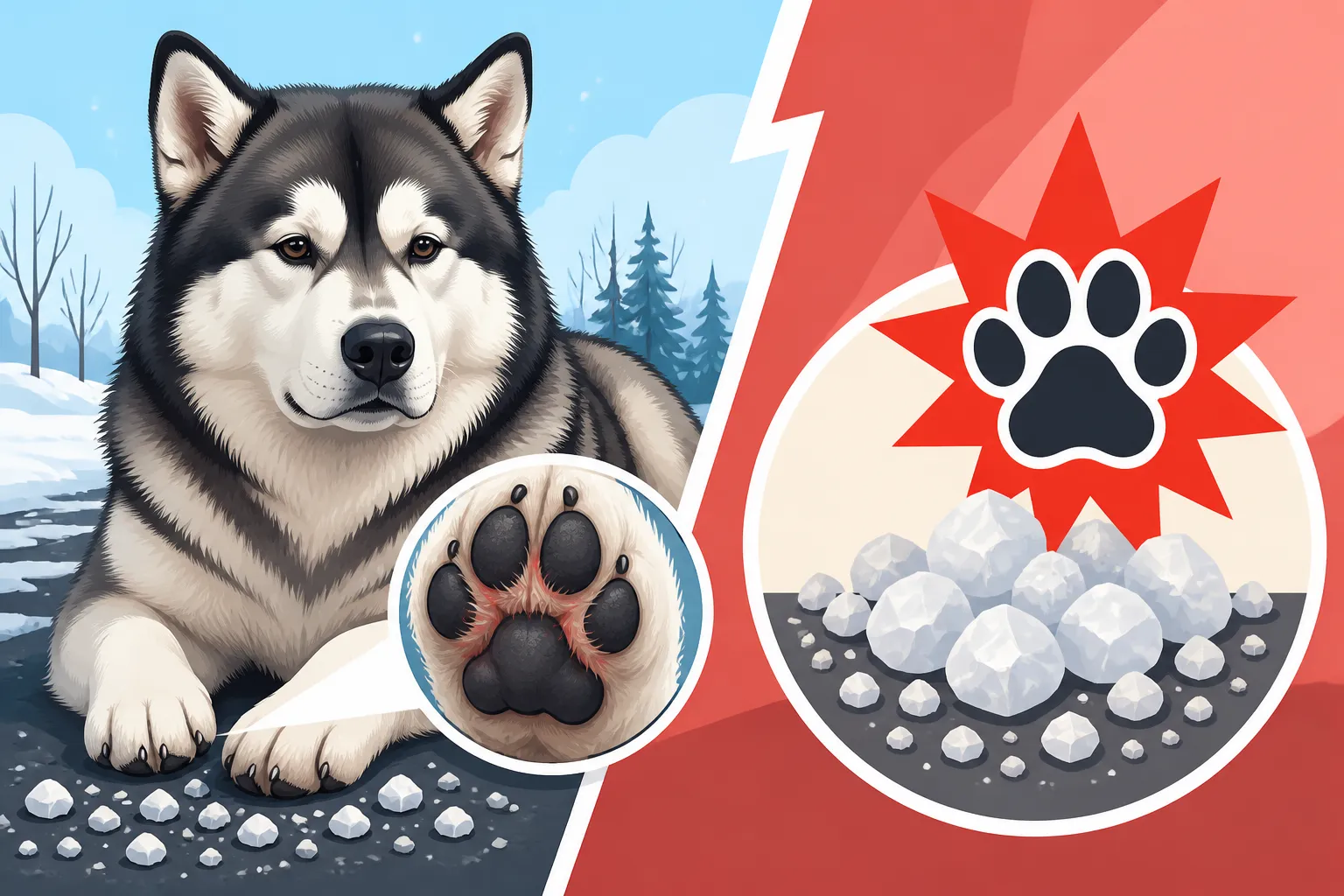
When your Malamute walks on salted surfaces, the tiny granules of salt get lodged between their paw pads and toes. As they walk, these sharp crystals can cause abrasive damage, creating small cuts and abrasions. The chemicals then seep into these micro-wounds, leading to burning sensations, intense irritation, and inflammation. It's a vicious cycle where the salt first creates the wound, then further exacerbates it with chemical burns.
Moreover, these de-icers can draw moisture directly out of the skin, leading to extreme dryness and cracking. Cracked paw pads are not only painful but also create open avenues for bacteria and further infection. Some de-icers even generate heat as they dissolve, which can literally burn your Malamute's pads. This isn't just discomfort; it's genuine physical harm that needs to be taken seriously by every owner.
Recognizing the Signs of Road Salt Irritation
Malamutes are notoriously stoic animals. They are bred to work in harsh conditions and often don't show pain or discomfort until it's quite severe. This can make it challenging for owners to identify early signs of road salt irritation. You might not see a dramatic limp right away, but rather subtle changes in behavior that signal something is wrong. Knowing what to look for is absolutely crucial.
One of the most common initial signs is excessive licking or chewing at their paws after a walk. If your Malamute is constantly fussing with their feet, especially the bottoms of their pads and between their toes, it's a strong indicator that they're experiencing discomfort. They might also pull their paws up frequently while walking, or hesitate to put weight on a particular foot. Sometimes, you’ll notice a change in their gait, perhaps a subtle stiffening or favoring of one side, which could be a sign of pain.
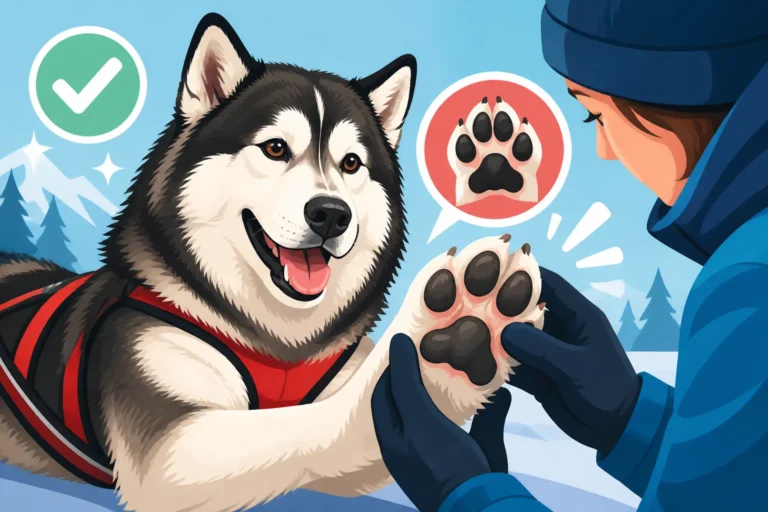
Upon closer inspection, you might notice redness or inflammation on the pads themselves or between the toes. The skin might appear raw, chapped, or unusually dry and flaky. In more severe cases, you could see visible cracks, blisters, or even bleeding from the pads. Don't dismiss these signs, even if your Malamute seems otherwise unfazed; their natural hardiness can mask considerable pain. If you've been wondering Whether an Alaskan Malamute's Pads Crack in Winter, road salt is a major contributor, turning tough paw pads into vulnerable, painful surfaces.
Proactive Measures: Protecting Your Malamute's Paw Pads
The best defense against road salt damage is a good offense. Taking proactive steps before you even head out for your winter walk can make all the difference in keeping your Malamute's paws healthy and happy. It's not about avoiding walks entirely – your Malamute thrives on exercise, especially in cooler weather – but about equipping them for the environment they'll encounter.
Many owners feel frustrated because they want their active Malamutes to enjoy the winter, but the urban environment often presents challenges their ancestors never faced. Planning ahead with protective gear and topical treatments can alleviate a lot of this stress, ensuring your dog can enjoy their outdoor time without suffering the painful consequences of modern de-icing methods. Think of it as essential gear, much like you'd equip yourself for extreme weather.
The Bootie Debate: Finding the Right Footwear
Booties are often the first line of defense many owners consider, and for good reason: they provide a physical barrier between your Malamute's paw pads and the harsh elements. However, finding the right pair and getting your Malamute to accept them can be a bit of a journey. It's not always a straightforward solution, but the benefits for salt protection are undeniable.
There's a wide range of booties available, from simple rubber dip boots that offer water resistance to more robust fabric and sole constructions designed for extreme weather. For an Alaskan Malamute, you'll need something durable that can withstand their powerful gait and the stresses of walking or pulling. Look for booties with good traction, as your Malamute's natural pads are built for grip on snow and ice, and some slick bootie materials can actually make them more prone to slipping. Brands like Ruffwear or Muttluks are popular choices that offer good durability and fit. You can find a good selection of these on platforms like Chewy or Amazon.
The biggest challenge, of course, is convincing your Malamute to wear them! Many dogs initially react to booties as if their feet are being held hostage. Start by introducing them gradually, perhaps wearing one bootie for a few minutes indoors, then slowly increasing the duration and number of booties. Positive reinforcement with treats and praise is key. Some Malamutes will adapt quickly, while others may do the "high-step dance" for a while. Remember, consistency and patience are essential. If you're considering them for activities like sledding, you might also want to look into Whether an Alaskan Malamute Needs Booties for Pulling, as working dogs often have specific bootie needs.
Balms and Waxes: A Protective Barrier
If booties aren't a practical option, or as an added layer of protection, paw balms and waxes can be incredibly effective. These products create a breathable, protective layer over the paw pads, acting as a shield against salt, ice, and other irritants. They are usually made from natural ingredients and are perfectly safe for your Malamute, even if they lick their paws.
Think of paw balm as a kind of invisible bootie. Products like Musher's Secret or Pawz Max Wax contain ingredients like beeswax, lanolin, and various oils that create a semi-permeable barrier. This barrier helps to repel moisture and salt, preventing them from directly contacting and irritating the skin. They also help to moisturize the pads, preventing the cracking and dryness that road salt often causes. Applying these consistently throughout the winter can make a profound difference in your Malamute's paw health.
Application is straightforward: simply rub a generous amount onto each paw pad and between the toes before your walk. Make sure to get good coverage, especially in the areas most exposed to the ground. It's a quick process that adds minimal time to your routine but offers maximum benefit. Reapply as needed, especially after longer walks or in very harsh conditions. You can often find these specialized balms at pet supply stores or online marketplaces like Amazon, making them an accessible solution for Whether Paw Balm Helps an Alaskan Malamute.
Post-Walk Care: Healing and Prevention
Even with the best proactive measures, some salt and irritants might still make their way onto your Malamute's paws. That’s why a consistent post-walk routine is just as important as pre-walk protection. Immediate and thorough cleaning can prevent lingering irritation and start the healing process for any minor damage that might have occurred. Don't underestimate the power of a simple rinse!
Neglecting post-walk paw care is a common mistake that can lead to chronic issues. Many owners are just eager to get back inside and warm up, but those few extra minutes dedicated to paw care can save your Malamute a lot of discomfort and potentially expensive vet visits down the line. It's part of the holistic approach to What an Alaskan Malamute Needs Every Day, especially in winter.
Immediate Cleaning and Why It Matters
The moment you step back inside with your Malamute, your first order of business should be cleaning their paws. Every granule of salt, every drop of de-icing chemical, needs to be removed as quickly as possible. The longer these irritants sit on the skin, the more damage they can do. This immediate action is truly your best defense against lasting irritation.
Have a designated "paw station" near your entry door. This could be a basin of lukewarm water, a large towel, and maybe some pet-safe wipes. Gently but thoroughly rinse each paw, paying close attention to the areas between the pads and toes where salt crystals tend to hide. Lukewarm water is best – avoid hot water, which can further dry out irritated skin, and cold water, which can be uncomfortable for already chilled paws. Simply rinsing with plain water is often enough, but if you want to be extra diligent, you can use a very mild, pet-safe soap, ensuring you rinse it off completely.
After rinsing, dry their paws meticulously with a clean towel. Moisture trapped between the toes can lead to secondary issues like yeast or bacterial infections, especially if the skin is already compromised. Make sure to dry deeply into those furry crevices. This quick routine, done every time they come in from a salted area, dramatically reduces the risk of serious irritation and keeps their pads in much better condition throughout the winter.
Soothing and Repairing Damaged Pads
Sometimes, despite your best efforts, your Malamute's paw pads might still show signs of irritation or cracking. In these cases, your post-walk routine needs to shift from just prevention to active soothing and repair. This is where a little extra TLC can go a long way in healing their feet and preventing further issues. It's about recognizing when their tough exterior has been compromised and providing the necessary support.
For mild redness or dryness, applying a soothing, hydrating paw balm or a bit of coconut oil can work wonders. Look for products specifically formulated for dogs, containing ingredients like shea butter, aloe vera, or vitamin E, which are known for their healing properties. Gently massage the balm into the pads and between the toes to help moisturize and soften the skin. You might need to distract your Malamute for a few minutes afterward to prevent them from licking it all off immediately, although most pet-safe balms are fine if ingested in small amounts. Ollie, for example, often champions natural ingredients, and while they focus on food, the ethos of natural care extends to products you'd find for paw health.
If you notice deeper cracks, bleeding, or signs of infection (like pus, swelling, or a foul odor), it's time for a visit to your veterinarian. They might prescribe a topical antibiotic ointment or an antiseptic wash to prevent infection and promote healing. Never self-diagnose or apply human medications without professional advice. For older Malamutes, consistent paw care is even more vital, as their skin can become less resilient over time; learn more in Caring for an Old Alaskan Malamute. Proper care of their feet, along with regular nail trims as discussed in How Often an Alaskan Malamute's Nails Need Cutting, is an essential part of keeping your magnificent companion comfortable and ready for all your adventures.
| Protection Method | Pros | Cons | Best Use |
|---|---|---|---|
| Booties | Excellent physical barrier, full coverage, prevents direct contact with salt. | Can be difficult to fit, some dogs resist wearing them, can affect natural paw grip. | Heavily salted areas, prolonged exposure, very sensitive paws. |
| Paw Balms/Waxes | Easy to apply, moisturizes, natural ingredients, dogs generally tolerate well. | Less complete barrier than booties, needs frequent reapplication, can be licked off. | Lightly salted areas, mild irritation, preventative measure, combination with booties. |
| Immediate Rinsing | Removes irritants quickly, simple, cost-effective. | Requires consistent effort after every walk, doesn't prevent initial exposure. | Essential for all walks on treated surfaces, even with other protection. |
Disclaimer
This article is for general informational purposes only and does not constitute professional advice. Laws, prices and regulations vary by location and change over time. Consult a qualified professional for guidance on your specific situation.